
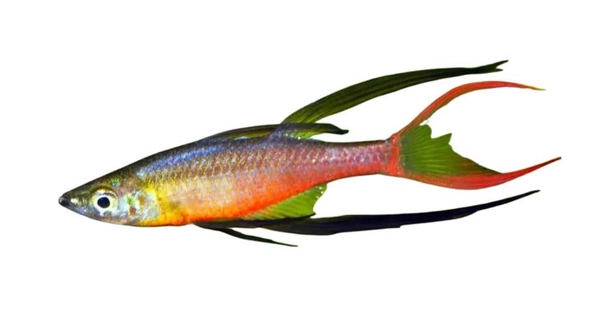
Do you ever notice how your threadfin moves differently around you compared to others in the tank? Observing their feeding habits can reveal subtle signs of trust and comfort. These behaviors often indicate a stronger bond forming naturally.
Threadfin trust can be identified through seven distinct feeding patterns. These patterns include following the feeder closely, eating calmly in your presence, showing preference for food you offer, and returning consistently, all of which signify a reliable, trusting relationship.
Recognizing these behaviors will help you strengthen your connection with your threadfin and ensure their well-being in your care. Each pattern reveals a deeper layer of trust.
Following the Feeder Closely
Threadfin that follow you closely during feeding show an early sign of trust. They recognize your presence as non-threatening and associate you with nourishment. When they swim alongside you, even while you are moving around the tank, it demonstrates comfort. Over time, this behavior can become consistent, signaling a developing bond. Watching them carefully, you may notice they react faster to your movements, anticipating food before it reaches the water. These fish often swim closer than others, maintaining a moderate distance that balances caution and curiosity. Some may even wait near the tank edge, seemingly eager for your attention and the meal you provide. Consistent observation allows you to differentiate between normal feeding behavior and signs of trust. The more they approach without hesitation, the stronger the bond. Their body language, including calm fin movement and smooth swimming, complements the following behavior, confirming comfort around you as a caregiver.
Observing your threadfin in this way allows you to gauge their trust level and adjust your feeding routine for stronger connection.
This pattern, when repeated over days, becomes reliable. By consistently offering food calmly and respecting their space, threadfin learn to trust your presence. Not every fish will follow at the same pace, but those that do provide clear insight into their comfort level. Patience and consistency are key. As trust strengthens, they may even compete lightly for attention, showing eagerness rather than fear. Recording their approach patterns and noting changes in speed or distance over time gives practical feedback on how well they respond to your feeding methods. Ensuring water quality and minimizing sudden disturbances reinforces this trust. By understanding the nuances of their movement, you can predict their reactions and feed more effectively, creating a predictable, secure environment. Over time, these fish will display increasingly confident swimming behaviors around you, integrating their trust into daily feeding interactions.
Eating Calmly in Your Presence
When threadfin eat calmly near you, it is a strong sign of trust and comfort. They feel safe enough to focus on their food without constant vigilance.
Calm feeding behavior indicates a secure environment. Fish that do not dart away are more likely to have established trust, reducing stress and supporting overall health.
Showing Preference for Your Food
Threadfin that selectively eat food from your hand or near your presence show clear signs of trust. They associate you with safety and nourishment, distinguishing your offerings from other sources in the tank.
This preference develops as they learn that food provided by you is consistent and reliable. Unlike food scattered randomly, items offered by your hand or a feeder are eaten without hesitation. Over time, they may even wait specifically for your presence, demonstrating recognition and confidence. This behavior reflects both their comfort with your movements and their understanding that you pose no threat. Fish that display this pattern are often calmer and more engaged during feeding, making observation rewarding. They show interest by positioning themselves strategically near your feeding area and may swim closer than they would to food dropped elsewhere, highlighting their trust and selective response.
Selective feeding helps monitor individual fish behavior more effectively. Observing their choices gives insight into their bond with you, enhancing feeding routines and overall care.
Returning Consistently
Threadfin that return repeatedly to your presence after feeding are signaling ongoing trust. They anticipate your role in their nourishment and approach without hesitation.
This consistent return shows they recognize your presence as a source of safety and food. Over multiple feeding sessions, fish that revisit your hand or feeding area demonstrate memory, comfort, and growing confidence. It is not just about the food; it is about the predictable, non-threatening interaction you provide. When they come back without alarm, it reflects a secure environment and their willingness to engage with you directly.
Tracking these repeated returns allows you to gauge trust over time. Fish that return consistently also indicate readiness to interact calmly in other parts of the tank. Their repeated behavior helps create a stable routine, reinforcing both confidence and predictable patterns in feeding times. Over time, you may notice subtle differences in how quickly they return or how close they get, providing practical feedback for improving their care. Recognizing and encouraging this behavior strengthens their sense of security and your connection as a caretaker.
Calm Approach
Threadfin that swim toward you slowly and without sudden movements show clear trust. They are comfortable in your presence and feel safe enough to approach directly during feeding.
A calm approach reflects their ability to assess your presence without fear. Fish that move deliberately are signaling confidence and familiarity, indicating they have learned you pose no threat during feeding.
Maintaining Eye Contact
Threadfin that make brief, steady eye contact while feeding are displaying recognition and trust. This behavior shows they are attentive to your movements and confident in your interactions.
Eye contact signals awareness and comfort, demonstrating that the fish feel secure enough to focus on both their food and your presence. Maintaining eye contact without darting away reflects a level of trust that develops gradually through consistent, calm feeding practices. This pattern highlights the relationship they are forming with you, showing both attentiveness and reliance on your role during feeding. Observing this behavior can help refine how you approach feeding sessions, ensuring minimal stress and predictable interactions.
Gentle Nibbling
Fish that nibble gently near your hand are demonstrating trust. They are comfortable taking food from a close source without hesitation.
FAQ
How can I tell if my threadfin truly trusts me?
Trust in threadfin is shown through consistent, calm behaviors during feeding. If your fish follow you closely, eat calmly in your presence, return repeatedly, or show preference for your offered food, these are clear indicators of comfort. Observing steady swimming patterns, gentle nibbling, and attention toward your movements reinforces the presence of trust. Sudden darting or hesitation usually signals caution rather than trust. Patience and consistent feeding routines strengthen these behaviors over time, allowing your fish to feel secure while interacting with you.
What should I do if my threadfin seems scared during feeding?
If your fish show hesitation, dart away, or avoid your hand, it’s important to slow down your approach. Maintain consistent feeding times and offer food calmly from a distance. Avoid sudden movements, loud noises, or overcrowding the tank. Gradually decrease the distance over multiple sessions to help the fish associate your presence with safety. Ensuring proper water quality and a stress-free environment also supports trust-building. Repeated gentle interactions will allow your threadfin to become more comfortable and eventually feed without fear.
Is it normal for only some threadfin to show trust?
Yes, individual temperaments vary. Some threadfin are naturally cautious, while others are more outgoing. Differences in age, past experiences, and health can influence how quickly a fish develops trust. Even in a single tank, it is common to see a mix of confident and reserved individuals. Focus on observing each fish’s behavior without forcing interactions. Patience is key, and even the more hesitant fish can gradually show signs of comfort with consistent care and gentle feeding practices.
Can trust be lost once it is established?
Yes, trust can diminish if the fish experiences stress or perceived threats. Sudden changes in environment, aggressive tank mates, inconsistent feeding, or rough handling can lead to fear responses. Maintaining stable conditions and predictable routines is essential. By monitoring stress indicators and adjusting care accordingly, you can preserve or rebuild trust. Trust is dynamic and requires ongoing reinforcement through calm, predictable, and safe interactions during feeding and tank management.
How long does it take for threadfin to show trust?
The timeline varies by individual and environment. Some fish may display trust within a few days of consistent feeding, while others take weeks or months. Factors like prior stress, tank conditions, and the caregiver’s approach influence speed. Gradual exposure, gentle handling, and consistent routines accelerate comfort. Monitoring daily behaviors helps track progress. Even small signs, such as approaching closer or nibbling calmly, indicate gradual trust-building.
Are there specific foods that encourage trust?
Threadfin respond well to foods that are easy to eat and nutritionally appropriate. High-quality flakes, pellets, or small live foods often encourage engagement. Offering food directly near their presence, rather than scattering it randomly, reinforces a positive association with you. Rotating food types while maintaining a consistent feeding routine can help maintain interest and comfort. Observing which foods elicit calm and eager feeding behavior helps strengthen the trust dynamic while meeting their nutritional needs.
How can I maintain trust long-term?
Consistency is essential. Feed at regular times, approach the tank calmly, and avoid sudden movements. Keep water conditions stable and minimize stressors. Regular observation allows you to respond to changes in behavior quickly. Reinforce positive interactions by offering food gradually closer to your presence. Over time, these steps ensure threadfin remain confident, comfortable, and willing to engage with you, maintaining a reliable and trusting relationship.
What behaviors indicate a lack of trust despite frequent feeding?
Avoidance, sudden darting, hiding, and reluctance to eat near your hand are signs of limited trust. Fish may still eat but remain tense or positioned far from your presence. Recognizing these subtle behaviors is important to adjust your approach, ensuring feeding remains calm and predictable. Trust is built gradually, and even cautious fish can develop comfort with time and patience.
Can multiple threadfin in one tank influence trust patterns?
Yes, social dynamics affect behavior. Dominant or aggressive individuals may limit access to food or influence others’ willingness to approach. Careful observation and strategic feeding can help all fish feel secure. Separating aggressive feeders or providing multiple feeding points ensures everyone has a chance to build trust and reduces stress during meal times.
Is it necessary to interact daily for trust to remain strong?
Daily consistent interaction helps reinforce familiarity and comfort, but quality matters more than frequency. Calm, predictable feeding and observation maintain trust. Missing a day occasionally may not disrupt confidence if routines are usually reliable. The key is to maintain safe, steady interactions over time to ensure fish feel secure during feeding.
This FAQ provides practical guidance on recognizing, fostering, and maintaining threadfin trust. By paying attention to these behaviors and responding consistently, you can support healthy, confident interactions in your tank environment.
Final Thoughts
Observing your threadfin during feeding offers valuable insight into their comfort and trust levels. These fish communicate primarily through behavior, and small actions can reveal significant information. Calm swimming, following your hand, nibbling gently, or returning consistently are all signs of trust developing. It is important to pay attention to these patterns over time, rather than expecting immediate results. Each threadfin has a unique personality and pace at which it becomes comfortable. Some may approach quickly, while others remain cautious for longer periods. Recognizing these differences allows you to adjust your care and feeding methods appropriately, ensuring that all fish in the tank feel safe and supported.
Consistency and patience are key factors in building trust. Feeding at regular times and using calm movements creates a predictable environment that threadfin can rely on. Sudden changes in routine or environment can disrupt trust, so maintaining stability is essential. Additionally, observing subtle signs like the speed of approach, body posture, or fin movements can provide a clearer picture of comfort levels. Trust is not a single moment but a series of interactions over days, weeks, or even months. By consistently responding to their behavior with calm and non-threatening actions, you reinforce their sense of safety. This makes feeding sessions more productive and enjoyable for both the fish and the caregiver.
Maintaining trust also requires attention to overall tank conditions. Proper water quality, temperature, and space reduce stress, which directly influences how threadfin respond during feeding. Social dynamics within the tank, including interactions with other fish, can impact trust patterns as well. Ensuring that aggressive behaviors are minimized and providing multiple feeding points helps all individuals feel secure. Over time, these careful observations and adjustments build a strong foundation of trust. By understanding and responding to these feeding patterns, you create a balanced environment where threadfin are confident, comfortable, and willing to interact safely. This approach not only supports their physical health but also encourages natural, trusting behaviors that make caring for them a more rewarding experience.

Hello,
If you enjoy the content that we create, please consider saying a "Thank You!" by leaving a tip.
Every little bit helps us continue crafting quality advice that supports the health, happiness, and well-being of pets around the world, for pets of all shapes, sizes, and species.
We really appreciate the kindness and support that you show us!