
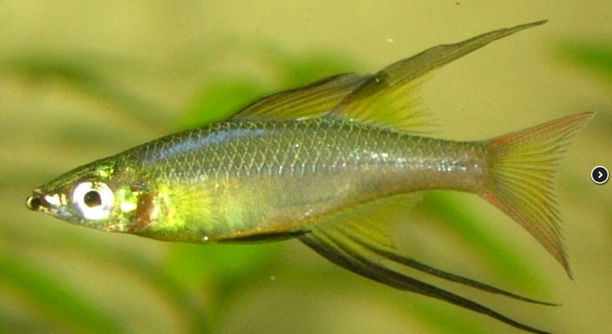
Do you ever notice your threadfins swimming quietly in their tank, then suddenly darting around without warning? Observing these subtle changes can reveal more about their natural instincts and behaviors than you might expect.
When the filter is turned off, threadfins often exhibit increased exploratory behavior and heightened activity. They may swim more actively near the surface, search for oxygen-rich areas, and adjust their position to maintain balance and comfort in lower water flow conditions.
Watching these changes closely can provide insight into their natural habits and help maintain a healthier, more stable environment for your fish.
How Threadfins React to Water Flow Changes
Threadfins are highly sensitive to shifts in water movement. When the filter is off, they may gather near areas with residual current or oxygen pockets, moving cautiously to find stability. Their fins often spread wider than usual, helping them maintain balance. Some may hover in one spot, while others explore the edges of the tank. Increased activity is usually short-term, lasting until oxygen levels normalize or the filter resumes. Watching these responses can help you understand how environmental factors influence their daily behavior. Over time, threadfins develop patterns, responding consistently to such changes, which can indicate stress or comfort levels. Feeding behavior may also adjust, as they prioritize movement and balance over searching for food. By noting these subtle signals, caretakers can ensure that tank conditions remain safe and supportive. Threadfins’ reactions are a natural adaptation to temporary changes, revealing both their resilience and sensitivity.
These behaviors are not random; they reflect instinctive strategies to survive in altered water conditions.
Being attentive to these responses can help you maintain proper aeration and reduce stress, ensuring your threadfins stay healthy and active over the long term.
Signs of Stress in Threadfins
Stress in threadfins is often subtle but noticeable. They may isolate themselves, gasp at the surface, or show rapid, erratic movements.
Prolonged exposure to poor water circulation or low oxygen can lead to health issues. Threadfins might eat less, appear lethargic, or develop weakened immunity. Physical signs like clamped fins, discoloration, or frayed tails can also appear. It is important to monitor tank conditions closely, especially if the filter has been off for an extended period. Quick intervention, such as restoring proper filtration or adding aeration devices, can reduce stress significantly. Observing how threadfins respond after such changes gives insight into their resilience and adaptation capabilities. Maintaining stable water parameters, adequate oxygenation, and a consistent feeding schedule supports their overall well-being. With careful observation and timely adjustments, you can prevent long-term issues and ensure your threadfins thrive even in temporary disturbances. Being proactive in tank maintenance helps maintain both their health and natural behaviors effectively.
Adjusting Feeding Habits
Threadfins may reduce their feeding when the filter is off. They prioritize finding oxygen-rich areas, which can temporarily shift their focus away from regular feeding patterns.
Reduced water movement affects how food spreads in the tank, making it harder for threadfins to locate and consume it efficiently. They may linger near areas where the current previously carried food, waiting for motion to resume. Some fish become more competitive during this time, darting quickly to grab available morsels, while others retreat to calmer spots, conserving energy. Monitoring their feeding closely can prevent nutritional deficiencies and ensure each fish receives adequate portions. Adjusting feeding schedules or providing slower-sinking food can help compensate for changes in activity levels caused by the filter being off. Observing how threadfins respond allows you to maintain healthy growth and prevent stress-induced appetite loss.
Providing food near oxygenated spots encourages consistent feeding while minimizing stress caused by reduced circulation and slower distribution of nutrients.
Maintaining awareness of these behaviors helps ensure threadfins stay healthy even during temporary changes in their tank environment.
Maintaining Oxygen Levels
Adding an air stone or temporarily increasing water surface agitation can help maintain oxygen levels when the filter is off. This ensures threadfins remain comfortable and active.
Low water flow can reduce oxygen concentration, particularly near the bottom of the tank. Threadfins respond by moving to surface areas or spots with residual movement, but prolonged low oxygen can affect their metabolism and energy. Using additional aeration devices compensates for reduced circulation and maintains stable oxygen availability. Even short periods of low oxygen can trigger stress, which may impact growth, immunity, and feeding behavior. Observing how threadfins adjust their position and activity can guide when to restore filtration or add temporary aeration. These adjustments support overall health and reduce the risk of sudden behavioral changes or health complications.
Consistent monitoring and timely interventions prevent oxygen depletion, allowing threadfins to remain stable, active, and stress-free during periods without the filter.
Temporary Hiding Spots
Threadfins often seek hiding spots when the filter is off. They look for corners, decorations, or plants where water movement is minimal.
These areas provide a sense of security. Fish may stay hidden longer than usual until circulation resumes, using these spots to conserve energy and avoid stress.
Monitoring Activity Levels
Observing daily swimming patterns helps identify how threadfins adapt. Increased rest near the tank bottom or sporadic bursts of movement signal responses to reduced flow.
Water Temperature Considerations
Temperature changes can intensify stress when the filter is off. Maintaining consistent warmth supports metabolism and prevents additional strain on the fish.
Long-Term Behavior Changes
Repeated periods without filtration may cause threadfins to adjust their routine permanently. Some may become more cautious or develop new preferred spots for resting and feeding.
FAQ
How long can threadfins stay without a filter?
Threadfins can survive short periods without a filter, typically a few hours to a day, depending on tank size, oxygen levels, and water quality. Longer periods increase stress and risk of low oxygen or waste buildup. Monitoring behavior and adding temporary aeration helps mitigate risks.
What signs indicate threadfins are stressed without a filter?
Signs include rapid, erratic swimming, gasping at the surface, isolation, clamped fins, and reduced feeding. Physical changes like pale or discolored scales may appear. Observing these signs early allows timely intervention to restore filtration or oxygenation.
Should I feed threadfins when the filter is off?
Feeding can continue, but threadfins may show less interest. Providing smaller portions or slower-sinking food ensures they receive nutrients without causing water quality issues. Avoid overfeeding, as waste buildup can reduce oxygen further and increase stress.
Can threadfins adapt to frequent filter shutdowns?
They may adjust behaviorally by finding calmer spots, reducing activity, or changing feeding patterns. However, repeated or prolonged filter shutdowns can lead to chronic stress, weakened immunity, and long-term behavioral changes. It’s best to maintain consistent water flow.
Is adding an air stone necessary when the filter is off?
Yes, an air stone or temporary aeration can prevent oxygen depletion. Threadfins respond quickly to lower oxygen, so maintaining surface agitation ensures they remain comfortable and active until normal filtration resumes.
How do water parameters change without a filter?
Ammonia and nitrite levels may rise faster, and oxygen decreases. pH may fluctuate slightly depending on tank size and temperature. Monitoring water quality is essential to prevent harmful conditions during filter downtime.
Do threadfins hide more when the filter is off?
Yes, they often seek corners, plants, or decorations where water movement is minimal. These hiding spots allow them to conserve energy and reduce stress while circulation is reduced.
Can I leave the filter off overnight?
It depends on tank size and aeration. Small tanks without supplemental oxygen should not be left off overnight, while larger tanks with stable conditions may tolerate short periods. Observing fish behavior is critical for safety.
Will turning the filter back on shock the fish?
Usually not. Threadfins gradually readjust to restored flow. If the current is strong, directing water or adjusting flow speed helps them acclimate smoothly. Sudden, intense currents may cause temporary stress.
How often should I monitor threadfins during filter downtime?
Check them at least every 30–60 minutes for signs of distress, unusual swimming, or oxygen-related behavior. Prompt action, such as adding aeration or partial water changes, ensures their safety.
What preventive measures can I take for filter failures?
Keep a backup air pump or battery-powered aerator available. Monitor water quality daily, and plan for short-term interventions like partial water changes to maintain oxygen and reduce waste buildup during unexpected filter shutdowns.
Do threadfins eat less without a filter?
Yes, reduced water flow and oxygen levels may shift their focus from feeding to maintaining balance and energy. Observing and adjusting feeding locations helps maintain proper nutrition during downtime.
Can repeated filter shutdowns affect long-term behavior?
Yes, threadfins may become more cautious, hide more often, or change swimming patterns permanently. Consistent environmental stability helps preserve normal activity and overall health.
How do I know if my tank can handle filter downtime?
Evaluate tank size, fish load, and oxygen availability. Smaller, heavily stocked tanks are more sensitive. Temporary aeration, water changes, and monitoring ensure safety during short filter interruptions.
Are there any quick fixes if a filter stops unexpectedly?
Yes, adding an air stone, increasing surface agitation, performing a partial water change, or temporarily relocating fish to a well-aerated tank can prevent stress and oxygen depletion.
How does temperature interact with filter downtime?
Higher temperatures reduce oxygen availability, increasing stress. Maintaining consistent warmth and avoiding sudden fluctuations is crucial during periods without filtration to support metabolism and activity levels.
Can stress from filter downtime affect disease susceptibility?
Yes, prolonged or repeated stress weakens immunity, making threadfins more prone to bacterial or parasitic infections. Ensuring oxygen, water quality, and minimal disturbance reduces this risk.
Should I move threadfins to another tank if the filter fails?
Only if oxygen levels drop dangerously or waste buildup is significant. Temporary relocation to a well-aerated tank can prevent stress and maintain stable water parameters.
How quickly do threadfins recover once the filter is back on?
Recovery is often immediate in terms of activity and feeding. Behavior usually normalizes within hours, provided water quality remains stable and oxygen levels return to normal.
Can I rely on air stones alone for long-term filter shutdowns?
No, air stones provide oxygen but do not remove waste or maintain water circulation. They are a temporary solution. Long-term filtration is necessary for health, water quality, and stable tank conditions.
Is it normal for threadfins to stay at the surface when the filter is off?
Yes, they often move toward the surface where oxygen is higher. This is a natural response to reduced circulation and does not indicate illness if behavior returns to normal after filtration resumes.
How can I make feed more accessible during filter downtime?
Place food near areas with remaining movement or oxygen-rich spots. Using sinking or slow-dispersing food prevents waste accumulation and ensures threadfins can eat without excessive energy expenditure.
Do all threadfins respond the same way to a filter being off?
No, individual behavior varies. Some become more active, others hide, and feeding responses differ. Observing each fish helps tailor care and ensure the entire tank remains stable and healthy.
What is the best long-term approach to prevent filter-related stress?
Maintain a consistent, well-functioning filtration system, monitor water quality, and have backup aeration. Understanding their natural behavior and adjusting conditions as needed supports health and reduces stress from occasional interruptions.
How important is tank size during filter downtime?
Larger tanks buffer oxygen fluctuations and waste buildup better than small, heavily stocked tanks. Ensuring appropriate space reduces stress and allows threadfins to maintain normal activity even if flow temporarily decreases.
Can low-flow areas be beneficial for threadfins?
Yes, calm spots provide resting areas and help conserve energy. Threadfins naturally use these areas during periods of reduced circulation to maintain comfort and reduce stress.
How can I observe oxygen needs without a test kit?
Watch behavior: gasping at the surface, erratic swimming, or clustering near aerated spots indicate low oxygen. Acting quickly with aeration or water changes prevents prolonged stress.
Do temporary filter shutdowns have long-term effects if brief?
Brief interruptions, if monitored, usually have no lasting impact. Ensuring quick aeration and returning flow promptly minimizes risk and preserves normal behavior, feeding, and health.
Can other tank inhabitants affect threadfins during filter downtime?
Yes, aggressive or active species may compete for limited oxygen or space. Monitoring interactions ensures threadfins are not stressed by neighbors during reduced flow periods.
Are there signs of recovery I should look for?
Threadfins swimming normally, resuming feeding, and exploring previously avoided areas indicate recovery. Fins returning to a relaxed position and stable coloration are additional signs of regained comfort.
What maintenance habits reduce filter-related stress overall?
Regular water changes, cleaning, oxygen checks, and monitoring fish behavior reduce stress. Preventive measures ensure the tank remains stable, minimizing the impact of occasional filter interruptions.
How often should backup aeration devices be tested?
Test air stones, pumps, or battery backups monthly to ensure they function reliably during emergencies. Reliable equipment prevents unnecessary stress during unexpected filter downtime.
Are there behaviors that indicate oxygen levels are sufficient even without a filter?
Calm swimming, consistent feeding, and no gasping at the surface indicate adequate oxygen. Observing these behaviors helps assess whether temporary interventions are needed.
Is it necessary to separate sick fish during filter downtime?
Yes, isolating vulnerable or sick fish prevents additional stress and reduces the risk of infection. Maintaining stable water quality and oxygen levels supports recovery.
Do young threadfins respond differently to filter shutdowns?
Juveniles are more sensitive to low oxygen and stress. They may hide more, reduce feeding significantly, or show lethargy. Extra attention and aeration are important during downtime for younger fish.
How do I balance feeding and water quality when the filter is off?
Provide smaller, controlled portions and remove uneaten food promptly. This prevents ammonia buildup, reduces oxygen depletion, and ensures threadfins still receive necessary nutrients without stressing the environment.
Can filter downtime affect breeding behavior?
Yes, stress from low oxygen or irregular flow can suppress mating activity. Maintaining stable conditions, even temporarily, supports natural reproductive behavior and overall health.
What is the safest way to restore the filter after downtime?
Turn it on gradually or redirect flow to avoid sudden strong currents. Observing threadfins for stress ensures they readjust smoothly and maintain normal activity and feeding patterns.
Are there long-term strategies to prevent filter-related behavior changes?
Consistent tank maintenance, backup aeration, and monitoring oxygen levels reduce stress. Creating low-flow zones, maintaining water quality, and avoiding frequent shutdowns help threadfins retain natural behavior patterns and overall health.
How can I tell if a temporary aeration method is working?
Look for normal swimming patterns, reduced surface gasping, and steady feeding. If these behaviors return quickly, the intervention is effective and maintains comfort until the main filter is restored.
Do threadfins need different care during winter or warmer months without a filter?
Temperature affects oxygen levels. Warmer water holds less oxygen, increasing stress, while cooler water slows metabolism. Adjusting aeration and monitoring behavior during seasonal changes helps maintain stable conditions and reduces risks.
Is partial water change helpful during filter downtime?
Yes, replacing some water helps maintain oxygen and reduces waste buildup. This provides temporary relief, especially in smaller or heavily stocked tanks. It should be done carefully to avoid additional stress.
Can lighting affect threadfin behavior when the filter is off?
Dim lighting may reduce activity, while bright light can increase movement and stress. Maintaining consistent lighting helps regulate normal behavior and minimizes additional strain during low-flow periods.
How can I track recovery after restoring filtration?
Monitor feeding, swimming patterns, fin position, and color over several hours. Gradual normalization indicates the fish have adapted and stress levels have decreased.
What daily practices prevent complications from short filter interruptions?
Observe behavior, maintain oxygenation, feed appropriately, and perform partial water changes if necessary. These practices support threadfins’ health and minimize the impact of temporary filtration downtime.
Are there behavioral cues that indicate long-term adaptation to intermittent filtration?
Fish may adjust hiding spots, feeding routines, and swimming paths. While adaptation occurs, frequent interruptions are not ideal and can still affect overall health over time.
How can I prepare my tank for planned filter maintenance?
Use temporary aeration, reduce feeding, and observe fish behavior closely. Preparing the environment minimizes stress and ensures threadfins remain comfortable until normal filtration resumes.
What resources can help me understand threadfin behavior under low-flow conditions?
Aquatic care guides, observation journals, and aquarium forums provide insights. Tracking your own fish’s responses over time is one of the most reliable methods for understanding behavior during filter downtime.
Is behavior recovery the same for all threadfins?
No, individual differences mean some adjust quickly, while others may take longer to resume normal feeding and swimming. Patience and observation ensure all fish recover safely.
How do I maintain water clarity when the filter is off?
Partial water changes, minimal feeding, and temporary aeration help prevent cloudy water. These steps maintain a healthier environment until filtration is restored.
Can temporary filter loss affect social interactions?
Yes, competition for oxygenated spots or food may increase. Observing interactions and adjusting aeration or feeding locations reduces stress and maintains peaceful behavior.
What are the first steps if I notice distressed threadfins without a filter?
Add aeration, check oxygen levels, reduce feeding, and consider partial water changes. Immediate action prevents escalation and supports recovery until normal filtration resumes.
Are there any signs that indicate threadfins are comfortable without a filter?
Steady swimming, consistent feeding, relaxed fins, and normal coloration suggest that temporary low-flow conditions are manageable and that oxygen levels are adequate.
How often should I review my tank setup for backup measures?
At least monthly. Checking air stones, pumps, water quality, and tank layout ensures readiness for unexpected filter downtime and helps maintain stable conditions for threadfins.
Does the tank size impact how quickly threadfins recover after filter restoration?
Yes, larger tanks buffer changes more effectively, allowing quicker normalization of behavior. Smaller tanks require closer observation and faster interventions to ensure comfort and health.
How do I combine multiple preventive measures effectively?
Use aeration, partial water changes, monitoring, and feeding adjustments together. A coordinated approach reduces stress, maintains oxygen, and keeps water quality stable during filter downtime.
What role does observation play in managing temporary filter loss?
Continuous observation allows timely interventions, tracks recovery, and ensures that feeding, activity, and oxygen needs are met. It is the most reliable tool for maintaining health during short interruptions.
Can repeated short filter shutdowns cause subtle long-term stress?
Yes, even brief interruptions can accumulate effects. Monitoring, aeration, and consistent tank care help mitigate these impacts and support overall well-being.
How should I prioritize actions during unexpected filter failure?
Focus on oxygenation, water quality, and reducing stress. Aeration, partial water changes, and careful feeding take priority to maintain stability and minimize health risks.
What behavioral patterns are normal after restoring filtration?
Increased exploration, return to normal feeding, relaxed fins, and balanced swimming indicate normal adaptation and recovery after temporary low-flow conditions.
Are there any tools to track threadfin activity easily?
Video monitoring, observation logs, or regular timed checks help track patterns. Recording activity ensures you notice deviations that may indicate stress or oxygen issues.
How can I prevent feeding issues during future filter downtime?
Use slow-sinking food, smaller portions, and place food near oxygenated areas. Adjusting feeding methods ensures threadfins continue eating without causing water quality problems.
Is it necessary to adjust water parameters after filter restoration?
Check for ammonia, nitrite, and pH stability. Minor adjustments may be needed if levels shifted during downtime. Maintaining consistent parameters supports rapid recovery and long-term health.
How does stress from filter downtime compare to other stressors?
It can be significant because oxygen levels, circulation, and waste removal are all affected. Prompt interventions are critical to prevent cascading health effects and behavioral changes.
Can long-term planning prevent most filter-related issues?
Yes, maintaining backups, monitoring water quality, and observing fish behavior consistently reduces the likelihood of stress and ensures safe conditions even during temporary interruptions.
Do different species of threadfins respond differently to filter loss?
Yes, species vary in activity level, oxygen tolerance, and stress response. Knowing your specific species helps tailor care and ensures proper interventions during downtime.
How do I know when the filter can safely remain off for maintenance?
Assess tank size, oxygenation, fish behavior, and water quality. If fish remain calm, feeding continues, and oxygen appears adequate, short maintenance periods are typically safe.
What are signs of permanent behavioral changes after repeated filter downtime?
Increased hiding, altered feeding patterns, reduced exploration, and persistent clustering in calm spots indicate adaptation to intermittent low-flow conditions. Preventing repeated shutdowns minimizes long-term effects.
How should I document observations during filter downtime?
Keep a log of activity levels, feeding, oxygen-seeking behavior, and physical signs. Documentation helps track recovery, identify stress patterns, and improve care strategies for future interruptions.
Are there simple daily checks that prevent filter-related stress?
Yes, monitoring behavior, feeding, oxygen levels, and water clarity daily ensures early detection of problems and allows timely action before stress escalates.
Can behavioral observations replace water testing temporarily?
Observations are useful but cannot replace testing entirely. Signs like gasping or hiding indicate low oxygen, but testing ensures precise parameters and long-term safety.
How important is gradual restoration of normal conditions?
Gradual restoration prevents shock from sudden current changes, helping threadfins resume normal swimming and feeding behavior comfortably after downtime.
Do group dynamics change when the filter is off?
Yes, some threadfins may dominate oxygen-rich spots, while others retreat. Observing interactions helps ensure all fish remain comfortable and stress is minimized.
Can stress from filter loss trigger other health problems?
Yes, prolonged stress weakens immunity, reduces appetite, and can increase susceptibility to disease. Maintaining oxygen, water quality, and consistent feeding reduces these risks.
What is the best overall strategy for managing filter downtime?
Monitor fish closely, maintain oxygen, adjust feeding, and perform partial water changes if needed. Preparedness and observation ensure threadfins remain healthy, comfortable, and stable during any temporary interruptions.
How do I prevent recurring filter-related stress long term?
Maintain equipment, backup aeration, stable water parameters, and consistent feeding. Observing behavior regularly ensures any issues are caught early, keeping threadfins healthy and stress-free.
Can sudden flow changes harm threadfins after filter restoration?
Yes, abrupt currents may stress fish. Gradually increasing flow or redirecting it reduces shock and supports smooth adjustment back to normal activity.
Is it necessary to quarantine fish after prolonged filter downtime?
Not usually if water quality remains stable and fish appear healthy. Quarantine may be considered if signs of stress or illness are observed during or after downtime.
Do threadfins show any positive adaptations from brief filter interruptions?
Some may become more cautious, develop preferred resting spots, or adjust swimming patterns. These adaptations are subtle and help them cope with temporary changes in the environment.
How do I know if my interventions are effective during filter downtime?
Observing reduced gasping, normal swimming, feeding behavior, and relaxed fins indicates that aeration, partial water changes, and other measures are working.
Can water additives help during filter shutdowns?
Oxygen boosters or water conditioners can temporarily support stability, but they do not replace proper aeration and filtration. Use cautiously and according to manufacturer guidelines.
How often should I test water after restoring the filter?
Test daily for the first few days to ensure parameters stabilize. Monitor ammonia, nitrite, nitrate, pH, and temperature to maintain safe conditions and support recovery.
What is the safest way to feed multiple threadfins during low flow?
Provide small portions spread across calm, oxygen-rich areas. This reduces competition, prevents waste buildup, and ensures all fish receive adequate nutrition during temporary changes.
How do I balance temporary care with long-term health?
Use brief interventions,
Final Thoughts
Managing threadfins during periods when the filter is off requires careful observation and practical adjustments. These fish are sensitive to changes in water flow and oxygen levels, and even short interruptions can affect their behavior. Noticing how they move, feed, and interact with their environment can provide essential clues about their comfort and stress levels. Simple actions, such as adding temporary aeration, providing calm hiding spots, and monitoring feeding patterns, help maintain stability and reduce unnecessary stress. Over time, observing these responses will allow you to anticipate their needs more effectively, making short periods without filtration less disruptive.
It is important to recognize that threadfins are naturally adaptive creatures, but this adaptability has limits. Prolonged or repeated filter shutdowns can lead to subtle long-term changes in behavior, feeding habits, and social interactions. Some fish may become more cautious, hide more frequently, or alter swimming patterns to cope with lower water circulation. While brief adjustments are usually temporary, repeated stress may affect their overall health and immunity. Maintaining stable environmental conditions, consistent feeding schedules, and proper oxygenation minimizes these risks. By focusing on both immediate responses and long-term habits, you can support your threadfins’ well-being and ensure they remain active, comfortable, and healthy.
Ultimately, successful care during filter downtime is a balance between attentiveness and proactive planning. Preparing for possible interruptions with backup aeration, monitoring equipment, and knowing how to adjust feeding and water quality is essential. Small interventions, such as partial water changes, relocating food to oxygen-rich areas, or temporarily adjusting tank layout, can make a significant difference. Observing each fish individually is also crucial, as responses vary from one threadfin to another. By combining observation, preparation, and timely action, you can reduce stress, prevent health complications, and help your threadfins navigate temporary changes in their environment. Understanding their natural behavior, providing consistent care, and addressing problems early are the keys to maintaining a healthy and thriving tank.

Hello,
If you enjoy the content that we create, please consider saying a "Thank You!" by leaving a tip.
Every little bit helps us continue crafting quality advice that supports the health, happiness, and well-being of pets around the world, for pets of all shapes, sizes, and species.
We really appreciate the kindness and support that you show us!