
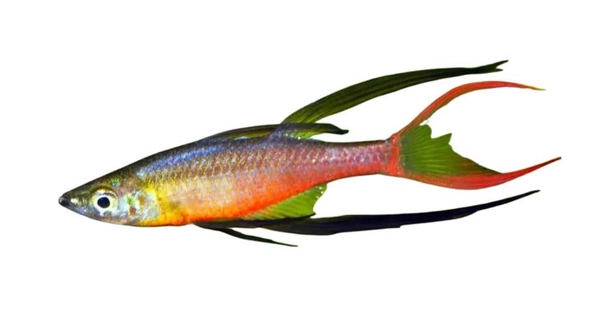
Are your fish acting strangely or showing unusual habits in their tank? Overcrowding is a common issue that can impact aquatic life. Even minor changes in tank population can lead to visible behavioral shifts among fish.
Overcrowded tanks can trigger stress-induced behaviors in fish, including increased aggression, erratic swimming, and reduced feeding. These responses are direct consequences of limited space, competition for resources, and heightened social tension, affecting overall fish health and well-being.
Understanding these odd behaviors is crucial for maintaining a healthy aquarium. Recognizing the signs early can prevent long-term stress and improve your tank’s environment.
Increased Aggression Among Tank Mates
When a tank becomes overcrowded, fish often show heightened aggression toward one another. Territorial species may chase or nip at other fish more frequently. Even species that are normally peaceful can develop hostile behaviors when space is limited. Competition for food intensifies, leading to dominance struggles that can leave weaker fish stressed or injured. Physical signs of aggression, such as torn fins or visible bite marks, become common. Overcrowding also reduces hiding spaces, making it difficult for fish to escape confrontations. This constant stress impacts immune systems, making fish more prone to disease. Careful monitoring of fish interactions is necessary to prevent injuries. Adjusting the number of fish in the tank or adding partitions can help reduce conflicts. Providing additional hiding spots and structured environments can mitigate aggressive encounters and allow fish to feel safer in shared spaces. Over time, these changes can improve overall behavior and reduce constant tension among tank inhabitants.
Aggressive behaviors in crowded tanks can be subtle at first but quickly escalate if unaddressed.
Maintaining adequate space and environmental enrichment is essential. Overcrowding increases stress, leading to both visible aggression and long-term health issues. Fish need room to swim freely, explore, and establish territories without constant interference. Tank decorations, plants, and hiding spots can reduce encounters and provide relief for stressed individuals. Observing fish behavior daily helps detect aggression early, allowing timely intervention. Limiting the number of fish per tank prevents overcrowding and ensures that all individuals have access to food and oxygen. Structured feeding schedules can also minimize competition and reduce stress-induced fights. A balanced environment not only promotes physical health but also fosters natural behaviors, ensuring fish display normal activity patterns rather than heightened aggression. Recognizing early warning signs and taking preventive measures keeps your aquarium harmonious and supports the long-term well-being of every fish in the tank.
Erratic Swimming Patterns
Erratic swimming is often one of the first signs of stress in an overcrowded tank. Fish may dart, circle, or crash against tank walls more frequently.
Crowded conditions can overwhelm fish, causing disorientation and panic responses. Limited space disrupts normal swimming routines, leading to repeated collisions and exhaustion. Constantly being jostled by other fish can interfere with breathing and feeding patterns, further increasing stress. Water quality may also deteriorate faster in a crowded tank, compounding erratic behavior. Ample swimming space and proper tank organization help restore calm movement and reduce repetitive stress responses.
Overcrowding can severely disrupt normal swimming behavior. Fish require both physical space and mental comfort to move naturally. When too many fish share the same environment, they lose the ability to swim freely, often bumping into each other or walls. This results in constant agitation, erratic movement, and visible exhaustion. Such behaviors also make fish more vulnerable to infections and parasites because stress weakens immunity. Maintaining clean water, adding decorations that create pathways, and reducing fish numbers are crucial for restoring stability. Careful observation and timely intervention can prevent long-term physical and psychological issues, keeping fish healthy and active while encouraging natural swimming patterns.
Loss of Appetite
Overcrowding can cause fish to eat less or ignore food entirely. Stress and constant competition make it difficult for them to feed properly, which can lead to malnutrition and weakened immunity.
When a tank is too crowded, fish struggle to access food. Dominant individuals may consume the majority, leaving smaller or less aggressive fish with insufficient nutrition. Stress from constant interaction and lack of personal space can also suppress appetite. Over time, this reduces energy levels and affects overall health. Malnourished fish are more susceptible to illness, and their growth may slow. Providing proper feeding strategies and ensuring each fish has space can help restore regular eating habits.
Food should be offered in small, distributed portions to ensure all fish can eat. Overcrowding makes it easy for certain fish to dominate feeding areas, leaving others hungry. Observing which fish eat and which avoid food is key. Adjusting feeding methods, such as spreading food across multiple areas or using specialized feeders, can reduce competition and stress. Maintaining proper population density ensures all fish have fair access to nutrition, supporting healthy growth, activity, and immunity.
Hiding and Avoidance
Overcrowded fish often hide more than usual. They seek shelter to escape constant contact or aggression from tank mates, affecting their normal activity levels.
Fish may retreat into plants, decorations, or corners to avoid interactions in a packed tank. Stress from limited space causes them to spend more time out of sight, reducing swimming and social behaviors. Constant hiding can also prevent them from eating properly and interacting naturally with their environment. Over time, this avoidance impacts their health, leading to weaker immune systems and slower growth. Creating more hiding spots and maintaining appropriate stocking levels can reduce stress, encouraging fish to return to normal routines.
Providing multiple shelters and visual barriers allows fish to feel safe without being completely isolated. Overcrowding increases the need for personal space, so more hiding areas reduce constant stress and aggressive encounters. Observing which fish hide most often helps identify individuals struggling with stress. By balancing tank population, adding plants, or creating structured environments, fish can regain confidence and resume normal behaviors. Proper tank management ensures both shy and active fish thrive, promoting healthier, more natural interactions.
Erratic Breathing
Fish in overcrowded tanks often show rapid or labored breathing. Limited space and competition for oxygen can stress them, making normal gill movement difficult.
Poor water circulation and low oxygen levels intensify breathing problems. Overcrowded conditions force fish to compete for oxygen-rich areas, increasing stress and reducing overall health.
Color Fading
Stress from overcrowding can cause fish to lose their vibrant colors. Dull or faded hues are a visible sign of discomfort and poor well-being.
Maintaining proper stocking levels and clean water helps fish regain natural coloration. Stress reduction and adequate space support overall health, allowing pigments to return over time.
Restlessness
Fish may swim continuously without settling, showing signs of anxiety in crowded conditions. Constant movement indicates discomfort and stress, affecting their normal routines.
How do I know if my tank is overcrowded?
Overcrowding is often visible through fish behavior and tank conditions. Signs include frequent chasing, aggression, constant hiding, erratic swimming, and reduced appetite. Water quality may deteriorate faster, showing cloudy water or unusual odors. Monitoring the number of fish in relation to tank size is crucial. Each species has specific space requirements, so understanding these needs helps determine if the population is excessive. A general guideline is one inch of fish per gallon of water, though this varies by species, swimming habits, and territorial behavior. Observing daily activity and interactions provides clear insight into overcrowding stress.
What immediate steps can I take if my tank is overcrowded?
First, assess the tank’s population and compare it to recommended stocking levels. Removing some fish or relocating them to another tank is the most direct solution. Next, improve hiding spaces using plants or decorations to reduce stress. Ensure proper filtration and maintain clean water to counter increased waste. Feeding smaller portions spread across the tank prevents dominant fish from consuming all food. Aeration may be necessary to maintain oxygen levels, especially in tanks with high fish density. Gradual adjustments help fish adapt without causing further stress. Tracking behavior after changes ensures improvements are effective.
Can overcrowding affect fish health long-term?
Yes, prolonged overcrowding has serious consequences. Constant stress weakens immune systems, making fish prone to infections, parasites, and disease. Aggression can result in injuries and fin damage. Malnutrition may occur when dominant fish monopolize food. Stress also impacts reproductive behavior, sometimes preventing breeding altogether. Overcrowding accelerates waste accumulation, reducing water quality and increasing exposure to toxins like ammonia and nitrites. Long-term overcrowding can stunt growth and shorten lifespan. Providing adequate space, proper filtration, and enrichment is essential to prevent chronic stress and maintain healthy fish populations. Observing early warning signs helps address problems before lasting damage occurs.
How can I prevent overcrowding in the first place?
Plan your tank population carefully before adding new fish. Research species’ adult sizes, territorial needs, and social behavior. Avoid impulse purchases that exceed the tank’s capacity. Regularly monitor growth and behavior to anticipate future space needs. Maintain multiple tanks if necessary to distribute populations safely. Ensure filtration and aeration systems match the planned population. Periodic water testing and maintenance help detect early stress indicators. Providing adequate hiding spaces and enrichment allows fish to interact naturally without conflict. Prevention is always easier than correcting overcrowding once it occurs.
Does tank size really matter for fish behavior?
Tank size directly affects how fish interact and thrive. Smaller tanks limit swimming space, increase competition, and intensify stress responses. Larger tanks allow fish to establish territories, explore freely, and avoid constant confrontations. Even species considered peaceful can become aggressive in confined conditions. Stocking density should match both adult size and natural behavior of the species. Properly sized tanks also support better water quality, reduce oxygen fluctuations, and minimize waste accumulation. Choosing the right tank size is the simplest way to prevent behavioral and health issues associated with overcrowding.
What role does enrichment play in managing overcrowding?
Enrichment reduces stress and encourages natural behavior, even in slightly crowded tanks. Decorations, plants, caves, and visual barriers create hiding spots and territories. Structured environments give fish choice over where to swim or retreat. Enrichment disperses activity, reducing constant competition for space and food. Properly designed tanks allow fish to rest, explore, and interact without constant conflict. Over time, enrichment improves overall health, reduces aggression, and helps restore natural swimming and feeding patterns. This strategy complements proper stocking and water management, making the tank a calmer and healthier environment for all fish.
Can overcrowding be fixed without removing fish?
Minor overcrowding can sometimes be mitigated without relocating fish. Increasing hiding spots, rearranging decorations, and improving filtration and aeration can help. Splitting feeding across multiple locations prevents competition. However, severe overcrowding usually requires reducing the number of fish. Ignoring extreme overcrowding risks stress, illness, and injuries. Even with environmental adjustments, removing some fish ensures long-term well-being and balanced behavior within the tank.
How often should I monitor overcrowded tanks?
Daily observation is essential. Watch for changes in behavior, feeding, and swimming patterns. Check water quality parameters like ammonia, nitrites, nitrates, and oxygen levels frequently. Consistent monitoring allows early detection of stress, aggression, or illness. Prompt action can prevent serious health issues and restore a balanced environment. Keeping records of behavior and water conditions helps track trends over time and ensures overcrowding does not worsen unnoticed.
Overcrowding in aquariums can have a significant impact on fish behavior and overall health. Fish in crowded tanks often display unusual or stressed behaviors, including aggression, hiding, erratic swimming, and reduced appetite. These behaviors are not random; they are direct responses to stress, competition, and limited space. Maintaining the right number of fish for your tank size is essential. Even small adjustments in population can make a noticeable difference in the way fish interact with each other and respond to their environment. Proper tank management ensures that all fish have adequate space to swim, feed, and rest, reducing stress-related behaviors. Paying attention to these details is not just about aesthetics; it directly influences the health and lifespan of your aquatic pets.
Monitoring your tank regularly is an important part of preventing overcrowding issues. Observing fish behavior helps detect early signs of stress before they escalate into more serious problems. Water quality should also be checked consistently, as overcrowded tanks can quickly accumulate waste, leading to elevated ammonia and nitrite levels that are harmful to fish. Providing sufficient hiding spots and environmental enrichment can reduce tension and give fish a sense of security. Structured feeding practices and careful attention to tank population help ensure that all fish receive proper nutrition. By combining these measures, it is possible to maintain a balanced aquarium where fish can thrive. Overcrowding is often avoidable with careful planning and observation, making it easier to prevent negative impacts before they become severe.
Creating a healthy aquarium environment requires consistent effort and attention. Addressing overcrowding early improves not only behavior but also overall fish health and growth. Fish that have enough space to swim, hide, and feed properly are less stressed and more active, displaying natural behaviors that contribute to a harmonious tank. Overcrowding can lead to long-term consequences if ignored, including illness, stunted growth, and shortened lifespans. Prioritizing tank size, stocking levels, and enrichment helps maintain stability and encourages natural interactions among fish. Understanding and responding to the signs of overcrowding ensures that your fish remain healthy and content, while also making your aquarium a more enjoyable and visually appealing environment. By implementing these practices, it is possible to prevent stress, support healthy growth, and create a tank where all fish can flourish.

Hello,
If you enjoy the content that we create, please consider saying a "Thank You!" by leaving a tip.
Every little bit helps us continue crafting quality advice that supports the health, happiness, and well-being of pets around the world, for pets of all shapes, sizes, and species.
We really appreciate the kindness and support that you show us!