
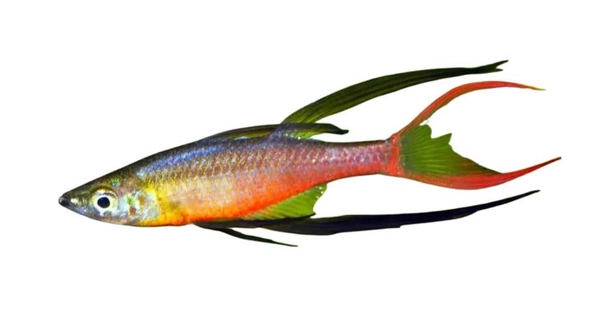
Threadfins are graceful fish often admired for their elegance and swift movements. Observing their behavior closely can reveal subtle changes as they approach reproductive maturity. These signs are important for both breeders and hobbyists to recognize early.
Threadfins exhibit breeding readiness through physical and behavioral indicators, including increased color intensity, enlarged fins, territorial displays, heightened activity, pairing behaviors, changes in appetite, and the presence of spawning sites or nests. Monitoring these signs ensures proper breeding management and timing.
Recognizing these patterns will help you provide optimal care and create the right conditions for successful breeding of your threadfins.
Increased Color Intensity
When threadfins are ready to breed, one of the first noticeable changes is in their coloration. Males often display brighter, more vibrant hues, while females may show subtle, yet distinct shifts in tone. These color changes serve as signals to potential mates and indicate that the fish are in prime reproductive condition. Observing your threadfins daily can help you spot these shifts early. Lighting in the tank can affect how pronounced these colors appear, so maintaining consistent light cycles is beneficial. Changes may occur gradually over several days, so patience is necessary when tracking progress. Color intensity can also reflect the overall health of the fish. Providing a balanced diet rich in nutrients, such as high-quality flakes, live or frozen foods, and occasional supplements, supports these visual cues. Keeping stress levels low and maintaining optimal water conditions further encourages natural color expression, ensuring your threadfins are both healthy and ready to breed.
Color changes are subtle but reliable indicators that your threadfins are entering breeding readiness, especially when combined with other behavioral signs.
Monitoring these color shifts alongside fin display, feeding patterns, and interactions with other fish allows for better timing when preparing for breeding. Documenting daily observations helps identify trends and ensures that you can adjust tank conditions or diet as needed. Proper tank maintenance, including water quality and temperature stability, supports these changes and encourages natural behavior. Recognizing these visual cues early reduces stress and enhances the likelihood of successful spawning, giving both the fish and the caretaker a smoother breeding experience.
Enlarged Fins
Fin enlargement is a common physical sign of breeding readiness in threadfins. It indicates maturity and readiness to attract a mate.
During breeding periods, threadfins often expand their fins to display dominance and appeal. Males typically show more pronounced fin growth, spreading them wide during courtship or territorial displays. This behavior helps establish hierarchy within the tank and signals fitness to females. Fin enlargement is accompanied by increased activity levels, including chasing or circling other fish. Providing ample swimming space allows these behaviors to occur naturally without stress. Maintaining clean water and proper nutrition supports healthy fin growth, preventing damage that could interfere with breeding displays. Observing the fins daily allows you to detect early signs of readiness and prepare the tank for spawning. Avoid overcrowding, as it can reduce display behaviors and increase stress. Proper care ensures your threadfins develop these natural traits fully, creating an environment conducive to successful breeding.
Territorial Displays
Threadfins begin to establish and defend specific areas in the tank as breeding approaches. Males often patrol these spaces and may show aggressive behavior toward other males or intruders. These displays indicate readiness and help secure optimal spawning locations.
Territorial behavior becomes more pronounced as males mark and defend corners, plants, or open swimming areas. They may flare fins, swim rapidly, or make short chases to assert dominance. Females usually avoid these areas until the male has settled. Providing plenty of hiding spots and visual barriers reduces stress while allowing natural territorial behavior. Observing these interactions gives insight into which males are ready and capable of breeding. Overcrowding can suppress displays and hinder natural behaviors, so maintaining proper stocking levels is essential.
These behaviors often coincide with increased activity and feeding patterns. Males may chase females gently, nudging them toward their chosen territory, signaling readiness for courtship. Keeping water clean and temperature stable encourages consistent displays. Avoid moving decorations or rearranging the tank during this period, as it can disrupt established territories. Noting which fish are most active helps identify ideal breeding pairs and ensures natural reproduction occurs smoothly.
Heightened Activity
Threadfins exhibit increased swimming and exploration when preparing to breed. They move more frequently and interact more with tank elements.
Heightened activity is visible through constant movement around the tank, frequent fin displays, and chasing behavior. Males actively engage with females, encouraging interactions that lead to pairing. This activity helps them establish social hierarchies and strengthen physical condition for spawning. Providing an open layout with adequate swimming space supports these behaviors. Observing patterns in movement can help predict breeding readiness and plan for spawning management.
Active fish require consistent feeding to maintain energy. Offering varied nutrition, including live or frozen foods, ensures they stay healthy and energetic. Increased activity also reflects general well-being, as lethargic fish may indicate stress or poor water quality. Maintaining clean water, proper temperature, and sufficient oxygen levels allows natural behaviors to manifest fully. Tracking these patterns alongside territorial and fin display behaviors gives a complete picture of readiness, allowing timely preparation for successful breeding without unnecessary intervention.
Pairing Behaviors
Threadfins begin showing pairing behaviors as they prepare to breed. Males may swim alongside females, mirroring movements or nudging gently. These interactions indicate readiness and help establish strong bonds between potential breeding partners.
Observing these behaviors can help identify compatible pairs. Pairs often swim together in synchronized patterns, occasionally pausing near favored tank spots. These behaviors suggest mutual readiness and increase the chances of successful spawning.
Changes in Appetite
Appetite fluctuations are common as threadfins approach breeding. Some may eat more actively, while others reduce intake temporarily. Monitoring feeding patterns can provide early clues about reproductive readiness. Adequate nutrition supports energy demands for courtship and spawning, making balanced feeding essential during this period.
Presence of Spawning Sites
Threadfins often select or create specific areas for laying eggs. They may hover near plants, rocks, or tank corners. Observing chosen spots helps predict where spawning will occur and allows for proper tank adjustments to support reproduction.
FAQ
How can I tell if my threadfins are male or female?
Males often have brighter colors and more pronounced fins than females. They tend to display more active territorial and pairing behaviors. Females are usually slightly smaller and less vivid in coloration. Observing interactions in the tank, such as chasing, fin displays, and courtship, helps distinguish males from females over time.
What is the best tank setup for breeding threadfins?
A spacious tank with open swimming areas, hiding spots, and visual barriers works best. Plants, rocks, and corners provide females with refuge and males with territories. Consistent water conditions, proper filtration, and stable temperature are crucial for encouraging natural behaviors. Avoid overcrowding to reduce stress and support breeding readiness.
How often should I feed threadfins during breeding readiness?
Feed multiple times a day in small portions. Provide a mix of high-quality flakes, pellets, live, or frozen foods. Adequate nutrition supports energy levels for courtship, territorial displays, and spawning activities. Avoid overfeeding, as leftover food can affect water quality and stress the fish.
What are signs that spawning has begun?
Look for paired fish hovering near specific spots, males fanning fins, and females laying eggs on plants or surfaces. Increased activity, territorial guarding, and synchronized swimming between males and females are strong indicators that spawning is underway.
How can I care for eggs and fry?
Remove eggs carefully if necessary or provide gentle filtration to prevent damage. Maintain stable water conditions and avoid sudden changes in temperature or light. Feed fry with finely crushed flakes, infusoria, or specialized fry foods. Frequent water changes support healthy growth without stressing adults or young fish.
Can multiple pairs breed in the same tank?
Yes, but ensure enough space, hiding spots, and territories to reduce aggression. Monitor interactions closely, as overcrowding or strong competition can result in stress, injury, or egg loss. Providing separate areas helps multiple pairs reproduce successfully without interference.
How long does it take for threadfins to reach breeding readiness?
It varies by species, age, and environment. Most threadfins reach reproductive maturity within several months under optimal conditions. Maintaining consistent temperature, high-quality nutrition, and a low-stress environment encourages timely development and natural breeding behaviors.
What are common mistakes to avoid during breeding?
Overcrowding, poor water quality, sudden changes in temperature or lighting, and insufficient nutrition can all hinder breeding. Disturbing fish during courtship or spawning can cause stress and egg loss. Observing behaviors quietly and maintaining a stable tank ensures the best chances for successful reproduction.
Is it necessary to separate males and females before breeding?
Not always, but separating pairs can reduce aggression in crowded tanks and allow controlled breeding. If space is limited, ensure sufficient hiding spots and visual barriers to minimize conflict and stress while encouraging natural pairing behaviors.
How do I support natural behavior without interference?
Provide proper tank conditions, nutrition, and space. Observe quietly and avoid moving decorations or handling fish unnecessarily. Creating a stable, low-stress environment encourages courtship, territorial displays, and spawning without human interference, leading to healthier fish and higher breeding success.
Can threadfins breed year-round?
Many species can breed multiple times a year if conditions remain stable. Temperature, water quality, and consistent lighting play key roles in triggering reproductive cycles. Observing natural behaviors and supporting environmental stability allows threadfins to reproduce successfully throughout the year.
How do I manage aggression between males?
Provide ample territories and visual barriers to reduce conflicts. Monitor closely and separate overly aggressive individuals if needed. Ensuring enough space for natural hierarchy development and minimizing stress through proper tank setup helps maintain peace while supporting breeding behaviors.
What should I do if eggs are not hatching?
Check water conditions, temperature, and cleanliness. Some eggs may be infertile or damaged during spawning. Maintaining optimal conditions and reducing stress increases hatching success. Consider removing adults from the breeding area if they pose a risk to the eggs.
How long do threadfin eggs take to hatch?
Hatching time depends on species and water temperature but generally ranges from a few days to a week. Maintaining consistent temperature and clean water during this period improves survival rates. Monitor closely without disturbing eggs to ensure successful hatching.
How can I encourage repeated breeding cycles?
Maintain consistent feeding, water quality, and temperature. Providing ample space, hiding spots, and visual barriers allows fish to recover between cycles. Observing behaviors and ensuring low stress encourages threadfins to engage in multiple breeding events throughout the season.
What should I feed breeding pairs for optimal health?
Offer a variety of nutrient-rich foods, including live, frozen, or high-quality commercial diets. Supplements like vitamins or protein-rich options support energy-intensive behaviors such as chasing, pairing, and egg production. Balanced nutrition contributes to successful spawning and healthy offspring.
How do I prevent egg predation in a community tank?
Provide dense plants or spawning mops for hiding eggs. Monitor interactions and consider temporary separation of adults if necessary. Careful observation and preparation reduce egg loss and improve survival rates for fry.
What are subtle signs of female readiness?
Females may become slightly fuller in body shape and show less vivid coloration than males. They often hover near chosen spawning sites and respond to male displays with synchronized swimming. Observing these subtle behaviors helps predict readiness for spawning and pairing.
How can I track breeding progress effectively?
Document daily observations, noting behaviors, color changes, and fin displays. Monitoring water conditions, feeding patterns, and territory establishment provides insight into timing and readiness. Keeping a simple log ensures timely intervention and better management of breeding cycles.
Is it normal for males to become aggressive during breeding?
Yes, aggression is a natural part of establishing territory and attracting mates. Ensuring enough space, hiding spots, and visual barriers reduces injury risk while allowing natural courtship behaviors to occur safely.
Final Thoughts
Breeding threadfins is a process that requires patience, observation, and proper care. These fish display a variety of subtle and noticeable signs as they approach reproductive readiness. From color changes to fin enlargement, territorial displays, and heightened activity, each indicator plays a role in signaling readiness. Understanding these behaviors is essential for creating an environment that supports natural breeding. Observing your fish closely over time allows you to recognize patterns and prepare for spawning without unnecessary interference. Maintaining consistent water conditions, providing adequate space, and ensuring proper nutrition all contribute to a healthy breeding environment. By paying attention to these factors, you can support your threadfins’ natural behaviors and increase the likelihood of successful reproduction.
It is important to remember that not every threadfin will display every sign in the same way. Variations in behavior and physical appearance are normal and can depend on age, health, or environmental conditions. Some fish may show subtle indicators, such as slight changes in appetite or pairing behaviors, while others may be more obvious with vibrant coloration and pronounced fin displays. Observing multiple signs together provides a clearer picture of breeding readiness. Creating a tank setup that accommodates natural behaviors, including hiding spots, open swimming areas, and spawning sites, encourages fish to interact naturally and reduces stress. Balanced nutrition also supports energy-intensive behaviors, including courtship and territorial displays. Consistency in care, along with careful observation, allows breeders to respond appropriately to the fish’s needs while promoting reproductive success.
Successful breeding of threadfins depends on understanding the combination of physical, behavioral, and environmental cues. Providing stable water conditions, sufficient space, and visual barriers helps manage aggression and supports natural courtship interactions. Monitoring daily behaviors, such as fin displays, chasing, or hovering near chosen spawning sites, enables timely preparation for spawning and care of eggs or fry. Avoiding sudden changes in tank conditions, handling, or overcrowding reduces stress and improves overall reproductive outcomes. By approaching breeding with careful observation, patience, and attention to the fish’s needs, it is possible to create an environment that encourages natural behavior, healthy offspring, and long-term well-being for your threadfins. With consistent care and awareness, breeding becomes a manageable and rewarding part of maintaining these elegant fish.

Hello,
If you enjoy the content that we create, please consider saying a "Thank You!" by leaving a tip.
Every little bit helps us continue crafting quality advice that supports the health, happiness, and well-being of pets around the world, for pets of all shapes, sizes, and species.
We really appreciate the kindness and support that you show us!