
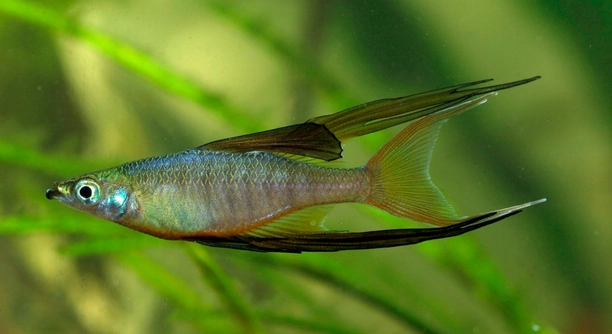
Have you ever noticed your threadfins hovering strangely in the corners of your aquarium, holding an upright position instead of swimming freely around?
Threadfins might hover vertically in corners due to stress, poor water conditions, or social hierarchy issues. This behavior often reflects discomfort or environmental imbalance, prompting them to seek refuge in confined areas for safety and stability.
Recognizing these subtle signs can help you create a calmer, more balanced environment where your threadfins can thrive naturally and confidently.
Understanding Why Threadfins Hover Vertically
Threadfins may hover vertically in corners for several reasons related to their comfort and environment. Stress is one of the most common triggers. Sudden movements, loud noises, or frequent changes in lighting can make them feel unsafe. Poor water quality, including high ammonia or nitrate levels, can also cause distress and unusual behavior. Sometimes, threadfins hover when they are trying to avoid more dominant tankmates or if they are unwell. Even strong water currents can push them into calmer corners. Observing when and how often they do this can give clues about the source of their discomfort, helping you take the right steps to improve their well-being and tank conditions so they feel secure again.
Regular maintenance is key. Clean water, stable temperature, and minimal disturbances can make a big difference in your threadfins’ comfort and behavior inside the aquarium.
It’s also important to monitor how other fish interact with them. Threadfins are gentle and can become anxious if kept with aggressive or overly active tankmates. Ensuring they have plenty of space and soft plants to hide in helps them feel safer. Over time, with patience and consistent care, you’ll likely see their confidence return and their natural swimming patterns resume.
How to Help Your Threadfins Feel Comfortable
When threadfins start hovering vertically, the first step is to test the water quality. Check for high ammonia, nitrite, or nitrate levels, as these can irritate their gills and cause stress.
Once water conditions are balanced, focus on creating a calm environment. Keep the lighting soft and avoid loud noises or constant movement around the tank. Add plants or gentle decorations to give them shaded areas where they can retreat without feeling trapped. Make sure the water flow from filters isn’t too strong—threadfins prefer gentle currents that allow them to swim comfortably. Feed them a balanced diet of quality flakes or small live foods to keep their energy steady. Consistency in care is vital; sudden changes in temperature or tank setup can unsettle them easily. Over time, as their environment stabilizes, their vertical hovering should lessen, and they’ll begin exploring more freely, showing off their delicate fins in a calm, graceful way once again.
Common Environmental Triggers
Threadfins often react to even the smallest changes in their surroundings. Poor water quality, sudden light shifts, and overcrowding can easily unsettle them. These fish depend on consistency, and unstable tank conditions can quickly lead to vertical hovering or corner-hiding behavior.
Temperature fluctuations can also cause discomfort. Threadfins thrive in warm, stable water, and even a small drop can affect their activity levels. Inconsistent lighting cycles may also interfere with their natural rhythms. Additionally, excessive noise or vibrations around the aquarium can make them feel threatened, leading them to seek safety in corners. Keeping an eye on these subtle triggers helps you understand what might be stressing them. With regular monitoring and minor adjustments, you can gradually restore a balanced, calm space that supports their natural swimming behavior and reduces the need for them to hover vertically.
Providing them with a stable habitat can prevent stress from recurring. Maintaining steady water parameters, gentle lighting, and proper filtration keeps them comfortable. Use a thermometer and test kit to ensure consistency. Limit sudden tank rearrangements or loud external disturbances. Even minor efforts like adjusting room lighting and avoiding tapping on the glass can make a big difference in their comfort and sense of safety.
Behavioral Signs to Watch For
When threadfins begin acting differently, their behavior often signals discomfort or imbalance. Hovering vertically, hiding for long periods, or refusing food are signs that something isn’t right in their environment or health.
Observing daily patterns helps identify problems early. If your threadfins stop interacting or show duller coloration, stress may be building up. Flaring fins, twitching, or constant corner-hiding can indicate territorial issues or poor water quality. Check for aggression from other fish or low oxygen levels, which can make them sluggish. Note any changes in breathing speed or positioning, as these offer useful clues about their well-being. By paying attention to such behaviors and acting quickly, you can prevent more serious health issues and help your threadfins regain their peaceful, graceful swimming habits in no time.
Adjusting Tank Conditions
Start by checking the basics—temperature, pH, and ammonia levels. Threadfins prefer stable, clean water with a gentle flow. Use a reliable heater and filter to keep conditions balanced, and avoid frequent changes that might shock or confuse them.
Keep lighting soft and consistent. Bright or flickering lights can cause stress and make them retreat into corners. Add floating plants or shaded spots to provide comfort. Regular partial water changes, about once a week, help maintain quality and reduce toxins that contribute to their vertical hovering behavior.
Supporting Healthy Behavior
Creating a peaceful setup helps threadfins feel secure. Use plants, smooth decorations, and open swimming space to prevent crowding. Choose calm tankmates that match their gentle temperament, and avoid fin-nippers or aggressive species. Feed them at consistent times to build routine and reduce anxiety linked to feeding competition or stress.
When to Be Concerned
If vertical hovering continues despite good conditions, it might indicate illness. Watch for clamped fins, pale coloring, or labored breathing. These signs could point to infection or internal stress requiring closer attention and, if needed, professional care.
FAQ
Why do my threadfins suddenly start hovering vertically after a water change?
Sudden hovering after a water change is often caused by temperature shock or chemical imbalance. If the new water is colder or warmer than the tank, threadfins can react with stress. Always match the temperature before adding fresh water. Chlorine or heavy metals in untreated tap water can also disturb them. Use a water conditioner to remove harmful chemicals and let the new water sit for a few minutes before pouring it in. Gentle pouring helps avoid strong currents that might push them into corners or cause disorientation.
Can poor diet cause vertical hovering?
Yes, poor nutrition can affect a threadfin’s energy and stability. If their diet lacks essential nutrients, they may become weak or sluggish, leading to strange swimming patterns. Offer a mix of high-quality flakes, small live foods like daphnia or brine shrimp, and frozen options to maintain variety. Avoid overfeeding since leftover food spoils quickly and harms water quality. A balanced diet supports strong fins and steady movement, reducing the chance of hovering or corner-hiding. Consistency in feeding times also helps keep them relaxed and confident.
Is it normal for threadfins to stay near the surface or corners all the time?
Threadfins may occasionally stay near the surface or corners, especially if they feel threatened or are resting. However, constant corner-hiding usually means discomfort. It could be due to water flow that’s too strong or tankmates causing stress. Observe their positioning throughout the day—short periods of stillness are fine, but long, vertical hovering should not be ignored. Adjusting the filter flow and providing shaded areas often helps them feel secure and encourages natural swimming.
How can I tell if other fish are stressing my threadfins?
Watch how they interact during feeding and swimming. If your threadfins retreat when certain fish approach, or if you see fin-nipping, chasing, or crowding, that’s a clear sign of tension. Threadfins are peaceful and do best with gentle species like tetras, rasboras, or other small schooling fish. Avoid mixing them with aggressive or fast swimmers. Rearranging decorations can break territorial patterns, giving threadfins more space to explore comfortably.
Do lighting conditions affect threadfin behavior?
Yes, lighting has a strong influence on their mood and movement. Harsh, bright lights can stress threadfins, making them retreat to dim corners. Soft, even lighting mimics their natural habitat and keeps them calm. Using a timer helps maintain a steady day-night rhythm, preventing confusion and reducing stress-related hovering. Adding floating plants can help diffuse strong light and create shaded zones where they can rest without feeling exposed.
Why does my threadfin look pale when hovering vertically?
Pale coloring usually signals stress, poor water quality, or illness. When threadfins feel uneasy, they often lose their vibrant hues. Check ammonia and nitrate levels immediately, as toxins can cause both stress and fading. If water quality is fine, consider diet or social stress as possible factors. Improving tank stability, ensuring gentle tankmates, and providing a balanced diet often restore their natural colors.
Can vertical hovering indicate illness?
Yes, illness is sometimes the cause. Internal parasites, bacterial infections, or swim bladder issues can lead to vertical hovering. If the fish struggles to balance, breathes heavily, or refuses food, isolation may be necessary. Quarantine the affected threadfin in a clean, calm tank while monitoring its behavior closely. Use aquarium salt or mild treatments recommended for freshwater fish if symptoms persist. Always research the correct dosage before using any medication.
How long does it take for threadfins to stop hovering after fixing the issue?
It depends on the cause. If poor water quality was the problem, they might improve within a day or two after correction. Stress from tankmates or lighting changes can take longer—sometimes a week or more. Patience is important, as threadfins need time to regain trust in their environment. Keep their surroundings stable and avoid sudden changes during recovery. Gradually, you’ll see them swimming more freely and displaying their graceful movements again.
Is it safe to rearrange the tank to help my threadfins feel secure?
Yes, but do it carefully. Rearranging can help reduce territorial behavior from other fish and give threadfins new areas to explore. Move plants or decorations slowly to avoid startling them. Always make sure the filter and heater stay undisturbed. Minor changes, done calmly, can refresh their environment and help reduce stress-related hovering.
Should I isolate a threadfin that keeps hovering vertically?
Isolation can be helpful if the behavior seems linked to illness or aggression from others. Use a separate, small tank with clean water and gentle aeration. Keep lighting low and avoid crowding. Observe the fish for improvement. If the hovering stops, you’ll know stress or bullying was likely the cause. Reintroduce it gradually once it appears active and healthy again, ensuring the main tank conditions are stable and peaceful before doing so.
Final Thoughts
Threadfins are peaceful and delicate fish that often reflect the quality of care they receive. When they hover vertically in corners, it usually means something in their environment feels off or unsafe. This behavior is not random—it’s a way of expressing discomfort or stress. Many aquarium keepers notice this pattern after changes in water conditions, lighting, or tankmates. The good news is that threadfins are sensitive but resilient creatures. Once their surroundings become balanced again, they quickly return to swimming gracefully across the tank. Understanding their signals helps create a stable, comfortable space where they can thrive. Paying attention to their habits not only improves their health but also builds a quiet connection between you and your fish.
Caring for threadfins requires patience and consistency. They respond best to calm environments with clean water, steady temperature, and gentle lighting. Small details, like the flow of the filter or the arrangement of plants, can make a big difference in how they behave. When they feel secure, their colors deepen, and their movements become smooth and natural. It’s important to remember that threadfins don’t adapt well to constant changes, so stability is key. Simple routines such as weekly water changes, checking pH levels, and monitoring how they interact with other fish can prevent many issues before they start. With time, you’ll notice patterns in their behavior that tell you when they’re content or uneasy.
In the end, threadfins hovering vertically in corners is often a small clue that something needs adjusting rather than a sign of something serious. By learning to interpret their behavior, you can provide better care and avoid unnecessary stress for them. Observing them closely not only keeps them healthy but also deepens your understanding of aquatic life. Every fish has its own rhythm, and once that rhythm is supported by the right environment, your threadfins will flourish. Their graceful movements and shimmering fins will once again become the centerpiece of your aquarium. Creating this balance is not complicated—it simply takes care, attention, and a steady hand. With those, you’ll ensure your threadfins live peacefully, showing their natural beauty in a calm and harmonious tank.

Hello,
If you enjoy the content that we create, please consider saying a "Thank You!" by leaving a tip.
Every little bit helps us continue crafting quality advice that supports the health, happiness, and well-being of pets around the world, for pets of all shapes, sizes, and species.
We really appreciate the kindness and support that you show us!