
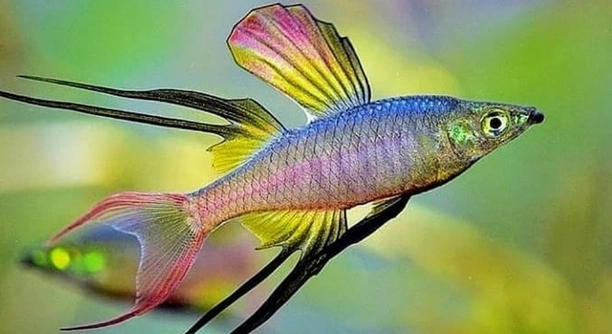
Threadfin are delicate fish that require careful attention during breeding. Ensuring the right environment, diet, and water conditions can make a significant difference in the survival and growth of the fry. Breeding them successfully takes patience and care.
Successful threadfin breeding depends on monitoring water temperature, salinity, and pH levels, providing optimal nutrition, observing mating behaviors, preventing disease, maintaining proper tank hygiene, and selecting healthy broodstock to ensure high-quality offspring and sustainable breeding practices.
Following these key points will help maintain healthy fish populations and improve your breeding success for threadfin in any controlled environment.
Water Quality Management
Maintaining stable water conditions is essential for threadfin breeding. Temperature, salinity, and pH must remain consistent, as fluctuations can stress both adults and fry. Filtration systems should be checked regularly to remove debris and harmful substances. Partial water changes help maintain oxygen levels and reduce ammonia buildup. Monitoring these parameters daily ensures the fish remain healthy and ready for spawning. Even small imbalances can affect egg viability and fry survival. Lighting schedules should mimic natural cycles to support reproductive behavior. Avoid sudden changes in the tank, as threadfin are sensitive to stress. Proper aeration and circulation prevent stagnation and support the growth of healthy larvae. Observing the fish’s behavior is a good indicator of water quality. If adults appear lethargic or fry fail to thrive, testing and adjusting water parameters immediately is crucial. Consistent water quality forms the foundation of a successful breeding setup.
Water clarity and oxygen levels directly affect fry survival and adult health.
Careful monitoring of water parameters prevents disease outbreaks, supports growth, and encourages natural spawning behavior, leading to more viable offspring in a controlled environment.
Nutrition and Feeding
Providing a balanced diet is key for breeding threadfin.
A diet rich in protein and essential nutrients supports reproductive health. Live or frozen foods such as brine shrimp, worms, and high-quality pellets promote egg development. Feeding smaller, frequent portions reduces waste and maintains water quality. Vitamins and supplements can enhance fertility and fry vitality. Avoid overfeeding, which can cause digestive issues and deteriorate water conditions, making breeding difficult. Observe feeding habits to ensure all fish receive adequate nutrition. Adjust diets as broodstock age or show changes in activity to meet evolving needs. Proper nutrition strengthens immune systems, increasing resistance to disease during breeding. Maintaining a feeding routine ensures adults are prepared for spawning events and can produce robust eggs. Special attention to diet during pre-spawning periods can significantly improve the quantity and quality of eggs, leading to higher survival rates for fry.
Consistent feeding schedules improve overall health and breeding success.
A carefully managed diet not only nourishes adults but also influences fry growth, immunity, and long-term survival, making nutrition a cornerstone of successful threadfin breeding.
Selecting Healthy Broodstock
Choosing strong, disease-free adults is critical for successful breeding. Look for active, well-fed fish with clear eyes, intact fins, and vibrant coloration. Avoid any showing signs of illness or deformities.
Healthy broodstock ensure high-quality eggs and improve fry survival. Selecting adults that have previously spawned successfully can increase breeding efficiency. Observe interactions among potential pairs to ensure compatibility, as aggressive behavior can harm one another and reduce reproductive success. Genetic diversity is also important to prevent inbreeding, which can weaken fry over generations. Maintain broodstock in optimal conditions with stable water parameters and proper nutrition to maximize reproductive potential and egg viability.
Tracking growth rates and overall condition helps determine readiness for spawning. By carefully evaluating broodstock health, you minimize risks of disease transfer and increase the chances of producing robust offspring. Regular health checks, quarantining new additions, and monitoring behavior are essential steps in maintaining a reliable breeding group that consistently produces high-quality eggs for threadfin propagation.
Monitoring Spawning Behavior
Observing mating behavior allows for timely intervention and optimal egg collection. Watch for courtship displays, pairing, and territorial actions.
Courtship often includes chasing, fin flaring, and body rubbing. Recognizing these behaviors helps predict when eggs will be laid, allowing for proper preparation of egg collectors or spawning substrates. Ensuring minimal stress during this period is crucial, as disturbances can halt spawning or cause adults to eat their eggs. Maintain stable water conditions, gentle lighting, and limited tank access to provide a calm environment. Recording behaviors over multiple cycles can identify patterns and improve timing for future breeding efforts.
During spawning, careful observation ensures fertilization success. Adjustments in tank setup, water flow, and substrate placement can enhance egg survival. Adults may require temporary separation after spawning to protect eggs from predation. Understanding these behavioral cues enables precise management of the breeding process, leading to higher hatch rates and healthier fry. By being attentive, you can intervene when necessary without disrupting natural reproductive activity.
Tank Hygiene
Regular cleaning prevents disease and supports healthy breeding. Remove uneaten food, waste, and debris daily to maintain water quality.
Filters should be checked and cleaned to ensure proper flow. Avoid harsh chemicals, as they can harm both adults and fry. Consistent hygiene reduces stress and improves reproductive success.
Disease Prevention
Quarantine new fish before introducing them to the breeding tank. Routine health checks help identify early signs of illness. Treat infections promptly to avoid spread. Maintaining stable water conditions and good nutrition further supports immunity and reduces outbreaks, ensuring the broodstock and fry remain healthy throughout the breeding cycle.
Fry Care
Separate fry from adults immediately after hatching. Feed appropriately sized live or powdered foods to support growth. Monitor water quality closely, as fry are highly sensitive to changes. Consistent care during early stages greatly increases survival rates and long-term health.
Observation and Record-Keeping
Track breeding cycles, egg counts, and fry growth. Detailed records help identify patterns and improve future breeding success.
FAQ
How do I know if my threadfin are ready to breed?
Threadfin readiness is often shown through increased activity and courtship behaviors. Males may display chasing, flaring fins, and rubbing against females. Females may appear fuller, especially in the abdominal area, indicating egg development. Regular observation helps detect these signs early, allowing proper preparation of the breeding tank. Ensuring optimal water parameters and consistent feeding enhances readiness and encourages natural spawning.
What water parameters are ideal for breeding threadfin?
Temperature should remain stable, typically between 26°C and 30°C. Salinity and pH levels must also be consistent, with minor fluctuations avoided. Dissolved oxygen should be high, and ammonia, nitrite, and nitrate levels kept minimal. Regular monitoring ensures conditions remain suitable for both adults and fry. Aeration and gentle circulation support egg and larval health without stressing the adults.
What should I feed broodstock before spawning?
High-protein diets are essential. Live foods like brine shrimp or worms, combined with high-quality pellets, promote reproductive health. Supplementing with vitamins strengthens fertility and supports fry development. Feeding smaller portions multiple times a day prevents water contamination while ensuring all adults receive adequate nutrition. Gradual diet adjustments before spawning improve egg quality.
How can I prevent adults from eating eggs?
Providing proper substrates or egg collectors helps protect eggs. Adults may need temporary separation after spawning, especially in tanks with limited hiding space. Minimal disturbance, stable water conditions, and calm lighting reduce stress, which lowers the chance of egg predation. Regular monitoring ensures eggs remain safe during early development stages.
How do I care for newly hatched fry?
Fry should be separated from adults immediately. They require tiny, frequent feedings of live or powdered foods suitable for their size. Maintaining water quality is critical, as fry are highly sensitive to changes. Gentle aeration and low water flow prevent harm. Consistent feeding, monitoring, and partial water changes support growth and survival.
How often should I clean the breeding tank?
Daily removal of uneaten food and waste is essential. Filters should be checked regularly to maintain proper water flow. Avoid using harsh chemicals that could harm adults or fry. Regular maintenance reduces stress, prevents disease, and ensures the breeding environment remains optimal for egg development and fry survival.
What signs indicate disease in broodstock or fry?
Lethargy, loss of appetite, faded coloration, or abnormal swimming patterns are common indicators. In fry, slowed growth or increased mortality can signal issues. Prompt action, including quarantine and treatment, helps prevent disease spread. Maintaining stable water quality and proper nutrition strengthens immunity and reduces outbreaks.
Can I breed threadfin in a small tank?
Smaller tanks are possible but require careful management. Overcrowding and poor water quality can stress adults and reduce spawning success. Frequent monitoring, water changes, and precise feeding are essential. Providing adequate hiding spaces and proper substrate also helps create a controlled environment that supports reproduction even in limited space.
How long does it take for eggs to hatch?
Hatching time depends on temperature and water conditions, typically ranging from 24 to 48 hours. Stable water parameters and gentle aeration improve survival rates. Observing eggs daily allows you to track development and take protective measures if needed. Proper timing ensures fry are handled safely immediately after hatching.
How do I track breeding success over time?
Keep records of spawning events, egg counts, hatching rates, and fry growth. Observing patterns in behavior and environmental conditions helps identify areas for improvement. Detailed logs assist in planning future breeding cycles and refining care practices, ultimately increasing efficiency and success in maintaining healthy threadfin populations.
What is the best way to prevent inbreeding?
Rotate broodstock and introduce new, healthy adults periodically. Avoid repeatedly breeding the same pairs, as genetic diversity is important for strong offspring. Tracking lineage and maintaining detailed records ensures healthy variation across generations, reducing risks of weakened immunity and poor fry viability.
How do I adjust feeding as fry grow?
Gradually increase food size and quantity as fry develop. Monitor growth closely to avoid underfeeding or overfeeding. Maintaining water quality during this period is crucial, as leftover food can degrade conditions. A structured feeding schedule ensures fry receive adequate nutrition for healthy growth and long-term survival.
Can stress affect spawning success?
Yes, stress from overcrowding, sudden water changes, or rough handling can halt spawning. Stable conditions, minimal disturbance, and gentle lighting reduce stress, allowing natural reproductive behaviors to occur. Observing fish for signs of stress helps intervene early and maintain successful breeding outcomes.
How do I know if eggs are fertile?
Fertile eggs are typically clear or slightly opaque with visible embryos. Infertile eggs may appear cloudy or shrink. Monitoring eggs daily helps identify viable ones and allows for timely removal of non-viable eggs to maintain water quality and increase hatch rates.
What should I do if fry are not growing well?
Check water quality, feeding practices, and possible disease. Adjust feeding frequency or food type to match fry size. Ensure proper separation from adults and provide gentle aeration. Addressing these factors early improves growth rates and reduces mortality, supporting a healthier, more robust fry population.
Final Thoughts
Breeding threadfin requires careful attention to several key factors. Consistent water quality, proper nutrition, and healthy broodstock form the foundation of successful reproduction. Monitoring temperature, salinity, and pH levels ensures the adults remain stress-free and the eggs develop properly. Regular tank maintenance, including removing waste and checking filters, helps maintain a stable environment. Even small changes in water conditions can impact egg viability and fry survival, so daily observation is important. By providing stable conditions and a clean environment, breeders can reduce stress on the fish and increase the likelihood of successful spawning events.
Nutrition plays a significant role in reproductive health. Feeding broodstock a high-protein diet with live, frozen, or high-quality pellet foods supports egg development and overall vitality. Vitamins and supplements can further strengthen fertility and enhance the chances of producing robust fry. Overfeeding, however, can lead to water contamination and stress for the fish, so careful portion control is necessary. Observing feeding behaviors allows for adjustments to ensure all adults receive adequate nutrition. Proper nutrition not only supports adults during the spawning period but also influences the early growth and survival of fry, making diet management a crucial aspect of threadfin breeding.
Careful observation and record-keeping are equally important. Monitoring courtship behaviors, spawning events, and fry growth allows breeders to identify patterns and make adjustments when needed. Separating fry from adults immediately after hatching, providing appropriate food, and maintaining stable water conditions improve survival rates. Disease prevention is also critical, including quarantining new fish, checking for signs of illness, and treating infections promptly. By tracking breeding cycles, egg counts, and fry development, breeders can refine their practices over time, increasing efficiency and long-term success. Consistent attention to these details ensures healthy fish populations and sustainable breeding, helping breeders achieve reliable outcomes while maintaining the well-being of both adults and fry.

Hello,
If you enjoy the content that we create, please consider saying a "Thank You!" by leaving a tip.
Every little bit helps us continue crafting quality advice that supports the health, happiness, and well-being of pets around the world, for pets of all shapes, sizes, and species.
We really appreciate the kindness and support that you show us!