
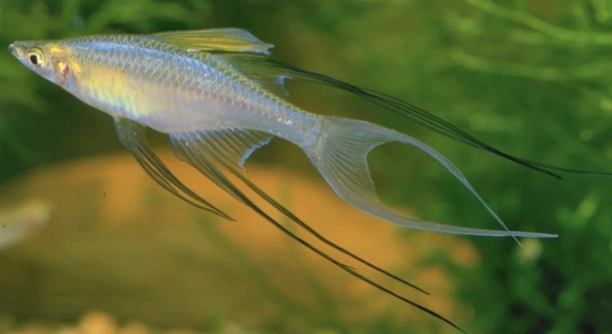
Threadfins are fascinating fish often seen gliding through both open waters and tank environments. Their behavior can seem unpredictable, especially when they appear to follow the shadows of divers or equipment moving above the tank.
Threadfins sometimes follow tank shadows due to instinctive schooling behavior and heightened sensitivity to movement. Shadows may signal changes in light, potential threats, or feeding opportunities, prompting fish to respond by maintaining proximity for safety, navigation, and coordinated group dynamics within their environment.
Observing this behavior reveals more about their natural instincts and interaction with surroundings, highlighting the subtle ways fish respond to visual cues in captivity.
How Shadows Influence Threadfin Behavior
When I first noticed threadfins in my tank following the equipment’s shadow, I was intrigued by how responsive they were. The movement above them seemed to grab their attention immediately. Threadfins are naturally schooling fish, and any shift in light or sudden motion can trigger a collective response. Shadows can mimic the presence of larger fish or predators in their natural habitat, causing them to move as a group to maintain safety. Even in a controlled environment like a tank, these instincts remain strong. I observed that when lights shifted or shadows passed, the threadfins adjusted their positions subtly, sometimes darting together or pausing mid-swim. This response highlights their sensitivity to visual stimuli, which plays a crucial role in how they navigate and interact with their environment. Understanding these patterns makes it easier to create a tank setup that feels secure for them.
Shadows act as visual signals that guide their movement, offering cues that are instinctively followed.
Watching them respond this way, it’s clear that threadfins rely heavily on visual information. Their schooling instincts ensure they stay together, and even minor changes in light or shade can create noticeable shifts in behavior. I noticed that repeated exposure to consistent shadows reduced sudden reactions over time, suggesting they can adjust to predictable stimuli. However, unexpected movements still trigger swift, coordinated responses, reflecting their alert nature. Their reliance on shadows also helps them detect feeding times or approaching objects, showing that this behavior serves both survival and daily activity purposes. By paying attention to how shadows affect them, I could better arrange tank lighting, decorations, and feeding routines to support calmer, more natural behavior. Observing these subtle cues allows for a deeper appreciation of their instincts and highlights the importance of environmental design in aquariums.
Practical Tips for Tank Shadows
Maintaining steady lighting reduces stress and sudden reactions in threadfins.
To manage their responses, I positioned lights to avoid harsh contrasts and minimized abrupt movements near the tank. Shadows from floating equipment or human activity can startle them, so I incorporated stationary decorations that cast gentle shade, creating areas for them to gather. Consistent light patterns over the day allow threadfins to adjust their swimming paths naturally, which reduces frantic movements. Introducing objects slowly and at predictable times also helps them become comfortable, ensuring feeding or cleaning routines don’t cause unnecessary stress. By observing how shadows influence their behavior, I could refine tank setup and care, making the environment more stable and less reactive. This approach supports healthier, calmer fish and provides insight into how natural instincts manifest even in controlled spaces. Maintaining attention to these visual cues creates a balanced habitat that meets both safety and comfort needs for threadfins.
Light and Shadow Interaction
Shadows in a tank can mimic natural environmental cues, influencing threadfins to move together or adjust positions. Their vision is highly sensitive, making even small changes in light noticeable. This interaction is instinctive, guiding their behavior without conscious thought.
Observing my threadfins over several weeks, I noticed consistent patterns. When lights shifted slightly or equipment passed overhead, they reacted almost immediately, forming tighter schools or moving to shaded areas. These responses are rooted in survival instincts, reflecting how they would behave in open water when predators or other fish are near. Even in a tank, this natural behavior remains strong. The way they follow shadows shows a clear connection between visual stimuli and social behavior, which is critical for their sense of security and coordination. Adjusting tank lighting and minimizing sudden changes can help maintain calmer, predictable movement patterns.
Consistent shadows can also signal feeding times or safe zones within the tank. I used this to create areas where threadfins could gather without stress, observing them respond predictably. Over time, these cues helped establish routine behavior, reducing frantic movements. Even minor adjustments in light intensity or object placement affected their responses, emphasizing their reliance on visual information. This insight allowed me to optimize tank setup, providing both security and stimulation for the fish while supporting natural movement patterns.
Adjusting Tank Setup
Proper arrangement of lights, decorations, and equipment can minimize stress from shadows while supporting natural behavior. Adjustments need careful observation.
I repositioned lights to create uniform illumination while avoiding harsh contrasts that might startle threadfins. Floating decorations were placed to cast soft shadows, creating resting zones without triggering sudden reactions. Equipment movements, like cleaning tools or feeding instruments, were introduced gradually at predictable times. I noticed that predictable patterns allowed the fish to swim calmly, reducing tight schooling or rapid darting. Even small inconsistencies in shadow patterns caused brief bursts of movement, showing their sensitivity. By managing light sources, I could control how shadows formed, directly influencing threadfin behavior.
Changing tank layout also improved their interaction with each other. When I added stable structures that created gentle shaded areas, the fish used these spots for gathering or resting. Shadows from these objects provided comfort, reducing stress during active periods. I observed that they began to follow predictable paths around these areas, which reflected how they might navigate natural habitats. These adjustments not only supported calmer movement but also encouraged natural schooling behavior. Consistent light patterns combined with strategically placed objects created a balanced environment, demonstrating that small, deliberate changes could significantly enhance the well-being of threadfins in captivity.
Timing and Movement
Threadfins react quickly to sudden changes in light or moving shadows. Their responses are immediate, reflecting natural instincts that remain strong even in captivity.
Regular, predictable movements above the tank reduce stress. When equipment passes slowly or lights shift gradually, the fish adjust calmly without rapid schooling or abrupt swimming patterns.
Feeding and Shadows
Feeding times often coincide with shadow changes, as fish associate movement above them with food. I noticed that when shadows passed consistently near feeding areas, threadfins gathered in those zones, showing anticipation. This behavior highlights how visual cues help them recognize routine activities. Proper scheduling of shadows can guide them efficiently without causing stress.
Shadow Patterns and Behavior
Repeated exposure to consistent shadow patterns allows threadfins to predict environmental changes. This predictability reduces sudden, frantic reactions and supports calmer schooling behavior.
Observing Natural Instincts
Watching threadfins follow shadows offers insight into their natural instincts. Their behavior in response to visual cues reflects survival strategies and social coordination, even in controlled tank conditions.
FAQ
Why do threadfins follow tank shadows?
Threadfins follow shadows because their vision is highly sensitive, and movement above them signals changes in the environment. Shadows can mimic predators or larger fish, triggering natural schooling and safety instincts. Even in a tank, these behaviors persist because they are hardwired survival mechanisms that help the fish stay together and react quickly to perceived threats. Shadows also help guide movement, signaling where to gather or move without relying on other senses. Observing their response to shadows allows better management of lighting and tank setup to reduce stress and promote natural behavior.
Can consistent shadows reduce stress in threadfins?
Yes. When shadows are predictable, threadfins adjust calmly instead of reacting abruptly. Sudden, inconsistent shadows often trigger rapid schooling, darting, or tight group formations, which indicate stress. Gradual light changes and consistent shadow patterns allow the fish to anticipate movements above them, providing a sense of security. Over time, they become accustomed to routine activities, such as feeding or cleaning, without showing panic. Creating shaded areas with stationary decorations also supports calmer movement, offering visual cues that threadfins rely on for navigation and comfort in their environment.
Do threadfins respond to all types of shadows the same way?
Not exactly. The size, shape, and movement of shadows affect how threadfins react. Large, sudden shadows often trigger a stronger schooling response, while slow-moving or small shadows cause subtle adjustments. Shadows cast by stationary objects provide predictable patterns, which the fish learn to recognize over time. Repeated exposure to consistent shadow types allows threadfins to distinguish between harmless environmental changes and potential threats, helping them conserve energy by avoiding unnecessary rapid movements.
How does tank lighting impact shadow behavior?
Lighting is a major factor in how threadfins perceive shadows. Bright, harsh lighting creates strong contrasts that produce sharp shadows, often startling the fish. Soft, even lighting reduces sudden visual cues, allowing threadfins to swim calmly. Directional lighting can create areas of gentle shade, which the fish use as resting zones or meeting points. Adjusting light timing and intensity helps establish predictable shadow patterns, encouraging routine behavior and reducing stress caused by unexpected movements or changes above the tank.
Can adjusting decorations and equipment help manage shadow responses?
Absolutely. Strategically placed decorations and equipment can cast gentle, consistent shadows that threadfins use to navigate or rest. Floating objects or stationary structures provide areas of comfort and visual cues without startling the fish. Equipment movements, like feeding tools or cleaning devices, should be slow and predictable. Over time, threadfins learn these patterns, reducing sudden, frantic reactions. Thoughtful tank arrangement supports natural schooling behavior and encourages calmer interaction with their surroundings.
Is shadow-following behavior linked to feeding times?
Yes, shadows can signal food presence. Threadfins associate overhead movements with feeding routines, often gathering in shaded zones when shadows pass near their food source. This behavior reflects their reliance on visual cues for survival and daily activity. By scheduling feeding times and using consistent cues, shadows can guide fish efficiently without causing unnecessary stress or panic.
Do all threadfins exhibit the same sensitivity to shadows?
Individual variation exists. Some threadfins are more alert or reactive, while others adjust quickly and calmly. Factors like age, size, and previous tank experience influence how they respond. Observing individual reactions helps identify which fish are more sensitive, allowing targeted adjustments in lighting, equipment movement, and tank layout to ensure all fish feel secure and maintain natural schooling patterns.
Can understanding shadow behavior improve tank management?
Yes, paying attention to how threadfins respond to shadows allows better design of tank lighting, decoration placement, and activity schedules. This understanding promotes calmer, healthier fish and supports natural behaviors, minimizing stress while enhancing the overall environment for the fish.
How long does it take for threadfins to adapt to consistent shadow patterns?
Adaptation varies but usually takes several days to a few weeks. Repeated exposure to predictable shadows helps threadfins recognize non-threatening changes in light or movement. Once they adjust, the fish respond calmly to routine environmental cues, showing smoother swimming patterns and reduced frantic movements.
Are there benefits to letting threadfins follow shadows naturally?
Yes. Allowing natural responses to shadows supports instinctive behavior, encourages social cohesion within schools, and provides mental stimulation. It also helps monitor their health and well-being, as sudden changes in shadow-following behavior can indicate stress, illness, or environmental issues in the tank.
How can I monitor threadfins’ reactions to shadows effectively?
Observing them during feeding, light changes, or equipment use provides insight into their natural instincts and stress levels. Take note of schooling patterns, darting behavior, and resting spots. Consistent observation helps refine tank lighting, decoration placement, and routine activities to reduce stress while promoting natural behavior.
Does tank size influence shadow-following behavior?
Yes, larger tanks allow more freedom for movement and dispersal of shadows, while smaller tanks may amplify shadow impact due to limited space. Adjusting lighting and decorations according to tank size ensures that threadfins have predictable cues without feeling confined, supporting calm, coordinated movement throughout the environment.
Can shadows be used to enrich a tank environment?
Properly managed shadows can act as enrichment by providing visual cues that encourage natural schooling, resting, and exploration. Gentle, predictable shadows allow threadfins to interact with their environment, improving mental stimulation and helping maintain healthy, instinctive behaviors.
Final Thoughts
Observing threadfins in a tank reveals how sensitive they are to shadows and movement above them. Their reactions are instinctive, carried over from survival behaviors in the wild. Even in a controlled environment, a passing shadow can trigger schooling, rapid swimming, or subtle shifts in position. This behavior is not a sign of distress alone but a natural response to visual cues. Understanding how these fish perceive their surroundings is important for creating a comfortable and balanced tank. Shadows, light intensity, and movement all play a role in their daily behavior, influencing where they gather, how they swim, and how they interact with other fish. Over time, consistent observation allows caretakers to recognize patterns and adjust the environment accordingly.
Proper tank setup can reduce unnecessary stress while supporting the natural instincts of threadfins. Soft, even lighting and gradual changes in illumination help prevent abrupt reactions. Stationary decorations that cast gentle shadows provide resting spots and familiar reference points, giving fish areas where they feel safe. Predictable equipment movements, such as feeding or cleaning, also reduce panic responses. These adjustments may seem minor, but they have a significant impact on the overall behavior of the fish. By paying attention to these factors, the tank becomes a more stable environment where threadfins can swim naturally, maintain social cohesion, and respond to shadows in a way that reflects their instincts rather than anxiety.
Observing threadfins and their interaction with shadows can also deepen understanding of their behavior and needs. It demonstrates how environmental cues guide schooling, foraging, and resting behavior. Over time, caretakers can identify individual variations in sensitivity and adapt lighting or decoration placement to suit each fish. Recognizing that following shadows is a natural instinct, rather than a problem to fix, allows for a more informed and compassionate approach to aquarium management. Small changes, like adjusting light angles, creating shaded areas, and maintaining predictable routines, can have a noticeable effect on their comfort and well-being. Ultimately, respecting these natural behaviors while carefully designing the tank environment ensures that threadfins remain calm, healthy, and engaged in ways that reflect their instincts and social needs, providing a more harmonious and balanced aquarium.

Hello,
If you enjoy the content that we create, please consider saying a "Thank You!" by leaving a tip.
Every little bit helps us continue crafting quality advice that supports the health, happiness, and well-being of pets around the world, for pets of all shapes, sizes, and species.
We really appreciate the kindness and support that you show us!