
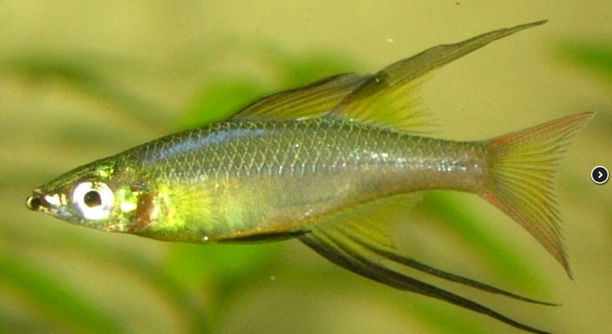
Threadfins are fascinating fish known for their slender bodies and graceful movements. Observing them can reveal unique behaviors in their natural habitat, especially when they swim together in coordinated patterns along reefs and open waters.
Threadfins may swim as a single line during feeding, migration, predator avoidance, or courtship. This formation helps maintain group cohesion, reduces energy expenditure, and allows precise maneuvering. Observing these moments provides insight into their social behavior and survival strategies.
Recognizing these patterns can enhance your understanding of threadfin behavior and their interactions within the aquatic environment. The details of their swimming formations reveal much about their daily life and instincts.
Early Morning Feeding
In the early hours of the day, threadfins often swim in a single line as they search for food. The light is soft, and the water is calm, allowing them to move with minimal resistance. This formation makes it easier to locate small crustaceans or plankton without scattering the group. Each fish seems aware of the one in front, following closely while maintaining just enough space to avoid collisions. By moving as a single line, they increase their efficiency, reducing the energy needed to chase after prey. Observing this behavior in shallow coastal areas can be mesmerizing, as their synchronized movement almost looks like a coordinated dance. Even minor changes in current or water temperature can influence how tightly they swim together, showing how sensitive they are to their environment. This feeding pattern is repeated daily, highlighting its importance for their survival and the health of the school.
This behavior improves hunting efficiency while keeping the group organized. Single-line swimming helps them conserve energy during feeding periods.
Watching threadfins glide in formation shows their remarkable coordination. Each fish responds instantly to subtle cues, creating a smooth, uninterrupted line. This behavior is not random but a carefully developed strategy for feeding success. By maintaining alignment, the school can exploit food sources more effectively and minimize exposure to predators. The simple act of swimming in a line is a key part of their ecological adaptation, reflecting their instinctive awareness and teamwork.
Migration Patterns
During migration, threadfins often form single-file lines to maintain direction and cohesion. Moving together helps the school stay organized across long distances and reduces disorientation.
Migration in a straight line reduces water resistance for individuals behind the leader. Fish can travel farther while conserving energy. Maintaining formation ensures the school navigates efficiently, avoids hazards, and reaches feeding or breeding grounds on schedule. Predators are also less likely to isolate a single fish when the group moves as a line. This formation allows them to adjust to currents, obstacles, and changes in depth while staying connected. By observing these patterns, it is clear that single-line swimming is essential not only for feeding but also for survival over long distances. The predictability of their formation shows a balance between instinct and environmental adaptation, highlighting their sophisticated movement strategies. Over time, each school develops consistency in how it migrates, reflecting both learned behavior and natural instincts guiding them safely to their destinations.
Predator Evasion
Threadfins swim in a single line to reduce the chance of being targeted by predators. The formation makes it difficult for predators to isolate one fish, keeping the group safer.
When a predator approaches, threadfins respond instantly, tightening their line and moving in unison. Each fish adjusts its position based on subtle movements of the others. This synchronized response creates confusion for predators, making it hard to focus on a single target. The single-line formation allows them to react quickly while maintaining direction. Observing this behavior, it is clear that their movement is not random but a precise survival strategy.
This pattern also helps minimize energy use during escape. Following a straight line reduces unnecessary collisions or erratic movements. Each fish can glide efficiently, preserving stamina while avoiding threats. The coordination within the school is remarkable, showing both instinct and learned group behavior. Even under pressure, the school maintains structure, demonstrating their ability to balance speed with safety.
Courtship Displays
Threadfins sometimes swim as a line during mating seasons to attract partners or show readiness. This formation signals strength and coordination to potential mates.
The single-line display during courtship is a form of visual communication. Males and females align in the school, each maintaining spacing to highlight agility and control. The synchronized movement emphasizes fitness and coordination, essential traits for reproductive success. By swimming in formation, threadfins demonstrate their ability to navigate their environment efficiently, which can indicate genetic health. These displays are usually performed in shallow waters where visibility is higher, allowing the movement to be easily noticed by others. The line also minimizes disturbance, ensuring the school remains safe while performing these intricate displays.
Courtship lines are sometimes brief but highly structured. Fish adjust speed and distance carefully, coordinating with multiple partners. Observing this behavior provides insight into their social interactions and reproductive strategies. Every movement counts, reflecting both instinctive patterns and learned behaviors within the group. This careful alignment shows that even playful or display behaviors have an important role in the species’ survival and mating success.
Tidal Movements
Threadfins often form a single line when navigating tidal currents. The alignment helps them maintain position and move efficiently without being swept off course.
By following each other closely, they reduce drag and conserve energy. The line allows the school to adjust to changing water flow while staying together.
Nighttime Navigation
At night, threadfins use single-line formations to move safely. Limited visibility increases the risk of separation, so swimming in a line helps maintain group cohesion. This formation allows each fish to follow subtle movements of the leader while keeping the school organized. Maintaining alignment also reduces collisions in low light, helping them move steadily through their environment. Even in darkness, this coordinated swimming ensures that they can reach feeding grounds or safe resting areas without straying. Observing nocturnal line formations shows how instinct and subtle environmental cues guide their movements efficiently.
Resting Periods
During resting periods, threadfins may align in a line to stay aware of each other. This formation allows quick response if disturbed.
FAQ
Why do threadfins swim in a single line?
Threadfins swim in a single line to maintain cohesion within the school. This behavior improves coordination, reduces energy expenditure, and protects individuals from predators. Swimming in a line allows the group to react quickly to environmental changes while keeping every fish aligned with the others.
Does swimming in a line help them catch food?
Yes, moving in a single line increases feeding efficiency. Each fish follows the one in front, minimizing disturbance to the water and making it easier to locate small prey like plankton and crustaceans. The line also allows the group to cover larger areas systematically without scattering.
When is single-line swimming most common?
Single-line formations are most often seen during feeding, migration, predator evasion, courtship, tidal movements, nighttime navigation, and resting periods. Each context uses the line differently—sometimes for protection, efficiency, or communication.
Do all threadfins swim this way?
Not always. The tendency depends on the size of the school, environmental conditions, and immediate needs. Larger schools are more likely to form single lines to reduce collisions and maintain order, while smaller groups may be more flexible in their formation.
How long do these formations last?
Formations can last from a few seconds to several hours, depending on the activity. During feeding or predator evasion, lines may change rapidly, while migration lines can maintain a steady formation for long distances. Resting or tidal lines are usually shorter and more relaxed.
Can this behavior be observed in captivity?
Yes, but it is less frequent. Captive conditions may limit the space or stimuli that trigger single-line swimming. In large aquariums with proper conditions, threadfins sometimes display line formations, especially when feeding or responding to simulated currents.
Does swimming in a line reduce predator attacks?
It helps, but it is not foolproof. Predators may still target the school, but the formation makes it harder to isolate a single fish. Confusion and coordination increase the chance that individual threadfins survive, especially when quick directional changes are needed.
Do other fish species exhibit similar behavior?
Yes, many schooling fish use similar formations for protection, energy efficiency, and communication. Threadfins are notable for their slender bodies and precise alignment, but the principle of single-line swimming is common among species that rely on group coordination for survival.
Is this behavior learned or instinctive?
It is primarily instinctive. Young threadfins follow older fish and develop alignment skills through observation and practice. Instinct provides the basic pattern, while experience fine-tunes timing and spacing within the school.
How does the environment affect line formation?
Water currents, visibility, predator presence, and prey availability all influence formation. Strong currents may tighten the line, low light may slow movement, and nearby predators trigger rapid adjustments. Each fish continuously responds to subtle environmental changes, keeping the line cohesive.
Can single-line swimming improve survival rates?
Yes, it increases efficiency in feeding, reduces energy use, and lowers predation risks. Schools that maintain alignment tend to move more safely and effectively than scattered groups. The behavior demonstrates an evolutionary advantage that helps threadfins thrive in diverse aquatic environments.
Are there any risks to swimming in a line?
There are minor risks, such as collisions if spacing is not maintained or difficulty changing direction quickly in crowded environments. However, these risks are outweighed by the protective and efficient advantages of the formation.
How can I observe this behavior in the wild?
The best opportunities are in shallow coastal waters, estuaries, or near reefs during early morning or evening feeding times. Calm conditions and clear water improve visibility, allowing you to see the synchronized swimming and alignment of the school.
Does single-line swimming affect reproduction?
Yes, it can play a role in courtship. Formations highlight fitness and coordination, signaling potential mates. During mating seasons, synchronized movements communicate readiness and attract partners, making the line a tool for both survival and reproductive success.
Can environmental changes disrupt the formation?
Significant changes like strong storms, pollution, or habitat destruction can disrupt line swimming. Fish may scatter or swim erratically in response, showing that their alignment depends heavily on stable and favorable environmental conditions.
What does observing a single line tell us about threadfins?
It reveals their social behavior, survival strategies, and sensitivity to their surroundings. The simple act of swimming in a line demonstrates communication, coordination, and instinctive adaptation to environmental pressures, showing how intricately their daily behavior is connected to survival.
This FAQ provides a comprehensive look at threadfins’ single-line swimming, explaining its purpose, contexts, and effects on their behavior and survival. Observing this behavior offers insight into how these fish interact with each other and their environment, reflecting their instinctive intelligence and adaptability.
Final Thoughts
Threadfins are remarkable fish with behaviors that reveal a lot about how they survive and interact in their environment. One of the most striking behaviors is their tendency to swim in a single line. This formation is not random; it serves multiple purposes, from increasing efficiency during feeding to reducing risk from predators. When threadfins move in this way, each fish maintains awareness of the one in front and behind, creating a seamless line that allows them to respond quickly to changes. The coordination required for this behavior is impressive, especially considering that it is largely instinctive. Over time, threadfins perfect the spacing and timing, showing both natural ability and adaptive responses to their surroundings. Observing these movements in their natural habitat gives insight into how a simple formation can provide such significant survival advantages.
Swimming in a single line allows threadfins to conserve energy, which is essential for daily survival. By reducing drag and following the lead of others, individual fish use less effort to travel, whether they are feeding, migrating, or evading threats. The line also improves group cohesion, preventing isolation and making the school harder for predators to target. Even during courtship displays, this formation has value, as it demonstrates fitness and coordination to potential mates. Threadfins rely on these patterns to communicate, navigate, and respond to subtle environmental cues, which shows the complex balance between instinct and adaptation. Their single-line swimming is a clear example of how evolution has shaped behaviors that are efficient, protective, and socially coordinated. It is a behavior that may appear simple from a distance but is actually the result of intricate interactions and survival strategies.
Understanding threadfins’ behavior highlights the importance of observing fish in their natural conditions. Factors such as currents, visibility, predator presence, and prey availability all influence how tightly the school forms and how long the line persists. Even resting periods benefit from alignment, allowing the group to remain alert while minimizing unnecessary movement. Watching these fish reveals patterns that extend beyond feeding or migration—they show social interactions, instinctive problem-solving, and a sensitivity to the environment that is often overlooked. Recognizing the value of these behaviors can inform conservation efforts and enhance appreciation for the complexity of marine life. The single-line swimming of threadfins is a small but meaningful demonstration of how nature balances efficiency, safety, and social coordination in the aquatic environment. It reminds us that even simple patterns in fish behavior carry important functions for survival and adaptation.

Hello,
If you enjoy the content that we create, please consider saying a "Thank You!" by leaving a tip.
Every little bit helps us continue crafting quality advice that supports the health, happiness, and well-being of pets around the world, for pets of all shapes, sizes, and species.
We really appreciate the kindness and support that you show us!