
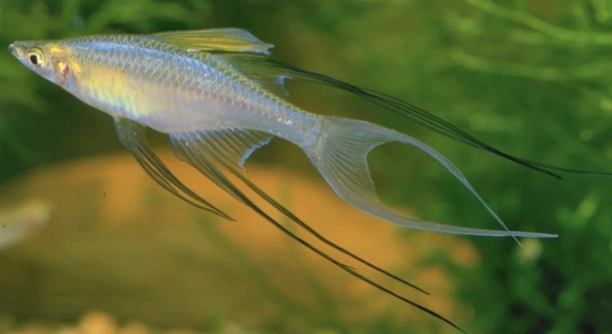
Have you ever noticed how threadfin rainbowfish move gracefully in your aquarium? Their gentle movements and subtle interactions can create a calming presence. Observing these fish can be both relaxing and rewarding for any fish enthusiast.
Threadfin rainbowfish exhibit calmness through distinct visual behaviors, including slow and steady swimming, maintaining a horizontal posture, relaxed fins, consistent coloration, minimal hiding, smooth interactions with tank mates, and steady breathing patterns. These indicators collectively reflect their stress-free state.
Recognizing these signs will help you maintain a peaceful environment for your fish while supporting their overall well-being in your aquarium.
Slow and Steady Swimming
Threadfin rainbowfish that are calm often glide slowly through the water, taking deliberate paths rather than darting around. Their movement is smooth and rhythmic, allowing them to navigate the tank without startling others. You may notice them exploring plants or swimming near the surface with ease, showing that they feel safe and comfortable. Rapid or erratic swimming can be a sign of stress or discomfort, so observing their pace gives insight into their overall well-being. Slow movement also allows them to feed efficiently and interact gently with other fish, maintaining a balanced tank environment. Watching them move in this manner can be soothing, as it reflects a natural and secure state. Calm fish tend to use the middle and upper levels of the tank, avoiding sudden changes in depth. Their controlled swimming demonstrates confidence and familiarity with their surroundings, which is a key aspect of their health.
Their gentle movement is a reliable visual indicator of their calm state.
Slow and steady swimming also supports their internal health. Fish that swim in a controlled manner expend energy efficiently, which reduces stress on muscles and cardiovascular systems. They are less likely to experience injuries or scale damage when moving gracefully. Additionally, calm swimming helps maintain the balance of the tank ecosystem. Plants and other aquatic inhabitants benefit from minimal turbulence, and feeding routines are easier to manage. Observing these patterns consistently allows caretakers to spot early changes in behavior that may indicate illness or environmental stress. Over time, consistent swimming patterns create a predictable and stable environment, which promotes long-term health. Tank conditions such as water quality, temperature, and lighting contribute to this behavior. A well-maintained tank encourages fish to display calm swimming naturally, showing that their needs are being met effectively. Monitoring their movement offers both visual satisfaction and practical insight into their overall condition.
Relaxed Fins
Threadfin rainbowfish with calm temperaments keep their fins extended and relaxed. Tightly clamped fins often signal stress, while soft, open fins indicate comfort and confidence.
Relaxed fins are essential for proper balance, swimming efficiency, and interaction with other tank inhabitants. Observing fin position helps gauge their overall mood and stress level.
Maintaining relaxed fins is a sign of both physical and emotional well-being. When fins are held loosely, the fish can maneuver easily through water, avoiding unnecessary energy use. This state reduces the risk of fin damage from contact with objects or other fish. Open fins also allow for optimal oxygen absorption, aiding in respiration and overall vitality. Environmental factors play a role as well; adequate space, proper water flow, and compatible tank mates contribute to fin relaxation. Consistent observation of fin posture provides valuable information about the tank’s conditions and the fish’s comfort. Ensuring that fins remain relaxed over time shows that the fish feels secure, promoting natural behaviors like feeding, schooling, and social interaction. Observing this detail can make caring for threadfin rainbowfish more rewarding.
Consistent Coloration
Threadfin rainbowfish that are calm display bright and even coloration. Sudden dullness or uneven patches can indicate stress or illness. Healthy, consistent colors reflect comfort and well-being in their environment.
Stable coloration is maintained when fish are free from stress and living in optimal conditions. Stress factors, such as poor water quality, overcrowding, or incompatible tank mates, can trigger fading or blotching. Calm fish retain their vibrant tones because their immune system functions effectively, supporting overall health. Observing color consistency allows you to monitor subtle changes that may require attention. A consistent appearance also signals that the fish is feeding well and adjusting naturally to tank conditions, which is essential for long-term care. Color changes can serve as early indicators before other behavioral signs appear.
Proper nutrition contributes to sustained coloration. Feeding a balanced diet with high-quality flakes or live foods ensures that pigments are maintained. Vitamins and minerals play a key role in supporting the fish’s skin and scale health. Tank lighting also affects how colors appear; consistent light cycles promote natural coloration. Calm fish use their colors for social signaling without showing signs of fear or aggression. Monitoring both diet and environment helps maintain their vibrant appearance. Bright, even coloration is a clear visual sign that your threadfin rainbowfish are relaxed, healthy, and thriving in a stable habitat.
Minimal Hiding
Calm threadfin rainbowfish spend less time hiding. They explore open areas of the tank and remain visible, showing confidence and security in their surroundings.
Minimal hiding indicates comfort and low stress levels. Fish that are consistently visible are less fearful and more confident in the tank environment. A lack of excessive hiding allows for natural behaviors, including schooling and feeding. Hiding is natural in small amounts, but extended periods can signal discomfort. When fish feel safe, they maintain normal routines without retreating frequently.
Observing hiding behaviors provides insight into tank conditions. Factors such as water quality, lighting, and tank decoration influence how often fish hide. Calm rainbowfish balance exploration with occasional retreats, using plants or ornaments without excessive avoidance. Overcrowded tanks or aggressive tank mates may increase hiding, so monitoring social dynamics is important. Minimal hiding reflects that the fish trusts its environment, allowing regular swimming, interaction, and feeding. Maintaining stable water parameters and ensuring compatible companions encourages visible, confident behavior, which contributes to the fish’s overall well-being and longevity.
Smooth Interactions with Tank Mates
Calm threadfin rainbowfish interact gently with other fish. They avoid chasing or aggressive behavior, maintaining harmony within the tank.
These smooth interactions indicate low stress and social comfort. Fish that coexist peacefully demonstrate that the tank environment is stable and that all inhabitants feel secure.
Steady Breathing
Threadfin rainbowfish that are calm exhibit slow and regular gill movements. Rapid or erratic breathing can indicate stress, poor water quality, or illness. Maintaining steady breathing shows that the fish are comfortable and able to oxygenate effectively. Calm fish display consistent respiratory patterns, reflecting overall health and a well-maintained environment. Observing this behavior regularly helps detect early signs of problems, allowing for timely adjustments. Providing proper filtration, temperature, and oxygen levels supports steady breathing and contributes to the fish’s long-term vitality.
Horizontal Posture
Calm rainbowfish swim in a level, horizontal posture. This alignment indicates comfort, stability, and confidence in their surroundings.
FAQ
How can I tell if my threadfin rainbowfish is calm?
Calm threadfin rainbowfish exhibit steady swimming, relaxed fins, and consistent coloration. They interact gently with tank mates, avoid excessive hiding, and maintain a horizontal posture. Observing their breathing is also helpful—slow and regular gill movements indicate low stress and comfort in the tank.
Why does my fish hide frequently?
Frequent hiding usually signals stress or discomfort. Factors such as poor water quality, overcrowding, or aggressive tank mates can cause this behavior. Providing adequate space, proper water conditions, and compatible companions helps reduce hiding, encouraging your rainbowfish to explore the tank more freely and confidently.
Can lighting affect their calmness?
Yes. Bright or inconsistent lighting can cause stress, leading to erratic swimming or hiding. Calm rainbowfish benefit from stable light cycles that mimic natural day and night patterns. Soft, diffused lighting helps them feel secure while showing their colors without inducing fear or agitation.
How important is water quality for calm behavior?
Water quality is crucial. Parameters such as pH, temperature, and cleanliness directly impact fish comfort. Poor water quality can lead to rapid breathing, color fading, and increased hiding. Regular testing, partial water changes, and proper filtration support a stable environment, allowing fish to remain relaxed and healthy.
Do tank decorations influence calmness?
Yes. Threadfin rainbowfish feel secure when there are plants, rocks, or hiding spots, but they also need open swimming areas. A balanced layout allows them to explore and rest comfortably. Overcrowded or sharp decorations can cause stress or injury, affecting their calm behavior.
What role does diet play in their stress levels?
Nutrition affects both physical and behavioral health. A balanced diet with high-quality flakes, pellets, or live foods ensures proper growth and coloration. Malnourished fish may become lethargic, hide excessively, or show erratic swimming. Feeding small, regular portions helps maintain calm behavior and overall well-being.
Can social dynamics impact calmness?
Absolutely. Threadfin rainbowfish are social and do best in small groups. Aggressive tank mates or overcrowding can lead to stress, hiding, or fin clamping. Observing interactions and maintaining compatible group sizes encourages smooth schooling behavior and reduces tension, contributing to a calm environment.
How can I encourage steady breathing?
Steady breathing is promoted by maintaining optimal water oxygen levels, proper temperature, and gentle filtration. Avoid sudden changes in water chemistry or temperature, as these can cause rapid gill movement. Calm fish typically breathe slowly and evenly, which is a reliable indicator of comfort.
What are early signs of stress in threadfin rainbowfish?
Early stress indicators include darting movements, clamped fins, dull coloration, frequent hiding, and irregular breathing. Catching these signs early allows for adjustments to water quality, tank setup, or social arrangements. Prompt action ensures fish remain calm and healthy.
Is schooling behavior related to calmness?
Yes. Calm threadfin rainbowfish often swim in coordinated groups with minimal aggression. Tight or erratic schooling can indicate stress. Providing sufficient space and compatible companions helps them exhibit natural schooling patterns, reflecting security and comfort.
Can temperature fluctuations affect their calm behavior?
Temperature changes can cause stress and disrupt normal behaviors. Threadfin rainbowfish prefer stable temperatures that match their natural environment. Sudden increases or decreases may result in rapid swimming, hiding, or clamped fins. Consistent temperature control supports calmness and reduces health risks.
How long does it take for a rainbowfish to settle and appear calm?
It varies depending on the tank conditions and previous environment. Generally, it may take several days to a few weeks for fish to adjust fully. Providing stable water parameters, proper diet, and a peaceful environment accelerates this process, allowing natural behaviors to emerge.
Do water flow and filtration influence calmness?
Yes. Strong currents can stress rainbowfish, causing erratic swimming. Gentle, consistent water flow mimics natural conditions, helping them swim steadily and interact comfortably. Proper filtration ensures clean water, supporting both calm behavior and long-term health.
Can handling or sudden movements disturb calm behavior?
Threadfin rainbowfish are sensitive to sudden disturbances. Rapid movements outside the tank or tapping on the glass can trigger hiding or rapid swimming. Minimizing disturbances helps maintain calm, allowing the fish to explore and feed naturally without unnecessary stress.
Is it normal for calm fish to occasionally dart or hide?
Yes. Even calm fish may dart briefly when startled or explore new areas. Occasional hiding is natural, especially in a new tank. However, prolonged stress behaviors indicate underlying issues that should be addressed through environmental adjustments, proper care, and compatible tank arrangements.
How does tank size affect calmness?
Adequate space is essential. Small or overcrowded tanks increase stress, leading to clamped fins, frequent hiding, and erratic swimming. Providing enough room for swimming, schooling, and resting areas allows rainbowfish to display natural behaviors and maintain a relaxed state.
Can water chemistry changes be detected through behavior?
Yes. Rapid changes in pH, hardness, or ammonia levels often manifest as stress behaviors, including clamped fins, darting, or hiding. Monitoring behavior alongside regular water testing helps identify and correct issues before they impact health.
Are there signs that indicate long-term calmness?
Long-term calm fish consistently swim slowly, interact peacefully with others, maintain bright coloration, and rarely hide. Steady breathing and a horizontal posture are constant indicators. Observing these behaviors over weeks confirms that the tank environment is supportive and fish are thriving.
What can I do if my fish seems stressed despite proper care?
Check for hidden issues such as tank mates, sudden environmental changes, or disease. Adjust water quality, reduce stressors, and provide hiding spots. Consulting with an experienced aquarist or vet may help identify subtle problems and restore calm behavior effectively.
Final Thoughts
Observing threadfin rainbowfish can be a rewarding experience, especially when they exhibit calm behaviors. Their slow, steady swimming and relaxed fins are clear indicators that they feel comfortable in their environment. Calm fish tend to maintain a horizontal posture, swim in coordinated groups, and show consistent coloration. These visual signs are useful for monitoring their overall health without relying on more invasive methods. By paying attention to how the fish interact with tank mates, move around the aquarium, and respond to their surroundings, you gain insight into both their well-being and the suitability of the tank setup. Calm behavior reflects a balanced environment, where water parameters, temperature, lighting, and tank layout all meet the needs of the fish.
Ensuring calmness in threadfin rainbowfish requires attention to multiple aspects of tank care. Water quality is the foundation of their comfort. Regular testing and maintenance, including filtration and partial water changes, help maintain stable conditions. Temperature should remain consistent, avoiding sudden fluctuations that can stress the fish. Tank decorations and plants provide both hiding spots and open areas for swimming, striking a balance between security and freedom of movement. Proper nutrition supports coloration, steady breathing, and energy levels. Feeding a balanced diet and observing their feeding habits helps identify stress or health issues early. Calm fish benefit from social stability as well, so choosing compatible companions and maintaining appropriate group sizes reduces tension and encourages smooth interactions.
Monitoring calmness over time allows caretakers to make informed adjustments to the tank environment. Signs such as steady gill movement, minimal hiding, and relaxed fins indicate that fish are thriving, while changes in color, posture, or behavior can highlight potential problems. Understanding these visual cues makes it easier to detect stress before it affects health. With consistent care and attention to water parameters, diet, and social dynamics, threadfin rainbowfish can maintain a peaceful and confident presence in the tank. Observing their behaviors daily not only supports their long-term health but also enhances the overall enjoyment of keeping these vibrant, graceful fish. A calm, well-maintained tank benefits both the fish and those who care for them, creating a stable, pleasant aquatic environment that encourages natural behaviors and promotes longevity.

Hello,
If you enjoy the content that we create, please consider saying a "Thank You!" by leaving a tip.
Every little bit helps us continue crafting quality advice that supports the health, happiness, and well-being of pets around the world, for pets of all shapes, sizes, and species.
We really appreciate the kindness and support that you show us!