
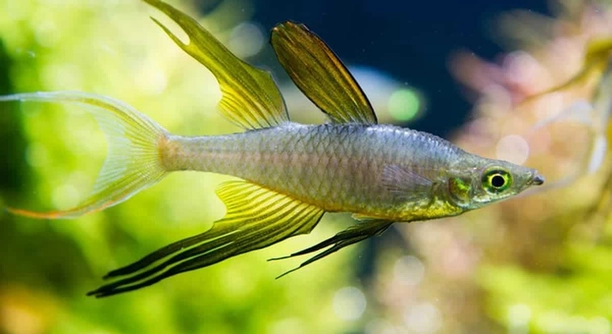
Do you ever notice fish moving in unusual ways and wonder what is behind their strange motions? Threadfin fish display some of the most curious swimming patterns that catch the attention of observers in the water.
The seven movements that resemble threadfin dancing include spiraling, sudden darting, undulating, swaying, circular spins, hovering, and synchronized fin flicks. Each motion serves specific purposes such as communication, hunting, evasion, and maintaining balance in aquatic environments.
Observing these movements provides insight into aquatic behavior and the remarkable coordination fish exhibit in their natural habitat. Understanding these patterns reveals the complexity behind seemingly simple swimming actions.
Spiraling Swims
Threadfin often perform spiraling swims, twisting their bodies while moving forward. This motion allows them to navigate through currents efficiently while maintaining stability. Spiraling also helps fish display their agility, communicate intentions, and sometimes confuse predators. Observing this, you notice the elegance and precision, which is remarkable. In small aquariums, spiraling movements are more noticeable as the fish have less space, making each twist and turn seem intentional. These movements are not random; they follow natural instincts shaped over time. Spiraling can also aid in feeding, as fish use this motion to position themselves correctly when catching smaller prey. Watching threadfins spiral demonstrates their advanced muscular coordination and ability to adapt movements to different water conditions. Even subtle changes in speed or angle can make the spiral more effective. Aquarists often note that fish exhibiting regular spiraling appear more active and healthy, as it reflects normal swimming behavior.
The spiraling motion serves multiple purposes, from feeding to predator evasion, highlighting both agility and adaptive skill in aquatic life.
Understanding spiraling helps reveal the physical and behavioral adaptations of threadfin, making it easier to appreciate their swimming techniques and interaction with the environment. Their movements are more than decorative—they are functional, purposeful, and vital for survival. Observing spirals in groups shows how these fish synchronize motions, creating patterns that aid in schooling and communication. Spiraling also provides insight into muscle coordination and fin control, which are essential for precise navigation. In confined environments, such as tanks, spiraling can indicate both physical health and comfort level. Fish that spiral regularly tend to explore more, maintain balance well, and react quickly to stimuli. This movement also affects water flow around the body, helping them glide with minimal effort. Spiraling demonstrates a balance between energy efficiency and instinctive responsiveness, reflecting how threadfin have evolved to thrive in diverse aquatic settings.
Sudden Darting
Sudden darting is a fast, abrupt motion used by threadfin to escape threats or catch prey. It appears almost instant but is highly controlled and precise.
These rapid bursts allow fish to avoid predators efficiently. Darting is essential for survival, as it combines speed, timing, and agility to react to environmental changes. In hunting, darting helps threadfin strike at small prey quickly before it can escape. Observing darting in an aquarium shows remarkable reflexes, where fish shift from calm swimming to sudden, high-speed bursts without losing coordination. These movements also serve social purposes, signaling alertness or dominance among other fish. Darting involves strong muscle contractions and precise fin adjustments to maintain direction during rapid acceleration. The motion is often short-lived but can repeat multiple times, depending on perceived threats or prey availability. Threadfin also use darting to navigate tight spaces or avoid obstacles efficiently, demonstrating adaptability in confined or complex environments. Repeated darting may indicate high energy levels and a healthy fish, as lethargic fish rarely perform these motions naturally.
Sudden darting demonstrates the threadfin’s agility and responsiveness. It reflects evolved survival tactics and reveals how speed and control are integrated into everyday swimming. Observing these bursts highlights the combination of instinct, muscle coordination, and environmental awareness, offering insight into how fish interact with both prey and other aquatic creatures. Darting is more than a reaction—it’s a calculated movement honed by evolutionary pressures.
Undulating Fins
Undulating fins create a wave-like motion that propels threadfin smoothly through the water. This movement is gentle but continuous, helping fish maintain balance and maneuver with precision. It is often used during slow swimming or while hovering near surfaces.
The undulating motion is powered by coordinated muscle contractions along the fins. It allows threadfin to glide efficiently without using excessive energy. This technique is particularly useful when searching for food or maintaining position in currents. Observing the fins’ rhythm shows the fish’s natural control and adaptability. Undulating also plays a role in social interaction, as synchronized fin movements can signal calmness or readiness. The motion provides stability, especially when multiple fish are swimming close together. In aquariums, undulating fins indicate relaxed and healthy fish, reflecting comfort and proper environmental conditions.
Undulating helps threadfin navigate complex environments smoothly. It is a precise combination of fin movement and body control, demonstrating efficiency, balance, and adaptability in aquatic conditions. Watching these waves shows the natural elegance of the species and how subtle motions support survival and interaction.
Swaying Movements
Swaying side to side is a common behavior that allows threadfin to adjust position in currents and maintain equilibrium. This subtle motion is often observed when fish are stationary or slowly advancing.
Swaying aids in water flow management around the body, creating stability and enabling precise adjustments in direction. It is also used for sensory perception, as slight lateral movements help fish detect vibrations and nearby objects. Swaying is particularly useful in group settings, helping fish coordinate with companions and avoid collisions. The movement appears casual but involves fine motor control and awareness of the surrounding environment. Observing swaying can indicate alertness, comfort, and the fish’s ability to respond to subtle changes in water conditions.
The swaying motion combines balance, sensory input, and social coordination, making it an essential aspect of threadfin behavior. It allows fish to maintain position efficiently, interact with their surroundings, and respond quickly to changes. This movement highlights the importance of subtle, continuous adjustments in aquatic locomotion and shows the refined control threadfin exhibit during everyday swimming.
Circular Spins
Circular spins are performed when threadfin turn their bodies in tight loops. This movement helps them change direction quickly while maintaining balance. It is often used during feeding or when responding to nearby fish.
Spinning also serves as a form of display, signaling alertness or readiness. It requires precise coordination of fins and body muscles, showing agility and control.
Hovering
Threadfin often hover in place, using small fin movements to stay stable in one spot. This allows them to monitor surroundings without expending much energy. Hovering is essential for feeding, observing potential threats, or waiting for other fish to pass by.
Synchronized Fin Flicks
Synchronized fin flicks involve small, rapid fin movements performed in unison, especially among groups. This coordination helps maintain formation, communicate intentions, and adjust swimming speed collectively. It reflects both social behavior and advanced motor control, ensuring efficient movement in schools.
Fine-Tuned Adjustments
Threadfin make constant, small adjustments to their position and orientation. These tiny corrections allow them to respond to currents, avoid obstacles, and maintain balance. Such movements are subtle but critical for smooth navigation and survival in their habitat.
FAQ
Why do threadfin perform spiraling movements?
Spiraling allows threadfin to navigate water efficiently while maintaining balance. It helps them approach prey strategically and avoid predators. Spiraling also showcases muscle coordination, enabling fish to move smoothly in both tight spaces and open areas. Regular spiraling indicates active, healthy fish.
What is the purpose of sudden darting?
Sudden darting is a defensive and hunting strategy. Fish use rapid bursts of speed to escape threats or catch small prey. The motion combines precision, timing, and muscle strength, showing both agility and reflex. Darting is also an indicator of alertness and energy levels in threadfin.
How do undulating fins benefit threadfin?
Undulating fins create a wave-like propulsion that moves fish with minimal effort. This motion helps maintain stability and conserve energy. It also aids in social signaling, as synchronized undulation among groups shows calm behavior or readiness. Observing this movement often reflects comfort and environmental adaptation.
Why do threadfin sway side to side?
Swaying helps with balance, sensory perception, and subtle navigation in currents. Lateral motion allows fish to detect vibrations, avoid collisions, and adjust position without rushing. It also plays a social role, as synchronized swaying maintains group coordination and reflects attentiveness.
What is the role of circular spins?
Circular spins allow threadfin to change direction quickly while keeping stability. This is useful during hunting or avoiding obstacles. Spins also signal alertness or intent, especially when fish interact with each other or respond to sudden changes in their environment.
Why do threadfin hover in place?
Hovering helps threadfin conserve energy while monitoring surroundings. Small fin adjustments keep them stable without drifting. Hovering is often used for observing prey, avoiding predators, or waiting for other fish. Regular hovering indicates comfort and confidence in their environment.
What are synchronized fin flicks for?
Synchronized fin flicks support group coordination. Fish use them to maintain formation, signal changes in speed, and communicate with nearby fish. The motion demonstrates fine motor control and social awareness, ensuring efficient movement in schools while minimizing collisions and stress.
Why do threadfin make fine-tuned adjustments?
Small corrections in position and orientation are essential for maintaining balance in currents and avoiding obstacles. These subtle movements improve navigation, responsiveness, and survival. Fine-tuned adjustments reflect the fish’s ability to sense environmental changes and adapt in real time.
Are these movements unique to threadfin?
While many fish display similar patterns, threadfin are notable for the combination and frequency of these movements. Spiraling, darting, and synchronized fin actions are particularly refined, showing advanced coordination, social behavior, and environmental awareness uncommon in less active species.
How can observing these behaviors help aquarists?
Noticing spiraling, hovering, or darting provides insight into fish health and comfort. Regular natural movements suggest proper nutrition, environmental conditions, and low stress. Deviations, like sluggish swimming or erratic spins, can signal illness, poor water quality, or social stress, guiding caretakers to take corrective action.
Do environmental factors influence these movements?
Yes. Currents, tank size, water quality, and presence of other fish all affect swimming behaviors. Strong currents may increase spiraling or darting, while calm environments encourage hovering and swaying. Understanding these factors helps in creating optimal living conditions that promote natural behavior.
Can these behaviors indicate social hierarchy?
Certain movements, like circular spins or synchronized flicks, can reflect dominance or submission. Fish that initiate coordinated patterns often hold higher social status, while others follow. Observing these cues helps understand group dynamics, preventing conflicts and ensuring harmonious aquarium setups.
How often do threadfin display these movements?
Movements vary with activity, feeding times, and environmental conditions. Spiraling and darting are more frequent during hunting or exploring. Hovering and swaying occur during rest or observation. Tracking patterns over time provides insights into daily rhythms and behavioral health.
Do all threadfin species exhibit the same patterns?
Most species show these movements, but variations exist in intensity, frequency, and context. Environmental adaptation, size, and social tendencies influence how prominently each motion appears. Comparing species highlights the evolutionary refinement of swimming behaviors for survival and efficiency.
Can these behaviors be influenced by human interaction?
Yes. Frequent feeding, tank cleaning, or handling can alter movement patterns. Fish may dart more when startled or hover when anticipating feeding. Gentle, consistent care encourages natural behaviors, while sudden changes may increase stress or disrupt social coordination.
Are there benefits to learning these patterns for fishkeepers?
Understanding movements helps fishkeepers monitor health, predict behavior, and optimize care. Recognizing normal versus abnormal patterns allows timely interventions, improves tank management, and enhances observation skills. Appreciating these behaviors also deepens knowledge of aquatic life and fosters a rewarding caretaking experience.
How do these behaviors relate to survival in the wild?
Each movement supports feeding, evasion, and social interaction. Spiraling and darting aid hunting and predator avoidance. Hovering, swaying, and fine-tuned adjustments maintain balance and position. Synchronized flicks and circular spins enhance coordination in groups, reflecting evolutionary adaptations that maximize survival chances.
Can observing these movements reduce stress in aquariums?
Yes. Recognizing natural behaviors allows caretakers to create environments that meet the fish’s needs. Proper tank setup, adequate space, and stable conditions reduce stress, encouraging normal swimming patterns and promoting overall health. Consistent observation ensures a thriving, active aquarium population.
Do threadfin movements change with age?
Juveniles often display more frequent darting and spiraling, reflecting higher energy and learning of motor skills. Adults may show more hovering and swaying, conserving energy and coordinating social behavior. Age influences activity levels and movement refinement, demonstrating development and adaptability.
Can these behaviors indicate feeding habits?
Movements often signal feeding readiness. Spiraling and darting increase when prey is present, while hovering may precede ambush strikes. Understanding these cues helps aquarists time feedings and monitor nutrition, ensuring fish remain healthy and active.
How can aquarists encourage natural movements?
Providing adequate space, structured environments, and compatible companions promotes natural swimming patterns. Currents, hiding spots, and visual stimuli stimulate darting, spiraling, and coordinated behaviors. Consistent care and minimal disturbance encourage fish to express innate movements fully, supporting both mental and physical health.
What signs indicate abnormal movement?
Erratic swimming, lethargy, or repetitive spinning can signal stress, illness, or poor water conditions. Noticing deviations from typical spiraling, hovering, or swaying helps aquarists identify problems early, allowing corrective actions to restore comfort and normal behavior.
How do these behaviors affect group dynamics?
Coordinated movements like synchronized flicks or swaying maintain group harmony, preventing collisions and stress. Observing these interactions helps understand leadership, following, and social structure, ensuring peaceful coexistence in shared spaces and improving the overall environment for all fish.
Do these behaviors change in different environments?
Yes. Threadfin adapt movements based on tank size, current strength, and population density. Larger spaces encourage spiraling and darting, while smaller or crowded tanks may increase hovering and subtle adjustments. Understanding environmental influence helps aquarists tailor care effectively.
Can these movements be used to assess water quality?
Indirectly, yes. Healthy, active swimming patterns suggest proper water conditions, while sluggish or abnormal movements may indicate poor water quality, low oxygen levels, or inappropriate temperature. Observing natural behaviors can serve as an early indicator of environmental issues.
Are these movements learned or instinctive?
Most are instinctive, guided by evolutionary survival needs. While some adaptation occurs through experience, behaviors like spiraling, darting, and synchronized flicks are hardwired, allowing fish to react efficiently to threats, prey, and social interactions. Instinct ensures survival across generations.
Can stress alter these behaviors?
Stress affects frequency, intensity, and coordination. Stressed fish may reduce spiraling, hover excessively, or dart unpredictably. Recognizing changes allows caretakers to address stressors, adjust conditions, and restore normal behaviors, improving health and wellbeing in the aquarium environment.
Do threadfin ever mimic each other’s movements?
Yes. Social fish often synchronize movements for efficiency, schooling, or communication. Mimicking ensures coordination, reduces collisions, and maintains social hierarchy. Observing these patterns highlights group awareness and the importance of cooperative behavior for survival and comfort.
How important are these movements for survival in captivity?
Even in controlled environments, movements like hovering, spiraling, and swaying support feeding, exercise, and stress management. Providing opportunities to perform natural behaviors keeps fish active, healthy, and engaged, mimicking survival strategies found in the wild while maintaining wellbeing in tanks.
What should be avoided to maintain normal behavior?
Sudden changes in environment, aggressive tankmates, poor water quality, or irregular feeding can disrupt swimming patterns. Maintaining stable conditions, compatible companions, and consistent care encourages natural movements and prevents stress-related behavior changes.
Can observing these movements be calming or educational for aquarists?
Yes. Watching fish spiral, hover, or dart is both engaging and informative. Observers learn about coordination, social behavior, and environmental adaptation, gaining appreciation for aquatic life while using behavior as a guide for proper care.
How do these movements differ between solo and group settings?
Solo fish often display more individual-focused behaviors, like hovering or spiraling for exploration. In groups, synchronized flicks, swaying, and coordinated spirals dominate, showing social cohesion. The difference emphasizes the role of interactions and environmental context in shaping swimming patterns.
Do these behaviors indicate health problems early?
Abnormal or missing movements can reveal issues before other symptoms appear. Changes in darting frequency, reduced spiraling, or erratic adjustments often point to illness, stress, or poor water quality. Early detection through observation allows timely interventions and better fish care.
Can these patterns be influenced by lighting or time of day?
Yes. Threadfin adjust movements based on light intensity and daily cycles. Bright conditions may encourage exploration and darting, while dimmer periods favor hovering or slow swaying. Understanding these rhythms helps optimize feeding and activity schedules in captivity.
Are these movements consistent across all ages and sizes?
Juveniles tend to be more energetic, with frequent spiraling and darting. Adults display controlled, energy-efficient movements like hovering and swaying. Size and maturity influence motion frequency, coordination, and purpose, reflecting development and adaptation to environmental demands.
Do movements vary by water current strength?
Strong currents increase spiraling, darting, and fin adjustments, while calm water encourages hovering and swaying. Fish adapt motion to maintain balance, navigate efficiently, and conserve energy, showing the dynamic interplay between environment and behavior.
How do these movements help during feeding?
Spiraling, darting, and hovering enable precise positioning near prey or food sources. Synchronized fin flicks and swaying help coordinate group feeding. Observing these behaviors allows caretakers to gauge appetite, health, and engagement, ensuring proper nutrition.
Can these behaviors indicate stress from tankmates?
Yes. Aggressive or dominant fish can disrupt normal movements. Excessive darting, erratic spinning, or avoidance behaviors signal social stress. Monitoring interactions helps manage tank populations and prevent chronic behavioral disruptions.
Do threadfin sleep or rest, and how does it affect movements?
Resting periods involve reduced activity, minimal fin movement, and hovering in place. Sleep allows energy conservation and muscle recovery. Observing these patterns confirms natural cycles and overall wellbeing in captive conditions.
Are there seasonal effects on these movements?
Temperature and light changes can subtly influence activity. Warmer periods may increase darting and spiraling, while cooler conditions encourage hovering and swaying. Seasonal rhythms support feeding, breeding, and social behaviors, reflecting environmental adaptation.
How can aquarists differentiate normal from abnormal movement?
Compare behavior to species-typical patterns. Regular spiraling, hovering, swaying, and fin flicks indicate health. Lethargy, erratic motion, or repetitive spinning suggests issues. Careful observation over time allows accurate assessment of wellbeing and environmental suitability.
Can these behaviors be stimulated for enrichment?
Yes. Currents, hiding spots, feeding variations, and visual stimuli encourage natural movements. Providing challenges and space promotes spiraling, darting, and social coordination, enhancing physical activity and mental engagement while replicating aspects of natural habitats.
Do movements reflect mood or temperament?
Activity levels and motion type often indicate alertness, curiosity, or stress. Calm swaying and hovering suggest comfort, while frequent darting or erratic spins may reflect anxiety or agitation. Reading these cues helps aquarists respond appropriately.
Are these behaviors the same in freshwater and brackish conditions?
Movements generally remain consistent, but water composition, salinity, and environmental factors can influence frequency and intensity. Fish adapt motion patterns to optimize balance, energy use, and feeding efficiency in different aquatic conditions.
Can observing these behaviors improve fish care routines?
Yes. Recognizing normal movements guides feeding schedules, tank setup, and social management. Behavioral observation allows proactive adjustments, ensuring healthy, active, and stress-free fish while fostering an informed and attentive care approach.
Do threadfin display any playful behavior through these movements?
Some motions, like spiraling or coordinated darting in groups, appear exploratory or playful. These behaviors may not have immediate survival benefits but encourage activity, social interaction, and environmental engagement, reflecting intelligence and adaptability in aquatic species.
How do these behaviors compare to other schooling fish?
Threadfin show a refined combination of spiraling, darting, hovering, and synchronized flicks. While other schooling fish may use some of these motions, threadfin integrate them frequently and precisely, demonstrating advanced coordination, social interaction, and adaptability.
Can understanding these movements reduce mortality in captivity?
Yes. Observing and responding to normal versus abnormal patterns helps detect illness, stress, or environmental issues early. Providing conditions that support natural movements promotes health, reduces risk of disease, and ensures better survival rates in aquariums.
Do these movements have a role in reproduction?
Certain motions, like synchronized flicks or spiraling, may facilitate courtship displays and territory establishment. Coordinated swimming helps signal readiness, maintain pair bonds, and support mating rituals, reflecting the multifaceted purpose of these behaviors beyond feeding and survival.
Are there subtle differences between individual fish?
Yes. Personality, energy levels, and past experiences influence movement style and frequency. Some fish may spiral more, while others hover or sway extensively. Individual variation is normal and contributes to group dynamics and social balance.
How can caretakers track these behaviors effectively?
Regular observation, note-taking, and video recording help monitor spiraling, darting, and hovering patterns. Tracking trends over time allows detection of deviations, health issues, and environmental impact, ensuring proactive and informed fish management.
Do these movements interact with water temperature changes?
Yes. Higher temperatures often increase activity and darting, while lower temperatures slow movement, encouraging hovering and minimal fin motion. Temperature directly affects metabolism and energy use, influencing the expression of natural swimming behaviors.
Are threadfin movements influenced by lighting cycles?
Yes. Fish adjust activity based on day-night cycles. Bright light may stimulate exploration and darting, while dim or shaded conditions encourage hovering and swaying. Understanding this rhythm helps optimize feeding and activity periods.
Can observing these behaviors improve breeding success?
Recognizing mating-related spiraling, darting, or synchronized flicks allows caretakers to provide ideal conditions. Supporting these natural behaviors enhances courtship, egg fertilization, and overall reproductive success in captivity.
Do environmental enrichments increase movement variety?
Yes. Hiding spots, plants, and varying water flow encourage spiraling, darting, hovering, and swaying. Enriched environments stimulate natural instincts, promote exercise, and enhance mental stimulation, improving overall fish welfare.
How critical is water quality for maintaining natural movements?
High-quality water ensures proper oxygenation, clarity, and chemical balance. Poor conditions reduce energy, increase stress, and disrupt swimming patterns. Observing consistent movements like spiraling, hovering, and synchronized flicks indicates a healthy aquatic environment and proper maintenance.
Can observing these behaviors reveal energy levels?
Yes. Frequent spiraling, darting, and active fin movements indicate high energy and good health. Reduced activity or slow, minimal motion suggests low energy, stress, or illness, providing a non-invasive way to assess wellbeing.
Are these behaviors instinctive in young fish?
Yes. Juveniles display spiraling, darting, and hovering instinctively, though movements become more refined with growth. Early observation helps track development, motor skill acquisition, and adaptation to environmental conditions.
Do these movements vary with social context?
Social settings influence coordination, with group swimming prompting synchronized flicks, swaying, and collective spiraling. Solo fish may emphasize hovering or individual darting. Social context shapes expression and frequency of natural behaviors.
Can irregular movements indicate disease?
Erratic swimming, uncoordinated spins, or frequent collisions may signal bacterial, parasitic, or neurological issues. Observing deviations from normal patterns provides early warning signs, allowing timely treatment and care adjustment.
How can caretakers encourage healthy activity levels?
Providing sufficient space, compatible companions, and environmental complexity promotes natural movement. Currents, hiding places, and feeding variation stimulate spiraling, darting, and coordinated behaviors, supporting physical and mental health.
Do these movements help threadfin avoid predators in the wild?
Yes. Spiraling, darting, and fine-tuned adjustments enhance evasion. Hovering and swaying allow observation of threats, while synchronized group movements reduce individual risk. Each motion contributes to survival strategies developed through evolution.
Are these behaviors consistent across different tank sizes?
No. Larger tanks encourage energetic spiraling and darting, while smaller environments favor hovering, swaying, and fine adjustments. Tank size directly influences movement frequency, energy expenditure, and social interaction patterns.
Do threadfin use these movements for communication?
Yes. Circular spins, synchronized flicks, and swaying convey intent, alertness, and social status. Movements help coordinate groups, establish hierarchy, and signal readiness for feeding or mating. Observing these cues provides insight into social dynamics.
Can changes in diet affect swimming behavior?
Diet influences energy, muscle strength, and responsiveness. Poor nutrition may reduce spiraling, darting, or fin coordination, while balanced feeding supports normal movement patterns. Monitoring behavior alongside diet ensures optimal health and activity.
Are these movements visible in both aquariums and natural habitats?
Yes. While expression may vary due to space and current differences, spiraling, darting, hovering, swaying, and synchronized flicks are observable in captivity and the wild, reflecting consistent natural behaviors across environments.
How long does it take for fish to display natural movements after relocation?
Adjustment varies. Some fish resume typical patterns within hours, while others take days. Providing stable conditions, minimal disturbance, and proper acclimation encourages the reestablishment of normal behaviors efficiently.
Do these movements require special observation skills?
Basic attention and patience suffice. Watching fin coordination, swimming paths, and interactions helps
Threadfin exhibit a variety of movements that may seem unusual at first, but each serves a clear purpose. Spiraling, darting, undulating, swaying, circular spins, hovering, and synchronized fin flicks all contribute to survival, communication, and balance. Observing these behaviors highlights the complexity behind seemingly simple swimming actions. Even small adjustments in position or fin movement are carefully coordinated to maintain stability and navigate water efficiently. These motions are not random; they are instinctive and refined through evolution. Understanding them allows us to see the fish not just as creatures that swim, but as animals with carefully developed strategies to feed, avoid predators, and interact socially. Each movement, whether rapid or subtle, reveals how threadfin respond to their environment and how finely tuned their bodies are to water conditions.
Watching threadfin move in their natural or captive environments can be both engaging and informative. Spiraling and darting show agility and alertness, while hovering and swaying indicate balance and calm observation. Circular spins and synchronized fin flicks often occur during group interactions, demonstrating social coordination and communication. These behaviors reflect energy levels, health, and comfort. Fish that display regular, natural movements are usually healthy and well-adapted to their environment, while abnormal motions can signal stress, illness, or unsuitable conditions. Understanding these signs is valuable for caretakers, helping them provide environments that encourage natural behavior. Observing these movements over time allows for insight into how threadfin manage daily activities, respond to changes in their surroundings, and maintain social harmony.
It is important to remember that these movements are interconnected, and no single behavior exists in isolation. Threadfin combine spiraling, darting, hovering, and other actions to respond effectively to environmental conditions. Currents, tank size, water quality, lighting, and social dynamics all influence movement patterns. By observing and understanding these behaviors, we gain a deeper appreciation of their physical and cognitive abilities. Providing appropriate space, companions, and environmental enrichment supports these natural behaviors, promoting both mental and physical health. Recognizing the purpose and patterns of threadfin movements enhances not only our understanding of the species but also our ability to care for them responsibly. Their swimming actions are an expression of adaptation, survival, and social intelligence, offering a window into the intricacies of aquatic life.

Hello,
If you enjoy the content that we create, please consider saying a "Thank You!" by leaving a tip.
Every little bit helps us continue crafting quality advice that supports the health, happiness, and well-being of pets around the world, for pets of all shapes, sizes, and species.
We really appreciate the kindness and support that you show us!