
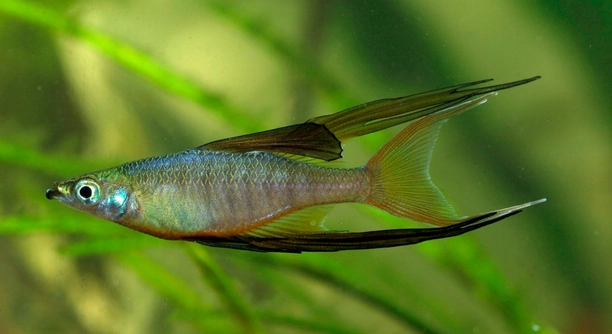
Threadfins are fascinating fish known for their gentle behavior and social nature. Observing them in a community tank can be rewarding, especially when other fish begin to spawn. Their reactions can vary based on environment and temperament.
Threadfins may exhibit a range of behaviors when tankmates spawn, including heightened curiosity, increased swimming activity, or temporary avoidance. These responses are influenced by species-specific instincts, territorial tendencies, and environmental factors within the aquarium setting.
Learning to read these subtle behaviors can improve your understanding of tank dynamics and ensure a peaceful aquatic environment for all species.
Observing Threadfins During Spawning Events
Threadfins often display unique reactions when tankmates are spawning. Some may hover near the breeding pair, watching intently, while others maintain distance, seemingly uninterested. These responses are influenced by their natural instincts. In many cases, threadfins will not interfere with the spawning process, but their presence can still affect the behavior of other fish. Environmental factors such as tank size, water quality, and hiding spaces play a crucial role in determining their reactions. Some threadfins may become more active, swimming quickly across the tank or circling near the spawning area. Others may retreat to a corner or behind decorations to observe quietly. Over time, threadfins can develop familiarity with the breeding habits of their tankmates and adjust their behavior accordingly. Monitoring these responses allows for better management of tank conditions. Proper observation ensures minimal stress for all species involved, maintaining a peaceful aquarium environment that supports healthy breeding cycles.
Threadfins’ behavior is often subtle, requiring patience and careful observation to fully understand their responses during spawning periods.
Noticing these differences can be quite revealing. Some threadfins remain passive, while others show curiosity or mild territorial displays. Understanding these patterns helps manage tank dynamics effectively.
Managing Tank Dynamics with Threadfins
Keeping threadfins in a community tank requires attention to their interactions during breeding events. Their reactions can influence other fish, sometimes causing minor disruptions or shifts in behavior. Careful tank planning can reduce stress and ensure that spawning fish remain undisturbed. Providing adequate hiding spaces and visual barriers can help threadfins observe without interfering. Additionally, maintaining consistent water conditions and a balanced diet for all fish supports calmer interactions. Observing and adjusting tank setups based on threadfin behavior can prevent accidental aggression or overexcitement during sensitive periods.
Proper management includes monitoring their movement and interactions, adjusting tank decorations as needed, and ensuring all fish have access to safe zones. Threadfins may occasionally attempt to explore or interact with spawning pairs, but with thoughtful planning, such behaviors can be guided to reduce stress. Maintaining a structured environment with clear spaces for different species allows threadfins to coexist peacefully while providing opportunities to learn from other fish. Over time, threadfins often adapt to the rhythms of the tank, observing breeding events without causing disruption. By keeping track of their behavior and making incremental changes, you can create a stable, harmonious aquarium where all species thrive. Observation and adjustments are key to long-term success and healthier interactions among all tank residents.
Feeding Considerations for Threadfins
Threadfins may show increased interest in food when tankmates spawn, sometimes becoming more active or competitive during feeding. Adjusting feeding times and portions can help maintain calm and prevent stress among all fish.
Providing frequent, small meals helps reduce competition and ensures all fish receive adequate nutrition. High-quality, varied foods support their energy needs and overall health. Some threadfins may favor specific food types, so observing preferences can guide feeding choices. Avoid overfeeding, as excess food can deteriorate water quality, causing stress that impacts behavior, especially during breeding periods. Consistency in feeding routines allows threadfins to remain focused on nutrition rather than distractions from spawning activity, supporting both their well-being and the overall tank environment.
It is important to monitor interactions closely during feeding. Threadfins may become more assertive around spawning fish if food is nearby. Keeping feeding stations separate from breeding areas reduces tension. Observing patterns over time ensures adjustments can be made to maintain harmony and protect all tank residents’ health.
Creating Safe Spaces in the Tank
Providing adequate hiding spots and visual barriers can significantly influence threadfin behavior during spawning events. Threadfins often respond positively to structured environments that allow observation without direct interference.
Decorating the tank with rocks, plants, and driftwood creates natural boundaries and secure zones for both threadfins and spawning fish. Threadfins will often use these areas to retreat when they feel overstimulated or when breeding activity intensifies. This reduces accidental disturbances and helps maintain stable social hierarchies. Regularly rearranging or adding new hiding places can encourage exploration while maintaining a sense of security. Safe spaces also prevent dominant threadfins from monopolizing certain areas, giving weaker or more timid fish the chance to spawn with minimal stress.
When safe zones are well-planned, overall tank interactions improve. Threadfins tend to observe quietly, and other species can spawn without disruption. Maintaining a balance of open swimming areas and secure retreats is essential for long-term aquarium health. By designing the tank to accommodate different behavioral needs, threadfins integrate smoothly into a community setting while minimizing tension during critical breeding periods.
Monitoring Aggression Levels
Threadfins rarely show high aggression, but it can occur during spawning events. Close observation helps identify early signs of tension before conflicts escalate.
Intervening quickly, such as separating overly assertive fish or providing additional hiding spaces, can prevent injuries and maintain a balanced tank environment.
Adjusting Lighting and Environment
Subtle changes in lighting or water flow can influence threadfin behavior. Dimming lights during spawning periods often encourages calmer interactions and reduces stress for both threadfins and breeding fish. Proper water circulation ensures oxygen levels remain stable and all fish feel secure, supporting healthier social dynamics.
Social Hierarchy Awareness
Threadfins respect established hierarchies, and disrupting this order during spawning can lead to stress. Maintaining consistent tank conditions reinforces natural roles and minimizes conflicts.
FAQ
How do threadfins behave when tankmates are spawning?
Threadfins generally show curiosity but rarely interfere with spawning. Some may swim closer to observe, while others retreat to corners or hiding spots. Their behavior depends on the species, individual temperament, and tank setup. Providing clear spaces helps minimize stress and ensures spawning fish remain undisturbed.
Do threadfins ever eat the eggs of other fish?
While most threadfins are not aggressive egg predators, some individuals may nibble on eggs if they are easily accessible. Adding plants or breeding mops can protect eggs, allowing the breeding fish to complete the spawning process without interference. Monitoring their behavior ensures eggs remain safe.
Should I separate threadfins during spawning events?
Separation is rarely necessary if the tank is well-structured. Threadfins usually coexist peacefully if adequate hiding spaces and visual barriers are provided. However, if a particular fish shows excessive curiosity or aggression, temporary separation may be beneficial to protect both the spawning pair and the eggs.
Do threadfins need special feeding during spawning periods?
Feeding adjustments can help manage energy and behavior. Offering small, frequent meals reduces competition and keeps threadfins occupied. High-quality, varied foods support their energy needs while minimizing stress. Avoid overfeeding, which can degrade water quality and impact the behavior of both threadfins and spawning fish.
How can I tell if a threadfin is stressed during spawning?
Signs of stress include erratic swimming, hiding excessively, or showing unusual aggression. Color changes and reduced appetite may also occur. Observing these behaviors allows you to adjust tank conditions, such as adding hiding spaces, reducing lighting, or temporarily rearranging decorations to create safer environments.
Do threadfins interact differently with different species during spawning?
Yes, threadfins often respond based on the temperament of tankmates. They may be more cautious around aggressive species and more curious near peaceful fish. Understanding these patterns helps in tank planning and ensures smoother coexistence during breeding periods.
Can I use decorations to influence threadfin behavior during spawning?
Decorations such as plants, rocks, and driftwood create visual barriers and safe zones. Threadfins use these areas to observe without interfering. Rearranging or adding new hiding spots occasionally encourages natural exploration and maintains calm interactions among all species during spawning events.
How important is tank size for threadfins during spawning?
Larger tanks reduce competition and territorial disputes. Adequate swimming space allows threadfins to observe without stressing spawning fish. Ensuring sufficient open areas and retreat zones helps maintain social balance, reduces aggression, and allows all species to thrive in the same environment.
Do threadfins remember previous spawning events?
Threadfins can recognize familiar patterns and routines over time. They often adjust their behavior based on past experiences, showing less curiosity or aggression if previous spawning events caused no disturbance. Consistency in tank conditions and layout reinforces predictable behavior and reduces stress.
What are the best strategies to keep threadfins calm during breeding?
Maintaining stable water conditions, providing hiding spots, and observing interactions closely are key. Small changes, like dimming lights or adjusting feeding routines, can help threadfins stay calm. Understanding their instincts and respecting natural hierarchies ensures a peaceful environment for both threadfins and spawning fish, promoting successful breeding.
How often should I monitor threadfin behavior during spawning?
Frequent observation is recommended, especially during initial spawning events. Noticing subtle changes early allows for timely adjustments. Monitoring daily ensures that threadfins remain calm, eggs are protected, and tank conditions are optimal for all species involved.
Can threadfins coexist with multiple spawning species simultaneously?
Yes, with proper tank planning. Providing multiple hiding areas, clear swimming paths, and consistent conditions allows threadfins to coexist peacefully with several spawning species. Careful observation and minor adjustments help maintain harmony and prevent stress-induced disruptions.
Are threadfins more active during certain times of the day when spawning occurs?
Threadfins may increase activity during daylight hours, especially if tankmates are spawning. Observing natural rhythms helps anticipate periods of curiosity or mild territorial displays. Adjusting lighting or feeding schedules can help manage energy levels and reduce potential conflicts.
Do threadfins require supplemental care after tankmates spawn?
Post-spawning, threadfins generally return to normal routines. Ensuring continued feeding, stable water parameters, and access to safe zones supports their recovery from any temporary stress. Observing behavior during this period helps maintain long-term harmony in the tank environment.
How can I reduce accidental disturbances from threadfins?
Providing plenty of visual barriers, safe zones, and predictable routines reduces accidental interference. Observing which threadfins are more curious allows targeted adjustments, such as separating highly inquisitive individuals temporarily or creating additional hiding areas to protect spawning fish.
Is it normal for threadfins to follow spawning fish closely?
Yes, following behavior is often a sign of curiosity rather than aggression. Threadfins may circle or swim near the breeding pair, especially if the spawning fish are calm. Proper tank layout ensures this behavior does not stress the breeding fish or disrupt the eggs.
What should I do if a threadfin becomes aggressive during spawning?
Immediate intervention is necessary. Adding barriers, temporarily separating the aggressive fish, or adjusting feeding routines can help restore calm. Consistent observation and careful environmental management reduce the likelihood of repeated aggression and protect all species during critical breeding periods.
Do threadfins interact differently with fry after spawning?
Most threadfins show limited interest in fry, especially if hiding spaces or plants are provided. Some may observe from a distance, but direct interference is uncommon. Ensuring adequate protection for fry increases survival rates while maintaining normal behavior among adult threadfins.
How does water quality affect threadfin behavior during spawning?
Stable water parameters are critical. Poor quality increases stress, causing erratic swimming, aggression, or withdrawal. Regular monitoring of temperature, pH, and oxygen levels ensures threadfins remain calm and reduces risks of disrupting spawning fish or fry.
Can I train threadfins to be less intrusive during spawning?
Indirect conditioning, such as maintaining consistent feeding routines, stable tank layouts, and adequate hiding areas, helps threadfins learn boundaries. While not traditional training, predictable environments encourage calm, non-intrusive behavior during breeding events, supporting harmony in the tank.
Are there differences in behavior between juvenile and adult threadfins during spawning?
Juvenile threadfins tend to be more curious and may explore spawning areas more actively. Adults often display more reserved behavior, respecting established territories. Providing age-appropriate hiding spots ensures both juveniles and adults can coexist without causing stress to breeding fish or eggs.
How can I tell if threadfins are comfortable in a community tank?
Signs include steady swimming, consistent feeding, and occasional observation without interference. Comfortable threadfins interact minimally with spawning fish, use safe zones when necessary, and maintain natural color and activity levels. Monitoring behavior regularly ensures the community tank remains balanced and stress-free for all species.
Can lighting adjustments influence threadfin behavior during spawning?
Yes, lowering light intensity or providing shaded areas can reduce activity and encourage calmer behavior. Threadfins often feel more secure under moderate lighting, minimizing disruptions to spawning fish while allowing them to observe safely. Lighting adjustments are a simple, effective management tool.
Is it safe to keep multiple threadfins in the same tank during breeding?
Yes, if sufficient space, hiding spots, and structured environments are provided. Multiple threadfins typically coexist peacefully, observing spawning events without interference. Careful observation and minor environmental adjustments ensure all fish maintain calm, reducing the risk of conflict or stress-related issues.
How do I balance feeding and observation during spawning events?
Timing feedings before or after peak spawning activity helps keep threadfins engaged without distracting breeding fish. Small, frequent meals support energy needs and minimize competition, while still allowing careful observation of tank interactions. This balance promotes a healthy, stable environment for all species.
Do threadfins need extra enrichment during breeding periods?
Providing additional plants, structures, or visual barriers keeps threadfins occupied and reduces potential interference. Enrichment allows them to explore safely, supports mental stimulation, and maintains harmony with breeding fish. Regularly refreshing tank features encourages natural behavior without causing stress during spawning events.
Can water flow adjustments help manage threadfin behavior?
Yes, moderate water flow can guide swimming patterns and reduce overactive behavior near spawning sites. Strong currents may stress both threadfins and breeding fish, while gentle flow maintains circulation and encourages natural movement, supporting calm tank interactions.
How long do threadfins typically stay interested in spawning events?
Interest is usually temporary. Threadfins often observe briefly, then return to normal routines once eggs are laid or the spawning activity slows. Providing hiding spaces and a structured environment helps them disengage naturally without causing stress to breeding fish or fry.
Are some threadfins more naturally curious than others?
Yes, individual temperament varies. Some threadfins are more observant and may linger near spawning areas, while others remain distant. Recognizing these differences allows targeted adjustments, such as adding barriers or extra hiding spots, to maintain a peaceful environment for all species involved.
How do I prevent threadfins from interfering with fry after hatching?
Dense plants, breeding mops, or separate fry tanks protect young fish. Threadfins usually avoid these areas if well-structured. Monitoring interactions and adjusting tank layout ensures fry safety while allowing adult threadfins to maintain normal activity levels.
Do threadfins require monitoring after every spawning event?
Yes, periodic checks help identify stress, aggression, or unusual behavior. Observation ensures that threadfins remain calm, eggs and fry are safe, and tank conditions stay optimal. Consistent monitoring supports long-term harmony and healthier interactions within the community tank.
Can threadfins adapt to repeated spawning events over time?
Threadfins often learn to observe calmly after multiple events. Familiarity with tankmates’ routines reduces curiosity and minor disturbances. Maintaining consistent environmental conditions reinforces predictable behavior, making future spawning periods less stressful for both threadfins and breeding fish.
What is the best way to integrate threadfins with new breeding pairs?
Introduce new pairs gradually, providing visual barriers and hiding spaces. Monitor interactions closely, adjusting tank setup as needed. Threadfins usually adapt quickly if proper environmental support is provided, ensuring calm coexistence and successful breeding outcomes.
Do threadfins require specific tank layouts for successful observation without interference?
Yes, structured layouts with open swimming paths, hiding zones, and visual separation allow threadfins to observe safely. Strategic placement of plants, rocks, and driftwood reduces stress, supports natural behavior, and protects spawning fish, creating a balanced and harmonious tank environment.
Can stress in threadfins impact the overall tank environment?
Yes, stressed threadfins may exhibit erratic swimming, increased aggression, or reduced feeding. This can disrupt other fish and affect water quality if overfeeding occurs. Managing stress through hiding spaces, stable conditions, and observation ensures the tank remains balanced and healthy for all residents.
Are there signs that threadfins are overly curious during spawning?
Persistent following of spawning pairs, repeated attempts to approach eggs, or chasing behaviors indicate high curiosity. Providing additional hiding spots, separating particularly inquisitive individuals temporarily, and maintaining consistent routines help reduce stress and prevent interference.
How does temperature affect threadfin activity during breeding events?
Stable, appropriate temperatures keep threadfins calm and support normal metabolism. Sudden changes can trigger heightened activity, stress, or aggression, potentially disturbing spawning fish. Maintaining consistent water temperature is crucial for peaceful interactions and successful breeding.
Can threadfins coexist with other egg-protecting species?
Yes, with careful planning. Providing separate zones and hiding places ensures that threadfins and egg-protecting species interact minimally. Monitoring behavior allows adjustments as needed, supporting harmonious coexistence while protecting both eggs and fry.
Do threadfins require different care during multiple, overlapping spawning events?
Yes, managing feeding schedules, hiding spaces, and observation routines becomes more important. Structured tank layouts prevent overcrowding, reduce stress, and ensure all fish, including threadfins, can coexist without disrupting ongoing spawning processes.
Are there common mistakes to avoid when keeping threadfins during spawning?
Overcrowding, lack of hiding spaces, inconsistent feeding, or sudden environmental changes can cause stress or minor aggression. Maintaining structured conditions, stable routines, and monitoring interactions minimizes issues and supports peaceful coexistence.
How can I tell if threadfins are successfully integrating into a community tank?
Signs include calm observation of spawning events, steady feeding, minimal interference, and use of safe zones. Consistent behavior over time indicates successful adaptation, ensuring harmony with breeding fish and other species in the aquarium.
Do threadfins have preferred areas in the tank during spawning?
Yes, they often favor corners, shaded areas, or zones with decorations that provide visual barriers. Allowing these preferences helps reduce stress, minimizes interference with spawning, and encourages natural behavior within the tank.
Can changes in water chemistry affect threadfin spawning interactions?
Yes, fluctuations in pH, ammonia, or nitrate levels can increase stress and aggression. Maintaining stable water chemistry ensures calm behavior, protecting both threadfins and breeding fish during sensitive spawning periods.
Is it beneficial to observe threadfins from a distance?
Yes, minimizing direct disturbances allows threadfins to behave naturally. Observing from outside the tank ensures spawning fish remain undisturbed while providing insight into threadfin behavior and overall tank dynamics.
Do threadfins respond differently to frequent versus infrequent spawning events?
Frequent events may reduce curiosity over time, as threadfins become accustomed to patterns. Infrequent spawning can trigger more active observation. Adjusting tank conditions and providing consistent environmental cues helps maintain calm interactions regardless of spawning frequency.
Can threadfins coexist with territorial species during spawning?
Yes, if adequate space and hiding spots are provided. Monitoring interactions closely and arranging the tank to minimize conflict helps threadfins coexist with territorial fish without disrupting breeding or increasing stress levels.
Do threadfins react differently to egg-laying versus live-bearing species?
Threadfins may show more curiosity with egg-laying species due to visible eggs. With live-bearing species, interest is often lower. Providing barriers or plants ensures eggs and fry remain protected, supporting peaceful coexistence.
Are there long-term benefits to observing threadfin behavior during spawning?
Yes, consistent observation allows better understanding of individual temperaments, improves tank management, and reduces stress for all species. Tracking behavior over time helps optimize feeding, tank layout, and breeding conditions for long-term harmony.
How do I know when a threadfin is ready to return to normal behavior after spawning?
Indicators include steady swimming, resuming regular feeding, and reduced focus on breeding areas. Once these behaviors are observed consistently, the threadfin has likely returned to its usual routine, signaling a balanced and calm tank environment.
Can threadfins influence the success of breeding in the tank?
Indirectly, yes. Calm threadfins minimize stress for spawning fish, while curious or aggressive individuals may interfere with eggs or fry. Proper tank management ensures threadfins support a stable environment conducive to successful breeding.
Do threadfins require monitoring differently in planted versus bare tanks?
Planted tanks provide natural hiding spots and visual barriers, often reducing stress. Bare tanks require additional structures to replicate these benefits. Observing behavior ensures threadfins remain calm and spawning fish are protected in both environments.
Are there behavioral cues that indicate threadfins are learning from past spawning events?
Reduced curiosity, avoidance of eggs, and calmer observation suggest learning. Over time, threadfins adapt to predictable patterns, which decreases stress on both themselves and spawning fish, supporting a more harmonious community tank.
What are the most effective ways to minimize threadfin disruption during spawning?
Providing hiding spaces, visual barriers, consistent feeding schedules, and stable water conditions are key. Monitoring behavior and making minor environmental adjustments prevent interference, ensuring spawning events proceed smoothly while maintaining calm among all fish.
Do threadfins interact differently with male versus female spawning fish?
Threadfins generally respond to activity rather than gender. Males may appear more active or colorful, which can attract curiosity, while females’ movements may be subtler. Observation and safe tank layout prevent undue stress regardless of spawning fish sex.
Can I predict threadfin behavior during future spawning events?
Yes, monitoring past responses helps anticipate activity levels, curiosity, or mild aggression. Predictable routines and consistent tank conditions allow adjustments to feeding, lighting, and hiding spaces, ensuring calmer interactions and reduced disruption during subsequent breeding events.
How important is consistent observation for maintaining a peaceful community tank?
Regular monitoring allows early detection of stress, aggression, or unusual behavior. Timely adjustments to feeding, layout, or environmental conditions prevent disruptions, maintain harmony, and ensure the well-being of threadfins and all spawning fish in the tank.
Do threadfins require different care in freshwater versus brackish setups during spawning?
Yes, water parameters differ, affecting stress and behavior. Maintaining appropriate salinity, pH, and temperature ensures threadfins remain calm and reduces the likelihood of interference with spawning fish in either environment.
Are there tools or techniques to track threadfin behavior effectively?
Observation logs, video monitoring, and gradual environmental adjustments help track patterns. Recording behavior over time highlights tendencies, feeding preferences, and reactions during spawning, enabling better tank management and peaceful coexistence with breeding fish.
Can threadfins be trained to respect spawning areas?
Indirect conditioning through consistent tank structure, visual barriers, and feeding routines encourages boundaries. While not traditional training, predictable environments help threadfins maintain calm, non-intrusive behavior during critical breeding periods.
Do threadfins show preferences for certain areas when multiple spawning events occur?
Yes, they often favor corners, shaded zones, or areas with decorations. Proper placement of safe zones ensures threadfins observe without interference, maintaining peaceful coexistence across multiple breeding events.
How do I balance threadfin activity with the needs of spawning fish?
Structured tank layouts, feeding schedules, and safe zones allow threadfins to remain active without disturbing spawning fish. Regular observation ensures harmony, reduces stress, and supports successful breeding outcomes in a community tank setting.
Can threadfins impact water quality during spawning periods?
Indirectly, yes. Overactive behavior or increased feeding can contribute to waste buildup. Maintaining proper filtration, regular water changes, and controlled feeding ensures water quality remains optimal for all species.
Do threadfins have visible signs when they are curious versus stressed?
Curiosity is shown through slow, attentive observation, following movements, or mild swimming near the area. Stress includes erratic movements, hiding excessively, or color changes. Recognizing these cues allows adjustments to maintain calm during spawning.
How do I ensure threadfins remain calm when introducing new breeding pairs?
Gradual introduction, visual barriers, hiding spaces, and close observation prevent interference. Maintaining stable tank conditions and predictable routines encourages threadfins to observe without disturbing spawning fish.
Is it necessary to separate threadfins in small tanks during spawning?
In smaller tanks, separation may be needed
Threadfins are fascinating fish to keep in a community tank. Their gentle nature and social tendencies make them interesting observers, especially during breeding events. While they rarely interfere directly with spawning, their curiosity can sometimes cause minor disturbances. Observing their behavior carefully allows you to understand how they interact with other species, including both adult fish and fry. Over time, threadfins can adapt to the patterns of the tank, showing less interest in breeding activity and more comfort in their environment. Understanding these patterns can help maintain a balanced and peaceful aquarium for all species involved.
Managing threadfins in a community tank requires attention to tank layout, feeding routines, and environmental conditions. Providing ample hiding spots, visual barriers, and safe swimming zones allows them to observe without disturbing breeding fish. Consistent water parameters and moderate lighting help reduce stress, keeping threadfins calm while supporting successful spawning events. Feeding small, frequent meals keeps their energy levels stable and prevents competition from escalating. Observing subtle behaviors, such as temporary retreats or gentle circling near breeding pairs, can guide adjustments to tank arrangements and ensure a harmonious coexistence for all fish. Threadfins are adaptable, and with proper management, they integrate smoothly into a breeding environment.
Ultimately, caring for threadfins during spawning events is about balance and observation. Their presence can enrich the community tank without creating disruption if the environment is structured thoughtfully. Recognizing signs of curiosity, mild stress, or temporary territorial displays helps in making timely adjustments to protect breeding fish and fry. Over time, threadfins learn to navigate the social dynamics of the tank, reducing interference and contributing to a peaceful atmosphere. By paying attention to their behavior and maintaining consistent routines, you can support both the health of threadfins and the success of tankmates during spawning periods. Thoughtful care, observation, and small adjustments are all that is needed to ensure a stable and harmonious aquatic environment.

Hello,
If you enjoy the content that we create, please consider saying a "Thank You!" by leaving a tip.
Every little bit helps us continue crafting quality advice that supports the health, happiness, and well-being of pets around the world, for pets of all shapes, sizes, and species.
We really appreciate the kindness and support that you show us!