
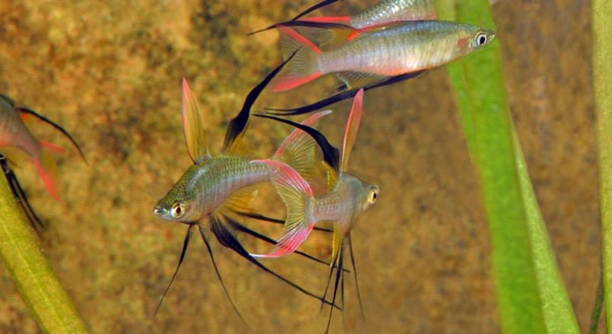
Have you ever noticed how threadfins seem less active under bright sunlight and wondered what might cause their cautious behavior during the day? Their unique habits reveal fascinating patterns influenced by their surroundings and natural instincts.
Threadfins often avoid bright, open waters during the day to reduce exposure to predators. They seek shaded or deeper areas, where light penetration is lower, offering protection and a calmer environment. This behavior supports their survival and energy conservation.
From shifting currents to changing light levels, several daytime factors shape how these graceful fish behave in their habitats.
Bright Light and Open Waters
Threadfins tend to avoid brightly lit areas during the day because such environments make them more visible to predators. In the open sea or shallow coastal zones, sunlight penetrates easily, creating sharp contrasts that expose their silvery bodies. To minimize danger, they often retreat to deeper waters or shaded areas, such as beneath piers, mangroves, or reefs. These environments provide a calmer setting, where they can swim freely without attracting unwanted attention. Additionally, the cooler temperatures found in shaded waters help maintain their comfort and energy levels throughout the day, supporting steady activity during twilight hours.
This instinctive behavior is not only about survival but also about balance. Threadfins conserve energy by avoiding stressful conditions, ensuring they remain alert and agile when foraging resumes later in the day. Staying away from open, bright areas allows them to maintain this essential rhythm.
As daylight fades, their activity naturally increases again, showing how their daily cycle is shaped by light and safety needs.
Predatory Presence and Human Activity
During the day, threadfins are especially cautious of predators and human disturbances. Larger predatory fish, seabirds, and even fishing vessels can easily spot them when the sun is high, leading to greater avoidance of exposed areas.
Threadfins have learned to recognize movement, sound, and shadow patterns that signal danger. In busy coastal zones, noise from boats, anchors, and swimmers adds another layer of stress, causing them to retreat to quieter waters. This behavior is particularly noticeable in areas with frequent fishing activity, where nets and traps create constant pressure. By keeping their distance during these hours, threadfins increase their chances of survival. At the same time, this avoidance limits their feeding opportunities, so they often compensate by becoming more active during early morning and late afternoon periods. Understanding these behavioral shifts highlights how both natural predators and human presence can shape aquatic life patterns in subtle but significant ways.
Temperature and Oxygen Levels
Threadfins prefer moderate temperatures and often avoid excessively warm surface waters during the day. High temperatures reduce oxygen levels, making it harder for them to breathe comfortably and maintain their energy for normal activity.
When the sun heats the surface, oxygen naturally decreases, pushing threadfins to move toward deeper, cooler layers where conditions are more stable. This migration helps them stay comfortable and preserve energy. Sudden shifts in temperature can also disrupt their feeding patterns, forcing them to wait until the environment stabilizes. In coastal zones, the impact is even stronger due to shallow depths and direct sunlight exposure. Maintaining a steady internal balance is crucial for their health and survival.
These adjustments show how threadfins instinctively respond to environmental changes. By seeking cooler areas, they protect themselves from stress and potential fatigue caused by overheating, ensuring better performance when they return to active feeding later in the day.
Strong Currents and Turbulence
Strong daytime currents can make it difficult for threadfins to maintain stable movement. Constant turbulence increases their energy use, forcing them to swim harder to stay in position or navigate effectively through disturbed waters.
In such conditions, threadfins often retreat to calmer zones like sheltered bays or deeper channels. These areas provide more control and reduce the effort needed to swim. Excessive turbulence not only affects their movement but also disperses food sources, making feeding less efficient. Young threadfins, in particular, are more vulnerable to these changes, as their smaller size limits endurance. When currents settle during late hours, they return to shallower zones to resume feeding. Their ability to adapt to varying water dynamics shows a refined survival strategy. By minimizing exposure to strong currents, they maintain strength and stability while conserving vital energy needed for nighttime activity.
Sudden Movements and Noise
Threadfins are highly sensitive to sudden movements and loud noises. Vibrations in the water, such as those caused by passing boats or splashing, can startle them easily. These disturbances push them to seek quieter areas where they feel more secure.
In environments with frequent disruptions, threadfins become cautious and reduce activity. Even small sounds can trigger avoidance behavior, affecting their feeding and resting cycles. This reaction is essential for their safety, helping them evade possible threats from both predators and human interference.
Suspended Sediment and Murky Water
Threadfins avoid waters filled with suspended sediment because it interferes with their ability to see and locate food. Murky conditions also clog their gills, making breathing uncomfortable and reducing stamina. They rely heavily on clear water to maintain proper feeding efficiency and safe navigation.
Overcrowded Areas
When too many fish gather in one place, threadfins often move away to reduce competition for food and space. Overcrowding increases stress and disrupts their natural rhythm, making peaceful environments more appealing for their daily comfort and balance.
FAQ
Why do threadfins avoid bright areas during the day?
Threadfins avoid bright areas because they are more visible to predators in direct sunlight. Bright surfaces increase the chance of detection, which can lead to attacks from larger fish or seabirds. By staying in shaded zones, deeper waters, or under structures, they reduce risk and conserve energy.
Do threadfins move differently in turbulent water?
Yes, strong currents and turbulence affect their swimming. Threadfins expend more energy when currents are strong, making it harder to maintain position or feed efficiently. They often retreat to calmer waters to save energy, returning to active zones when currents weaken later in the day.
How does temperature affect threadfin activity?
Temperature influences their metabolism and oxygen intake. Warmer surface waters often have lower oxygen, making it harder for threadfins to breathe. They migrate to cooler, deeper layers where oxygen levels are stable, allowing them to stay active without undue stress. Sudden temperature changes can also disrupt feeding patterns.
Are threadfins affected by noise or vibrations?
Threadfins are sensitive to vibrations and sudden movements. Boats, swimmers, or other sources of noise can startle them, causing avoidance behavior. In areas with frequent disturbances, they reduce activity or move to quieter sections to stay safe, which can also impact their feeding schedule.
Why do threadfins avoid murky or sediment-filled water?
Murky water interferes with vision, making it harder to locate prey. Suspended sediments can also irritate gills and reduce breathing efficiency. Threadfins prefer clear waters to optimize feeding and maintain proper oxygen intake, moving away from areas with high sediment or turbidity during the day.
Do threadfins avoid overcrowded areas?
Yes, overcrowding increases competition for food and space. High densities create stress, disrupt their natural rhythm, and force weaker fish to relocate. Threadfins often seek less populated zones where they can feed effectively and maintain balance in their daily behavior.
What role do predators play in daytime avoidance?
Predators are a major factor. Larger fish, seabirds, and even humans can threaten threadfins. Their avoidance behavior minimizes exposure to predators, reducing risk and conserving energy. This instinctive response ensures they remain alert and ready for feeding when conditions are safer.
When are threadfins most active during the day?
Threadfins are generally more active during early morning and late afternoon. During these times, light is lower, predators are less visible, and environmental conditions, such as temperature and currents, are more favorable. This schedule helps them feed efficiently while staying safe.
How do threadfins respond to sudden environmental changes?
Threadfins adjust quickly to changes like currents, light, or temperature. They move to calmer waters, shaded areas, or deeper zones to maintain comfort and safety. Their behavior reflects a balance between avoiding threats and conserving energy for essential activities like feeding and swimming.
Can human activity significantly alter their daily habits?
Yes, frequent boating, fishing, or coastal development can change where threadfins swim and feed. Noise, vibrations, and water disturbances make them more cautious, often restricting their movements to less exposed areas. Understanding these impacts helps in managing habitats and protecting their natural behavior.
Do younger threadfins behave differently than adults?
Juvenile threadfins are more vulnerable to predators and environmental stressors. They tend to stay closer to shelter, avoid open waters more strictly, and are more sensitive to changes in currents or noise. Adults are more confident but still follow similar avoidance patterns for survival.
How can we observe threadfins without disturbing them?
Observing them from a distance or during quieter periods is best. Using shaded areas, underwater cameras, or waiting until activity levels rise during lower light periods allows for study without causing stress or altering their natural behavior.
What are the key signs that threadfins are avoiding an area?
Signs include sudden movement to deeper or shaded water, reduced feeding, and clustering near protective structures. Increased alertness and rapid swimming away from disturbances also indicate avoidance behavior, reflecting their natural instincts for survival.
Do environmental factors like oxygen levels limit their activity?
Yes, oxygen-rich areas support their comfort and activity. Low oxygen, often caused by high temperatures or stagnant water, forces threadfins to seek deeper or moving waters where oxygen is sufficient, ensuring they maintain strength for swimming and feeding efficiently.
How does daylight length affect their behavior?
Longer daylight hours increase exposure to predators and light, which can reduce activity in open waters. Threadfins adjust by spending more time in shaded or deeper zones during the peak sun, becoming more active during lower light periods to optimize feeding and energy use.
Threadfins are fascinating fish with very specific behaviors shaped by their environment. During the day, they are careful about where they swim, often avoiding bright, open waters to protect themselves from predators. Their silvery bodies make them easy to spot under direct sunlight, so seeking shaded areas or deeper waters provides a natural shield. This behavior is a clear example of how instinct guides survival, helping them stay safe while conserving energy. Their avoidance of certain zones is not random but a consistent pattern that reflects an intricate balance between safety, comfort, and energy efficiency. Understanding these patterns gives insight into the delicate ways aquatic animals interact with their surroundings.
In addition to light exposure, threadfins respond strongly to environmental changes such as water temperature, currents, and oxygen levels. High surface temperatures and low oxygen drive them to deeper, cooler layers, where conditions are more stable. Strong currents or turbulence require more effort to swim, so threadfins often move to calmer waters during these times. They are also sensitive to noise and vibrations, which can signal danger or stress, prompting them to avoid disturbed areas. Even sediment-filled or murky waters affect their behavior, as limited visibility reduces their ability to find food and maintain normal breathing. Overcrowding adds another layer of influence, as competition for food and space encourages them to relocate to less populated areas. These responses show that threadfins actively adjust their behavior to maintain comfort and safety, responding to a variety of factors simultaneously.
Observing threadfins highlights the complexity of their daily routine and the balance required to thrive in their habitat. Early morning and late afternoon are generally their most active periods, when light levels are lower and conditions are safer for feeding. Juveniles show stronger avoidance behavior than adults, staying close to protective zones until they are more capable of navigating open waters. Human activity can also influence their behavior, with frequent boating or coastal disturbances causing them to retreat to quieter areas. Paying attention to these patterns is important for anyone studying or managing their habitats, as it helps ensure their survival and well-being. By understanding the reasons threadfins avoid certain areas during the day, it becomes clear how interconnected environmental factors, predation, and instinct are in shaping their behavior, offering a clearer view of life beneath the water’s surface.

Hello,
If you enjoy the content that we create, please consider saying a "Thank You!" by leaving a tip.
Every little bit helps us continue crafting quality advice that supports the health, happiness, and well-being of pets around the world, for pets of all shapes, sizes, and species.
We really appreciate the kindness and support that you show us!