
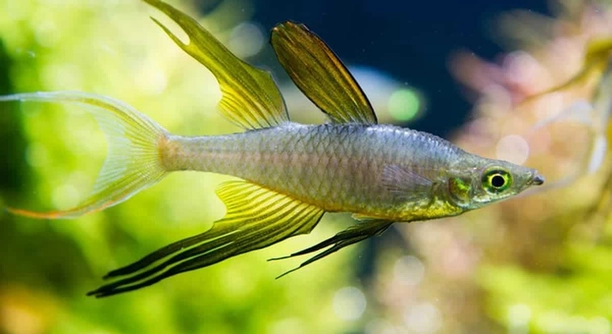
Have you ever noticed your threadfins behaving differently after a change in their tank? Small adjustments in their environment can often lead to noticeable shifts in their actions and overall comfort within the aquarium.
Threadfins respond to changes in their tank through behavioral and physical adjustments. Sudden alterations in temperature, lighting, or water quality can cause them to become stressed, swim erratically, or isolate themselves until stability is restored.
Observing these reactions helps ensure their well-being and maintain balance in their aquatic home, revealing just how sensitive and adaptive these elegant fish can be.
Recognizing Threadfin Behavior Changes
When something shifts inside the tank, threadfins quickly react. They are gentle, sensitive fish that depend heavily on stable surroundings. If water temperature drops, they may hover near heaters or slow their movements to conserve energy. Cloudy or unbalanced water can make them restless, causing quick darting or hiding among plants. Even lighting adjustments can alter their patterns; dim light might calm them, while bright light can cause skittishness. Feeding routines matter, too—missing a meal or changing food types can make them cautious. Observing these shifts closely helps identify what is stressing them. Understanding how they communicate discomfort through behavior allows for faster corrections and helps maintain their peace.
Watching their subtle changes can teach you a lot about how they adapt and express themselves. Their behavior acts as a guide, showing when something feels off or when they are comfortable again.
Learning to read these small signals builds stronger awareness of their habits. Threadfins often respond to gentle adjustments, so patience and observation create a more balanced aquarium. Taking time to notice when they become withdrawn or overly active helps maintain consistency, which is key to their well-being. A stable, peaceful tank keeps these graceful fish thriving beautifully.
Maintaining Stability After a Change
Threadfins rely on balance, and recovery after a tank change takes consistency. Rapid or repeated alterations make it hard for them to settle. Ensuring gradual transitions keeps stress minimal and their health stable.
To help threadfins adapt smoothly, begin by checking water parameters daily after any adjustment. pH, temperature, and nitrate levels should remain consistent. Sudden drops or spikes cause stress, weakening their immune system. If changing decor or plants, do it slowly to avoid disrupting their sense of safety. Avoid overfeeding, as excess waste can quickly alter water quality. A quiet environment also matters—avoid tapping on the glass or making sudden movements around the tank. Allow them time to adjust to the new setup before introducing any further changes. By keeping transitions slow and measured, their natural grace and calmness will return, ensuring a healthy, thriving aquarium for the long term.
Understanding Stress Triggers in Threadfins
Sudden tank changes often trigger stress in threadfins. They may lose color, swim unevenly, or avoid others. These behaviors signal discomfort caused by water fluctuations, overcrowding, or unexpected noise in their environment. Recognizing these signs helps restore calmness before their stress worsens.
Water quality remains one of the biggest stress factors. Even minor pH shifts or high ammonia levels can make them anxious. Temperature fluctuations are equally disruptive, as threadfins rely on stable warmth to stay active and healthy. When stressed, they often isolate themselves or breathe rapidly at the surface. Adjusting the water temperature gradually, cleaning the filter regularly, and ensuring steady lighting all help restore balance. A consistent feeding schedule also reduces unease, keeping their behavior predictable and calm. Maintaining these details creates a safer, more stable atmosphere for them to thrive in without unnecessary disruptions.
Monitoring daily behavior ensures early detection of discomfort. A quiet, clean tank allows them to regain trust quickly. Avoid sudden hand movements or bright light changes near the glass. If they remain withdrawn after stability returns, gentle observation and minimal interference help them recover. Patience during these moments encourages healthy interaction and ensures they feel secure once more.
Encouraging Natural Behavior After Adjustments
Threadfins behave most naturally when their surroundings stay balanced and familiar. They begin swimming in coordinated groups, showing calm, graceful motion through the tank. Gradual feeding, consistent lighting, and quiet surroundings help them return to their regular rhythm without hesitation or fear.
To encourage their natural habits, keep decorations and hiding spaces consistent. Adding plants with wide leaves gives them comfort and safety when startled. Avoid overcrowding, as too many tank mates can disturb their swimming flow and feeding routine. Stable filtration and gentle water movement mimic their natural environment, helping them stay active and social. Regular observation makes it easier to notice subtle improvements in their confidence. When these calm patterns return, it means they have adapted to the change and feel secure once again. Creating this stability fosters long-term health and enhances their gentle, graceful beauty.
Feeding Habits During Tank Changes
Threadfins often lose their appetite when tank conditions shift suddenly. They may ignore food or eat less, signaling discomfort or stress. Maintaining a steady feeding schedule and offering familiar food types helps them regain trust and return to their normal eating rhythm.
Avoid overfeeding during this period, as uneaten food can worsen water quality and increase stress. Use small portions and observe how quickly they respond. Once they begin swimming actively during feeding time again, it is a clear sign they are adapting well to the adjusted environment.
Monitoring Health and Appearance
When threadfins face sudden changes, their health can show visible effects. Faded coloration, clamped fins, or slower swimming patterns often appear during stressful phases. Maintaining steady conditions, clean water, and consistent lighting helps reduce these signs and supports gradual recovery back to their vibrant, natural state.
Restoring Tank Harmony
Threadfins thrive best when balance returns to their surroundings. After a change, keep adjustments slow and allow stability to settle. Their calm, synchronized movements and healthy coloring will soon reappear, showing they have adjusted and feel comfortable once again.
FAQ
Why do my threadfins act restless after a water change?
Threadfins become restless after a water change because of sudden differences in temperature, pH, or mineral balance. Even a small variation can disturb their comfort and cause temporary stress. To avoid this, always match the new water to the tank’s existing conditions. Use a thermometer and test kit to confirm consistency before adding it. If the difference is unavoidable, introduce the new water slowly over several minutes to help them adjust gradually. This careful approach prevents shock and allows them to return to normal behavior more smoothly.
How long does it take for threadfins to adjust after a tank change?
Threadfins usually take a few days to fully adjust after changes. However, the time varies depending on how significant the adjustment is. A small temperature shift may only take a day, while a full tank rearrangement or filter replacement may require several days. During this period, keep lighting soft, avoid loud noises, and limit interaction. Feeding lightly also helps reduce waste buildup, keeping the water cleaner. Once their swimming becomes steady and they interact normally with tank mates, it means they have adapted well to the new setup.
Why do threadfins hide more often after rearranging plants or decorations?
Threadfins rely on familiar surroundings to feel secure. When their environment changes suddenly, they lose their sense of territory and safety, leading them to hide more frequently. This behavior is their way of adapting until they feel confident again. To reduce hiding, move decorations gradually rather than all at once. Keep a few familiar plants or ornaments in place so they recognize part of their habitat. Over time, as they explore the new layout, their confidence returns, and they will resume normal swimming and group behavior.
What should I do if my threadfins stop eating after a change?
When threadfins stop eating, it usually signals mild stress rather than illness. Offer their regular food in smaller portions and keep feeding times consistent. Avoid introducing new food types during this period, as familiarity helps rebuild trust. Check that water quality and temperature remain stable, as fluctuations can prolong appetite loss. If they continue refusing food after several days, perform a partial water change to refresh the environment. Once they feel secure again, their appetite typically returns, and they resume their usual feeding patterns without issue.
Can lighting changes affect threadfin behavior?
Yes, lighting plays a major role in their comfort. Bright or abrupt lighting can startle them, causing erratic swimming or hiding. Threadfins prefer moderate, steady lighting that resembles natural daylight. When making lighting adjustments, dim the lights gradually to prevent sudden exposure. Consistent light schedules also help regulate their natural rhythm and feeding habits. Using a timer can ensure stable lighting throughout the day, allowing them to remain calm and active without unnecessary stress or confusion.
Why do threadfins breathe rapidly at the surface after a tank change?
Rapid breathing at the surface is often a sign of poor oxygen levels or water quality. This can happen after cleaning or refilling the tank if proper aeration isn’t maintained. Always ensure filters and air pumps are running efficiently before refilling. Adding a gentle water flow can improve oxygen exchange. Check for high ammonia or nitrite levels, as these can also cause breathing distress. Addressing these issues quickly will stabilize the water and allow threadfins to breathe normally again without lingering stress.
Is it normal for threadfins to act differently when new fish are introduced?
Yes, threadfins are sensitive to new tank mates. They may display territorial or cautious behavior as they adjust to the newcomers. This usually settles after a few days once hierarchy and comfort levels are established. To prevent conflict, introduce new fish slowly and ensure there’s enough space for all species. Provide hiding spots for both groups to minimize direct confrontation. Observing their interactions during the first few days helps identify tension early and ensures harmony in the tank.
How can I tell if my threadfins are healthy after a change?
Healthy threadfins will swim gracefully, display bright coloring, and show interest in feeding. Their fins should remain open, and they should move smoothly in groups. If they appear sluggish, lose color, or isolate themselves, it may indicate continued stress. Regularly check water parameters and ensure consistency in feeding and lighting. Once the tank stabilizes, they typically regain their normal activity levels. Keeping a watchful eye on their behavior helps catch early signs of imbalance and maintain their well-being long-term.
Can frequent tank changes harm threadfins?
Frequent changes cause continuous stress and can weaken their immune system over time. Threadfins thrive best in stable environments, so unnecessary adjustments should be avoided. Only perform changes when needed, such as cleaning, replacing damaged parts, or correcting water issues. Always plan gradual transitions rather than abrupt modifications. Allowing them to settle between adjustments maintains their comfort and prevents recurring stress. A consistent, calm environment encourages steady behavior and helps them remain healthy and vibrant in the long run.
Final Thoughts
Caring for threadfins requires patience and consistency. These delicate fish are highly responsive to even the smallest changes in their surroundings, making stability the most important factor in their care. A calm, predictable environment allows them to thrive and display their natural elegance. When water parameters, lighting, or tank setups shift too quickly, their behavior changes immediately—often through signs like hiding, rapid breathing, or loss of color. Recognizing these signals early helps prevent further stress and allows timely correction. Maintaining steady routines, balanced feeding habits, and clean water conditions is the best way to support their long-term health. With the right attention, their peaceful movements and shimmering colors can flourish beautifully, creating a calm and harmonious aquarium.
Observation plays a vital role in keeping threadfins healthy. By watching how they swim, interact, and feed, it becomes easier to understand their needs and identify when something feels wrong. Simple habits such as checking temperature, pH, and water clarity regularly prevent major issues from developing. Consistency in their daily environment reduces the risk of stress-related illness and helps them adapt more easily when minor adjustments are necessary. Even when tank changes are unavoidable, introducing them slowly gives threadfins the time they need to adjust naturally. Over time, they begin to trust the rhythm of their environment again, moving gracefully and feeding with ease. This steady balance between care and awareness ensures their comfort while keeping the aquarium peaceful and stable.
Threadfins reward patience with calmness and beauty. They bring life and grace to a tank when properly cared for, reflecting how much steady attention benefits them. Caring for these fish is not about frequent change but about creating a reliable setting where they feel safe. Gentle handling, quiet surroundings, and careful observation build trust, allowing them to express their true behavior. It is often the smallest routines—feeding at the same time, maintaining soft lighting, or performing water changes slowly—that keep them happy. Their sensitivity teaches the value of calm consistency, both in their environment and in the way they are cared for. By respecting their delicate nature and maintaining stable conditions, you can ensure they continue to thrive, swim peacefully, and bring quiet beauty to your aquarium for years to come.

Hello,
If you enjoy the content that we create, please consider saying a "Thank You!" by leaving a tip.
Every little bit helps us continue crafting quality advice that supports the health, happiness, and well-being of pets around the world, for pets of all shapes, sizes, and species.
We really appreciate the kindness and support that you show us!