
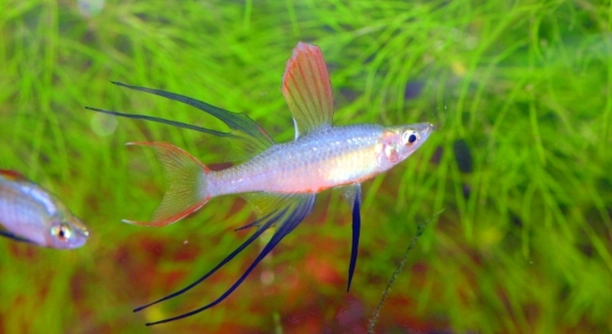
Have you ever noticed your threadfins hovering near the glass, their sleek bodies gliding gracefully as they seem to inspect their reflection with quiet curiosity?
Threadfins do not intentionally swim against their reflection out of recognition or playfulness. Their behavior is largely driven by instinct, often mistaking the reflection for another fish intruding into their territory. This natural reaction can lead to defensive or investigative swimming patterns.
Understanding this behavior can help you create a more comfortable and stress-free environment for your threadfins in their aquarium.
Understanding Why Threadfins React to Their Reflection
Threadfins are sensitive and observant fish that rely heavily on visual cues to navigate and interact within their environment. When they encounter their reflection, they often interpret it as another fish. This instinctive reaction comes from their natural behavior in the wild, where territory and hierarchy are essential for survival. Seeing what appears to be another threadfin can trigger defensive postures or cause them to swim toward the glass repeatedly. In some cases, they might flare their fins or circle around, mimicking how they would react to an unfamiliar fish nearby. This response is not a sign of aggression but rather confusion caused by the reflective surface. While this behavior is generally harmless, frequent encounters with reflections can become stressful if it happens too often. Observing how your threadfins behave near the glass can help you understand their comfort levels and adjust their surroundings accordingly.
Small reflections can seem insignificant, but they can influence your fish’s sense of safety and space inside the tank.
Minimizing strong reflections can prevent unnecessary stress. Adjusting lighting angles, background colors, or nearby light sources can make a difference. A darker background or soft side lighting can help reduce visible reflections. These simple changes not only create a calmer environment but also encourage more natural swimming behaviors. When threadfins feel secure, they are more likely to display their vibrant colors and interact more freely with their surroundings. By maintaining a stable and comfortable setup, you’ll notice a difference in how relaxed and graceful they appear during feeding or schooling moments.
Encouraging Natural Behavior in Your Aquarium
A calm aquarium setup helps your threadfins thrive and display their natural charm. Proper tank conditions and minimal disturbances make a significant difference in how active and comfortable they feel each day.
To encourage natural behavior, start by creating an environment that closely resembles their natural habitat. Threadfins prefer spacious tanks with gentle currents and shaded areas where they can swim freely without constant exposure to bright light. Adding live plants, floating cover, and open swimming spaces allows them to explore comfortably. If you notice persistent reflection reactions, placing background film or adding external décor near the tank can help reduce mirror-like effects. Consistent lighting schedules and stable water conditions also play key roles in maintaining balance. Observing their patterns can guide you in making small adjustments that enhance their comfort. A relaxed threadfin tank reflects a well-maintained, thoughtful setup that supports both health and natural movement.
Reducing Stress from Reflections
Stress can affect how threadfins eat, swim, and interact with other fish. Reducing visual stressors, like constant reflections, helps them maintain a calm temperament and natural movement throughout the day.
To lessen reflection-related stress, start by adjusting the aquarium’s lighting. Avoid placing the tank near bright windows or mirrors that bounce light back into the glass. Soft, indirect lighting helps prevent harsh reflections. Another option is adding a matte or colored background, which breaks up the mirror effect and gives the fish a sense of depth. Plants and decorations can also scatter light, creating shaded areas that make threadfins feel safer. Reducing noise and sudden movements around the tank further promotes relaxation. Consistent feeding routines and stable temperatures reinforce a sense of security, helping your fish stay active and healthy without unnecessary stress.
When threadfins feel safe, they express their true behavior more freely. You’ll notice smoother swimming and gentler fin displays rather than erratic movement. Keeping reflections minimal helps them focus on real surroundings, allowing for better social interaction with other fish. Over time, these conditions build trust and reduce defensive behavior, improving the overall health and stability of the aquarium community.
Creating a Comfortable Habitat
A comfortable habitat begins with thoughtful design choices that prioritize both space and balance. Threadfins need open areas for swimming and subtle shelter spots to retreat when they feel overwhelmed or curious.
The ideal setup includes smooth substrate, soft lighting, and moderate water flow. Avoid harsh filters that create strong currents, as threadfins prefer gentle movement. Using plants like java fern, hornwort, or floating vegetation adds shade and mimics their natural surroundings. Water quality should remain consistent with regular checks for pH and temperature. Incorporate hiding areas with driftwood or rock caves, ensuring they do not block swimming paths. Observing their behavior after small changes helps you fine-tune the environment. A calm and balanced setup not only highlights their delicate fins but also encourages natural schooling and feeding activity, reflecting their peaceful nature.
Observing Threadfin Behavior
Watching how your threadfins interact with their surroundings helps identify signs of stress or comfort. Subtle cues like fin movement, swimming speed, or time spent near the glass can reveal how they’re responding to the aquarium setup.
If they spend too much time facing the glass or swimming erratically, reflections may be causing mild confusion. Adjusting lighting or rearranging decorations can quickly improve their behavior. Regular observation helps you recognize changes early and maintain a stable, calm environment that supports healthy activity.
Feeding and Interaction
Feeding time is one of the best opportunities to observe threadfin behavior naturally. These fish prefer slow, gentle feeding routines where food drifts rather than sinks quickly. Using fine flakes or small live foods like daphnia keeps them engaged without causing competition. Consistent feeding at the same time each day creates familiarity and helps reduce anxious swimming. Threadfins also respond positively to stable surroundings, so avoid tapping on the glass or sudden movements during feeding. Calm, predictable routines help strengthen their sense of safety, making mealtimes both relaxing and beneficial for their overall health.
Maintaining Stability
Stable tank conditions are essential for keeping threadfins calm and active. Regular water testing, consistent lighting, and gentle maintenance ensure their environment remains balanced and stress-free. Consistency helps them adjust easily, leading to healthier behavior and smoother interaction with other fish in the aquarium.
FAQ
Why do my threadfins seem to attack their reflection?
Threadfins don’t recognize their reflection as their own image. When they see it, they often mistake it for another fish entering their territory. This behavior can appear as chasing, flaring fins, or swimming toward the glass. It’s a natural, instinctive response rather than aggression. In their natural habitat, they protect their space from potential rivals. If this continues frequently, reducing reflections by adjusting lighting or adding a background can help. Providing plants or shaded spots can also create visual barriers that calm their behavior. Over time, they will likely relax and stop reacting so intensely.
Can reflections harm threadfins in the long run?
Prolonged exposure to reflections can lead to unnecessary stress. When threadfins constantly feel like they need to defend their space, their energy levels drop, and they may become more anxious or withdrawn. Stress can weaken their immune system and affect feeding patterns. If your fish spend too much time near reflective surfaces, it’s important to address the cause quickly. Soft lighting, tank positioning, and background adjustments are simple ways to help. Observing your fish daily will give you clues about whether the environment feels safe and balanced for them.
How can I tell if my threadfin is stressed?
Stress in threadfins shows through subtle changes in movement and color. If their fins stay close to their body or their colors appear dull, it’s often a sign something is wrong. Rapid swimming, hiding too often, or avoiding food can also indicate discomfort. Environmental factors like poor water quality, strong currents, or frequent reflections may be the cause. Keep their surroundings consistent and calm. When they feel safe, their fins spread naturally, and they swim gracefully through open areas. Monitoring these signs regularly helps you maintain their comfort and overall health.
What type of lighting is best for threadfins?
Threadfins prefer gentle, indirect lighting that doesn’t create strong reflections. Bright overhead lights or direct sunlight can make the glass act like a mirror, leading to confusion or defensive behavior. Soft LED lights positioned slightly to the side or with dim settings work best. It’s also helpful to use a consistent light schedule, mimicking a natural day-night rhythm. This stability helps threadfins stay relaxed and maintain healthy activity patterns. Avoid frequent lighting changes, as sudden brightness can startle them and cause unnecessary stress.
Do threadfins need tank mates to feel secure?
Threadfins are social fish that thrive in small groups. Keeping them in schools of at least five or six encourages natural behavior and reduces anxiety. When alone, they may become nervous and spend more time near the glass. In a group, they swim together calmly, which helps distribute attention and reduce focus on reflections. Choose peaceful tank mates that won’t compete aggressively for food or space. Balanced groups allow threadfins to display their full range of social and schooling patterns, keeping the aquarium lively and harmonious.
What can I do if my threadfins still react to their reflection after changes?
If they continue to show signs of agitation, take time to observe lighting angles throughout the day. Reflections can shift as light moves. Adding external décor near the tank, such as plants or curtains, may reduce glare from surrounding areas. You can also use matte or frosted film on the outside of the glass to soften the reflection. Sometimes, behavior takes time to adjust. Threadfins might still check the glass out of habit, but as they feel more secure, this behavior usually fades. Patience and consistency are key.
Do threadfins recognize their owners?
Over time, threadfins can become familiar with the person who feeds them and maintains the tank. They may swim toward the glass when they see you, associating your presence with food or safety. However, this isn’t the same as true recognition. Their response is based on learned association rather than emotional attachment. Still, creating calm, predictable routines helps them develop trust. They respond best to steady care and gentle movement around the aquarium.
How often should I monitor their behavior near reflections?
Regular observation is important, especially after making lighting or tank adjustments. Spend a few minutes each day watching how they interact with the glass and each other. If they continue to react strongly, make small environmental tweaks instead of sudden changes. Consistent monitoring allows you to identify triggers early and maintain a stable, peaceful aquarium. Over time, you’ll get to know your threadfins’ habits and be able to tell when they’re relaxed or unsettled. This awareness makes maintaining their comfort much easier.
Is it normal for threadfins to flare their fins when alone?
Yes, occasional fin flaring is normal. It’s a way for threadfins to stretch and display natural movement. However, if flaring happens repeatedly while facing the glass, it might indicate that reflections are causing tension. Adjusting the environment usually helps reduce this behavior. When the tank feels balanced, threadfins reserve fin displays for social interaction, feeding, or courtship. Observing these small details helps ensure your aquarium supports both their physical and emotional well-being.
Can aquarium backgrounds really make a difference?
Yes, they can. A simple background—especially one in matte or dark tones—can significantly reduce reflections and create a sense of depth. It helps threadfins feel more secure, as they perceive fewer sudden movements or illusions around them. Even inexpensive background sheets or painted panels can make the aquarium calmer and more visually appealing.
Final Thoughts
Threadfins are graceful fish that bring a gentle rhythm to any aquarium. Their slender bodies, soft colors, and elegant swimming patterns make them fascinating to watch. However, their sensitivity also means they can react strongly to subtle changes in their surroundings, including reflections. Understanding why they behave this way helps create a balanced space where they can move freely without confusion or stress. When they mistake their reflection for another fish, they are simply following natural instincts. In the wild, protecting territory and responding to movement are key survival skills. Inside an aquarium, these instincts don’t disappear—they just appear in new forms. Recognizing this helps us respond with patience and care rather than worry or frustration.
Creating a calm environment for threadfins isn’t complicated, but it does require awareness. Small changes often make the biggest difference. Adjusting the tank’s lighting, adding a soft background, and avoiding bright reflections can transform how they behave. These simple actions make their home feel safer and more natural. Threadfins thrive in consistency, so keeping a stable feeding schedule and avoiding sudden movements around the tank also helps them feel secure. Clean water, gentle currents, and the right temperature support not only their physical health but also their comfort. Over time, you’ll begin to notice how relaxed they become—gliding smoothly, showing brighter colors, and swimming together calmly. These small signs reflect how well they are adjusting to their environment and how your care directly affects their wellbeing.
Watching threadfins flourish under steady care is rewarding. It reminds us that even small creatures respond to kindness and attention. Their behavior offers subtle lessons about patience, balance, and observation. Each movement they make reveals something about the world they live in and the environment we’ve created for them. Maintaining a reflection-free, peaceful aquarium encourages their most natural state, allowing their beauty to shine without distraction. With the right conditions, threadfins become more than just fish in a tank—they become part of a quiet, living display of grace and calm. The time spent understanding and caring for them builds a deeper appreciation for their delicate nature and the simple harmony they bring to their surroundings. In the end, providing them with comfort and security ensures they continue to thrive, making your aquarium a peaceful and captivating space for years to come.

Hello,
If you enjoy the content that we create, please consider saying a "Thank You!" by leaving a tip.
Every little bit helps us continue crafting quality advice that supports the health, happiness, and well-being of pets around the world, for pets of all shapes, sizes, and species.
We really appreciate the kindness and support that you show us!