
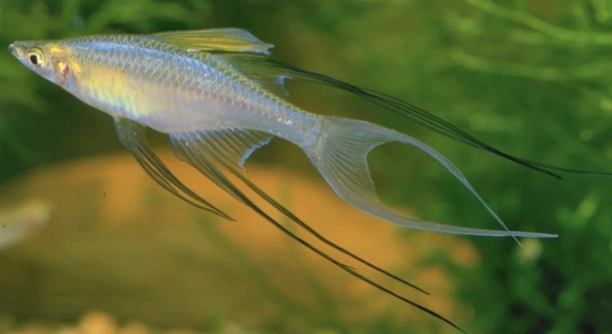
Threadfins are fascinating fish that often encounter other species with puzzling behaviors. Observing these interactions can leave anglers and enthusiasts wondering why some fish act in unexpected ways during feeding or movement patterns.
Certain fish display behaviors that confuse threadfins due to differences in swimming speed, feeding methods, schooling tendencies, and territorial instincts. Understanding these actions helps clarify why threadfins may hesitate, retreat, or react unpredictably when interacting with other species.
These behaviors are more than simple quirks, revealing patterns that influence the threadfins’ reactions and choices in their aquatic environment. Exploring them can improve awareness and handling of these fish interactions.
Rapid Swimming and Sudden Turns
Threadfins often struggle when other fish swim rapidly or make sudden sharp turns. This can startle them, especially if the fish are smaller or schooling tightly. In open water, threadfins rely on predictable movement patterns to coordinate with their environment. Abrupt swimming can interrupt their feeding rhythm or cause them to veer off course, making it harder to maintain a steady pace. This behavior is particularly noticeable when fish dart toward food and then quickly retreat, leaving the threadfins momentarily confused. Predatory instincts can also be triggered, even if there’s no real threat. Over time, threadfins may learn to anticipate certain patterns, but sudden shifts still create hesitation. Observing these interactions closely provides insight into their adaptive responses and how they adjust to other species’ movement tendencies, especially in environments with high fish density or strong currents. Recognizing these patterns can aid in managing their behavior effectively.
Threadfins often pause or hesitate in response, appearing cautious before resuming their activity. This brief confusion is typical.
Repeated encounters with rapid swimmers gradually teach threadfins to react more efficiently. They may adjust their speed, angle, and timing to better align with the sudden movements around them. In schooling situations, this adaptation is even more important, as a single misstep can disrupt the cohesion of the group. Threadfins may also develop subtle strategies to predict where fast-moving fish will go next. Over time, their reactions become smoother, reducing stress and allowing more consistent feeding. Understanding these dynamics is essential for anglers or researchers who observe mixed-species habitats, as it highlights how threadfins respond to environmental challenges. In addition, noting how other species’ speed affects threadfins can help in designing feeding routines or adjusting stocking densities in controlled environments. The combination of careful observation and patience reveals much about their adaptive capabilities.
Unusual Feeding Techniques
Some fish feed in ways that make threadfins unsure how to respond. Their methods may involve hovering, surface skimming, or striking from below, which interrupts the threadfins’ usual foraging behavior.
Threadfins may momentarily stop feeding to assess these techniques, often appearing indecisive.
Over time, threadfins learn which approaches are safe or effective, adjusting their own feeding accordingly. Certain species use quick bites, suck up prey from the bottom, or nip at food before retreating. These techniques can confuse threadfins, especially if they rely on visual cues and coordinated movement to capture their prey. The unpredictability may cause hesitation, affecting their overall feeding efficiency. Observing how threadfins interact with these methods highlights their adaptability and ability to learn from environmental cues. By understanding the impact of different feeding styles, it becomes easier to anticipate threadfin responses in mixed-species settings and manage their behavior in ponds, aquaculture systems, or natural habitats where competition and coexistence are common.
Schooling and Group Dynamics
Threadfins can become confused when other fish school tightly. Sudden changes in the group’s formation may cause hesitation or misalignment.
When fish swim in coordinated groups, threadfins sometimes struggle to find their position. Rapid shifts in direction or density can interrupt their swimming rhythm. They rely on spacing and visual cues to maintain balance. If the school tightens suddenly or disperses unexpectedly, threadfins may veer off or pause to reassess their path. These adjustments are essential for avoiding collisions and maintaining efficient movement, especially in environments with limited space or strong currents. Observing these reactions shows how threadfins respond to social patterns in other species.
Over time, threadfins learn to anticipate minor changes in school movements, but larger, abrupt shifts still cause confusion. They may lag behind, adjust their pace, or momentarily stop to rejoin the group. These behaviors highlight their adaptability and caution, allowing them to coexist without constant stress. Recognizing these patterns helps understand how threadfins interact within mixed-species environments and respond to complex social structures.
Territorial and Aggressive Displays
Threadfins are often unsettled by aggressive displays from other fish. Chasing, fin flaring, or rapid lunges can disrupt their behavior and feeding.
Aggressive or territorial behaviors in other species can intimidate threadfins, even if they are not directly threatened. When fish display dominance through chasing or flaring, threadfins may retreat or freeze to avoid confrontation. This response is particularly evident in confined spaces where escape routes are limited. Repeated exposure can lead to cautious movements and altered swimming patterns, as they attempt to navigate safely around dominant individuals. Understanding these reactions clarifies how threadfins balance feeding and safety.
Threadfins adjust their movements to minimize conflict, often giving space to more dominant fish. These adjustments may include slowing down, veering away, or avoiding areas with frequent aggressive encounters. In aquaculture or natural habitats, recognizing the influence of territorial behavior is crucial. It affects feeding efficiency, growth, and stress levels, highlighting the need to monitor interactions in shared environments. By noting how threadfins react, one can predict areas of tension and manage coexistence effectively. This careful observation ensures that threadfins maintain stability while cohabiting with more aggressive species.
Erratic Movements
Threadfins often pause when other fish move unpredictably. Sudden zigzags or stops can interrupt their usual swimming patterns.
These erratic actions can make threadfins cautious. They may slow down or change direction unexpectedly to avoid collisions or misjudged movements, ensuring safety in their environment.
Feeding Competition
When multiple fish target the same food source, threadfins can become hesitant. Rapid snatching or sudden pushes may cause them to retreat temporarily.
Surface Splashing
Some fish feed by splashing near the water surface. Threadfins may hesitate, unsure whether to approach or avoid the disturbance.
FAQ
Why do threadfins hesitate around fast-moving fish?
Threadfins rely on predictable movement to maintain balance and coordinate feeding. When other fish move quickly or change direction suddenly, threadfins pause to reassess the situation. This hesitation is a natural reaction to avoid collisions and maintain their swimming rhythm. Over time, they may adjust their pace, but sudden speed changes remain challenging.
How do threadfins respond to schooling fish?
Threadfins often try to match the movement of a school but may struggle with rapid changes in direction or density. They use spacing and visual cues to avoid collisions and maintain their place in the group. If the school shifts too abruptly, threadfins may lag behind or stop momentarily to find a safe position. Observing these behaviors helps understand how they adapt to social patterns in other species.
What makes threadfins confused during feeding?
Certain feeding techniques can startle or confuse threadfins. Fish that hover, skim the surface, or strike from below interrupt their usual feeding rhythm. Threadfins pause to evaluate these actions, ensuring they can feed safely without collisions. Over time, they learn to predict which methods are safe, adjusting their own behavior to maximize feeding efficiency while avoiding stress.
Do aggressive fish affect threadfins’ behavior?
Yes. Territorial displays like chasing, fin flaring, or lunging can intimidate threadfins. Even if they are not directly threatened, these behaviors cause hesitation. Threadfins often retreat, slow down, or alter their path to avoid confrontation. Recognizing these reactions is important for managing shared habitats, as it affects feeding, movement, and overall stress levels.
Why do threadfins pause near erratic movements?
Erratic swimming patterns, such as zigzags or sudden stops, force threadfins to be cautious. They slow down or veer away to avoid collisions. These pauses are essential for safety and help them navigate unpredictable surroundings without unnecessary risk.
How do threadfins handle competition for food?
When multiple fish target the same food, threadfins may hesitate or retreat briefly. They observe the interactions and wait for a clear opportunity to feed. This behavior reduces conflict and allows them to approach feeding more strategically, especially in crowded environments.
What happens when fish splash at the surface?
Surface splashing can confuse threadfins, making them uncertain whether to approach or avoid the area. This response is instinctive, as sudden disturbances could indicate predators or aggressive feeding behavior. Threadfins often pause until the situation stabilizes before resuming normal activity.
Can threadfins adapt to confusing behaviors over time?
Yes. Repeated exposure to fast swimmers, schooling patterns, aggressive displays, and unusual feeding techniques allows threadfins to adjust. They learn to anticipate movements, find safer routes, and feed more efficiently. While adaptation reduces stress and hesitation, completely unpredictable behaviors will still cause temporary confusion.
How can observing these behaviors help in managing threadfins?
Monitoring how threadfins react to other fish provides insight into stress levels, feeding efficiency, and social interactions. Adjusting stocking densities, feeding schedules, or habitat layout based on these observations ensures safer, more productive environments for threadfins.
Why is understanding these behaviors important?
Understanding confusing behaviors helps maintain threadfin health and growth. It ensures better feeding, reduces stress, and improves coexistence with other species. Observing their reactions also provides clues about environmental conditions, social dynamics, and potential risks in mixed-species habitats.
How do environmental factors play a role?
Currents, confined spaces, and visibility influence how threadfins react to confusing fish behaviors. Strong currents may amplify hesitation, while limited space increases the need for caution. Clear water allows better visual tracking of other fish, reducing confusion, while murky conditions may heighten pause and caution behaviors.
Can threadfins learn from repeated exposure?
Yes. Threadfins gradually learn to anticipate the actions of other species. They adjust swimming patterns, feeding strategies, and positioning within schools. Over time, their reactions become smoother, reducing hesitation while maintaining awareness of potential threats or aggressive interactions.
Do all fish behaviors confuse threadfins equally?
No. Rapid movement, aggressive displays, and erratic feeding are more likely to cause hesitation, while predictable behaviors, slow swimming, and non-threatening feeding methods are less disruptive. Threadfins prioritize safety and energy efficiency, reacting more strongly to unpredictable or potentially harmful actions.
How can this knowledge be applied in aquaculture?
Recognizing behaviors that confuse threadfins allows better habitat planning, feeding strategies, and species selection. Minimizing stressful interactions, controlling competition for food, and providing sufficient space supports healthy growth and reduces aggressive incidents among mixed species.
What signs indicate threadfins are confused?
Signs include sudden pauses, hesitation, veering away from other fish, slowing down, or temporary retreat from feeding areas. These responses reflect caution and assessment of unpredictable or potentially threatening behaviors, which are natural survival mechanisms.
Are threadfins more sensitive to certain species?
Yes. Species that move rapidly, school tightly, or display aggressive feeding techniques tend to cause more confusion. Threadfins learn to respond with caution, maintaining distance and adjusting movement patterns to avoid conflict or inefficient feeding.
Does experience reduce confusion over time?
Experience helps threadfins anticipate common behaviors, making them more confident in mixed environments. However, completely unpredictable actions or sudden aggressive displays can still trigger hesitation. Adaptation improves efficiency, but instinctive caution remains an important survival mechanism.
Can feeding techniques be modified to help threadfins?
Yes. Introducing food in predictable ways or spreading it to reduce competition can minimize hesitation. Observing their reactions and adjusting feeding methods ensures threadfins remain calm, feed efficiently, and avoid stress caused by other species’ unpredictable behaviors.
How important is observation for managing threadfins?
Observation is crucial. Understanding their reactions to schooling, aggression, erratic movements, and feeding patterns allows better planning of habitats, stocking densities, and feeding schedules. Continuous monitoring ensures threadfins maintain stability, health, and efficient interactions with other species in their environment.
What long-term effects can confusing behaviors have?
Frequent exposure to confusing or aggressive behaviors may increase stress, reduce feeding efficiency, and impact growth. Providing stable conditions, predictable feeding, and adequate space allows threadfins to adapt and thrive without unnecessary strain.
Are threadfins naturally cautious or reactive?
Threadfins exhibit both caution and reactivity. They pause to assess sudden changes, aggressive displays, or erratic movements. This balance ensures safety while allowing adaptation to mixed-species environments, reflecting their instinctive awareness and learning capacity.
How do threadfins balance safety and feeding?
They prioritize avoiding collisions or aggression while still attempting to feed efficiently. Pauses, retreats, and adjustments in swimming allow threadfins to maintain safety without entirely sacrificing access to food, balancing risk with nourishment.
Do environmental changes affect confusion levels?
Yes. Turbulence, space constraints, and visibility influence how threadfins respond. Clear water and stable conditions reduce hesitation, while sudden currents or crowded areas amplify caution, emphasizing the role of surroundings in behavioral responses.
How can aquaculture setups support threadfins?
Providing sufficient space, predictable feeding patterns, and compatible species minimizes confusion. Observing interactions allows fine-tuning of environment and routines, ensuring threadfins remain calm, feed efficiently, and coexist peacefully with other fish.
Can threadfins teach us about fish behavior?
Observing their reactions offers insight into social dynamics, feeding strategies, and stress responses in mixed-species habitats. Their behavior reflects adaptation, caution, and learning, providing a clear view of aquatic interactions that may otherwise go unnoticed.
Do they ever completely overcome confusion?
Threadfins improve with experience, learning to anticipate many behaviors. However, entirely unpredictable or aggressive actions will still trigger hesitation. Their instincts for caution remain, balancing adaptation with survival.
What practical steps can reduce confusion in mixed habitats?
Provide ample space, stagger feeding times, monitor aggressive individuals, and maintain predictable environmental conditions. These steps allow threadfins to adapt more easily, reduce stress, and maintain consistent feeding patterns.
How does stress influence their responses?
Stress amplifies hesitation and cautious behavior. Chronic exposure to aggressive or unpredictable actions can lower feeding efficiency and overall well-being. Managing interactions and environmental stability helps mitigate these effects, ensuring healthier, calmer threadfins.
Are there differences in responses among individual threadfins?
Yes. Some are bolder, quickly adapting to confusing behaviors, while others are more cautious, pausing longer or avoiding risky interactions. Individual temperament affects how threadfins respond to schooling, aggression, or feeding competition, highlighting diversity in behavioral adaptation.
Can observing threadfins improve fish handling?
Yes. Monitoring their reactions provides cues about environmental stressors, aggression, or feeding efficiency. Adjustments based on these observations allow better management of mixed-species habitats, ensuring healthier, calmer, and more productive fish populations.
Do threadfins ever mimic behaviors of other fish?
They may adjust swimming speed, positioning, or feeding approach based on the actions of surrounding fish. While not true mimicry, these adaptations allow threadfins to coexist effectively and reduce conflict in shared environments.
How long does adaptation take?
Adaptation varies based on exposure frequency, species interactions, and environmental stability. Some threadfins adjust within days, while others take weeks to consistently respond to confusing behaviors without hesitation. Patience and observation are key.
What role does memory play in confusion?
Threadfins remember past interactions, using experience to anticipate rapid movements, aggression, and unusual feeding methods. This memory helps them respond more efficiently, reducing stress and improving feeding performance over time.
How can feeding strategies be tailored for them?
Distributing food across multiple locations, using predictable timing, and minimizing aggressive competition allow threadfins to feed without hesitation. These strategies reduce stress and improve overall growth and well-being in mixed-species habitats.
Is confusion more pronounced in young threadfins?
Yes. Juveniles are less experienced and more cautious, pausing longer and avoiding unpredictable situations. With repeated exposure, they gradually learn to anticipate behaviors and respond with more confidence, reducing hesitation over time.
Do threadfins respond differently in captivity versus natural habitats?
Environmental conditions, space, and species composition affect responses. In controlled settings, predictable conditions reduce confusion, while in natural habitats, sudden movements, aggression, and competition may increase hesitation. Understanding these differences informs better management and observation practices.
Can stress from confusion impact health?
Chronic confusion and hesitation increase cortisol levels, reduce feeding efficiency, and can slow growth. Maintaining stable, predictable conditions with compatible species mitigates these effects, supporting threadfin health and longevity.
What should be observed to assess confusion levels?
Look for sudden pauses, retreats, changes in swimming speed, or hesitation during feeding. These behaviors indicate responses to unpredictable or aggressive fish actions, helping identify stress points in the environment.
How does social hierarchy affect confusion?
Dominant species can increase threadfin hesitation. Observing interactions helps manage spacing, feeding, and habitat design to reduce conflict and ensure threadfins maintain consistent behavior without excessive stress.
Are there signs that threadfins are adapting well?
Reduced pauses, smoother swimming, consistent feeding, and confidence in mixed-species settings indicate successful adaptation. Gradual improvement shows they are learning to navigate challenging behaviors efficiently.
Can threadfins thrive with aggressive neighbors?
Yes, if space, feeding, and environmental conditions are managed carefully. Understanding their reactions and adjusting interactions helps maintain calm, reduce stress, and ensure access to food despite aggressive behaviors.
Does group size impact confusion?
Larger groups increase complexity and potential hesitation. Threadfins may pause more frequently in dense schools but adapt over time as they learn to navigate crowded environments safely.
Are some behaviors more stressful than others?
Rapid movements, aggressive lunges, and unpredictable feeding techniques are the most stressful. Stable swimming patterns and predictable interactions cause minimal confusion, allowing threadfins to feed and move with confidence.
How can aquaculture practices reduce stress from confusing behaviors?
Implement adequate space, predictable feeding, compatible species, and careful monitoring of aggression. These measures minimize hesitation, maintain feeding efficiency, and promote healthier threadfin populations.
Do threadfins show learning capacity in behavior adjustment?
Yes. They observe, remember, and adapt to repeated patterns, adjusting swimming, feeding, and positioning to reduce confusion and safely coexist with other species in mixed environments.
Can environmental enrichment help?
Providing structures, varied feeding locations, and controlled flow patterns encourages natural behaviors while reducing confusion. Enrichment supports adaptation and maintains lower stress levels.
How important is pacing when introducing new species?
Gradual introductions reduce stress and hesitation. Threadfins can observe and adapt to new behaviors, minimizing confusion and ensuring smoother integration into existing populations.
Do water conditions influence responses?
Yes. Clarity, temperature, and current affect visibility and movement, influencing how threadfins interpret other species’ actions. Stable conditions reduce confusion, while sudden changes increase hesitation and cautious behavior.
Can stress from confusion be reversed?
Yes. With stable conditions, adequate space, predictable feeding, and compatible neighbors, threadfins gradually regain confidence, feeding efficiency, and normal swimming patterns, reducing overall stress.
Are threadfins naturally observant?
Yes. They monitor other fish for cues on movement, aggression, and feeding. This attentiveness helps them adapt to complex or unpredictable behaviors in shared environments.
Does diet affect responses?
Adequate nutrition ensures threadfins remain alert and responsive. Hunger or malnutrition may exaggerate hesitation or stress, while balanced diets support calm, efficient feeding even in confusing situations.
Can environmental monitoring improve adaptation?
Tracking water quality, space, and species interactions helps identify stressors. Adjustments based on these observations allow threadfins to adapt more quickly and reduce confusion-related behaviors.
Do threadfins ever ignore confusing behaviors?
They may bypass minor disturbances if not perceived as threats, focusing on feeding or swimming efficiently. This selective attention allows them to conserve energy while managing environmental challenges.
Are all threadfins equally sensitive?
No. Individual temperament affects hesitation and adaptation. Some are naturally bolder and adapt quickly, while others are cautious, pausing longer or avoiding certain interactions to reduce stress.
Can these observations inform fisheries management?
Yes. Understanding reactions to schooling, aggression, and feeding behaviors informs stocking strategies, habitat design, and species selection, improving efficiency, health, and coexistence in managed systems.
Do threadfins communicate stress or confusion?
They use body language, such as sudden stops, retreats, or changes in swimming speed, signaling caution to other fish and maintaining awareness in shared spaces.
Is repeated exposure necessary for full adaptation?
Yes. Consistent exposure allows learning, reduces hesitation, and enhances feeding efficiency. Sudden or extreme behaviors may still trigger pauses, but overall confidence increases with time and experience.
How can one balance feeding efficiency and safety?
By observing interactions, spacing food appropriately, and minimizing aggressive encounters, threadfins can feed efficiently while avoiding risk, maintaining calm and consistent behavior in mixed-species environments.
Can threadfins teach about species interactions?
Their reactions reflect social hierarchies, feeding competition, and aggression management. Observing them offers insight into behavioral adaptation, learning, and coexistence strategies among aquatic species.
Do younger threadfins adapt slower?
Yes. Juveniles are cautious, pausing longer and learning through repeated exposure. Adults adapt faster due to experience, though instinctive caution remains, especially with aggressive or unpredictable neighbors.
Are environmental modifications effective in reducing confusion?
Yes. Stable water conditions, adequate space, structured feeding, and compatible species reduce hesitation, stress, and conflict, supporting healthier threadfin populations in both natural and managed habitats.
How do threadfins handle repeated disruptions?
They adjust cautiously, slowing movements or avoiding conflict areas. Over time, adaptation improves, but instinctive reactions to sudden or aggressive behaviors persist to maintain safety.
Can monitoring threadfins predict other species’ behavior?
Yes. Observing responses to aggression, speed, and schooling can indicate tendencies of other fish, helping anticipate conflicts and manage interactions effectively.
Does individual personality influence adaptation?
Yes. Bold threadfins adapt quickly, while cautious individuals pause more frequently. Recognizing these differences allows better management and understanding of group dynamics.
How can feeding be timed to reduce confusion?
Staggered or predictable feeding reduces competition and hesitation. Threadfins respond better when food is consistent and access is not challenged by aggressive or fast-moving fish.
Are visual cues important for adaptation?
Yes. Threadfins rely on sight to interpret movement, aggression, and feeding. Clear visibility reduces confusion, while murky conditions increase hesitation and cautious behavior.
Do threadfins ever recover quickly from confusion?
With experience, stable conditions, and minimal aggression, they regain confidence quickly. Sudden, extreme behaviors may still trigger pauses, but overall efficiency improves over time.
How can stress be monitored effectively?
Observe swimming patterns, pauses, feeding efficiency, and avoidance behaviors. Sudden changes indicate stress, guiding adjustments in environment or species interactions to maintain calm threadfins.
Do threadfins prefer certain environments?
Yes. Open spaces with clear water and minimal aggressive neighbors reduce confusion. Dense or turbulent areas increase hesitation and cautious behavior, affecting feeding and swimming efficiency.
Can these behaviors inform conservation practices?
Yes. Understanding reactions to schooling, aggression, and feeding aids habitat management, species selection, and ecosystem planning, supporting healthier threadfin populations and balanced interactions.
Do threadfins ever take risks?
They may approach minor disturbances when food is abundant or no immediate threat is perceived. Risk-taking is measured, balancing feeding needs with safety considerations.
How does age affect adaptation to confusing behaviors?
Younger threadfins are cautious and slower to adapt. Adults respond faster due to experience, though instinctive hesitation remains when encountering sudden, unpredictable, or aggressive actions.
Are threadfins influenced by the size of neighboring fish?
Yes. Larger, more dominant fish trigger stronger caution, causing pauses, retreats, or altered swimming. Smaller fish have less impact unless they move unpredictably or feed aggressively.
Do threadfins benefit from observation of peers?
Yes. Watching other threadfins navigate confusion helps individuals learn faster, anticipate behaviors, and reduce stress when dealing with rapid, aggressive, or erratic fish actions.
Can adaptation vary by species of neighbor fish?
Yes. Threadfins respond differently depending on swimming patterns, aggression levels, and feeding behaviors of other species, adjusting their own actions to coexist safely and efficiently.
Is energy conservation a factor in hesitation?
Pausing or retreating conserves energy during confusing situations. Threadfins weigh the risk of movement against energy expenditure, ensuring they maintain efficiency while avoiding unnecessary stress.
Do threadfins ever resume normal behavior quickly?
Yes. Once the disturbance passes or the environment stabilizes, they return to feeding and normal swimming, showing adaptability and resilience in response to confusing or aggressive behaviors.
Final Thoughts
Threadfins are fascinating fish that exhibit a range of responses when interacting with other species. Their behavior can sometimes appear cautious, hesitant, or even confused, especially when faced with rapid movements, aggressive displays, or unusual feeding techniques. These reactions are natural and reflect their instinct to prioritize safety and efficiency. Threadfins rely on visual cues and predictable patterns to maintain balance, navigate their environment, and feed effectively. When these cues are disrupted by the actions of other fish, threadfins often pause, change direction, or adjust their swimming speed. Understanding these behaviors provides valuable insight into their adaptive strategies and highlights how they cope with challenges in mixed-species environments. Observing threadfins closely can reveal patterns that are not immediately obvious, such as how they adjust to schooling fish, avoid aggressive individuals, or respond to surface disturbances. These subtle behaviors illustrate their ability to assess risks and make rapid decisions, even in situations that seem confusing at first.
Adaptation is a key factor in how threadfins handle these confusing situations. Over time, they learn to anticipate the movements of other fish, recognize common patterns, and adjust their own behavior accordingly. This process is gradual and varies depending on individual temperament, experience, and environmental conditions. Younger or less experienced threadfins may take longer to respond confidently, pausing more often or retreating from potential threats. Older or more experienced fish tend to react more smoothly, using memory and observation to navigate challenges effectively. Even with repeated exposure, however, sudden or unpredictable behaviors can still cause hesitation. This shows that threadfins balance caution with adaptability, ensuring they minimize risk while maintaining feeding efficiency. By understanding how threadfins adapt, it becomes possible to create environments that support their natural behavior, reduce stress, and improve overall well-being. Proper management of habitat space, feeding methods, and species composition allows threadfins to coexist successfully with other fish while maintaining stability and comfort.
Monitoring threadfin behavior also provides practical benefits for aquaculture, habitat management, and research. Their responses to aggressive displays, rapid swimming, or unusual feeding techniques can indicate stress levels, social dynamics, and environmental conditions. By paying attention to these behaviors, adjustments can be made to feeding routines, stocking densities, or habitat design to support calm, efficient, and healthy fish populations. It is also important to note that threadfins show individual variation in how they react to confusing situations. Some fish are naturally bolder, adapting quickly to changes, while others are more cautious, requiring time and stable conditions to respond confidently. Recognizing these differences helps ensure balanced management practices and promotes positive interactions among mixed-species groups. Ultimately, understanding and observing threadfins in their environment highlights their resilience, adaptability, and the subtle ways they maintain safety, feeding efficiency, and overall well-being despite the challenges posed by other fish behaviors.

Hello,
If you enjoy the content that we create, please consider saying a "Thank You!" by leaving a tip.
Every little bit helps us continue crafting quality advice that supports the health, happiness, and well-being of pets around the world, for pets of all shapes, sizes, and species.
We really appreciate the kindness and support that you show us!