
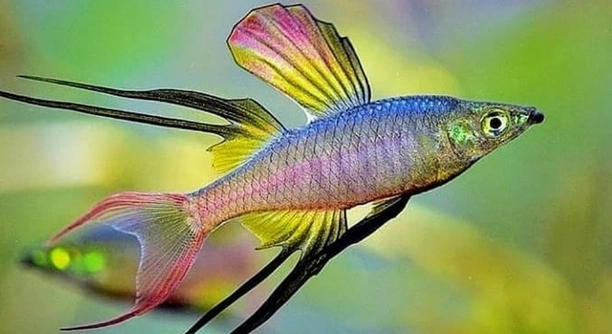
Threadfins are often seen gliding along the glass walls of aquariums, moving in a steady, almost rhythmic pace. Observing them can be strangely calming, and many aquarists find their behavior both fascinating and puzzling.
Threadfins pace along the glass wall primarily due to environmental exploration and stress responses. They use this behavior to navigate their surroundings, maintain spatial awareness, and sometimes to cope with limited space or changes in water conditions, which is common in captivity.
Understanding this behavior can help you provide a more suitable environment, ensuring your threadfins remain healthy and comfortable in their tank.
Understanding Threadfin Behavior
Threadfins often display pacing behavior that can seem repetitive at first glance. They are active swimmers, and in an aquarium, walls create boundaries that limit natural movement. Pacing helps them map the space and feel secure in an unfamiliar environment. Changes in lighting, water flow, or tank setup can also influence this behavior. In many cases, threadfins will follow a predictable path along the glass as they adjust to their surroundings. Observing their movements closely can reveal patterns linked to feeding times, presence of other fish, or sudden disturbances. It is important to recognize that pacing is not necessarily a sign of illness but a method for coping and environmental awareness. Aquarists who track these behaviors often notice small improvements in fish activity when minor adjustments are made. Maintaining clean water and consistent routines reduces stress, allowing threadfins to explore more freely without constantly pacing.
Properly noting their habits can improve tank management and fish health.
Adjusting tank size or décor may reduce wall pacing. Watching behavior daily helps identify stress triggers.
Environmental Factors Influencing Pacing
Tank size and layout play a major role in pacing behavior. Smaller tanks restrict natural swimming patterns, while lack of hiding spots or enrichment can lead to repetitive movement. Lighting, water temperature, and filtration all contribute to how threadfins respond to their environment. Even minor disturbances, such as sudden noises or vibrations, may cause them to circle the tank more frequently. Placement of decorations and plants can create visual barriers that reduce wall following, while open spaces encourage more natural swimming. Monitoring water parameters consistently ensures the tank remains suitable for their needs, which can prevent anxiety-driven pacing. Over time, observing subtle changes in their movement can indicate comfort levels and adaptation.
Proper environmental adjustments and careful observation can make a significant difference in pacing. Threadfins respond well to tanks that mimic aspects of their natural habitat. Adding gentle water currents and varied terrain allows them to swim freely and explore safely. Structured hiding spaces and visual barriers reduce repetitive pacing by giving them a sense of security. Regular monitoring of water quality, temperature, and tank companions ensures minimal stress. By creating an environment tailored to their behavioral patterns, aquarists can encourage healthy activity and more natural interaction within the aquarium. Recognizing the connection between space, enrichment, and behavior provides clear guidance for improving daily life for threadfins in captivity. Over time, these adjustments lead to calmer fish and more dynamic movement patterns, enhancing both their well-being and the overall aquarium experience.
Social Interactions and Pacing
Threadfins often pace more when other fish are present. Dominance, competition, or curiosity can influence their movement along the glass. Observing how they react to tankmates can provide insight into social dynamics.
Interactions with other fish shape pacing behavior. Threadfins may follow, avoid, or circle depending on who is nearby. Territorial fish or overly active companions can cause increased wall-following, while calm, compatible species reduce stress-related pacing. Feeding schedules also play a role—threadfins often anticipate food and swim along familiar paths. Watching patterns over time reveals their preferences and comfort levels, helping aquarists adjust tank composition.
Social cues, both subtle and obvious, guide how threadfins move. Recognizing these signs allows for better management of group dynamics. Adjusting tankmates, spacing, or feeding areas can reduce pacing. With careful observation, it is possible to balance interaction and personal space. Providing multiple hiding spots and visual breaks ensures threadfins feel secure, even in community tanks. Observing how individuals respond to each other offers clues about stress levels and helps maintain harmony. Over time, improved social arrangements lead to calmer, more predictable behavior, enhancing the tank environment for everyone involved.
Feeding Patterns and Wall Swimming
Threadfins often pace near the glass in anticipation of feeding. They learn where and when food appears and develop routines around it. Anticipation can increase activity and wall-following behavior.
Regular feeding schedules create predictability. Threadfins associate certain areas with food, leading to repeated paths along the tank walls. Variations in diet or feeding method influence their excitement levels. Slow-release foods or scattered feeding can reduce repetitive pacing. Feeding at consistent times helps them adjust expectations, while sudden changes may trigger stress-driven movement. Monitoring how they respond during feeding shows individual preferences and highlights any signs of over-competition among tankmates.
Adjusting feeding methods improves overall behavior. Using varied techniques and placements encourages natural foraging, reducing repetitive wall swimming. Rotating feeding spots or introducing sinking and floating foods engages threadfins in more dynamic activity. Providing enrichment during feeding helps them explore the tank more fully rather than sticking to one path. Observing responses to different foods also reveals health indicators, as decreased appetite or changes in movement can signal stress or illness. Over time, varied feeding and attention to their habits support calmer, more balanced activity, benefiting both the fish and the aquarium ecosystem.
Stress and Environmental Changes
Threadfins often pace along the glass when stressed. Sudden changes in water temperature, lighting, or tank setup can trigger this behavior.
Loud noises, vibrations, or new tankmates also contribute. Stress causes them to swim repetitively as a coping mechanism, seeking familiar territory and security within the tank.
Tank Size and Swimming Space
Limited swimming space encourages wall-following behavior. Smaller tanks prevent natural movement, forcing threadfins to pace along boundaries instead of swimming freely. Providing a larger, open area reduces repetitive movement and supports more natural, varied swimming patterns.
Observing Individual Differences
Each threadfin has its own habits. Some pace frequently, while others swim calmly. Tracking individual behavior helps understand specific needs and comfort levels.
FAQ
Why do threadfins pace along the glass so often?
Threadfins pace as a way to explore and understand their surroundings. In captivity, tanks create boundaries they wouldn’t encounter in the wild. This repetitive movement helps them map the environment, feel secure, and respond to stimuli like light, water flow, or the presence of other fish. Stress or sudden changes can increase pacing.
Is pacing a sign of illness?
Not always. Pacing can be normal behavior for threadfins, especially in smaller tanks. However, excessive or frantic pacing, accompanied by clamped fins, loss of appetite, or unusual coloration, may indicate stress, poor water conditions, or illness. Observing overall behavior is key to distinguishing normal activity from potential health issues.
Can tank size affect pacing?
Yes. Smaller tanks restrict natural swimming patterns, encouraging wall-following. Providing a larger tank with open swimming space reduces repetitive movement and supports more natural behaviors. Decorations and plants should also be placed to create visual breaks without overcrowding the tank.
Does social interaction influence pacing?
Threadfins respond to tankmates. Aggressive, territorial, or overly active fish can trigger pacing along the glass, while calm, compatible companions reduce it. Observing interactions and adjusting tank composition helps maintain harmony and reduces repetitive swimming caused by social stress.
How does feeding affect pacing behavior?
Threadfins often pace near areas where they expect food. Consistent feeding schedules help them predict when and where food appears. Sudden changes in feeding time, type, or method can increase wall-following. Using varied feeding techniques, like floating, sinking, or scattered food, encourages exploration and reduces repetitive pacing.
What environmental factors contribute to pacing?
Lighting, water temperature, filtration, and tank layout all play a role. Sudden changes in any of these can trigger pacing. Gentle currents, hiding spots, and consistent water quality support comfort, while frequent disruptions or overcrowding increase stress-driven movement along the glass.
How can I reduce pacing in my threadfins?
Provide a larger tank with open swimming space, visual barriers, and hiding spots. Maintain stable water conditions and predictable feeding routines. Adjust tankmates to reduce social stress and vary enrichment items. Observing individual preferences allows tailored changes that improve comfort and reduce repetitive wall-following.
Are all threadfins the same in pacing behavior?
No. Individual differences matter. Some threadfins are naturally more active or curious, while others prefer calmer routines. Tracking individual habits helps determine whether pacing is normal for a specific fish or a response to stress, environmental changes, or social dynamics.
Does enrichment help reduce pacing?
Yes. Adding plants, driftwood, or structures encourages exploration. Rotating decorations or introducing varied swimming paths reduces repetitive movement. Enrichment creates a stimulating environment, allowing threadfins to interact naturally with their surroundings instead of continuously following the tank walls.
When should I consult a professional?
If pacing is paired with other warning signs—such as sudden appetite loss, unusual swimming patterns, or physical changes—consult a veterinarian or aquatic specialist. Early attention can prevent health issues and ensure the threadfins’ environment supports their long-term well-being.
Can pacing ever be completely eliminated?
Not entirely. Some level of wall-following is natural for threadfins, especially in captivity. The goal is to reduce stress-driven or excessive pacing through tank adjustments, enrichment, social management, and consistent care. Accepting a small amount of pacing as normal helps maintain realistic expectations.
How do I know if pacing is improving?
Track daily behavior and note changes in movement patterns. Less frequent wall-following, calmer swimming, and regular feeding are signs of improvement. Observing responses to enrichment and tank adjustments provides insight into comfort levels and the effectiveness of changes.
Does water quality directly impact pacing?
Yes. Poor water conditions, like high ammonia, nitrite, or unstable temperatures, increase stress, causing more pacing. Regular testing and maintenance support overall health and reduce repetitive wall-following. Stable water parameters are essential for both comfort and natural behavior in threadfins.
Can pacing affect overall health?
Excessive pacing itself doesn’t harm threadfins directly, but it can indicate stress or inadequate space. Chronic stress can impact immunity, appetite, and growth. By addressing pacing triggers, you support both mental well-being and physical health, encouraging more balanced activity.
How long does it take to see changes after adjustments?
Results vary depending on the cause and individual fish. Some threadfins adapt within days, while others need weeks to show reduced pacing. Consistency in water quality, tank setup, feeding, and social environment is key to long-term improvement.
What’s the best overall approach to manage pacing?
Combine multiple strategies: ensure adequate tank size, maintain stable water conditions, provide enrichment, manage social interactions, and stick to predictable feeding routines. Observing individual differences allows fine-tuning adjustments. Over time, this approach reduces stress-driven pacing and promotes healthier, more natural swimming behavior.
Final Thoughts
Threadfins pacing along the glass wall is a common behavior that many aquarists notice. While it can seem repetitive or worrying at first, it is often a natural response to their environment. In captivity, tanks create boundaries that don’t exist in the wild. Pacing allows threadfins to explore the space, stay aware of their surroundings, and feel secure. Many factors influence this behavior, from tank size and layout to social dynamics and feeding routines. Observing the fish closely helps in understanding what drives the pacing and whether it indicates stress or is simply part of their normal activity. It is important to remember that not all pacing is harmful, and some level of wall-following is natural.
Environmental adjustments can make a significant difference in how threadfins behave. Providing a larger tank with open swimming space encourages more natural movement and reduces repetitive patterns. Visual barriers, plants, and decorations help break up the tank, giving the fish areas to hide and explore. Maintaining stable water conditions, including temperature, pH, and filtration, reduces stress and promotes calm behavior. Social interactions also play a role; pairing threadfins with compatible tankmates lowers anxiety and decreases pacing caused by dominance or competition. Even simple changes, like varying feeding techniques or rotating enrichment items, encourage activity away from the walls and support healthier, more balanced behavior. Tracking individual habits over time allows for adjustments tailored to each fish, improving their overall well-being.
Consistency and patience are key when addressing pacing behavior. Threadfins respond gradually to changes, and it may take days or weeks to notice improvement. Paying attention to both the environment and the individual preferences of the fish ensures that adjustments are effective. Providing regular feeding schedules, enrichment, and social stability contributes to calmer, more natural activity. Understanding pacing as part of the fish’s behavioral repertoire helps aquarists maintain realistic expectations and better manage the aquarium. By creating a comfortable, stimulating, and stable environment, threadfins can display their full range of behaviors without excessive stress. Over time, these measures lead to healthier, more active fish and a more enjoyable aquarium experience.

Hello,
If you enjoy the content that we create, please consider saying a "Thank You!" by leaving a tip.
Every little bit helps us continue crafting quality advice that supports the health, happiness, and well-being of pets around the world, for pets of all shapes, sizes, and species.
We really appreciate the kindness and support that you show us!