
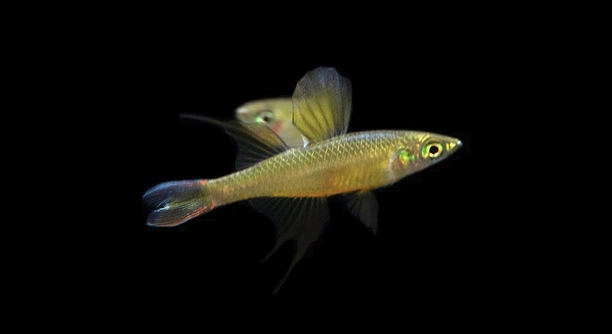
Threadfin Rainbowfish are small, colorful freshwater fish that often brighten up home aquariums. Many hobbyists enjoy watching their graceful movements and shimmering scales as they swim together in groups. Their behavior can be both playful and gentle.
Threadfin Rainbowfish exhibit social hierarchies within their groups. Dominance is typically established through subtle displays and occasional chasing, influencing feeding order and swimming positions. These hierarchies are not overly aggressive but help maintain group stability and reduce conflicts.
Observing these dynamics can improve how you care for them and create a harmonious tank environment. Understanding their social structure is key to keeping them healthy and active.
Understanding Their Social Behavior
Threadfin Rainbowfish naturally form groups where each fish has a place. In my experience keeping them, I noticed that some fish tend to swim at the front while others hang back. This placement is not random; it reflects their confidence and status within the group. Dominant fish often display brighter colors, especially during feeding times, signaling their higher rank. Less dominant fish may stay close to plants or the tank edges, avoiding confrontation. These subtle patterns make it easier to predict interactions and reduce stress among the group. Observing these behaviors regularly can help identify any changes in the social structure, which might indicate health or environmental issues. Feeding routines, tank size, and decoration placement can all influence these interactions. By adjusting these factors, the social hierarchy can remain stable, ensuring that all fish get access to food and space. The way they establish their pecking order is delicate yet fascinating to watch.
Social interactions in these fish are mostly calm, with only brief skirmishes when dominance is challenged.
Monitoring their group carefully allows you to see which fish lead and which prefer safety. Understanding these roles can guide feeding and tank arrangement decisions, ensuring a peaceful environment for all members of the group.
Signs of Hierarchy in the Tank
One of the clearest signs of hierarchy is the order in which fish eat.
When observing Threadfin Rainbowfish, dominant individuals often get to the food first, swimming confidently to the surface while others wait their turn. Over time, these patterns become predictable. Subordinate fish may nibble at leftovers or feed at quieter times, indicating respect for the dominant fish. Another sign is swimming position; leaders tend to patrol the center of the tank, while lower-ranking fish stick to edges. Color intensity is also a strong signal—brighter, more vibrant fish usually hold higher rank. Recognizing these signs can help in creating a balanced tank. Adjustments like adding extra hiding spots or distributing food more evenly can reduce stress. Even small changes in the tank’s layout can impact the social order. Learning to read these subtle cues allows for better care and a more harmonious aquatic environment, making it easier to keep all fish healthy and active.
Maintaining Harmony in the Group
Dominant fish usually take the lead, but it’s important to ensure everyone has space. Subordinate fish need hiding spots and clear areas to reduce stress and avoid constant chasing.
Providing plenty of plants, rocks, and decorations helps each fish feel secure. I noticed that when my tank was sparsely decorated, lower-ranking fish often stayed in corners, stressed, and ate less. Adding extra hiding spaces allowed them to explore more freely and interact without fear. Even small changes, like repositioning a plant or adding floating cover, encouraged shy fish to swim more confidently near the center. Maintaining harmony isn’t just about preventing fights—it also supports feeding, breeding behavior, and overall health. A balanced environment keeps energy levels even, colors brighter, and reduces the chance of illness linked to stress. Watching them adjust to new arrangements is satisfying, showing how quickly they adapt when their environment supports natural behavior.
A well-decorated tank allows all fish to thrive, regardless of rank.
Even in a peaceful group, occasional squabbles can occur. Observing these interactions helps maintain balance and prevents minor disputes from escalating.
Feeding and Social Rank
Dominant fish often eat first, so it’s useful to spread food evenly. Multiple feeding spots reduce stress for lower-ranking fish and ensure everyone gets enough nutrition.
Feeding time in my tank used to be chaotic. The dominant fish would rush the surface, and shy fish often missed out on meals. By sprinkling food in different areas and at different heights, all fish could feed comfortably. I also noticed that floating foods encouraged interaction while sinking foods gave timid fish a chance to eat safely. Balancing feeding practices maintains social order while keeping subordinate fish healthy. Over time, all fish gained weight evenly, colors brightened, and aggression decreased. Observing how each fish approaches food also provides insights into their rank and behavior. Adjusting feeding routines based on these patterns supports harmony and reduces stress within the group.
Even small changes in feeding routines significantly affect the social balance and overall health of the group.
Observing Subtle Behaviors
Subordinate fish often display hesitation near dominant ones. They may linger behind plants or move slowly to avoid drawing attention, which is natural and part of their social structure.
Dominant fish show subtle gestures like brief chasing or fin displays. These behaviors establish rank without serious harm, keeping the group balanced and interactions predictable.
Influence of Tank Size
A larger tank allows more freedom for each fish, reducing stress and aggression. In my experience, cramped spaces increase competition for territory and food, making hierarchies more tense. Providing ample room encourages natural swimming patterns and social interaction, allowing lower-ranking fish to find safe areas.
Color and Rank
Brighter colors often indicate higher social standing. Dominant fish tend to display more vivid hues, while shy or subordinate fish appear slightly muted in tone, signaling their rank within the group.
FAQ
How many Threadfin Rainbowfish should be kept together?
Keeping them in groups of at least six is ideal. Smaller groups can increase stress and aggression, making dominant fish overly assertive. In my experience, groups of eight to ten create a balanced social structure, allowing each fish to have its own space while maintaining natural group behavior.
Do Threadfin Rainbowfish show aggression often?
They are generally peaceful, but mild aggression is normal. Dominant fish may chase others briefly to assert rank, especially during feeding. I’ve noticed that this behavior rarely leads to injury if the tank is well-decorated and spacious, giving subordinate fish room to retreat and feel secure.
How can I reduce stress in my tank?
Providing hiding spots, plants, and open swimming areas helps. In my tank, adding extra rocks and floating plants allowed shy fish to explore without fear. Reducing sudden movements near the tank and feeding evenly also lowers stress and helps maintain a calm social hierarchy.
Can color changes indicate health or rank?
Yes. Brighter, more vibrant colors often show dominant status, while duller colors may indicate lower rank or stress. When I observed a sudden color fade in one fish, it signaled illness or discomfort. Maintaining water quality, proper diet, and a stable environment keeps colors vivid and social order steady.
Do Threadfin Rainbowfish need a specific tank size?
A longer tank is better than a tall one, as they swim horizontally. I’ve found that a tank at least 30 inches long allows natural schooling and reduces disputes. Overcrowding can intensify competition and stress, so spacing is key for harmonious groups.
How do I know which fish is dominant?
Dominant fish often eat first, occupy central areas, and show brighter colors. They may also perform quick fin displays or brief chases. Watching your fish over several days helps identify patterns, as rank can shift slowly depending on age, size, or health.
Will new fish disrupt the hierarchy?
Yes, adding new fish can temporarily shake up social order. Introducing fish gradually and providing plenty of hiding spots helps. I always acclimate newcomers slowly, monitoring interactions carefully. Most groups settle within a week or two, with minimal stress if space and resources are sufficient.
Does tank decoration affect social behavior?
Absolutely. Rocks, plants, and caves allow lower-ranking fish to escape and feel safe. In my experience, rearranging decorations encouraged shy fish to swim more confidently and reduced minor squabbles. A varied environment supports natural behavior and helps maintain a stable hierarchy.
Do males and females behave differently?
Males are usually more colorful and assertive, especially during feeding or breeding periods. Females tend to be more reserved and may stay near plants or edges. Observing these differences helps manage group dynamics and ensure all fish are healthy and comfortable.
Is it necessary to separate aggressive fish?
Only if aggression becomes frequent or causes injury. Minor chasing is normal. I once noticed a dominant fish bullying one subordinate consistently; separating temporarily while rearranging hiding spots resolved the issue. Monitoring interactions closely ensures the group remains balanced without unnecessary stress.
How does feeding impact social hierarchy?
Dominant fish often eat first, but spreading food across the tank allows everyone to get enough. In my tank, I sprinkle flakes in multiple areas, which reduces competition and helps shy fish feed safely. Feeding routine consistency also supports stable social interactions.
Can Threadfin Rainbowfish change rank over time?
Yes, rank can shift based on size, age, or health. I’ve seen younger fish gradually become more confident as older ones slow down. Observing these changes allows for adjustments in feeding, space, and hiding spots, ensuring all fish remain healthy and stress-free.
Are there signs of stress to watch for?
Subordinate fish hiding excessively, dull colors, or reduced eating are common stress indicators. I check water quality regularly, maintain proper feeding, and ensure adequate decorations to prevent stress. Early observation and adjustments can prevent health issues and maintain harmony in the tank.
Do they interact with other species?
Threadfin Rainbowfish are generally compatible with other peaceful fish of similar size. Aggressive or much larger species can disrupt their social structure. I’ve kept them with small tetras and danios successfully, and both groups maintained natural behavior without conflict.
How important is water quality for social behavior?
Extremely important. Poor water conditions increase stress, weaken fish, and can trigger unnecessary aggression. I test parameters regularly and perform partial water changes to maintain stability. Healthy fish are calmer, maintain rank naturally, and show brighter colors, reflecting a well-maintained tank environment.
Can breeding affect hierarchy?
During breeding, males may become more territorial and assertive. I noticed temporary increases in chasing, especially near spawning sites. Providing extra plants and hiding spots allows females to escape and reduces stress. After spawning, social order usually returns to normal within days.
Is it better to keep all males or a mix of genders?
A mix generally works best. Too many males can increase competition and minor aggression, while a balanced group encourages natural behavior. I keep slightly more females than males, which seems to reduce conflicts and keeps the group calm.
Do they recognize each other over time?
Yes, they form stable social relationships. I’ve observed certain fish consistently staying near the same companions and avoiding others. This recognition helps maintain a predictable hierarchy and reduces unnecessary stress or conflict.
What role do hiding spots play in hierarchy?
Hiding spots are essential for subordinate fish to avoid constant exposure to dominant individuals. In my tank, adding extra caves and plant cover allowed lower-ranking fish to eat and swim safely, keeping the group balanced and reducing stress-related health issues.
Can environmental changes disrupt hierarchy?
Sudden changes in lighting, decorations, or water temperature can temporarily unsettle the social order. I make adjustments gradually and monitor fish closely. Most groups adapt quickly if space, hiding spots, and feeding are maintained properly, keeping interactions calm and predictable.
How long does it take for a hierarchy to stabilize?
Typically, a few days to a couple of weeks after introducing new fish or adjusting the tank. Observing interactions and ensuring adequate space and resources speeds up stabilization. I always give the group time to settle before making further changes to the tank.
Do shy fish eventually become more confident?
Yes, with time and a supportive environment. I’ve seen timid fish gradually explore the center of the tank and interact with others once they had sufficient hiding spots and a stable feeding routine. Patience and proper care encourage natural confidence.
Is observation important for maintaining harmony?
Absolutely. Watching behaviors like chasing, feeding order, and swimming positions provides insight into rank and stress. I spend a few minutes daily noting interactions, which allows me to intervene early if conflicts or health concerns arise. Observation ensures the group stays balanced and healthy.
Do all fish in a group feed equally?
Not naturally. Dominant fish often get first access, so distributing food helps ensure lower-ranking individuals receive enough nutrition. I sprinkle food in multiple areas and at different levels, which encourages fair feeding and reduces competition.
Can health issues affect social rank?
Yes, sick or weak fish may drop in rank temporarily. I’ve observed fish recovering and gradually regaining their position after treatment and rest. Maintaining water quality, proper diet, and minimal stress supports rank stability and overall health.
Does tank lighting influence behavior?
Lighting affects visibility and confidence. Bright lights may make shy fish hide more, while moderate lighting encourages exploration. I adjust lighting gradually to prevent stress, and fish seem calmer and more interactive under balanced lighting conditions.
How long do Threadfin Rainbowfish live in captivity?
With proper care, they usually live 5 to 8 years. Stable water conditions, a balanced diet, and a supportive social environment contribute to longevity. I’ve had fish that remained active and colorful for many years, showing how proper care supports both life span and social stability.
Are there seasonal changes in behavior?
Some changes occur during breeding periods, when males become more colorful and assertive. I noticed temporary shifts in hierarchy, but normal social order returned after breeding ended. Recognizing these patterns helps manage feeding, space, and stress during seasonal behavior changes.
Can overcrowding worsen hierarchy disputes?
Yes, overcrowding increases stress and competition for food and territory. I always ensure my tank has enough space and hiding spots to prevent frequent squabbles. Balanced stocking levels help maintain a stable, peaceful hierarchy and healthy group dynamics.
How do you introduce new fish safely?
Quarantine new fish first and add them gradually. I use a divider initially, allowing existing fish to see newcomers without direct contact. This reduces aggression and helps the group adjust slowly, maintaining harmony and minimizing stress for everyone.
Does water current affect social behavior?
Moderate current is beneficial, encouraging natural swimming patterns. Too strong a current can stress shy fish, while too little can make dominant fish overly confident. I adjust flow carefully, creating gentle movement that supports calm group interactions and natural schooling behavior.
Can diet influence hierarchy?
A balanced diet keeps all fish healthy and less prone to stress-related aggression. I provide a mix of flakes, pellets, and occasional live or frozen foods, which supports bright colors, energy levels, and stable social dynamics within the group.
Are Threadfin Rainbowfish easy to keep socially stable?
With proper tank size, decorations, and feeding practices, they are relatively easy to maintain. Observing interactions, providing hiding spots, and managing introductions ensure the group stays balanced. My experience shows that attention to detail results in calm, active, and visually vibrant fish.
How often should I check interactions?
Daily observation is ideal. Spending even a few minutes each day allows you to detect changes in rank, stress, or health issues early. Regular monitoring helps maintain a peaceful and well-functioning group, ensuring all fish thrive.
Do they need companions of the same species?
Yes, Threadfin Rainbowfish thrive in groups of their own kind. Mixed-species tanks can work if other fish are peaceful and similar in size, but same-species groups provide natural schooling, social stability, and predictable behavior patterns that support hierarchy and reduce stress.
What is the best way to prevent bullying?
Ensure plenty of space, hiding spots, and distributed food. Observing interactions allows early intervention if one fish becomes overly aggressive. I found that subtle adjustments, like adding floating plants or rearranging rocks, greatly reduced incidents of persistent bullying in my tank.
Do juveniles establish hierarchy differently?
Juveniles may compete more intensely initially as they grow and establish rank. I noticed that once size differences appeared, the hierarchy became clearer and conflicts decreased. Providing enough space and hiding areas supports healthy social development from a young age.
Is water temperature important for behavior?
Yes, keeping the tank within 24–28°C supports normal activity and social interactions. Too low or too high temperatures can stress fish, reduce movement, and make subordinate fish more vulnerable to aggression. I monitor temperature consistently to maintain a calm and healthy group.
Can sudden changes disrupt feeding order?
Yes, abrupt changes in food type or location can confuse the hierarchy. I introduce new foods gradually and observe interactions, ensuring dominant fish don’t monopolize access and that subordinate fish can feed comfortably. Gradual adjustments maintain both diet variety and social stability.
Do Threadfin Rainbowfish interact with tankmates during feeding?
Yes, they maintain their hierarchy even around other species. Dominant fish usually lead, while others follow cautiously. I’ve observed peaceful coexistence when tankmates are similarly sized and non-aggressive, allowing each species to feed without major conflict.
How can I tell if the hierarchy is stable?
Stable hierarchies show predictable behavior: dominant fish lead, subordinates avoid conflict, and minor chasing is brief. My fish settle into consistent patterns over weeks, indicating balanced interactions, reduced stress, and a harmonious social structure that supports health and well-being.
Do they need different feeding strategies based on rank?
Not necessarily, but distributing food helps lower-ranking fish. I use multiple feeding points and varying heights to ensure all fish eat adequately. This prevents stress and supports natural social behavior, keeping the hierarchy peaceful and minimizing competition.
Are there long-term effects of stress on rank?
Chronic stress can cause subordinate fish to remain timid and weak, while dominant fish may become overly assertive. I prevent this by maintaining hiding spots, proper diet, and stable water conditions, which helps preserve healthy social dynamics and reduces stress-related issues over time.
Can hierarchy influence breeding success?
Yes, dominant males typically have priority in courting females. Providing space and cover ensures that subordinate males and females are not overly stressed, which improves overall breeding success. I noticed that balanced social conditions encourage natural spawning behaviors.
Do they recognize individual fish visually?
They appear to recognize familiar tankmates. I’ve seen consistent swimming patterns and interactions with the same companions, suggesting memory and recognition help maintain social order, reducing unnecessary disputes and promoting stable hierarchy.
How do I manage rank changes over time?
Observe interactions closely and adjust hiding spots, feeding, or tank layout as needed. I’ve seen rank shifts due to growth or health, and subtle adjustments help all fish maintain access to resources without increasing stress. Consistent monitoring ensures harmony.
Is it normal for subordinate fish to hide often?
Yes, it’s typical behavior to avoid confrontation. Providing sufficient cover allows them to feed and move comfortably without stress. I make sure my tank has plenty of plants, caves, and visual barriers to support these natural hiding behaviors.
Do dominant fish ever bully others excessively?
Occasionally, if space or resources are limited. I address this by adding more hiding spots, adjusting feeding, or temporarily separating overly aggressive individuals. Proper tank management prevents ongoing bullying and keeps the social structure healthy and balanced.
Can social behavior indicate overall health?
Yes, changes in activity, color, or interaction often reflect health issues. I monitor behavior daily, and any sudden change prompts water testing, feeding review, or health inspection. Healthy fish show normal hierarchy and interactions, bright colors, and active swimming patterns.
How does age affect hierarchy?
Older, larger fish often dominate younger ones, but younger fish can rise in rank as they grow. I observed that consistent space, hiding spots, and feeding distribution allow rank adjustments without significant stress, supporting a balanced group over time.
Do environmental stressors like noise affect behavior?
Yes, sudden noise or vibration can startle fish, temporarily increasing aggression or hiding. I minimize disturbances near my tank, which keeps fish calm, supports natural interactions, and prevents temporary disruptions in the social hierarchy.
Is group size flexible for maintaining hierarchy?
A minimum of six fish works best, but larger groups can support a more natural hierarchy. I found that groups of eight to twelve maintain social stability while allowing shy fish space to retreat, reducing stress and promoting calm behavior.
How do I prevent dominance disputes from escalating?
Provide space, hiding spots, and evenly distributed food. Monitor interactions and adjust as needed. I’ve seen small changes, like adding floating plants, prevent minor chases from turning into persistent aggression, keeping the tank peaceful.
Does tank location influence behavior?
Yes, placement near high traffic areas can stress fish. I position my tank in a quieter spot with consistent lighting, which supports calm interactions, reduces unnecessary hiding, and maintains stable social behavior within the group.
Can they adapt to new tankmates easily?
They adapt best to peaceful, similarly sized fish. Introducing new tankmates gradually with adequate space reduces conflict. I use a divider or floating acclimation method to allow observation without immediate contact, helping the group adjust slowly.
Are subordinate fish less active?
Often, yes, especially if space is limited. Providing hiding spots and open swimming areas encourages them to move freely without fear. I’ve noticed that timid fish become more active over time when they have sufficient cover and minimal stress from dominant fish.
Do Threadfin Rainbowfish show schooling behavior?
Yes, schooling is common and helps reduce stress. I see them swim together in coordinated groups, which also reinforces social hierarchy. Dominant fish usually lead, while subordinate fish follow cautiously, maintaining group cohesion and balance.
How important is consistency in care for hierarchy?
Consistency in feeding, cleaning, and monitoring is crucial. I maintain routine schedules to prevent stress and support predictable interactions. Fish respond well to stability, which keeps social order steady, colors bright, and activity levels healthy.
Do tankmates influence their hierarchy?
Other fish can affect interactions if they are aggressive or much larger. I pair Threadfin Rainbowfish with peaceful, similar-sized species to maintain stable hierarchy and prevent unnecessary stress or dominance disputes.
Can water changes affect social order?
Yes, sudden large changes may temporarily disrupt behavior. I perform gradual water changes to prevent stress and maintain stable interactions. Fish quickly readjust if space, feeding, and hiding spots remain consistent.
Do all fish recover from rank disputes?
Usually, yes. Minor conflicts help establish boundaries. I intervene only if chasing is persistent or causes injury. Most fish settle quickly once hierarchy is clear, and social balance returns without lasting stress.
Is tank complexity necessary for hierarchy stability?
Providing plants, rocks, and hiding spots supports natural behavior and reduces conflicts. In my experience, a complex environment allows subordinate fish to feel safe and dominant fish to establish rank without aggression, promoting overall harmony.
How does feeding frequency impact behavior?
Regular feeding keeps fish active and reduces competition. I feed small amounts multiple times a day, which prevents dominant fish from monopolizing resources and helps maintain a stable, calm social structure.
Are rank shifts sudden or gradual?
Rank shifts usually occur gradually, influenced by size, age, or health. I monitor changes over weeks and adjust tank layout or hiding spots as needed. Slow adjustments allow fish to adapt without stress, preserving harmony.
Do dominant fish influence group movement?
Yes, leaders often guide swimming direction and activity patterns. I observed that dominant fish usually patrol the center while others follow cautiously, maintaining cohesion and reducing conflicts by setting the pace for the group.
Can tank lighting changes disrupt hierarchy?
Sudden bright or dim lighting can stress fish temporarily. I adjust lighting gradually, which allows fish to maintain normal interactions, reduces hiding behavior, and keeps the social order predictable.
Does diet variety affect aggression?
Providing a varied diet supports energy levels and reduces stress-related aggression. I include flakes, pellets, and occasional frozen foods, which keeps dominant fish from becoming overly assertive and ensures subordinate fish remain healthy.
Is frequent observation necessary for large groups?
Yes, larger groups have more complex interactions. I spend extra time watching behavior, feeding order, and conflicts, which allows early intervention if needed. Observing closely ensures all fish remain healthy and the social hierarchy stays balanced.
Do breeding males become more aggressive?
Temporarily, yes. Dominant males may chase rivals or assert territory during breeding. I add extra hiding spots and space, allowing subordinate fish to avoid stress. Once breeding concludes, hierarchy usually returns to normal without lasting conflict.
Can sudden introduction of food cause disputes?
Yes, rapid food addition can trigger brief chases. I distribute food gradually and across multiple areas, which allows all fish to feed safely and prevents dominant fish
Final Thoughts
Threadfin Rainbowfish are fascinating little fish with distinct personalities and social structures. Observing their behavior over time shows how they form a hierarchy, with dominant fish leading and subordinate fish following. These patterns are subtle but consistent, appearing in feeding order, swimming positions, and even color intensity. In my experience, paying attention to these behaviors helps maintain a peaceful tank. Dominant fish are not usually aggressive in a harmful way; their brief chases and displays are part of establishing rank. Subordinate fish naturally adjust their movements, staying near plants or edges, which prevents constant conflict. Understanding these dynamics allows you to create a supportive environment that respects each fish’s place in the group, helping them thrive. It is interesting to watch how rank can change over time as fish grow, age, or experience changes in health. Even small adjustments in tank layout, feeding spots, or decorations can make a significant difference in maintaining harmony and reducing stress.
Providing a well-decorated, spacious tank is key to supporting their social behavior. Threadfin Rainbowfish appreciate plants, rocks, and hiding spots, which allow lower-ranking fish to feel safe while dominant fish patrol the central areas. In my tank, adding extra hiding places encouraged timid fish to swim more freely and interact with others, which reduced minor squabbles. Feeding practices also influence hierarchy and stress levels. Spreading food across multiple areas and feeding at different heights ensures that all fish have access to nutrition. This approach prevents dominant individuals from monopolizing resources and allows subordinate fish to eat comfortably. Consistent care, including stable water conditions, proper diet, and gentle handling, helps preserve bright colors, energy levels, and calm interactions. Observing their group daily, even for a few minutes, provides valuable insight into rank, health, and overall well-being. Minor changes in behavior, such as color fading or reduced activity, can indicate stress or illness, so careful attention ensures timely interventions.
Finally, maintaining a peaceful, balanced group of Threadfin Rainbowfish is rewarding and achievable with attention to their needs. They are social creatures that thrive when given space, hiding spots, and proper feeding routines. Watching them interact, from subtle displays of dominance to the way shy fish find safe spots, is both calming and educational. Creating an environment that supports natural behavior strengthens the social structure and minimizes stress for all fish. Over time, a harmonious group develops, with each fish finding its role and adjusting to changes in rank or behavior. Patience and observation are essential, as changes may happen slowly but consistently. A tank that supports their social needs encourages active swimming, vibrant colors, and healthy interactions. By respecting their natural hierarchy and providing appropriate care, Threadfin Rainbowfish can live long, healthy lives while offering a dynamic, lively display in your aquarium. The effort to maintain balance pays off with a thriving, visually engaging, and peaceful fish community.

Hello,
If you enjoy the content that we create, please consider saying a "Thank You!" by leaving a tip.
Every little bit helps us continue crafting quality advice that supports the health, happiness, and well-being of pets around the world, for pets of all shapes, sizes, and species.
We really appreciate the kindness and support that you show us!