
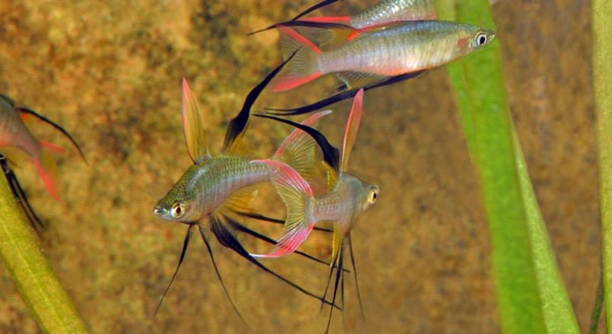
Do your threadfins often ignore the new foods you offer, leaving you wondering if they will ever accept anything beyond their usual meals?
The most effective way to get threadfins eating new foods is through gradual introduction and consistency. Slowly mixing small portions of new food with their usual diet helps them adapt while reducing stress and maintaining proper nutritional balance.
Learning the right methods will make feeding time smoother and help your threadfins thrive with a more varied and healthy diet.
Step 1: Start with Familiar Foods
When introducing new foods to your threadfins, begin with something that closely matches what they already eat. If they are used to flakes or pellets, try offering different brands or slightly varied textures. Slowly sprinkle in tiny amounts of the new food along with their usual meal. Observe how they react and eat over a few days. This gradual process prevents shock and allows them to become curious about the new item. Threadfins can be cautious eaters, so patience and consistency matter. Keep feeding at regular times, as routine helps them feel safe enough to try new options.
During this stage, avoid sudden changes. Abruptly replacing their food can cause stress and lead them to refuse eating altogether. By easing them into change, you build trust and familiarity with every feeding session.
Once they start nibbling new pieces, you can increase the ratio slightly each day, helping them adjust naturally.
Step 2: Use Color and Movement to Your Advantage
Threadfins are highly visual eaters and often respond better to foods that move or stand out. Offering live or frozen options such as brine shrimp or daphnia can spark their interest right away. The movement mimics prey behavior and triggers their natural feeding instincts. Start by offering a mix of live and non-live foods to bridge the gap between familiar and new textures. Over time, they’ll associate these experiences with feeding time and begin accepting different types of foods more easily.
To maintain variety and engagement, rotate between colorful foods or those with subtle scent differences. This helps prevent boredom and ensures they get a balanced diet. Observing how they respond will guide your next steps. Gradually, your threadfins will learn that new foods are safe, enjoyable, and part of their daily routine, making the feeding process much smoother and more rewarding.
Step 3: Mix New Foods with Favorites
Combining new foods with their favorites helps threadfins adapt faster. Use a small portion of the new food and blend it evenly with what they already recognize. This way, the taste and scent become familiar over time.
Gradually increase the amount of new food while reducing the old one each day. Doing this helps threadfins adjust without losing interest or skipping meals. Watch how they respond, and if they seem hesitant, slow down the process. It’s important not to overwhelm them, as sudden changes can lead to refusal. Keep portions small to avoid waste and ensure freshness.
Patience is key. Some threadfins take longer to accept change than others. Once you see them eating the new mix confidently, you can introduce more variety. This steady approach keeps them curious while ensuring proper nutrition. Over time, they’ll begin associating different foods with feeding time, making transitions easier.
Step 4: Keep Feeding Areas Clean
Clean feeding areas encourage better eating habits and reduce hesitation. Leftover food can decay quickly, affecting water quality and the fish’s willingness to eat. A clean environment also prevents foul smells that might make new foods less appealing to your threadfins.
Use a small net to remove any uneaten food after every feeding session. Doing this keeps the tank clear and maintains stable water conditions. Perform regular water changes to avoid buildup of waste or bacteria. Consistency in cleanliness makes threadfins feel secure, helping them eat with confidence. When they associate feeding with a fresh and calm space, they’ll approach new foods without hesitation. This small step keeps them healthy, improves appetite, and supports their overall comfort in the aquarium.
Step 5: Offer Food at the Right Time
Feeding your threadfins when they are most active increases the chance they’ll try new foods. Early morning or early evening are ideal times when they naturally search for food. Consistency in timing helps them build trust and anticipation around feeding.
Avoid feeding when the tank is disturbed or right after cleaning. Threadfins can be sensitive to sudden movements and may ignore food when stressed. Calm surroundings make them more comfortable to explore new tastes, so keep the environment quiet and steady during feeding time.
Step 6: Observe and Adjust Accordingly
Pay attention to how your threadfins react to new foods each day. If they spit it out or ignore it, try changing the texture, size, or form. Sometimes, crushing pellets or softening flakes can make a big difference. Noticing their behavior helps you understand their comfort level and preferences, guiding you toward what works best without wasting food or effort.
Step 7: Reward Consistency
When your threadfins start accepting new foods, keep offering them regularly to reinforce the habit. Consistent exposure strengthens their acceptance and prevents them from reverting to old habits. Over time, this steady routine encourages a balanced and adventurous diet.
FAQ
Why won’t my threadfins eat new foods even after several days?
Threadfins can be cautious and take time to adjust to change. If they keep ignoring new foods, try smaller portions mixed with their usual meal. Keep the food fresh and remove uneaten pieces quickly. The key is patience—forcing too much change can cause stress and delay progress. Sometimes, it helps to fast them for one day before reintroducing the mix. This encourages appetite without harm. Make sure the water quality is stable since poor conditions can reduce their willingness to eat.
How often should I introduce a new type of food?
It’s best to wait at least a week between new introductions. This gives your threadfins enough time to get used to one change before facing another. Introducing too many new items too soon can confuse them and lead to refusal. Keep a simple rotation, alternating between familiar and new foods. Observe how they react and adjust according to their response. Once they eat comfortably, you can expand the variety further.
Can threadfins eat live food and dry food together?
Yes, mixing live and dry foods can be beneficial. Live food like brine shrimp or daphnia helps stimulate their natural feeding instincts. Combining it with pellets or flakes makes the transition smoother. As they gain confidence, reduce the live portion gradually while increasing the dry one. This method maintains excitement while helping them adapt to stable, convenient food sources. Make sure to source live foods safely to avoid introducing parasites or bacteria.
What if my threadfins eat only one type of food?
If they’re fixated on one food, start by making small changes to that item—like soaking pellets in tank water or mixing in crushed flakes. This creates slight variations without shocking them. Once they accept that, introduce something with a similar texture or color. Over time, these small adjustments help them become more flexible eaters. Remember, threadfins often rely on visual and scent cues, so gradual changes work best.
Are there foods that threadfins should avoid?
Avoid feeding oily, fatty, or overly processed foods. Stick to items meant for freshwater fish. Also, skip any human food like bread, cooked meats, or vegetables not designed for fish consumption. These can upset digestion and harm their health. Focus on balanced, nutrient-rich options specifically formulated for their dietary needs. Frozen foods made for tropical fish are safe if thawed properly. Variety ensures they receive all necessary nutrients without excess waste.
How do I know if my threadfins are eating enough?
A healthy threadfin will swim actively, show interest at feeding time, and have a full but not bloated belly. If they start hiding or acting sluggish, they might not be eating enough. Observe their behavior closely after each feeding. Uneaten food should be minimal, and their overall appearance should remain sleek and vibrant. It’s better to feed small amounts twice a day than one large portion that goes to waste.
Can temperature changes affect their eating habits?
Yes, threadfins are sensitive to temperature. Sudden drops or increases can reduce their appetite. Keep the water between 75°F and 82°F for stability. Gradual shifts help them maintain energy and digestion. If the tank is too cold, metabolism slows, making them less interested in food. Always monitor the thermometer before feeding.
What signs show that my threadfins are adjusting well to new foods?
You’ll notice them approaching food faster, exploring different textures, and eating confidently. They’ll also show consistent interest during feeding times. Their colors may become brighter, and they’ll swim more actively around the tank. These are signs of comfort and good nutrition. Over time, their eating routine will stabilize, showing that they’ve fully adapted.
Should I remove fish that don’t eat new foods?
No, removing them can cause unnecessary stress to the entire group. Instead, keep feeding them together. Often, seeing others eat encourages hesitant ones to try as well. If some remain uninterested, separate them temporarily only during feeding and reintroduce them afterward. This helps you monitor their intake without creating tension in the tank.
Can lighting affect their feeding behavior?
Yes, lighting plays a role. Threadfins prefer moderate, natural-looking light during feeding. Bright or sudden light can make them shy away. Dim lighting helps them feel safer and more focused on food. Use a timer to maintain consistent light cycles. This consistency encourages steady eating habits and reduces anxiety during feeding time.
How long does it usually take to get threadfins used to new foods?
It varies for each fish, but most adapt within two to four weeks with consistent effort. The process depends on their age, environment, and feeding history. Keep their routine predictable and avoid large changes all at once. Over time, even the most hesitant threadfins learn to accept new foods comfortably and eagerly.
Final Thoughts
Helping threadfins accept new foods takes time, patience, and consistency. These fish are sensitive creatures that rely heavily on routine and familiarity, so any changes to their diet must be made carefully. The process should always start slowly, using small amounts of new food mixed with their usual meals. Observing their behavior each day allows you to see what they like and what they ignore. When handled gently, this gradual transition helps them develop trust in their environment and in you as their caretaker. By maintaining steady feeding times and a calm atmosphere, you give them the confidence to explore new tastes without feeling threatened. Consistency in how you introduce foods can make a big difference in how quickly they adjust.
Clean water and proper tank conditions also play a vital role in getting your threadfins to eat well. Poor water quality or leftover food can make them hesitant to approach the feeding area. Removing uneaten pieces right after feeding keeps the tank fresh and prevents waste from affecting water parameters. A clean and stable environment encourages healthy appetites and supports better digestion. It is also helpful to keep lighting and temperature consistent, as sudden changes can cause stress that leads to a loss of appetite. Remember that threadfins are highly visual and sensitive to movement, so calm surroundings and predictable routines help them feel at ease. When the environment is well-maintained, they become more open to exploring and eating a wider range of foods.
Feeding time should always be a calm and steady experience, not something rushed or forced. The goal is not only to introduce variety but also to create a positive association with mealtime. By making small adjustments and rewarding progress with regularity, you help your threadfins become flexible eaters who enjoy diverse, balanced diets. Once they begin eating new foods willingly, continue offering a mix to prevent them from becoming dependent on just one type. In time, you’ll notice improved coloration, more active swimming, and stronger overall health. The effort you invest in this process pays off in the long run, as your threadfins grow more confident and resilient. With patience, attentiveness, and care, they will thrive in their environment and reward you with their graceful movements and vibrant presence in the tank.

Hello,
If you enjoy the content that we create, please consider saying a "Thank You!" by leaving a tip.
Every little bit helps us continue crafting quality advice that supports the health, happiness, and well-being of pets around the world, for pets of all shapes, sizes, and species.
We really appreciate the kindness and support that you show us!