
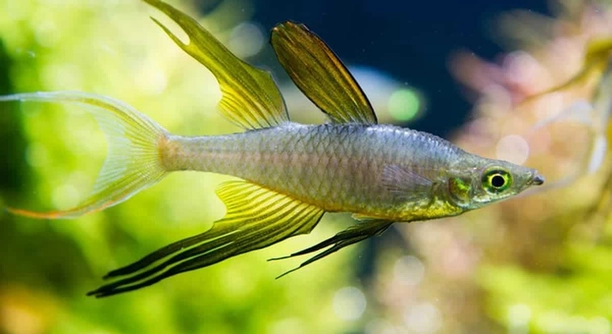
Have you ever found yourself intrigued by the process of bringing marine species back into their natural habitats? The reintroduction of the threadfin group is a fascinating and carefully managed conservation effort worth understanding.
The reintroduction of threadfin groupers focuses on restoring population balance within coastal ecosystems. This process involves controlled breeding, habitat assessment, and gradual release to ensure adaptation and survival. Scientists closely monitor these efforts to promote sustainable marine biodiversity and prevent population decline.
From breeding programs to habitat protection, each step in this reintroduction process contributes to rebuilding marine ecosystems and preserving ocean life.
Understanding the Threadfin Grouper Reintroduction
The threadfin grouper reintroduction project aims to restore balance in marine ecosystems affected by overfishing and habitat loss. Scientists and conservationists work together to reestablish healthy populations by breeding groupers in controlled environments and releasing them into suitable coastal areas. This process requires careful selection of habitats with stable water conditions, rich biodiversity, and minimal pollution. Monitoring plays a vital role, ensuring that released fish adapt well and contribute to the ecosystem. By reintroducing these species, researchers hope to strengthen coral reef resilience and restore natural food chains that support marine biodiversity and fishing communities alike.
Reintroducing threadfin groupers is not only about population recovery but also about restoring ecological harmony. Every successful release helps balance marine environments, ensuring that future generations can benefit from healthy oceans and sustainable resources.
Through these efforts, scientists are witnessing gradual improvements in coral reef stability, with increased biodiversity and renewed ecological balance across reintroduction sites.
Key Steps in the Reintroduction Process
The process begins with selecting suitable broodstock, ensuring genetic diversity, and maintaining healthy offspring for release into the wild. Every stage is handled with precision to guarantee higher survival and adaptation rates once the fish are reintroduced.
Reintroduction involves several carefully structured phases, starting with breeding in controlled hatcheries where conditions mimic natural habitats. Juvenile groupers are then raised until they reach a size capable of surviving in the wild. Before release, water temperature, salinity, and available food sources are evaluated to match the species’ natural environment. Post-release monitoring follows, using tagging systems and underwater surveys to track their growth, movement, and interaction with existing species. This data helps researchers refine future release methods for improved success rates. The process demands collaboration between marine biologists, environmental organizations, and local communities. Together, their efforts create a sustainable path toward reestablishing healthy grouper populations and maintaining the delicate balance of marine ecosystems.
Monitoring and Adaptation
Once threadfin groupers are released, constant monitoring ensures their survival and adaptation. Scientists observe feeding patterns, growth rates, and movement through tracking devices. These observations help identify challenges that may affect long-term survival or reproductive success in their new environment.
Monitoring does not end after the release. Researchers frequently collect data on water quality, temperature, and predator-prey interactions to assess ecosystem stability. When necessary, adjustments are made to improve habitat conditions and increase survival rates. This includes managing fishing activities near release zones and restoring coral habitats. Over time, data from these observations helps refine reintroduction strategies, making future efforts more effective and sustainable. Consistent monitoring also allows for early detection of environmental threats that could disrupt progress.
Adaptation plays a key role in ensuring reintroduced populations thrive. Threadfin groupers gradually adjust to natural feeding behaviors, breeding cycles, and interactions with other species, signaling true reintegration into the ecosystem.
Challenges and Conservation Efforts
Despite success, the reintroduction of threadfin groupers faces several challenges. Factors like habitat degradation, illegal fishing, and pollution can significantly reduce survival rates. Maintaining genetic diversity and preventing disease transmission are also crucial concerns for ongoing conservation efforts.
Conservation teams address these issues through a mix of regulation, education, and active restoration. Establishing protected areas limits harmful activities, allowing ecosystems to recover naturally. Community involvement plays a major role, encouraging sustainable fishing practices and promoting awareness about the importance of marine species recovery. Hatcheries continuously improve breeding techniques to maintain healthy genetic lines, reducing the risk of weakened populations. Collaboration between governments, scientists, and local communities strengthens protection measures and ensures accountability. By combining research, monitoring, and conservation, these programs not only restore threadfin grouper populations but also contribute to the broader goal of rebuilding marine biodiversity for long-term ecological stability.
Environmental Impact
Reintroducing threadfin groupers supports coral reef restoration by maintaining natural predator-prey relationships. Their presence controls smaller fish populations, preventing overgrazing on reef algae. This balance encourages coral growth and improves the overall health and resilience of marine ecosystems.
The project also benefits local fisheries by strengthening food chains and replenishing depleted stocks. Over time, healthy grouper populations contribute to increased fish diversity and more stable ecosystems. These improvements help coastal communities sustain livelihoods while preserving marine resources for future generations.
Collaboration Between Communities and Scientists
Local participation is essential for success. Fishermen, researchers, and conservation groups share knowledge and resources to ensure that reintroduction efforts align with environmental and social needs. Training programs teach sustainable fishing methods and the importance of protecting reintroduced species.
Long-Term Sustainability
Ensuring long-term success depends on continuous collaboration, strict monitoring, and public awareness. With consistent support, threadfin groupers can thrive, restoring ecological stability and serving as a symbol of successful marine conservation efforts.
FAQ
What is the purpose of reintroducing threadfin groupers?
The main goal of reintroducing threadfin groupers is to restore their natural populations and strengthen marine ecosystems. Overfishing, habitat destruction, and pollution have severely reduced their numbers, disrupting the balance of coral reef environments. By reintroducing them, scientists aim to rebuild population stability and enhance biodiversity. This helps coral reefs recover and creates healthier ecosystems capable of supporting more marine life. Reintroduction also benefits coastal communities that rely on sustainable fishing by helping replenish fish stocks. In essence, the program seeks to balance conservation goals with local economic interests, promoting long-term ocean health.
How are threadfin groupers bred for reintroduction?
Threadfin groupers are bred in controlled hatcheries that replicate natural conditions. Scientists carefully select broodstock to ensure genetic diversity and strong offspring. The breeding process involves managing temperature, salinity, and feeding routines that mimic their natural habitat. Once the juveniles reach a suitable size and strength, they are prepared for release. Before release, they undergo health screenings to prevent disease transmission to wild populations. This controlled environment allows researchers to monitor their development closely and improve breeding success rates. The goal is to produce healthy, resilient fish capable of surviving and reproducing once reintroduced into the wild.
What challenges affect the success of reintroduction programs?
Several challenges can impact the success of threadfin grouper reintroduction. Habitat degradation is one of the biggest obstacles, as coral reefs continue to face threats from pollution and climate change. Overfishing near release zones also reduces survival rates. Additionally, maintaining genetic diversity is crucial, as inbreeding can weaken populations over time. Another issue is the adjustment period after release; not all groupers adapt easily to natural conditions. To overcome these challenges, continuous monitoring, community cooperation, and stricter regulations are implemented. Addressing these factors improves success rates and ensures long-term population stability in restored habitats.
How do scientists monitor reintroduced populations?
After release, scientists use tagging systems and underwater tracking to monitor groupers’ movement, growth, and behavior. They also assess water quality and food availability to ensure conditions remain favorable. Data collection helps determine survival rates and reproduction success, allowing researchers to adjust strategies when needed. Regular underwater surveys provide valuable insight into the overall health of reintroduced populations. In some cases, local fishermen assist with data collection, strengthening collaboration between scientists and communities. This continuous monitoring ensures that potential problems are addressed early and that conservation goals remain on track.
What role do local communities play in conservation efforts?
Local communities are vital partners in reintroduction programs. Fishermen are often the first to observe environmental changes, providing essential information for researchers. Many communities participate in awareness campaigns, training, and habitat restoration projects. By adopting sustainable fishing practices, they help protect reintroduced species and surrounding ecosystems. Involving communities not only improves conservation outcomes but also strengthens local economies by creating sustainable fishing opportunities. Education programs promote long-term stewardship, ensuring that conservation becomes a shared responsibility. These efforts make reintroduction projects more effective and widely supported.
Why are threadfin groupers important to the ecosystem?
Threadfin groupers play a critical role as top predators in coral reef ecosystems. They regulate populations of smaller fish and crustaceans, maintaining ecological balance. Without them, prey species can multiply excessively, leading to overgrazing and coral damage. Their presence contributes to healthier reefs, which in turn support greater biodiversity. Healthy reefs also provide protection for coastlines and serve as nursery grounds for many marine species. By reintroducing threadfin groupers, scientists help restore these natural dynamics, ensuring reefs remain strong and functional. Their return symbolizes progress toward healthier oceans and more balanced ecosystems.
What future goals exist for threadfin grouper conservation?
The long-term goal is to establish self-sustaining populations that no longer depend on human intervention. Future projects aim to expand reintroduction sites, strengthen international cooperation, and develop better monitoring technologies. Research continues to improve breeding techniques, ensuring stronger and more adaptable fish. Conservationists also plan to involve more coastal communities in restoration efforts to increase project sustainability. Education, policy development, and stricter fishing regulations will remain key in maintaining population stability. With continued support and awareness, these programs can ensure that threadfin groupers thrive once again in healthy, resilient marine environments.
Final Thoughts
The reintroduction of threadfin groupers represents a careful balance between science, conservation, and community cooperation. It is more than just placing fish back into the sea—it is about rebuilding connections within entire ecosystems that depend on their presence. Coral reefs, fisheries, and marine biodiversity all benefit from this focused effort to restore balance and stability. By strengthening these populations, scientists are also helping to secure food sources and livelihoods for coastal communities that rely on the sea. These programs remind us that responsible management of marine life can produce lasting benefits for both nature and people.
The progress seen in many reintroduction sites demonstrates that well-planned conservation can bring real change. When groupers begin to breed successfully and integrate into their natural habitats, it signals more than population recovery—it shows that environmental conditions are improving. These successes are not achieved through science alone but through collaboration among researchers, local fishers, and government organizations. Each plays a unique role in maintaining healthy oceans, from data collection and enforcement to habitat restoration and education. Continued cooperation ensures that reintroduction projects stay effective and adaptable, even as new challenges like climate change and pollution emerge. Long-term results depend on persistence, careful monitoring, and shared responsibility.
While there is still much to learn, the threadfin grouper reintroduction serves as a model for future marine recovery programs. Its success highlights how practical solutions, community engagement, and scientific research can work together to restore ecological balance. It also emphasizes the importance of patience—because rebuilding nature takes time and consistent effort. As populations grow and ecosystems recover, the positive effects extend beyond the groupers themselves, helping coral reefs thrive and supporting countless other marine species. These outcomes show that conservation is not only possible but essential for a sustainable future. Through ongoing dedication and awareness, the return of the threadfin grouper symbolizes hope for healthier oceans and a renewed connection between humans and the natural world.

Hello,
If you enjoy the content that we create, please consider saying a "Thank You!" by leaving a tip.
Every little bit helps us continue crafting quality advice that supports the health, happiness, and well-being of pets around the world, for pets of all shapes, sizes, and species.
We really appreciate the kindness and support that you show us!