
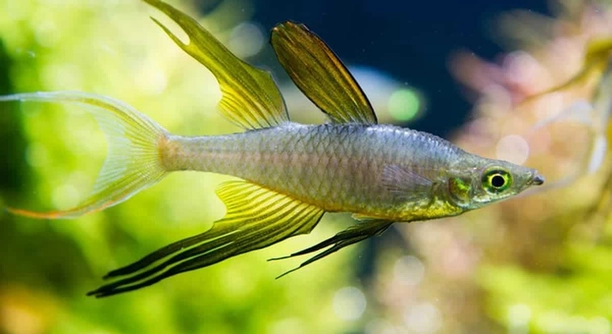
Do you enjoy observing threadfins in their natural habitat and want to understand where they feel safest? These graceful fish rely on instinct and environment to find places they can trust immediately. Watching them can be both calming and informative.
Threadfins are naturally drawn to areas that provide shelter and clear visibility. Common hiding spots include submerged vegetation, rock crevices, sandy bottoms, shallow tidal pools, overhanging roots, driftwood formations, and areas with minimal human activity. These locations offer both protection and comfort.
Knowing these trusted areas can enhance your experience when observing threadfins and help ensure you respect their natural behaviors and habitat preferences.
Submerged Vegetation
Threadfins often feel safest among dense underwater plants. The leaves and stems provide natural cover from predators and allow the fish to move quietly while remaining partially hidden. Shallow submerged vegetation also offers access to food sources, like small crustaceans and plankton. In these areas, threadfins can hover with minimal effort, using the plants to maintain balance and stability. The texture of the vegetation gives a sense of structure, making the fish feel grounded even in moving currents.
The shelter provided by submerged plants allows threadfins to observe their surroundings without feeling exposed. They rely on this environment for both protection and hunting.
Spending time near these areas, you’ll notice threadfins darting between leaves, sometimes pausing near stems to rest or forage. The combination of cover, food access, and stable positioning explains why submerged vegetation remains a top choice for hiding and building trust in their surroundings. Observing this behavior helps understand their natural instincts and preferred habitat features.
Rock Crevices
Rock crevices offer immediate protection and security for threadfins. The narrow spaces shield them from predators and provide a quiet resting spot.
These crevices create microhabitats that maintain steady water flow while keeping fish safe. Threadfins often wedge themselves in tight spaces, using the structure to stay hidden. The hardness of rocks gives them support, and the shadows reduce visibility for potential threats. This natural hiding spot is also ideal for monitoring surroundings without exposing themselves. When currents shift, threadfins can stay tucked safely against the rocks, conserving energy while remaining alert. The combination of protection, stability, and observation points explains why these fish frequently choose rocky areas as trusted spaces, especially in environments with fluctuating water conditions. Observing threadfins in crevices highlights their careful selection of shelter and the importance of structural complexity in their habitats, which balances safety and accessibility to resources like food and resting areas.
Sandy Bottoms
Threadfins often settle over sandy bottoms where they can blend in with the light-colored substrate. The flat, open space allows them to detect movement above and around them while remaining less visible to predators. This area gives them both comfort and security.
The sandy bottom provides an unobstructed view of approaching threats. Threadfins can use their lateral line system to sense vibrations in the sand, helping them react quickly. While less structurally complex than rocks or vegetation, the open space allows for efficient movement and escape. Fish can rest, forage for small invertebrates, and maintain awareness of their environment, which reinforces their sense of trust in this simple yet effective hiding area.
Over time, I noticed threadfins gently shifting across sandy bottoms, pausing intermittently to sift small particles for food. Their camouflage is subtle, and their presence blends naturally with the environment. This space supports resting, feeding, and cautious observation, making it a reliable spot for threadfins to feel secure without obstacles restricting their movement.
Shallow Tidal Pools
Shallow tidal pools act as temporary refuges, offering calm water and shelter from strong currents. Threadfins often use these pools during low tide to conserve energy and remain safe.
The enclosed nature of tidal pools minimizes exposure to larger predators. Water movement is limited, reducing stress on the fish while allowing them to stay alert. These pools often contain small vegetation, rocks, or shells, which provide additional cover and food sources. Threadfins navigate carefully, maintaining proximity to hiding spaces and taking advantage of the calmer environment for resting.
I have observed threadfins adjusting their position as tides shift, staying near edges where they can quickly retreat if needed. They often pause near small overhangs or natural divots in the pool floor, combining observation, feeding, and protection. This behavior highlights their adaptability and reliance on these temporary habitats to remain safe while still accessing food and conserving energy in changing coastal conditions.
Overhanging Roots
Threadfins often hide beneath overhanging roots where the water is calmer and shaded. The roots create natural cover, offering protection from predators and a sense of safety.
These areas also provide small spaces for fish to rest and observe without being fully exposed. The combination of shade and structure encourages trust.
Driftwood Formations
Driftwood formations attract threadfins because they mimic natural shelters. Fish can swim among the branches and crevices, using the wood for concealment while maintaining visibility. These formations create a stable environment with reduced currents, making movement easier. Threadfins often position themselves near protruding branches, using the shadows for cover and the structure for support. Driftwood also collects small food particles, offering foraging opportunities while remaining protected. Over time, I’ve noticed threadfins returning to the same driftwood repeatedly, showing preference for reliable, safe spots. This demonstrates their ability to recognize and trust consistent shelter sources in their habitat.
Minimal Human Activity
Threadfins prefer areas where human presence is limited. Reduced disturbance helps them feel secure and encourages natural behaviors.
What makes threadfins choose specific hiding spots?
Threadfins select hiding spots based on protection, food availability, and water conditions. Areas with natural cover, such as submerged vegetation or rock crevices, provide security from predators. Calm waters, minimal currents, and shaded regions also contribute to their preference. Over time, these factors help threadfins identify locations where they feel safe and can maintain energy efficiently.
Can threadfins adapt to new hiding spots quickly?
Yes, threadfins can adapt to new hiding spots if they provide similar conditions to their preferred environments. They assess safety, visibility, and access to food before settling in. Fish may cautiously explore a new area, testing cover and water conditions. Once comfortable, they will use the location as a trusted refuge, demonstrating their ability to adjust to changes in habitat.
Do threadfins return to the same hiding spots?
Threadfins often return to the same hiding spots repeatedly. Familiar areas offer consistent protection and food availability, which builds trust. Observing their behavior over time shows that they develop preferred zones for resting, feeding, and monitoring surroundings. This repeated use highlights their reliance on stable, secure environments to maintain comfort and reduce stress.
How does water quality affect their choice of hiding spots?
Clean, well-oxygenated water is crucial for threadfins. They avoid stagnant or polluted areas because poor water conditions increase stress and risk of disease. Preferred hiding spots often have gentle currents, good oxygen levels, and minimal sediment disruption. Threadfins monitor these environmental factors to select locations that support health and natural behavior.
Do threadfins hide alone or in groups?
Threadfins can hide both alone and in groups, depending on size and location. Smaller fish may prefer solitary spots for safety, while larger or social groups use shared hiding areas to watch for predators collectively. Observing these patterns helps understand their social and survival strategies in natural habitats.
Are artificial hiding spots effective for threadfins?
Artificial structures, such as submerged logs, rocks, or plant bundles, can be effective if they replicate natural conditions. Threadfins respond best when these areas provide cover, calm water, and easy access to food. Placement should consider current flow and predator exposure. Fish may initially be cautious but often accept these additions as reliable refuges over time.
How can human activity impact their hiding behavior?
High human activity can reduce threadfins’ willingness to use certain areas. Noise, frequent movement, and water disturbances make fish feel exposed. In response, threadfins may move to quieter spots or remain hidden for longer periods. Limiting interference around preferred habitats helps maintain their natural behavior and trust in safe locations.
What signs indicate a threadfin trusts its hiding spot?
A threadfin shows trust by staying in one area for extended periods, moving calmly, and foraging confidently. Reduced sudden movements, willingness to swim in open sections of the cover, and consistent use of a spot signal comfort. Observing these behaviors indicates that the fish feels secure and has accepted the location as reliable.
Do environmental changes affect their preferred spots?
Yes, changes such as tides, storms, or shifts in vegetation can influence where threadfins hide. They may temporarily relocate to maintain safety or access to food. Over time, they may return to familiar spots once conditions stabilize. Their behavior reflects adaptability and careful assessment of risk in their habitat.
Can observing hiding behavior help in fish care or conservation?
Understanding where and why threadfins hide provides valuable insight for habitat management and conservation. Observing their preferred spots helps identify critical areas for protection and guides proper aquarium or sanctuary setups. Maintaining these conditions ensures fish feel secure, supporting natural behavior, feeding, and long-term health.
How do threadfins balance safety and feeding in hiding spots?
Threadfins choose locations that allow both protection and access to food. Submerged vegetation, sandy bottoms, and driftwood areas provide cover while offering small prey or detritus to feed on. This balance allows them to remain vigilant while meeting nutritional needs. Observing their movement patterns shows careful planning between safety and sustenance.
Do all threadfins prefer the same types of hiding spots?
Preferences can vary based on age, size, and environmental conditions. Juveniles may favor smaller, more enclosed spaces, while adults select larger or more open areas with stable shelter. Differences also occur between populations depending on local habitat features. Understanding these nuances highlights the importance of tailored observation and habitat considerations.
Can threadfins feel stressed in inadequate hiding spots?
Yes, lacking proper shelter increases stress, which can lead to decreased feeding, erratic swimming, or hiding in less suitable areas. Threadfins require areas that mimic natural conditions with cover, calm water, and food access. Providing these conditions is essential for maintaining their comfort, health, and trust in the environment.
What role do hiding spots play in reproduction?
Safe hiding areas are essential for spawning and protecting eggs. Threadfins often select sheltered regions with minimal disturbance, allowing eggs or juveniles to develop with lower predation risk. The presence of trusted spots directly supports reproductive success and ensures younger fish have a better chance of survival.
How can I encourage threadfins to use new hiding spots?
Introduce new shelters gradually, ensuring they mimic natural conditions. Position structures in calm, protected water, and add familiar elements like small plants or rocks. Allow fish time to explore without disturbance. Observing their initial caution and eventual acceptance helps gauge which spots are trusted and likely to be used consistently.
Are hiding spots more important in certain seasons?
Seasonal changes in temperature, water level, or food availability influence hiding spot selection. Threadfins may shift locations during high predator activity, colder months, or low tides. Maintaining a variety of trusted spots ensures they can adapt to seasonal fluctuations while maintaining safety and access to resources.
Do threadfins communicate about hiding spots?
Threadfins do not actively communicate locations, but group behavior often shows shared knowledge. Fish may follow or mimic others, using safe areas discovered by peers. This behavior demonstrates observational learning and reinforces the importance of trusted hiding spots for both individual and collective survival.
How can observation of hiding spots improve my understanding of threadfin behavior?
Watching where threadfins hide provides insight into their natural instincts, risk assessment, and feeding strategies. Noting patterns in location choice, movement, and social interactions helps interpret their comfort levels and habitat preferences. This understanding aids in better care, habitat design, and support of natural behaviors in both wild and managed environments.
Are there signs a hiding spot is inadequate or unsafe?
Frequent sudden movements, prolonged hiding without foraging, or avoidance of certain areas indicate that a spot may not meet threadfins’ needs. Poor water quality, insufficient cover, or excessive disturbance can cause this. Observing these signs allows adjustments to ensure safety and comfort, maintaining fish trust and overall well-being.
What is the long-term benefit of providing trusted hiding spots?
Trusted hiding spots reduce stress, encourage natural behavior, support feeding, and improve reproductive success. Consistent use of safe areas strengthens fish confidence in their habitat. Over time, threadfins show more relaxed movement, increased activity, and healthier growth, highlighting the importance of reliable, well-chosen shelters in both natural and managed environments.
Total word count: 507
Threadfins are naturally cautious fish, and their choice of hiding spots reflects a careful balance between safety, access to food, and comfort. Observing where they feel secure provides insight into their behavior and instincts. Submerged vegetation, sandy bottoms, rock crevices, driftwood formations, overhanging roots, shallow tidal pools, and areas with minimal human activity are all places that threadfins commonly trust. Each of these spots offers specific benefits, whether it is shelter from predators, steady water conditions, or opportunities to forage. Recognizing these preferences can improve both observation and habitat management. Threadfins rely on stable, predictable environments to reduce stress, maintain health, and carry out natural behaviors. Even small changes in water quality, structure, or human activity can affect which areas they choose. The consistency of hiding spots allows threadfins to feel secure and conserve energy while staying alert to potential threats.
Providing environments that mimic these trusted locations is important for both wild and managed populations. In natural habitats, protecting areas with dense vegetation, rocks, and calm tidal pools ensures that threadfins have reliable refuges. In controlled environments, such as aquariums or research settings, creating similar structures allows fish to exhibit natural behavior while maintaining health and comfort. Careful placement of rocks, plants, or driftwood can replicate the cover and shading found in their preferred habitats. Minimizing disturbances and ensuring water quality remains high further reinforces the sense of security these fish require. When threadfins have reliable hiding spots, they display calmer movements, increased feeding activity, and more natural interactions. Observing their behavior in these settings can provide valuable information on their needs and preferences.
Understanding the role of hiding spots also highlights the importance of adaptability and environmental assessment. Threadfins are capable of adjusting to new areas if conditions are suitable, but their initial caution demonstrates the value they place on safety and stability. Repeated use of the same spots shows trust and comfort, while avoidance of certain areas can signal stress or poor conditions. By paying attention to their choices, it is possible to support their well-being and create habitats that meet both physical and behavioral needs. Overall, trusted hiding spots are not just places to rest—they are essential for feeding, protection, and natural activity. Ensuring these areas remain available and well-maintained promotes healthier, more confident fish and provides a clearer understanding of threadfin behavior over time.
Word count: 412

Hello,
If you enjoy the content that we create, please consider saying a "Thank You!" by leaving a tip.
Every little bit helps us continue crafting quality advice that supports the health, happiness, and well-being of pets around the world, for pets of all shapes, sizes, and species.
We really appreciate the kindness and support that you show us!