
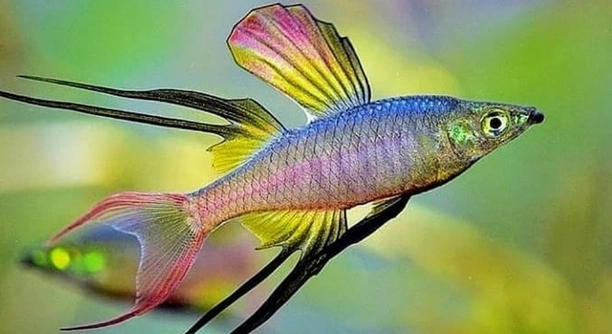
Threadfin Rainbowfish are colorful, active fish often admired in home aquariums. Their shimmering scales and lively movements make them popular among hobbyists. Observing their behavior throughout the day can reveal subtle patterns in their daily activity.
Threadfin Rainbowfish possess light-sensitive mechanisms that allow them to distinguish between day and night. These adaptations regulate their feeding, swimming, and resting behaviors, ensuring alignment with natural circadian rhythms and promoting overall health in captive and wild environments.
Understanding how these fish perceive light can improve care and tank management. Observing their daily habits offers insights into their natural behaviors and well-being.
How Threadfin Rainbowfish Respond to Light
Threadfin Rainbowfish are highly sensitive to changes in light. In aquariums, they adjust their activity based on the brightness of the tank. During daylight hours, they are most active, swimming in groups, exploring their environment, and feeding. Their scales often reflect sunlight or tank lights, which may help them communicate with other fish or signal readiness to feed. At night or in low-light conditions, their activity slows significantly. They often seek shelter among plants or decorations, conserving energy and reducing stress. Observing this behavior closely can help aquarium owners understand the fish’s natural patterns and provide better care. Proper lighting cycles are essential, as irregular or excessive light can disrupt their internal rhythms. Maintaining a consistent day-night schedule encourages natural behavior and improves overall health. By mimicking their natural environment, owners can ensure the fish remain comfortable, active, and stress-free.
These fish rely on consistent light cues to maintain normal behavior. Sudden changes can confuse or stress them.
Providing a tank environment with gentle light transitions helps support natural day-night recognition. Subtle shifts between light and dark allow the fish to anticipate feeding times and rest periods. For instance, using a timer for aquarium lights ensures they experience predictable cycles, which reinforces their internal clock. Additionally, incorporating plants or hiding spots gives them areas to retreat during low-light periods, promoting a sense of security. Tank decorations that cast shadows can also simulate natural conditions, making the fish feel more at ease. Observing these responses over time allows owners to adjust conditions as needed. Proper care not only maintains their health but also enhances their natural colors and behaviors. Understanding these needs ensures the fish thrive while keeping stress levels minimal.
Signs Threadfin Rainbowfish Can Tell Day From Night
Threadfin Rainbowfish show clear differences in behavior between day and night.
During the day, they swim actively, explore their environment, and interact with other fish. At night, they become quieter, often resting near plants or tank corners. Their feeding patterns and general activity closely follow light changes. This natural rhythm helps maintain energy balance and reduces stress. Consistent light cycles are critical in supporting these behaviors. Aquarium owners can observe these signs to ensure the fish are healthy and adapting well. Disturbances in light or feeding schedules can disrupt their natural day-night recognition, leading to stress or unusual activity patterns. By maintaining predictable cycles, owners encourage natural behavior and promote longevity. Observing these subtle changes helps identify any health or environmental issues early. Understanding these patterns allows for better care and a more comfortable, stimulating environment for the fish. Adjusting tank conditions to match natural light rhythms ensures the Threadfin Rainbowfish thrive, remain colorful, and exhibit natural behaviors consistently.
Setting Up the Right Lighting
Proper lighting is essential for Threadfin Rainbowfish. Too bright or too dim light can stress them. A moderate, consistent light schedule helps them distinguish day from night and encourages natural activity patterns.
Using a timer for aquarium lights ensures a steady day-night cycle. Lights should gradually brighten in the morning and dim in the evening, mimicking natural sunrise and sunset. Sudden changes in lighting can startle the fish, causing erratic swimming or hiding behavior. Positioning decorations or plants to create shaded areas allows them to retreat when needed. Observing their reactions over several days helps adjust the lighting to their comfort level. Proper lighting promotes healthy behavior, feeding, and coloration, and reduces stress. This setup benefits both the fish and the overall tank environment.
Shaded areas and gentle light transitions also help prevent overexposure. Maintaining consistent light conditions supports natural rhythms, keeping Threadfin Rainbowfish calm, active, and healthy while highlighting their vivid colors in the tank environment.
Observing Behavioral Patterns
Threadfin Rainbowfish show predictable changes in activity based on light. Daytime is for swimming, feeding, and exploring, while nighttime is for resting. Their internal clock regulates these behaviors naturally.
During the day, the fish are energetic and curious. They explore the tank, interact with other fish, and actively feed. Bright light encourages movement and highlights their iridescent scales. At night, activity slows; they seek shelter among plants or decorations, conserving energy. Feeding schedules should align with light cycles, as fish are more willing to eat during their active periods. Sudden disruptions, like turning lights on or off abruptly, can cause stress, disorientation, or hiding. Understanding these patterns helps create a stable environment. Observing subtle behavioral cues, such as changes in swimming speed or hiding tendencies, allows adjustments to tank conditions, supporting natural habits and well-being.
Recognizing these patterns ensures proper care. By maintaining consistent lighting and feeding schedules, owners can encourage healthy activity cycles, reduce stress, and promote longevity. Careful observation of daily behavior is key to keeping Threadfin Rainbowfish thriving.
Natural Light vs. Artificial Light
Threadfin Rainbowfish respond to both natural and artificial light, but natural light is more consistent. Sunlight helps regulate their internal clock, while artificial light should mimic the same gradual changes to avoid stress.
Artificial lighting works well if controlled. Timers can replicate sunrise and sunset, providing predictability. Sudden bright or flickering lights can confuse the fish, causing erratic swimming or hiding. A stable, moderate lighting environment ensures the fish remain active during the day and rest comfortably at night. Combining plants and decorations to create shaded spots enhances their ability to adjust, making artificial setups effective when carefully managed.
Feeding and Activity Timing
Feeding schedules should align with light cycles. Fish are more active during the day, making morning and late afternoon ideal for feeding. Regular timing reinforces natural behaviors.
Stress and Light Disruption
Sudden changes in lighting can cause stress. Consistent light patterns reduce anxiety and encourage normal activity.
FAQ
Can Threadfin Rainbowfish see in the dark?
Threadfin Rainbowfish have limited vision in complete darkness. They rely on light cues to navigate their environment and detect movement. At night or in very low-light conditions, they tend to stay still or hide among plants and decorations. While they can sense shadows and slight changes in light, their activity is significantly reduced. Providing a dim night light in the tank can help them move safely without disturbing their natural day-night rhythm.
How do I know if my fish is stressed by lighting?
Signs of stress include erratic swimming, hiding for long periods, loss of color, or decreased appetite. Sudden changes in light intensity or irregular schedules often trigger these behaviors. Observing daily patterns can help you identify if the fish are adjusting properly to the environment. Consistent light schedules, gradual transitions, and shaded areas reduce stress and encourage normal behavior.
What is the best lighting schedule for Threadfin Rainbowfish?
A 10–12 hour light period followed by 12–14 hours of darkness generally works well. Gradual transitions in the morning and evening mimic natural sunrise and sunset. Using a timer ensures consistency. Too much light can overstimulate the fish, while too little can disrupt their feeding and swimming habits. Adjusting intensity and duration based on the tank setup and observing the fish’s behavior ensures optimal results.
Do they need natural sunlight in the tank?
Natural sunlight can be beneficial, but direct exposure should be avoided to prevent overheating or algae overgrowth. If sunlight is limited, artificial lighting that mimics natural light cycles is sufficient. Ensuring a balance of light and shaded areas is key. Plants or decorations can create safe retreats, allowing the fish to regulate exposure. Observing the fish’s activity and coloration helps determine if the lighting is appropriate.
Can irregular light cycles affect their health?
Yes, inconsistent lighting can disrupt circadian rhythms, leading to stress, poor feeding, weakened immunity, and unusual behavior. Maintaining predictable light and dark periods encourages normal activity, rest, and overall health. Sudden changes or frequent alterations in the schedule can confuse the fish and affect long-term well-being.
Should I use a night light in the aquarium?
A dim night light can be helpful if the tank is in a completely dark room. It allows the fish to move without startling them, maintaining a sense of security. The light should be soft, not bright, to avoid disrupting their natural sleep patterns. Many hobbyists find that small, shaded LED lights work well for this purpose.
Do Threadfin Rainbowfish sleep?
While fish do not sleep like humans, they enter a restful state at night. Movement slows, and they seek shelter. Light cues help them recognize night periods, so a consistent day-night cycle promotes proper rest. Observing their nighttime behavior helps ensure they are resting adequately.
Can lighting affect breeding behavior?
Yes, proper lighting can encourage natural mating behaviors. Bright, consistent light during the day stimulates activity, while dimming at night signals rest periods. Irregular lighting can suppress breeding or cause stress, reducing the chances of successful spawning. Providing areas for hiding and gentle light transitions helps support breeding readiness.
Is it okay to keep the lights on all day?
No, keeping the lights on constantly can stress the fish, reduce appetite, and disrupt natural activity patterns. Threadfin Rainbowfish require periods of darkness to rest and regulate their biological rhythms. Timers or automatic lighting systems are the best solution to ensure consistent cycles.
How quickly do they adjust to a new lighting schedule?
Adjustment varies by individual fish, but most adapt within several days to a week. Gradual changes in light intensity and duration are recommended to avoid stress. Observing activity patterns and feeding behavior helps gauge adaptation. Sudden shifts can cause hiding, erratic swimming, or decreased appetite.
Do different tank setups require different lighting approaches?
Yes, tank size, decoration, plant coverage, and water clarity all influence lighting needs. Larger tanks may need more uniform lighting, while heavily planted tanks benefit from areas of shade. Adjusting the schedule and intensity according to the tank environment ensures the fish are comfortable and active.
Can lighting improve coloration in Threadfin Rainbowfish?
Proper lighting enhances their natural iridescent colors. Bright, consistent daytime lighting encourages healthy scales, while dim periods prevent stress. Overly intense or inconsistent lighting can cause dulling or stress-induced color changes. Observing their color and activity helps determine if the lighting is effective.
What should I do if the fish are not adjusting to the light cycle?
Start by checking the intensity, duration, and timing of the lighting. Gradual transitions and shaded areas can help them acclimate. Reducing stress from other sources, such as water quality or overcrowding, is also important. Patience and careful observation are key to ensuring they adapt successfully.
Can seasonal changes affect their behavior?
Yes, if natural sunlight is part of the tank environment, seasonal changes in duration and intensity may influence activity. Adjusting artificial lighting to maintain consistent cycles helps maintain normal behavior year-round. Observing daily activity patterns allows owners to make necessary adjustments without stressing the fish.
Are Threadfin Rainbowfish more active during specific parts of the day?
They are most active during daylight hours, particularly mid-morning to late afternoon. Activity includes swimming, feeding, and exploring. Nighttime activity is minimal, focused on resting in shaded areas. Maintaining a consistent light schedule ensures predictable activity and supports health.
Can sudden darkness harm them?
Sudden darkness can startle Threadfin Rainbowfish, causing stress or frantic swimming. Gradual dimming mimics natural sunset and prevents disorientation. Using a timer for light transitions reduces the risk of stress and helps maintain consistent behavior patterns.
Does tank location affect lighting effectiveness?
Yes, placing a tank near windows or under inconsistent room lighting can interfere with controlled cycles. Artificial lighting with timers is more reliable for maintaining proper day-night patterns. Observing fish behavior helps identify if adjustments are needed to reduce stress and promote natural activity.
How do I balance light for plants and fish?
Aquatic plants require light for growth, but excessive brightness may stress Threadfin Rainbowfish. Using moderate lighting and providing shaded areas balances plant needs with fish comfort. Timers and diffused light help maintain this balance effectively.
Can I use colored lights in the aquarium?
Colored lights can be used, but they should not replace natural-spectrum lighting. Bright or flashing colors may stress the fish. Subtle hues can enhance appearance but should be combined with consistent white light to support normal activity and day-night recognition.
Do younger fish react differently to light than adults?
Yes, juvenile Threadfin Rainbowfish may be more sensitive to bright light or sudden changes. They tend to hide more and require gentler transitions. Gradual exposure to light and shaded areas ensures they remain active without stress.
How long should artificial lights stay on during winter?
Maintaining the same 10–12 hour day period is recommended, regardless of season. Artificial lighting compensates for shorter daylight hours, helping fish maintain normal activity and feeding patterns. Consistency is key for their well-being.
Can light affect feeding habits?
Yes, fish are more willing to feed during bright daylight hours. Irregular lighting can reduce appetite or cause feeding to occur at unusual times. Aligning feeding schedules with light periods encourages normal eating patterns.
Is there a risk of overexposure to light?
Excessive light can lead to stress, aggression, and dull coloration. Providing shaded areas and consistent schedules prevents overexposure while allowing fish to enjoy optimal brightness during active periods.
Do they prefer slow changes in light intensity?
Yes, gradual transitions between light and dark mimic natural sunrise and sunset. Abrupt changes can startle the fish and cause stress. Timers or dimmers can help create smooth transitions.
Can lighting affect compatibility with other fish?
Yes, sudden or overly bright lighting can trigger stress or aggression in a community tank. Consistent, moderate lighting ensures all species can establish normal behavior without conflict.
How often should I check the lighting setup?
Regular checks, at least weekly, help ensure bulbs are functioning, timers are accurate, and intensity remains consistent. Adjustments may be needed as bulbs age or environmental conditions change. Maintaining proper light supports health, activity, and coloration.
What role does light play in breeding displays?
Proper light stimulates activity and encourages courtship behaviors. Dim periods at night signal rest, helping maintain energy for spawning. Consistent cycles are important for reproductive health and success.
Do Threadfin Rainbowfish react to reflections?
They can react to bright reflections, which may confuse or stress them. Using diffused lighting and avoiding shiny surfaces reduces unnecessary stimulation, keeping them calm and maintaining normal activity.
Can artificial lighting replace sunlight completely?
Yes, if carefully controlled. Timers, gradual transitions, and balanced intensity can replicate natural light conditions, allowing the fish to maintain normal behavior, activity patterns, and coloration without direct sunlight.
How do I know if my lighting setup is effective?
Signs include active swimming during the day, normal feeding, vibrant coloration, and regular resting at night. Observing these behaviors over time confirms the lighting supports their natural rhythms and overall well-being.
Can Threadfin Rainbowfish adapt to different types of bulbs?
Yes, they can adapt to LED, fluorescent, or other aquarium-safe bulbs, as long as intensity and duration are consistent. Gradual adjustments help prevent stress during transitions between lighting types.
Does tank size affect lighting needs?
Larger tanks may require more uniform lighting to reach all areas, while smaller tanks are easier to illuminate evenly. Ensuring consistent coverage prevents dark zones or overstimulated areas, supporting healthy activity patterns.
Are there signs that lighting is too dim?
Fish may appear lethargic, hide excessively, or show reduced feeding. Colors may appear dull, and activity is minimal. Gradually increasing light intensity and observing response helps find the right balance.
Can light cycles affect social behavior?
Yes, consistent light periods support normal group swimming and interaction. Irregular cycles can lead to increased hiding, stress, or unusual aggression among tank mates. Maintaining predictable cycles encourages natural social behavior.
Do lighting needs change as fish age?
Older fish may tolerate slightly different light intensity but still require consistent cycles. Adjustments should be gradual to prevent stress, maintaining natural activity and coloration throughout their lifespan.
Can I combine sunlight and artificial lighting?
Yes, but direct sunlight should be limited to prevent overheating or algae growth. Artificial lighting ensures consistency, while natural light can enhance color and mimic natural cues if carefully managed.
Is monitoring fish behavior enough to adjust lighting?
Yes, observing swimming patterns, feeding, coloration, and resting behavior provides valuable feedback. Adjustments based on these observations ensure optimal conditions and reduce stress or irregular activity.
Do Threadfin Rainbowfish respond to seasonal light changes naturally?
If natural light is available, they may adjust activity slightly. Artificial lighting helps maintain consistent behavior, compensating for shorter or longer daylight periods and supporting normal routines year-round.
How can I prevent light stress in a new aquarium setup?
Introduce fish gradually, start with moderate lighting, provide shaded areas, and use timers for smooth transitions. Observing behavior allows adjustments, ensuring a calm and healthy adaptation period.
Can lighting influence aggression in the tank?
Excessive or inconsistent lighting can increase territorial behavior or stress-related aggression. Consistent, moderate lighting reduces conflict and promotes harmonious interactions among Threadfin Rainbowfish and other species.
Does tank decoration impact light distribution?
Yes, plants, rocks, and ornaments create shaded areas and influence light intensity. Strategic placement ensures fish have retreat zones while still receiving adequate illumination for activity and color enhancement.
How important is light intensity compared to duration?
Both matter, but duration primarily regulates activity and circadian rhythms. Intensity affects visibility and coloration. A balance ensures the fish remain active, healthy, and stress-free while enhancing appearance.
Do fish adjust naturally if lights fail temporarily?
Short-term outages are usually tolerated, but repeated or prolonged failures can stress fish. Maintaining backup lighting or quickly restoring normal cycles helps minimize disruption.
Can lighting affect algae growth in the tank?
Yes, strong or prolonged lighting can promote algae growth. Balancing light intensity, duration, and providing shaded areas helps control algae while meeting fish needs.
Should lighting be adjusted for breeding pairs?
Yes, bright consistent daytime light and gentle night dimming encourage courtship and spawning activity. Avoid sudden changes, as these can reduce reproductive success or cause stress.
Can lighting improve overall tank aesthetics?
Yes, proper lighting highlights colors, reflections, and plant growth, making the aquarium visually appealing. Balanced intensity and smooth transitions enhance the environment without stressing the fish.
Do Threadfin Rainbowfish prefer any specific light spectrum?
A full-spectrum or natural-spectrum light works best. It enhances coloration and supports plant growth if present, while maintaining natural cues for activity and rest cycles.
How long should it take to see results after adjusting lighting?
Behavioral changes, increased activity, and improved coloration may appear within several days. Full adaptation usually takes up to a week, depending on the fish and tank conditions.
Are there risks with using very bright LEDs?
Yes, overly bright or concentrated light can stress the fish, reduce feeding, and cause erratic swimming. Using moderate intensity with gradual transitions prevents these issues.
Does lighting affect water temperature?
Some lights generate heat. Excessive heat can stress fish and encourage algae growth. Ensure lights do not significantly raise water temperature or provide cooling measures if necessary.
Is it okay to leave lights off during the day occasionally?
Occasional brief interruptions are tolerated, but frequent changes disrupt circadian rhythms. Maintaining regular schedules ensures normal activity, feeding, and resting patterns.
Can lighting help prevent disease?
Indirectly, yes. Consistent light cycles reduce stress, support feeding and rest, and strengthen immunity, lowering susceptibility to common diseases.
How can I test if the lighting is appropriate?
Observe daily activity, feeding patterns, coloration, and rest behavior. Adjust intensity, duration, or placement based on these observations to achieve optimal conditions.
Do fish communicate differently under varying light?
Visual signaling, such as color displays or fin movements, is more prominent in adequate lighting. Dim or inconsistent light may reduce social interaction or recognition among fish.
Can lighting affect how fish interact with other species?
Yes, proper lighting encourages normal social behavior and reduces stress. Inadequate or harsh lighting can increase hiding, aggression, or disrupted interactions in mixed-species tanks.
Should lighting be adjusted for nighttime viewing?
Dim, indirect lighting allows observation without disturbing natural rest. Bright nighttime illumination can disrupt sleep-like behavior and stress the fish.
How often should lighting equipment be replaced?
Bulbs or LEDs should be replaced according to manufacturer recommendations, typically every 6–12 months. Maintaining consistent output ensures stable activity, coloration, and plant growth if present.
Can light affect water clarity perception?
Yes, bright or uneven lighting may highlight particles or algae, influencing how fish perceive their environment. Balanced, diffused light promotes clear visibility without stress.
Do Threadfin Rainbowfish have preferred light angles?
They may swim closer to areas with softer, indirect light. Bright, direct light can encourage hiding. Observing their positioning helps determine optimal lighting setup.
Is gradual dimming better than sudden lights off?
Yes, gradual dimming mimics natural sunset, reducing stress and maintaining predictable behavior patterns. Sudden darkness can startle or confuse them.
How do reflections from glass affect them?
Strong reflections can confuse or stress fish, sometimes causing aggression or hiding. Positioning lights to minimize glare and using background decorations helps reduce reflection issues.
Can lighting affect feeding hierarchy in the tank?
Yes, well-lit areas encourage active feeding, while dark or shaded spots may reduce participation. Consistent light distribution ensures fair access to food and prevents stress.
Do fish lose color without proper light?
Yes, insufficient or inconsistent light can dull iridescent scales. Proper, consistent light enhances natural colors and maintains overall health.
Can lighting help identify illness early?
Yes, proper lighting reveals subtle color changes, abnormal swimming, or unusual hiding. Detecting these signs early allows prompt intervention.
Do different bulb types affect behavior?
Yes, LED, fluorescent, and other bulbs differ in intensity and spectrum. Proper adjustment and gradual transitions are essential to avoid stress and support normal activity.
Are there benefits to dimming lights gradually in the morning?
Gradual increase simulates sunrise, helping fish wake naturally and begin daily activity without sudden stress. Smooth transitions support feeding and exploration behaviors.
Does light placement matter?
Yes, uniform light coverage prevents overly bright or dark spots. Shaded retreats ensure comfort while maintaining visibility for observation and activity.
Can lighting changes impact long-term health?
Yes, consistent cycles support circadian rhythms, stress reduction, feeding, and rest. Disruptions can contribute to chronic stress, reduced immunity, and shorter lifespan.
How do I combine plant growth and fish comfort?
Moderate intensity, diffused lighting, and shaded areas support plants without overstressing the fish. Timers and strategic placement create a balanced environment for both.
Is it necessary to adjust lighting for nighttime observation?
Low-intensity, indirect lighting allows observation without disturbing rest. Bright illumination at night can disrupt natural rhythms and stress the fish.
Can lighting affect reproduction timing?
Yes, consistent day-night cycles influence hormonal cues for spawning. Proper light periods promote natural courtship, mating behaviors, and successful reproduction.
Do older fish need less light?
Older fish may tolerate slightly lower intensity but still require consistent cycles. Gradual adjustments prevent stress and support ongoing activity and coloration.
Can reflections trigger aggression?
Yes, fish may mistake reflections for rivals, leading to chasing or hiding. Proper lighting angles and background placement reduce this risk.
Should lights be adjusted for heavily planted tanks?
Yes, dense plants create shade. Adjust light intensity and duration to ensure fish receive adequate brightness without stress, while supporting plant growth.
Do fish notice seasonal changes in artificial lighting?
They respond primarily to consistent cycles rather than seasonal shifts. Maintaining steady light periods ensures predictable behavior year-round.
How do I test light intensity for comfort?
Observe activity, feeding, resting, and color. Adjust intensity gradually until behavior indicates comfort, with active swimming and vibrant coloration.
Can lighting affect tank temperature fluctuations?
Some bulbs produce heat, influencing water temperature. Ensure temperature remains stable to avoid stress or health issues.
Does water clarity influence lighting needs?
Yes, murky or dense water reduces light penetration. Adjust intensity to maintain visibility without overstimulating the fish.
Can lighting help improve social behavior?
Consistent, moderate lighting encourages natural group swimming and interaction, reducing hiding or aggression in community tanks.
Do juvenile fish need different light intensity?
Younger fish are often more sensitive. Gradual, moderate light with shaded areas ensures comfort and prevents stress.
Is it safe to use LED strips for night observation?
Yes, if dim and indirect. Strong LEDs can disturb rest patterns. Soft lighting allows observation without disrupting
Final Thoughts
Threadfin Rainbowfish are fascinating creatures with behaviors closely tied to light. Their ability to distinguish day from night allows them to maintain natural activity patterns, feeding routines, and rest periods. Proper lighting in the aquarium is essential to support these behaviors. A consistent day-night cycle, whether achieved through natural sunlight or artificial lighting, helps the fish adjust and thrive. Sudden changes in light or inconsistent schedules can lead to stress, reduced activity, or hiding, which affects overall health. Observing how the fish respond to light provides valuable insight into their well-being and helps create an environment that mimics natural conditions. By carefully managing light exposure, aquarium owners can encourage natural swimming patterns, feeding, and social interactions, which in turn enhances the fish’s vivid coloration and liveliness.
Artificial lighting is an effective way to replicate natural day-night cycles when sunlight is not available. Using timers ensures a steady schedule, while gradual increases and decreases in light intensity mimic sunrise and sunset. Shaded areas, plants, and decorations provide places for the fish to retreat during low-light periods, giving them a sense of security. Consistent lighting also plays a role in feeding and breeding behaviors. Fish are more willing to feed during bright periods and may display mating behaviors more actively with proper light cues. Maintaining moderate light intensity and avoiding abrupt changes prevents stress, while observing the fish regularly ensures they are adapting well to the lighting setup. Proper care includes balancing brightness, duration, and placement of lights to support activity, health, and visual appeal.
Attention to light conditions is not just about visibility or aesthetics. It directly affects the health, behavior, and overall comfort of Threadfin Rainbowfish. Predictable light patterns help regulate their circadian rhythms, reduce stress, and encourage natural resting behaviors. Fish kept under consistent light conditions are generally more active, feed reliably, and maintain vibrant coloration. Irregular lighting or prolonged exposure to overly bright conditions can disrupt these rhythms and cause behavioral changes. By providing a controlled, stable lighting environment, aquarium owners can ensure their Threadfin Rainbowfish remain healthy, active, and visually striking. Observing their reactions and making small adjustments as needed allows for a comfortable, stimulating, and safe environment. Ultimately, understanding the role of light and carefully managing it helps create a thriving aquarium where Threadfin Rainbowfish can display natural behaviors, maintain proper health, and bring enjoyment to those observing them.

Hello,
If you enjoy the content that we create, please consider saying a "Thank You!" by leaving a tip.
Every little bit helps us continue crafting quality advice that supports the health, happiness, and well-being of pets around the world, for pets of all shapes, sizes, and species.
We really appreciate the kindness and support that you show us!