
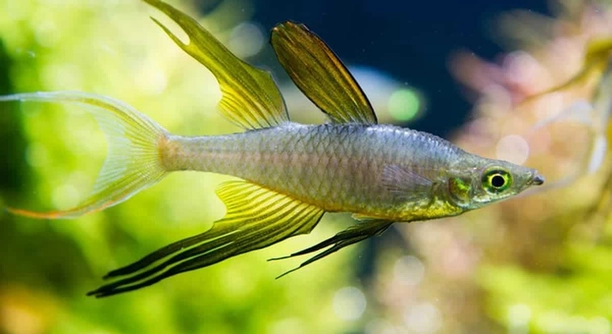
Do you ever notice your threadfins swimming less actively than usual or avoiding their usual breeding areas? These subtle changes can indicate that something in their environment or biology is affecting their reproductive behavior. Observing early signs is important.
Threadfins may stop breeding due to factors including water temperature fluctuations, inadequate nutrition, poor water quality, overcrowding, hormonal imbalances, presence of parasites, or stress from environmental disturbances. These conditions directly impact reproductive cycles and overall fish health.
Understanding the causes behind these changes helps ensure your threadfins maintain healthy breeding patterns. Each factor plays a role in their aquatic environment and long-term wellbeing.
Water Temperature Fluctuations
Threadfins are highly sensitive to changes in water temperature. Sudden drops or rises can disrupt their breeding cycle, causing them to stop spawning entirely. Maintaining a stable, appropriate temperature is essential for their reproductive health. Even minor shifts can increase stress levels, weaken the immune system, and reduce egg production. Seasonal changes, inconsistent heating systems, or exposure to direct sunlight may contribute to these fluctuations. Observing the tank daily and using a reliable thermometer helps ensure conditions remain consistent.
Keeping water temperature steady ensures threadfins remain comfortable and encourages natural breeding patterns without added stress.
To stabilize temperature, it’s helpful to use thermostats or heaters with accurate settings and check them regularly. Avoid placing tanks near windows or vents where temperature swings occur. Gradual adjustments are preferable to sudden changes, allowing threadfins to adapt. Consistent temperatures promote healthy metabolism, encourage activity, and support normal reproductive cycles. Water quality also interacts with temperature, as warm water may hold less oxygen, affecting fish behavior. Monitoring both temperature and overall tank conditions provides the best environment for threadfins to breed reliably and maintain vitality.
Nutritional Deficiencies
Insufficient nutrients can halt breeding. Threadfins require a balanced diet to produce viable eggs and sperm.
Proper nutrition ensures reproductive organs function correctly and supports overall health.
A varied diet rich in protein, vitamins, and minerals is essential for threadfins. Feeding exclusively one type of food can cause deficiencies that directly affect fertility. Live or frozen foods, such as small crustaceans and insects, supplement their nutritional needs, while high-quality pellets provide essential vitamins. Fatty acids also play a crucial role in egg development and energy levels. Deficiencies in key nutrients may lead to weak or infertile eggs, reducing the chance of successful spawning.
Beyond diet, feeding schedules and portion sizes impact breeding. Overfeeding can pollute water, stressing fish and lowering reproduction, while underfeeding reduces energy for spawning. Combining nutrient-rich meals with clean, stable tank conditions creates an environment conducive to regular breeding. Observing threadfin behavior during feeding helps identify issues early, allowing adjustments to their diet before reproduction is significantly affected. This balance supports both immediate and long-term reproductive success.
Poor Water Quality
Contaminated water can stop threadfins from breeding. High ammonia, nitrite, or nitrate levels stress fish and interfere with reproductive hormones. Regular testing and cleaning are crucial to maintain a safe environment.
Maintaining water quality involves consistent monitoring and care. Frequent water changes, proper filtration, and avoiding overcrowding are essential. Uneaten food and decaying plant matter contribute to chemical buildup, which can affect egg production and fish health. Even minor pollutants can disrupt reproductive cycles, making it difficult for threadfins to spawn successfully. Keeping a clean tank ensures they remain active and healthy, reducing stress that prevents breeding.
Balanced water chemistry supports not only breeding but overall fish wellbeing. Providing oxygen-rich water, controlling pH levels, and removing waste promptly creates an environment conducive to natural reproductive behaviors. Observing fish daily helps detect early signs of stress or illness, allowing timely intervention. Combining clean water with proper nutrition and stable temperature gives threadfins the best chance to resume normal breeding patterns. Preventative measures are always more effective than attempting to correct breeding problems after they occur.
Overcrowding
Too many fish in a tank can halt reproduction. Limited space increases stress, reduces oxygen levels, and limits swimming areas, all of which affect spawning behavior.
Overcrowding creates competition for food and territory, causing dominant fish to suppress weaker ones, including in reproductive activity. Stress from close quarters weakens immune systems, making threadfins more susceptible to disease and less likely to breed. Even minor overcrowding can disrupt social hierarchies, leading to aggression or avoidance behaviors that interfere with mating rituals.
Reducing tank population improves overall fish health and encourages breeding. Providing adequate space, hiding spots, and visual barriers helps fish feel secure, reducing tension. Balanced stocking ensures proper oxygen levels and prevents water quality deterioration, which often accompanies overpopulation. Observing interactions among fish allows adjustments to groupings and tank layout, promoting natural behaviors and successful reproduction. A well-managed environment prioritizes both individual health and group harmony, allowing threadfins to resume regular spawning patterns without unnecessary stress.
Hormonal Imbalances
Hormonal issues can prevent threadfins from breeding. Stress, age, or nutritional deficiencies may disrupt hormone production, directly affecting reproductive cycles.
Monitoring behavior and physical signs can help detect imbalances. Reduced activity, changes in coloration, or delayed spawning are often linked to underlying hormonal disruptions that need attention.
Presence of Parasites
Parasites can severely impact breeding by weakening threadfins and causing stress. Infestations reduce energy, impair immune responses, and interfere with reproductive functions. Treatment with appropriate medications, maintaining clean water, and regular observation are critical to controlling parasite-related problems and restoring normal breeding behavior.
Environmental Disturbances
Sudden changes in lighting, noise, or tank placement can stress threadfins. Stress lowers fertility and suppresses natural breeding instincts.
FAQ
Why have my threadfins stopped breeding suddenly?
Sudden stops in breeding are usually linked to stress, environmental changes, or health issues. Water temperature fluctuations, poor water quality, overcrowding, and nutritional deficiencies are common triggers. Observing your fish and checking these conditions can help identify the cause. Addressing the issue quickly improves the chance of recovery and resumption of normal spawning behavior.
How do I know if water temperature is affecting breeding?
Threadfins are sensitive to even small changes in temperature. Signs include reduced activity, hiding, or lack of mating behaviors. Using a reliable thermometer and monitoring daily helps detect fluctuations. Adjusting heaters or relocating the tank can stabilize temperature and encourage breeding.
What are the best foods to support reproduction?
A varied diet rich in protein, vitamins, and fatty acids is essential. Live foods like small crustaceans or insects, supplemented with high-quality pellets, support egg development and sperm quality. Feeding schedules should avoid overfeeding, which can harm water quality and stress the fish.
Can overcrowding really stop threadfins from breeding?
Yes, overcrowding increases stress, reduces oxygen, and creates competition for territory. Dominant fish may prevent weaker ones from mating. Providing adequate space, visual barriers, and reducing tank population encourages natural breeding behavior and reduces stress.
How can I tell if parasites are affecting reproduction?
Parasites often cause lethargy, loss of appetite, or visible spots on the fish. Infected threadfins have less energy for mating. Treating infestations promptly, maintaining clean water, and monitoring closely ensures fish regain health and resume breeding.
Do hormonal imbalances affect breeding?
Yes, stress, aging, and poor nutrition can disrupt hormone production, affecting fertility. Symptoms include changes in color, reduced activity, or delayed spawning. Correcting diet, reducing stress, and improving environmental conditions often restore normal reproductive cycles.
How often should I test water quality?
Testing weekly for ammonia, nitrite, nitrate, and pH is recommended. Maintaining balanced water conditions prevents stress and supports healthy breeding. Water changes, filtration maintenance, and avoiding overfeeding are essential for consistent water quality.
Can environmental disturbances really impact spawning?
Yes, sudden changes in lighting, noise, or tank location cause stress. Threadfins need a stable, calm environment to breed. Minimizing disruptions and providing hiding spaces improves comfort and encourages mating.
How long does it take for threadfins to resume breeding after issues are fixed?
Recovery time varies depending on the problem. Minor stressors may see improvement within days, while severe issues like parasite infestations or nutritional deficiencies can take weeks. Consistent care and monitoring speed up recovery.
Is it necessary to separate breeding pairs?
Separating pairs is sometimes helpful in overcrowded tanks or when dominant fish prevent mating. Providing space, reducing stress, and ensuring ideal environmental conditions increase breeding success.
Can poor nutrition alone stop breeding?
Yes, lack of essential nutrients can prevent egg and sperm development. A well-balanced diet with high-quality protein and vitamins is critical for reproductive health. Regular observation ensures nutritional needs are met.
Are older threadfins less likely to breed?
Aging can reduce fertility and hormone levels, but proper care, nutrition, and environment can help maintain breeding capabilities. Observing activity and adjusting care for older fish supports continued reproductive behavior.
How do I encourage breeding naturally?
Stable temperature, clean water, adequate space, balanced diet, and low-stress conditions are key. Observing fish behavior and addressing issues promptly helps threadfins feel safe and supports natural spawning patterns.
Can stress from handling affect reproduction?
Yes, frequent handling or sudden movements near the tank can elevate stress hormones, suppress mating behavior, and reduce fertility. Minimizing disturbances and maintaining a calm environment improves breeding chances.
What is the most common reason threadfins stop breeding?
The most frequent causes are environmental stressors like poor water quality, temperature fluctuations, and overcrowding. Addressing these factors alongside proper nutrition and parasite control restores normal reproductive behavior.
This FAQ covers the primary reasons threadfins may stop breeding and provides actionable steps to restore healthy reproductive cycles. Consistent observation, stable environments, and balanced nutrition are central to encouraging natural spawning behavior.
Threadfins are delicate creatures, and their breeding patterns can be affected by many factors. Maintaining a stable environment is crucial for their reproductive health. Water temperature, quality, and proper filtration all play an important role. Even small changes in temperature or chemical balance can stress fish and prevent them from spawning. Regular monitoring helps catch issues early, allowing corrective measures before breeding is significantly affected. Clean, well-oxygenated water provides a foundation for healthy activity and encourages natural reproductive behaviors. Ensuring the tank is not overcrowded also helps reduce stress and creates the right conditions for mating. Space, hiding areas, and proper tank layout all contribute to a calm environment where threadfins feel secure enough to reproduce.
Nutrition is equally important in supporting reproduction. A balanced diet rich in protein, vitamins, and essential fatty acids helps maintain fertility and overall health. Live or frozen foods, combined with high-quality pellets, provide the necessary nutrients for egg and sperm development. Feeding too much or too little can affect breeding success, as overfeeding pollutes the water and underfeeding reduces energy available for spawning. Observing the fish during feeding can reveal signs of nutritional deficiencies, such as weak activity, dull coloration, or poor growth. Correcting these issues promptly ensures threadfins have the energy and health needed for successful reproduction. A consistent feeding schedule and varied diet are simple but effective ways to support ongoing breeding.
Stress management is another key element to consider. Environmental disturbances, parasites, overcrowding, or frequent handling can all interfere with reproductive cycles. Reducing these stressors helps threadfins resume natural behaviors. Hormonal imbalances, often caused by stress or age, may also affect breeding, and maintaining a stable, low-stress environment supports recovery. Regular observation allows early detection of problems, from water quality issues to behavioral changes, so corrective action can be taken quickly. Combining proper care, nutrition, and environmental stability creates an ideal setting for threadfins to reproduce reliably. By focusing on these areas, owners can help their threadfins maintain long-term health and ensure breeding success without unnecessary complications.

Hello,
If you enjoy the content that we create, please consider saying a "Thank You!" by leaving a tip.
Every little bit helps us continue crafting quality advice that supports the health, happiness, and well-being of pets around the world, for pets of all shapes, sizes, and species.
We really appreciate the kindness and support that you show us!