
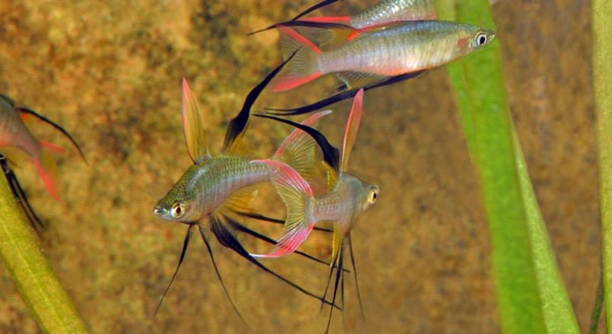
Have you ever found yourself watching your threadfin fish and wondering if they notice when another fish disappears from the tank? Their calm swimming and group behavior often make owners curious about what they truly perceive.
Threadfins do not show emotional recognition when a tankmate leaves, as their behavior is primarily driven by instinct and environmental cues. They may, however, display temporary stress or altered movement patterns in response to sudden changes within their surroundings.
While their reactions may appear subtle, understanding these behavioral shifts can help improve their well-being and maintain a peaceful aquarium environment.
Understanding Threadfin Behavior
Threadfin fish are gentle and observant creatures that often move in coordinated groups. Their social nature makes it easy to assume they feel emotional bonds with their tankmates, but their interactions are mostly instinctive. When a fish is removed, threadfins may momentarily appear unsettled, swimming erratically or exploring the tank more frequently. This is not a sign of emotional distress but a natural response to environmental change. Threadfins rely on consistent surroundings to feel secure, so any disturbance—such as a missing fish, new decor, or altered lighting—can temporarily affect their behavior. Observing these changes can help owners adjust the tank environment and keep stress levels low. With stable conditions, threadfins quickly return to their usual calm state, swimming gracefully in synchronized patterns that reflect their peaceful temperament.
Recognizing these behavioral shifts can help you create a more stable space where your threadfins continue to thrive and remain active.
Threadfins’ reactions to their surroundings highlight the importance of maintaining steady water quality, consistent feeding schedules, and minimal disturbances. Their calm nature makes them sensitive to changes, and even small adjustments can influence their comfort. Observing their daily habits closely allows you to notice when something feels off. If your threadfins start hiding more often, appear jumpy, or lose their usual coordination, it may be time to reassess the tank setup. These subtle signals are their way of responding to discomfort. Keeping the environment balanced helps maintain both their physical health and social harmony. The more consistent your care routine, the more confident and relaxed your threadfins will be, ensuring they continue displaying their gentle, graceful movements that make them so captivating to watch.
Helping Threadfins Adjust
Threadfins need a calm and familiar environment to thrive. When their surroundings change suddenly, they rely on stability to regain comfort and confidence. Consistency helps them settle faster and resume natural group swimming behavior.
Creating a stable environment begins with monitoring water parameters closely, including temperature, pH, and filtration. Sudden shifts in these factors can cause stress that appears as nervous movements or reduced appetite. Introducing or removing tankmates should be done gradually to allow threadfins time to adjust. Avoid rearranging decorations or altering lighting too often, as this disrupts their sense of familiarity. Feeding them at regular times also provides reassurance. If a fish must be removed, try to minimize sudden changes by maintaining familiar patterns. Over time, threadfins adapt to the absence and resume their usual calm demeanor. Consistent care not only prevents stress but also enhances their natural beauty, allowing them to thrive peacefully in their environment.
Observing Behavioral Changes
Threadfins may display subtle signs of unease when a tankmate disappears, often swimming erratically or pausing near areas the other fish once occupied. These reactions are short-lived, typically fading as they adapt to the new environment.
Their behavior is primarily driven by instinct rather than emotional recognition. When the social structure changes, threadfins react to the absence as an environmental shift rather than a loss. They rely heavily on group coordination for security, so a missing tankmate can briefly disrupt that rhythm. Owners may notice increased exploration, temporary hiding, or reduced feeding activity. Once the tank’s balance stabilizes, these reactions fade. Observing and responding to these small behavioral cues can help ensure they remain comfortable. Keeping the environment familiar, quiet, and well-maintained encourages their natural calmness to return, helping them readjust smoothly without prolonged stress or confusion.
Maintaining consistent environmental cues helps threadfins recover faster from changes. Their sensitivity to movement and vibration means even small disturbances can affect their confidence. Watching for variations in swimming speed, positioning, or appetite helps identify stress early. Offering stable lighting, proper filtration, and consistent feeding supports their sense of security. Over time, these efforts create a predictable and reassuring environment where threadfins resume their usual harmonious swimming behavior. This stability prevents long-term stress, keeps their immune system strong, and enhances their overall health. Owners who pay close attention to these details often find their fish remain more active and display brighter colors, reflecting improved well-being within a calm, balanced aquarium setting.
Maintaining a Balanced Environment
Threadfins thrive in stable, well-oxygenated water with minimal fluctuations. Regular water changes, gentle filtration, and controlled lighting help prevent stress and maintain consistent comfort for the fish. Balanced conditions support their group behavior and natural movement patterns.
Creating a healthy habitat requires monitoring both the physical and social aspects of the tank. Temperature consistency, pH balance, and cleanliness all contribute to a stable ecosystem that reduces anxiety. Introducing new tankmates gradually prevents sudden territorial shifts and allows threadfins to adapt without disruption. Live plants can provide natural hiding spots, helping them feel secure. Avoid overcrowding, as it increases competition for space and resources. Threadfins flourish when they have room to swim freely in clear, clean water. By maintaining these standards, you not only support their physical health but also preserve their calm, synchronized nature, ensuring your aquarium remains a peaceful and visually soothing environment.
Recognizing Stress Indicators
Threadfins often reveal stress through subtle behavioral shifts. They may hide more frequently, swim frantically, or lose coordination with their group. Color fading or loss of appetite can also signal discomfort, especially after a tankmate’s removal or sudden environmental change.
Observing these behaviors allows early intervention before stress worsens. Reducing tank noise, maintaining stable lighting, and providing calm surroundings help restore comfort. Consistent feeding and gentle water movement can encourage them to resume normal swimming patterns. Paying attention to these signs supports their overall health and prevents long-term stress-related issues from developing within the aquarium.
Encouraging Stability
Establishing predictability is key to keeping threadfins calm and balanced. Regular maintenance, minimal tank rearrangements, and consistent feeding schedules reduce uncertainty. Threadfins thrive when daily patterns remain familiar, as this reassures them and allows their natural group coordination to continue without interruption or unease.
The Value of Observation
Careful observation helps identify early behavioral changes. Watching their movements, reactions, and feeding responses gives insight into their comfort levels. When monitored consistently, threadfins reveal subtle signs that help maintain a balanced, healthy, and stress-free aquatic environment.
FAQ
Do threadfins notice when a tankmate leaves?
Threadfins respond to environmental changes rather than emotional loss. When a tankmate is removed, they may briefly alter swimming patterns, explore the tank more, or pause near familiar hiding spots. These behaviors indicate adjustment to a change, not recognition or grief. Their reactions are typically short-lived, and they resume normal group behavior once the tank environment stabilizes.
How can I tell if my threadfins are stressed?
Signs of stress include erratic swimming, hiding more often, reduced appetite, or color fading. Observing their group coordination is also helpful. If one fish stops following the usual school pattern, it may signal discomfort. Addressing these signs quickly—through water quality checks, gentle water movement, and stable surroundings—can prevent prolonged stress and health issues.
Does removing a fish affect the social structure?
Yes, temporarily. Threadfins rely on coordinated group swimming for security, so the absence of a tankmate may disrupt this rhythm. They may appear more cautious or hesitant when exploring. Over time, the remaining fish adjust to the smaller group, and their natural coordination resumes. Providing consistent feeding and maintaining the environment helps them regain balance faster.
Can I minimize stress during fish removal?
Gradual changes are key. If a fish must be removed, maintain familiar routines and avoid sudden disturbances. Keep feeding schedules, lighting, and water conditions consistent. Using gentle handling and minimizing tank movement also helps. These measures reduce stress for both the removed fish and the remaining threadfins, allowing them to adjust smoothly without prolonged unease.
Do threadfins recognize individual fish?
Threadfins do not form emotional attachments to specific tankmates. Their interactions are based on instinctive schooling behavior rather than recognition of individuals. While they may react to movement or presence in certain areas of the tank, these reactions are driven by environmental cues rather than memory or personal bonds.
How long does it take for threadfins to adapt?
Adjustment is usually quick, often within a few hours to a day. Stability in water parameters, feeding routines, and minimal disturbances accelerate recovery. Temporary behavioral changes, such as increased exploration or pausing near a missing tankmate’s spot, fade as the fish adapt to the new group dynamic.
Are there long-term effects if a fish leaves?
Long-term effects are unlikely if the environment remains stable. Threadfins thrive in consistent conditions, and their schooling behavior reestablishes naturally. Prolonged stress can occur only if the tank experiences repeated disruptions, poor water quality, or overcrowding. Maintaining regular maintenance and predictable routines ensures ongoing health and calm behavior.
What environmental factors influence their adjustment?
Water temperature, pH levels, lighting, and tank layout all play a role. Sudden changes in any of these factors can amplify stress. Providing a familiar environment with hiding spots and gentle water flow helps threadfins feel secure. Consistency in feeding and minimal rearrangement of decorations supports their natural behavior and adaptation process.
Should I add a new tankmate immediately after removal?
Immediate introduction is not recommended. Allow the remaining threadfins time to adjust to the absence of the previous fish. Once they display normal swimming and feeding behaviors, a new tankmate can be added gradually. This approach prevents additional stress and ensures the school’s coordination remains stable.
Do threadfins show signs of sadness?
No. Their behavioral responses reflect adaptation to environmental changes, not emotional experiences. While some movements may appear like searching or pausing near a missing tankmate, these are instinctive adjustments rather than grief. Understanding this helps in managing tank dynamics without overinterpreting their behavior.
How can I support my threadfins after a tankmate leaves?
Keep the tank environment stable with consistent feeding, lighting, and water conditions. Avoid unnecessary rearrangements and monitor their behavior closely. Gentle interaction through feeding or observing without disturbing the tank can reassure them. Stability allows threadfins to regain confidence, maintain their schooling pattern, and continue displaying calm, coordinated movement.
Are threadfins affected by multiple removals?
Repeated removals can temporarily disrupt their schooling pattern and increase stress. Providing stable water conditions, gradual changes, and sufficient space reduces the impact. Monitoring for signs like hiding, reduced appetite, or erratic swimming ensures the fish remain healthy and adapt quickly to each change.
Can their reactions predict other health issues?
Behavioral changes can indicate stress-related problems or illness. Increased hiding, loss of coordination, or color fading may signal issues beyond the absence of a tankmate. Regular observation, proper nutrition, and maintaining water quality help prevent complications and support overall well-being.
Is it necessary to change the tank setup after removal?
Not usually. A stable, familiar environment helps threadfins adjust quickly. Major rearrangements can increase stress and delay adaptation. Minimal adjustments, such as cleaning or minor decoration changes, are sufficient. Maintaining consistency ensures the remaining fish continue to exhibit normal, coordinated behavior.
How can I monitor their recovery effectively?
Observe swimming patterns, feeding behavior, and social interactions within the group. Document changes if necessary, noting any unusual movements or avoidance of certain areas. Recovery is indicated when they resume regular schooling, show normal appetite, and maintain color. Consistent observation allows timely intervention if stress persists.
Do threadfins communicate distress to each other?
They do not communicate distress verbally or emotionally. Reactions to changes are instinctive, often reflected in altered movement, swimming speed, or positioning. Observing the group as a whole helps gauge overall comfort, as sudden changes in coordination or behavior may signal environmental issues needing attention.
What role does diet play in adaptation?
Proper nutrition supports physical health, which in turn influences behavior and stress resilience. Balanced feeding ensures energy for exploration, schooling, and recovery from environmental changes. Skipping meals or inconsistent feeding schedules can exacerbate stress and delay adaptation after a tankmate leaves.
Can threadfins become aggressive when a fish leaves?
Aggression is uncommon but may occur if space is limited or if the absence disrupts group coordination. Maintaining adequate swimming area, consistent routines, and environmental stability prevents conflicts. Any signs of chasing or nipping should be addressed through minor adjustments and observation.
Is it normal for threadfins to explore more after a fish leaves?
Yes. Increased exploration reflects curiosity and adjustment rather than distress. They may investigate areas previously occupied by the missing fish. This behavior typically subsides once the group reestablishes normal schooling patterns. Providing a calm, consistent environment supports a smooth transition.
Can tankmates affect recovery speed?
Yes. Remaining fish with stable behavior can help the group readjust quickly. Introducing calm and compatible species supports a stress-free environment. Avoid adding aggressive or highly active fish immediately, as this can slow adaptation and increase temporary unease within the school.
How often should I check water parameters during adaptation?
Daily monitoring is ideal, especially after a tankmate leaves. Temperature, pH, ammonia, and nitrate levels should remain stable. Consistent water quality prevents additional stress and allows threadfins to focus on regaining normal behavior without environmental disturbances.
Do threadfins remember previous tankmates?
No. Their behavior does not indicate memory of specific individuals. Reactions to absence are environmental responses rather than recognition. Observing them adjust and reestablish schooling shows that their behavior is guided by instinct and current group dynamics rather than attachment to past companions.
Are behavioral changes permanent?
No. Changes are temporary and typically resolve once the environment stabilizes. Consistent care, minimal disturbances, and predictable routines allow threadfins to return to normal schooling, feeding, and swimming patterns. Permanent behavioral issues are rare when conditions remain stable and healthy.
How long should I observe changes before intervening?
Observe for several hours to a day after the change. Temporary exploration or pausing near a missing tankmate’s spot is normal. If erratic swimming, hiding, or reduced appetite persists beyond this period, assess water quality, tank setup, and feeding routines to address potential stress factors.
What small adjustments can help post-removal adaptation?
Minor improvements, such as adding familiar hiding spots, maintaining gentle water flow, and keeping lighting consistent, can support adaptation. Avoid drastic rearrangements or overhandling. These small adjustments reassure threadfins and encourage them to resume natural group behaviors with minimal disruption.
Is professional advice necessary after a fish leaves?
Professional consultation is generally unnecessary unless persistent stress, illness, or aggression appears. Most threadfins adjust quickly in stable conditions. However, a veterinarian or aquatic specialist can provide guidance if behavioral changes continue or water quality issues arise.
Final Thoughts
Threadfins are gentle, instinct-driven fish that thrive in stable and predictable environments. Their behavior reflects responses to changes in their surroundings rather than emotional awareness of other fish leaving the tank. When a tankmate is removed, threadfins may display brief signs of unease, such as altered swimming patterns, pausing near empty areas, or increased exploration. These reactions are natural and usually short-lived. Observing them during this period allows owners to understand their normal adjustment process and ensure the tank environment remains supportive and consistent. Maintaining stable water conditions, lighting, and feeding routines helps threadfins regain comfort quickly, supporting both their physical health and group coordination.
Careful observation is key to keeping threadfins healthy and comfortable. Watching for subtle behavioral changes, like reduced appetite, hiding more frequently, or swimming differently, provides important insight into their comfort levels. Owners can support recovery by avoiding sudden disturbances, minimizing tank rearrangements, and maintaining consistent daily routines. Adding gentle environmental features, such as live plants or soft hiding spots, can further reduce stress and reinforce a sense of security. Over time, threadfins adjust to the absence of a tankmate, returning to calm, coordinated schooling behavior that reflects their natural instincts. This highlights the importance of consistent care and the benefits of creating a stable, predictable aquarium environment.
Ultimately, threadfins’ reactions to missing tankmates emphasize the role of environmental stability in their well-being. Their subtle responses are temporary adjustments rather than emotional expressions. Providing a calm, consistent habitat ensures they continue to exhibit healthy, natural behaviors. Regular maintenance, observation, and attention to tank conditions allow threadfins to thrive despite changes in social dynamics. Understanding these patterns helps owners create a balanced aquarium where fish remain comfortable, active, and healthy. By focusing on stability, predictability, and careful observation, threadfins can adapt easily to the absence of a tankmate while continuing to display their characteristic calm and graceful behavior. This approach ensures long-term well-being and a visually harmonious aquarium.

Hello,
If you enjoy the content that we create, please consider saying a "Thank You!" by leaving a tip.
Every little bit helps us continue crafting quality advice that supports the health, happiness, and well-being of pets around the world, for pets of all shapes, sizes, and species.
We really appreciate the kindness and support that you show us!