
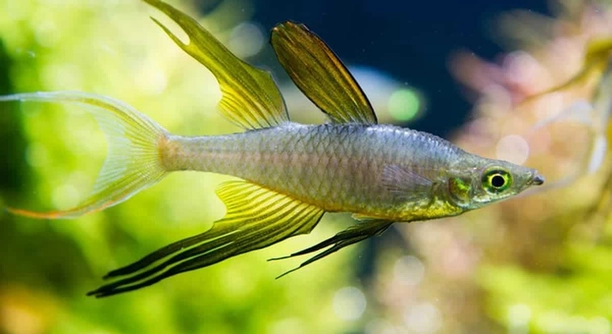
Threadfin Rainbowfish are lively and colorful freshwater fish that thrive in well-maintained aquariums. They enjoy calm waters and spaces where they can swim freely without feeling stressed or cornered by sharp or unusual objects.
Threadfin Rainbowfish avoid aquariums with dense plastic decorations, sharp-edged ornaments, rough rocks, overly dark caves, artificial plants with hard tips, cluttered gravel substrates, and decorations that restrict open swimming space. These elements can cause stress or injury and reduce their natural activity.
Knowing which decorations to avoid can help maintain a healthy, stress-free environment for these fish. Proper choices support their swimming habits and overall well-being in the aquarium.
Dense Plastic Decorations
Plastic decorations with tight corners or rigid surfaces can be harmful to Threadfin Rainbowfish. These fish like to swim freely, and bumping into hard plastics can damage their delicate fins. Often, the decorations may look attractive, but they provide little space for natural movement. In addition, some plastics can leach chemicals into the water over time, affecting water quality and the health of the fish. Even if the plastic is labeled “safe,” sharp edges or rough textures are still risky. Many aquarists prefer smooth ceramic or natural materials that allow open swimming while keeping the tank visually interesting. A simple arrangement with open spaces reduces stress and promotes active behavior. Threadfin Rainbowfish often exhibit shy behavior when their environment feels confined. By avoiding dense plastic decorations, you create a more natural and comfortable habitat, encouraging the fish to explore the tank confidently.
Plastic decorations can limit swimming and risk fin injury for Threadfin Rainbowfish. Smooth, open alternatives are safer.
Using safer alternatives helps maintain a healthy tank and supports natural behavior. Opting for ceramics, smooth rocks, and soft plants allows fish to move without obstruction. Regularly inspecting the tank for sharp or brittle decorations keeps the aquarium secure, preventing injuries. Even small adjustments in arrangement can significantly improve swimming space and reduce stress, making the fish more active and visible. Thoughtful decoration selection also minimizes maintenance problems, such as debris collecting in hard-to-reach spots or chemicals leaching from certain plastics. In the end, the goal is a balance between aesthetic appeal and a safe environment. Observing the fish’s behavior after rearranging decorations can confirm whether the habitat meets their needs. This approach ensures that Threadfin Rainbowfish remain healthy, vibrant, and free from unnecessary hazards, while still keeping the tank visually pleasing.
Sharp-Edged Ornaments
Sharp-edged ornaments can easily tear fins or injure delicate bodies of Threadfin Rainbowfish. Avoid objects with jagged surfaces or points.
Threadfin Rainbowfish are sensitive to cuts, which can lead to infections. Selecting smooth or rounded ornaments reduces injuries. Regularly checking decorations for chips or cracks prevents potential hazards from developing over time. These fish are active swimmers, so even small sharp points can pose risks. Smooth, natural-looking objects maintain both safety and aesthetics.
Rough Rocks
Rough rocks with jagged surfaces can injure Threadfin Rainbowfish fins and scales. These fish often swim close to surfaces, and sharp edges may cause cuts, leading to infections or stress. Smooth, polished rocks are safer and allow natural swimming without risk of harm.
Selecting rough rocks might seem natural, but they can easily damage fish. Even small chips or sharp points on rocks pose a threat to delicate fins. Threadfin Rainbowfish are active swimmers, and collisions are common. Over time, repeated contact with rough surfaces can stunt growth or create chronic stress. Choosing rocks with rounded edges or naturally smooth surfaces reduces the risk of injury. Rocks that are too large or heavy can also trap fish or limit open swimming areas. By carefully arranging safe rocks, the aquarium becomes both visually appealing and secure, supporting healthy fish behavior and longevity.
Polished or smooth rocks create safer swimming spaces while still offering hiding spots. Rounded rocks mimic natural environments and prevent accidental injuries. Proper placement ensures open areas for swimming and reduces stress. Observing fish reactions to new rock arrangements helps maintain a comfortable and safe habitat.
Overly Dark Caves
Overly dark caves can stress Threadfin Rainbowfish because they prefer moderate hiding spaces with light exposure. Completely dark areas can isolate fish and reduce activity. Moderate lighting helps fish feel secure without cutting off visibility entirely.
Dark caves may seem protective, but they can limit social interactions and natural swimming patterns. Threadfin Rainbowfish rely on sight for exploring and feeding, so excessive darkness can lead to lethargy or hiding for long periods. Small or dimly lit caves are enough for temporary refuge but should not dominate the tank. Lighting balance encourages natural behavior and keeps the aquarium visually pleasing. Fish that feel trapped in dark areas may develop fin clamping or other stress signs. Choosing caves with open entrances or partial light exposure allows hiding without compromising activity. A few well-placed, moderately lit caves provide comfort while maintaining freedom to swim and interact.
Artificial Plants with Hard Tips
Artificial plants with stiff, pointed tips can tear fins and cause stress for Threadfin Rainbowfish. Soft, flexible plants are much safer, allowing fish to swim through without risk of injury.
Plastic plants with sharp edges can also trap debris and affect water quality. Choosing silk or soft plastic plants reduces both injury and maintenance concerns.
Cluttered Gravel Substrates
Gravel that is too small or densely packed can make swimming difficult and trap waste, creating unhygienic conditions. Threadfin Rainbowfish need open areas to move freely and forage safely. Proper substrate selection balances visual appeal with safety and health considerations.
Decorations That Restrict Open Swimming Space
Large, bulky decorations that limit swimming paths can stress Threadfin Rainbowfish. Open swimming space is essential for their activity, social behavior, and overall health. Choosing fewer, well-placed items ensures freedom of movement and a more natural environment.
FAQ
What type of decorations are safest for Threadfin Rainbowfish?
Smooth, natural materials like polished rocks, ceramic ornaments, and soft artificial plants are the safest options. Avoid sharp edges, rough surfaces, and overly dense arrangements. Open swimming areas are important, so decorations should not crowd the tank or block natural movement.
Can artificial plants harm my fish?
Yes, stiff or sharp-tipped artificial plants can tear fins or cause stress. Soft plastic or silk plants are better, offering hiding spots without the risk of injury. It’s also easier to clean soft plants, reducing trapped debris and maintaining water quality.
Are caves necessary in a Threadfin Rainbowfish tank?
Caves are not strictly necessary but can provide temporary hiding spots. Avoid overly dark or enclosed caves, as these can isolate fish and increase stress. Moderately lit caves with open entrances are ideal, allowing security without limiting swimming or social interactions.
Is gravel substrate important for their well-being?
Yes, gravel affects both swimming and tank hygiene. Dense, small gravel can trap debris and restrict movement. Larger, smoother gravel or sand allows free swimming and easier cleaning, helping prevent water quality issues and stress for the fish.
How can I prevent fin injuries?
Select smooth decorations, rounded rocks, and soft plants. Inspect the tank regularly for chipped ornaments or rough surfaces. Avoid overcrowding with decorations that block swimming paths, and remove any potentially hazardous objects immediately to reduce risk.
Do Threadfin Rainbowfish prefer natural or artificial decorations?
They benefit from a mix. Natural items like smooth rocks and driftwood mimic their environment, while soft artificial plants provide extra hiding spaces without damage. Prioritize safety and open space over purely aesthetic choices.
Can overcrowding decorations affect behavior?
Yes, too many or bulky decorations can stress fish by limiting open swimming space. This can reduce activity, cause hiding, and even lead to aggression or fin clamping. Maintaining open areas encourages natural swimming and social behavior.
How often should I rearrange decorations?
Rearranging should be done sparingly to avoid stressing the fish. When making changes, ensure safe spacing and smooth surfaces. Observing their behavior afterward helps confirm that the new setup is comfortable and promotes natural activity.
Are there any decorations I should never use?
Avoid jagged rocks, sharp ornaments, stiff plastic plants, overly dark caves, and anything that blocks swimming paths. Anything that can injure, trap debris, or cause stress should be removed or replaced with safer alternatives.
How can I balance safety and aesthetics?
Focus on smooth, rounded, and soft materials that mimic natural environments. Use fewer decorations strategically to create open spaces and moderate hiding spots. This keeps the tank visually appealing while prioritizing the health and comfort of the fish.
Do lighting conditions interact with decoration choice?
Yes, excessive darkness or harsh shadows from tall decorations can increase stress. Choose moderately lit areas for caves and avoid blocking light with bulky objects. Proper lighting supports natural behavior, swimming, and overall well-being.
Can decorations affect water quality?
Certain plastics or poorly cleaned ornaments can leach chemicals or trap debris. Regular maintenance and selecting safe, non-toxic materials ensure water remains clean, supporting the fish’s health and reducing stress.
How do I know if my fish are stressed by decorations?
Signs include hiding excessively, clamped fins, reduced swimming, or aggression. Observing their daily behavior helps identify problems. Adjusting or removing potentially harmful decorations can restore comfort and activity.
Are there specific arrangements that work best?
Open swimming paths with scattered hiding spots work best. Avoid cluttering one side of the tank or stacking decorations too high. Balanced arrangements allow the fish to explore, socialize, and feed naturally.
Can decorations help with breeding behavior?
Safe hiding spaces, moderate plants, and open swimming areas encourage natural behavior, which can support breeding. Avoid tight caves or rough surfaces that could harm delicate fins or eggs.
What is the simplest way to test new decorations?
Place one or two new items at a time and observe fish reactions. If they show avoidance or stress signs, remove or adjust the items. Gradual changes minimize disruption and ensure a safe environment.
Do fish react differently to natural versus artificial rocks?
Mostly in texture and safety. Natural smooth rocks are often preferred for hiding and swimming, while artificial rocks must be carefully selected to avoid sharp edges. Both can work if they are smooth, non-toxic, and properly placed.
Can Threadfin Rainbowfish tolerate highly decorated tanks?
They tolerate decorations if the layout prioritizes open swimming areas, safe surfaces, and moderate hiding spots. Overcrowding or sharp objects always increases stress, regardless of fish adaptability.
How often should I clean decorations?
Clean decorations during regular tank maintenance to prevent algae buildup and trapped debris. Avoid harsh chemicals, and rinse thoroughly with tank water. Clean surfaces reduce stress and keep water safe for the fish.
Are there any seasonal considerations for decorations?
Not directly, but changes in temperature, lighting, or water chemistry can interact with decoration placement. Ensure decorations do not create shaded or trapped areas that worsen during seasonal changes. Smooth, safe, and well-spaced items remain important year-round.
Can decorations influence social behavior?
Yes, open spaces encourage schooling and interaction, while overly dark or crowded decorations may isolate or stress fish. Properly balanced items help maintain normal social dynamics.
Do decorations affect feeding patterns?
Yes, cluttered or sharp areas can block access to food or make fish hesitant to swim. Open areas and safe hiding spots allow fish to feed comfortably without stress or risk of injury.
Are there beginner-friendly decoration tips?
Start with smooth rocks, soft plants, and a few moderate hiding spaces. Avoid overcrowding and sharp edges. Observe fish behavior regularly, and adjust slowly. Simple, safe setups are easier to maintain and keep fish healthy.
How do I choose between aesthetic appeal and fish safety?
Prioritize safety first—smooth, non-toxic, well-spaced items. Use fewer, visually appealing pieces to maintain a pleasant look. Open areas and natural textures balance health with appearance, ensuring the fish remain active and stress-free.
What mistakes should I avoid when decorating a Threadfin Rainbowfish tank?
Avoid sharp or rough objects, dense or overcrowded layouts, overly dark caves, and restricted swimming paths. Don’t introduce new items too quickly or ignore signs of stress. Regular inspection and gradual adjustments help maintain a safe environment.
Can decorations reduce stress effectively?
Yes, but only if chosen carefully. Safe hiding spots, smooth surfaces, and open swimming areas reduce stress. Avoid anything that risks injury or restricts movement. Thoughtful placement ensures the tank remains both secure and comfortable.
Do fish prefer consistency or frequent changes in decorations?
Consistency is best. Frequent rearrangements can stress Threadfin Rainbowfish. Small, gradual changes are acceptable, but maintaining familiar swimming paths and hiding areas supports comfort and natural behavior.
How important is spacing between decorations?
Critical. Proper spacing allows free swimming, reduces aggression, and prevents injury. Overcrowding increases stress, while well-placed items balance safety, hiding spots, and visual interest effectively.
Can decorations help mimic natural habitats?
Yes, using smooth rocks, driftwood, and soft plants recreates elements of rivers or streams. Natural-like arrangements encourage active swimming and exploration while keeping the tank safe and visually pleasing.
Are there signs that decorations are unsuitable?
Signs include clamped fins, hiding excessively, reduced swimming, or physical injuries. Observing fish behavior daily helps identify problematic decorations. Prompt removal or adjustment prevents long-term stress or harm.
Do decorations impact long-term health?
Absolutely. Safe, open, and well-maintained decorations support normal activity, reduce injury risk, and promote a stress-free environment. Poor choices can lead to chronic stress, fin damage, and reduced lifespan.
How can I improve an existing tank without harming fish?
Introduce changes gradually, remove sharp or overcrowded items, and replace with smooth rocks, soft plants, and moderate hiding spaces. Observe fish reactions, and adjust carefully to maintain comfort and safety.
Can small changes make a big difference?
Yes, even minor adjustments like removing a jagged rock or spacing out plants can significantly reduce stress, increase swimming freedom, and improve overall fish health and activity.
Are certain decorations easier to maintain?
Smooth rocks, ceramic items, and soft plants require less cleaning and trap less debris. Avoid porous or rough materials that accumulate dirt, as they increase maintenance and water quality risks.
Do different fish species respond the same way to decorations?
No, Threadfin Rainbowfish are sensitive to fin injury and stress from tight spaces, while other species may tolerate rougher setups. Always consider species-specific needs when decorating.
Can lighting enhance safe decorations?
Moderate lighting helps highlight open areas and soft hiding spots. Properly lit decorations encourage natural activity and reduce stress caused by overly dark or shadowed corners.
What’s the key takeaway for safe tank decoration?
Prioritize smooth, non-toxic materials, open swimming spaces, and moderate hiding areas. Gradual changes and careful observation ensure Threadfin Rainbowfish remain healthy, active, and stress-free.
How do I monitor fish after adding decorations?
Watch for fin damage, excessive hiding, reduced swimming, or unusual behavior. Adjust decorations immediately if stress signs appear. Regular monitoring ensures a safe, comfortable environment.
Can I mix natural and artificial decorations?
Yes, as long as all items are smooth, non-toxic, and safe. Natural rocks or driftwood combined with soft artificial plants can create a visually pleasing, functional habitat without harming the fish.
Are there decoration trends to avoid?
Avoid sharp-edged plastics, overcrowded artificial reefs, tiny gravel, and overly dark caves. These may look decorative but compromise safety, stress fish, and increase maintenance challenges.
Do decorations affect breeding success?
Yes, safe hiding spots and open swimming areas encourage normal courtship and spawning behavior. Sharp or overly dark decorations can deter breeding and harm eggs or fry.
How much open space is enough?
Leave at least 50–60% of the tank area free for swimming. This allows natural movement, reduces stress, and supports social behavior without sacrificing visual interest.
Can decorations help with territorial behavior?
Moderate, well-placed hiding spots reduce aggression by giving fish personal space. Avoid overly crowded or sharp objects that increase stress and provoke fights.
How often should I inspect decorations?
Check every few weeks for sharp edges, chips, or trapped debris. Regular inspection prevents injury and maintains a safe, comfortable habitat for Threadfin Rainbowfish.
Are decorative lights safe?
Yes, if positioned carefully. Avoid direct glare on dark hiding spots, which can increase stress. Moderate lighting enhances visibility, highlights decorations, and supports natural behavior.
Can I add new decorations while fish are present?
Yes, but add gradually and observe reactions. Sudden changes or overcrowding can cause stress or hiding. Ensure all new items are smooth, non-toxic, and well-spaced.
Do decorations influence fish color vibrancy?
Indirectly. A low-stress environment with safe, comfortable decorations supports normal behavior, feeding, and overall health, which helps maintain vibrant coloration in Threadfin Rainbowfish.
What’s the best way to arrange decorations?
Place smooth rocks, soft plants, and moderate hiding spots strategically. Maintain open swimming paths, avoid sharp objects, and keep the tank balanced visually and functionally. Observation ensures the layout works for the fish.
Can decorations affect water circulation?
Yes, bulky items can block flow, creating stagnant areas. Proper arrangement supports filtration, oxygenation, and overall water quality, contributing to a healthier environment.
How do I combine aesthetics and safety for small tanks?
Use fewer, small-scale smooth rocks, soft plants, and shallow caves. Prioritize open swimming space, avoid overcrowding, and balance visual interest with safety to maintain a healthy habitat.
Are there long-term maintenance considerations?
Yes, smooth, non-porous decorations are easier to clean and safer. Regular inspection prevents fin damage, reduces stress, and keeps water quality stable for long-term fish health.
Do decorations impact fish activity levels?
Yes, safe, open spaces and moderate hiding spots encourage swimming and social behavior. Overcrowded or sharp environments can reduce activity and cause stress-related behaviors.
How can I test new decorations for safety?
Introduce one item at a time, observe for fin damage or stress, and adjust placement if needed. Gradual testing ensures a safe, comfortable habitat.
Can decorations influence feeding behavior?
Yes, open and safe areas allow easy access to food. Cluttered or sharp decorations may make fish hesitant to swim, feed, or compete naturally, affecting nutrition and growth.
Do decorations affect schooling behavior?
Yes, open swimming paths and balanced hiding spots encourage schooling. Overcrowded or overly dark areas can disrupt group cohesion and natural social interactions.
Are there alternatives to traditional decorations?
Yes, smooth natural rocks, driftwood, soft plants, and open substrate arrangements create a safe, aesthetically pleasing habitat without sharp edges or stress points.
How can I tell if decorations improve fish comfort?
Observe increased swimming, active feeding, schooling behavior, and reduced hiding or fin clamping. Comfortable fish show natural, vibrant behavior and interact more confidently in the tank.
Is there a risk of over-decorating?
Yes, too many items limit swimming, increase stress, and pose injury risks. Maintaining open areas with carefully chosen, smooth decorations is essential for Threadfin Rainbowfish health.
Can decorations reduce aggression in community tanks?
Yes, moderate hiding spots and open swimming areas reduce territorial disputes. Avoid overcrowding or sharp items that may provoke aggression or injury among fish.
What’s the simplest way to maintain safe decorations long-term?
Choose smooth, non-toxic materials, clean regularly, inspect for damage, and avoid overcrowding. Gradual changes and observation ensure a healthy, stress-free environment over time.
Do Threadfin Rainbowfish prefer calm or active tanks?
They thrive in tanks with enough space to swim freely and moderate hiding spots. Overcrowding or overly harsh decorations can cause stress and reduce activity.
Can decorations affect juvenile fish differently than adults?
Yes, juveniles are more prone to injury from sharp or dense decorations. Smooth surfaces, soft plants, and open swimming areas are essential for young fish safety and growth.
How do I balance hiding spots and open space?
Provide a few moderate hiding spots while leaving most of the tank open. This allows security without restricting natural swimming or social behavior.
Do decorations help reduce boredom in fish?
Yes, safe items like soft plants and smooth rocks encourage exploration and activity. Overly complex or sharp setups, however, can stress or injure the fish rather than enrich their environment.
What common mistakes should I avoid with decorations?
Avoid sharp objects, overcrowding, overly dark caves, dense gravel, and sudden rearrangements. Regularly monitor fish behavior and adjust to maintain safety and comfort.
Are there easy-to-clean decoration options?
Smooth rocks, ceramic ornaments, and soft artificial plants require minimal cleaning. Avoid porous or jagged materials that trap debris and increase maintenance needs.
Can decorations influence stress hormone levels in fish?
Indirectly, yes. Safe, open, and well-spaced decorations reduce stress, while sharp or crowded items can elevate stress hormones, affecting health and behavior.
How can I test a tank’s decoration safety before adding fish?
Check for sharp edges, loose parts, and trapped debris. Ensure smooth, open surfaces and safe hiding spots. A trial setup helps prevent injuries once fish are introduced.
Are certain color decorations better than others?
Colors don’t significantly affect safety, but contrasting colors may encourage activity. Focus more on smooth surfaces and open swimming areas than visual appeal alone.
How often should I replace decorations?
Replace damaged or worn items immediately. Smooth, non-toxic materials can last years, but regular inspection ensures they remain safe and stress-free.
Can decorations affect disease risk?
Yes, sharp or porous items can cause injuries that lead to infections. Smooth, clean decorations reduce injury and disease risk while supporting overall health.
Do Threadfin Rainbowfish interact with decorations often?
Yes, they explore hiding spots, swim around objects, and may nibble plants. Safe arrangements encourage natural behavior without risk of injury.
Is it okay to mix soft and hard decorations?
Yes, as long as hard items are smooth and non-toxic. Combining soft plants with polished rocks or ceramics provides variety while maintaining safety.
Can decorations help regulate stress in new fish?
Moderate hiding spots and open swimming areas give new fish security, reducing stress during acclimation. Avoid dark, tight, or sharp spaces that increase fear.
Are there any safety checks before adding new decorations?
Yes, inspect for rough edges, loose parts, and toxins. Ensure enough swimming space and moderate hiding spots before introducing fish. Observation after placement confirms safety.
Can decorations affect fish lifespan?
Indirectly, yes. Safe, open, and clean decorations reduce stress and injuries, supporting healthy behavior and potentially increasing lifespan. Unsafe or overcrowded setups can shorten life expectancy.
Do Threadfin Rainbowfish prefer vertical or horizontal swimming space?
They prefer open horizontal swimming space, though moderate vertical elements like smooth rocks or plants are fine. Overcrowding vertically can limit movement and stress the fish.
How do I prevent accidental fin tears?
Use smooth decorations, avoid sharp or rough surfaces, and maintain open swimming paths. Regular checks ensure safety and reduce risk of fin injury.
Can decorations influence feeding competition?
Yes, open areas allow fair access to food, while crowded or obstructed spaces may increase competition or prevent timid fish from eating.
Are there beginner mistakes with caves?
Choosing overly dark, tight caves can isolate fish and stress them. Opt for moderately lit, open caves that provide security without limiting movement.
Do decorations need to match tank size?
Yes, large tanks can handle bigger items if spaced properly, while small tanks require fewer, smaller decorations to maintain open swimming areas and reduce stress.
How do I know if I’ve added too many decorations?
If fish hide excessively, show reduced activity, or fins get damaged, the tank is likely overcrowded. Removing or rearranging items restores balance and comfort.
Can decorations encourage natural exploration?
Yes, smooth rocks, soft plants, and moderate hiding spots encourage swimming and interaction, mimicking a natural environment without causing injury or stress.
Is it necessary to remove decorations during cleaning?
Not always, but removing and rinsing them occasionally helps prevent debris buildup, algae growth, and potential hazards for Threadfin Rainbowfish.
Do Threadfin Rainbowfish rearrange decorations themselves?
No, they don’t move decorations, but they interact with them by swimming through or around. Safe placement ensures they can explore without risk of injury.
Can decorative driftwood be used safely?
Yes, if smooth and properly cleaned. Avoid rough, jagged, or untreated wood that can injure fins or affect water quality.
How important is observation after decoration changes?
Final Thoughts
Keeping Threadfin Rainbowfish safe and healthy starts with thoughtful decoration choices. Smooth rocks, soft plants, and moderately sized hiding spots make a big difference in how comfortable the fish feel. Decorations should never crowd the tank or create tight spaces where swimming is restricted. Open areas allow the fish to move naturally, interact with each other, and maintain a normal level of activity. Sharp edges, rough surfaces, or dense arrangements increase the risk of fin damage and stress, which can affect overall health. Even decorations that look safe at first glance may cause harm over time, so it’s important to pay attention to texture, size, and placement. A tank with carefully chosen items creates a balanced environment where Threadfin Rainbowfish can thrive.
Regular observation is key to understanding how the fish react to their surroundings. Fish may hide, show clamped fins, or avoid certain areas if decorations are uncomfortable or unsafe. Adjusting or removing problem items helps reduce stress and keeps the tank a safe place for swimming and feeding. Small changes, such as replacing rough rocks with smooth ones or rearranging plants to allow more open swimming paths, can improve comfort and encourage natural behavior. Overcrowded or overly dark areas should be avoided, as they can isolate fish and limit social interactions. Paying attention to water quality is also important, since some decorations, especially plastics or porous materials, can trap debris or leach chemicals. Safe decorations, combined with clean water and open swimming space, help maintain vibrant, healthy fish.
Creating an aquarium for Threadfin Rainbowfish is about finding balance between aesthetics and safety. While decorative elements make a tank visually appealing, their main purpose should be to provide a comfortable, stress-free environment. Moderate hiding spots, smooth surfaces, and careful spacing are more important than the number of decorations or their size. Observing fish behavior, gradually introducing new items, and performing regular maintenance ensures the tank remains safe over time. With thoughtful planning, the fish can explore, feed, and swim freely without injury or stress. By focusing on open space, safe surfaces, and moderate shelter, aquarists provide a healthy habitat where Threadfin Rainbowfish can live actively, display their natural colors, and remain comfortable for years.

Hello,
If you enjoy the content that we create, please consider saying a "Thank You!" by leaving a tip.
Every little bit helps us continue crafting quality advice that supports the health, happiness, and well-being of pets around the world, for pets of all shapes, sizes, and species.
We really appreciate the kindness and support that you show us!