
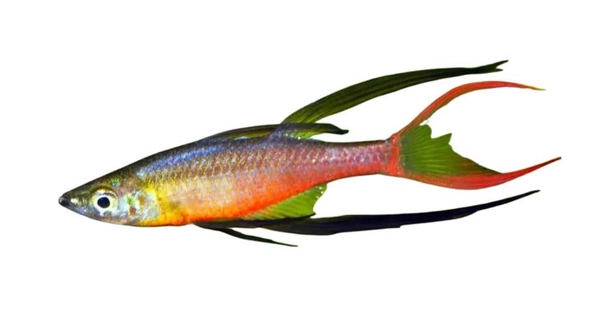
Threadfins are graceful fish often seen gliding through warm coastal waters with their mouths open. Observing this behavior can seem unusual, but it is a natural part of how these fish interact with their environment and sustain themselves.
Threadfins often swim with their mouths open to filter plankton and small particles from the water efficiently. This feeding method allows them to maximize nutrient intake while swimming continuously, ensuring proper growth and energy for survival in their natural habitats.
Learning more about this feeding strategy helps explain their behavior and sheds light on how threadfins thrive in different aquatic environments.
How Threadfins Feed with Open Mouths
Watching threadfins in motion, you notice their mouths constantly open. This behavior is part of their feeding routine, allowing water to pass through their gill rakers while they swim. Tiny plankton and other microscopic food particles get trapped in these gill structures. By swimming continuously with an open mouth, threadfins maintain a steady intake of nutrients without needing to stop. This method is energy-efficient, as it combines movement with feeding. Over time, this behavior has evolved to match their habitat, where food sources are spread out in the water column. Open-mouth swimming also reduces competition, letting threadfins filter-feed in areas where stationary feeders might struggle. Their bodies are perfectly adapted for this lifestyle. Observing them, you can almost sense the rhythm, a balance between motion and survival that feels natural and effortless. The subtle movements of fins and mouth create a fluid dance that supports their daily needs.
Swimming with open mouths helps threadfins feed continuously while conserving energy efficiently throughout the day.
This feeding method also affects their social behavior. Threadfins often swim in groups, which helps reduce predation risks while maintaining access to food. By keeping mouths open and moving together, they can cover larger areas of water and capture more plankton than isolated fish. Their streamlined bodies and strong fins support this constant motion, preventing fatigue during long periods of feeding. Even in crowded waters, this technique allows threadfins to coexist with other species without significant conflict over resources. Additionally, their gill structures are designed to trap tiny particles effectively, ensuring no nutrient goes to waste. Observing them over time reveals how coordinated movement, open-mouth feeding, and efficient energy use all work together to support their survival. This behavior shows a subtle intelligence in how threadfins navigate their habitat while meeting basic needs.
Adaptations That Make Open-Mouth Swimming Possible
Threadfins have specialized gill rakers that filter food effectively while swimming.
These fish possess streamlined bodies, allowing minimal resistance in water. Their fins provide stability, letting them maintain constant forward motion without extra effort. Open-mouth feeding is only possible because their gill rakers are fine enough to catch microscopic food yet strong enough to handle water flow. Their eyes are positioned to help monitor surroundings while feeding, keeping them alert to predators. Even slight adjustments in swimming speed can increase feeding efficiency, showing how finely tuned this behavior is.
Beyond gill structure and body design, threadfins have a metabolism that supports long periods of activity. Their muscles are adapted for endurance, reducing fatigue from continuous swimming. They also exhibit behavioral patterns that help them find food-rich areas, often following currents where plankton gathers. Social swimming enhances safety and feeding opportunities, creating a balance between individual needs and group benefits. By combining physical adaptations with behavioral strategies, threadfins manage to thrive in coastal waters where food sources vary. Observing them closely reveals how evolution shaped both anatomy and habits to support this feeding style. The integration of motion, energy conservation, and filtration efficiency ensures threadfins can sustain themselves and reproduce successfully, maintaining healthy populations in their natural habitats.
Benefits of Open-Mouth Swimming
Open-mouth swimming allows threadfins to feed efficiently while staying active. Continuous motion keeps water flowing through their gills, capturing more plankton than stationary feeding methods. This behavior supports growth and energy needs without extra effort.
This method provides both feeding and safety advantages. While swimming, threadfins can quickly detect predators, adjusting their speed or direction as needed. Their streamlined bodies reduce drag, allowing long periods of motion without tiring. Energy use is optimized because feeding and movement happen simultaneously, reducing the need for pauses. Over time, this efficiency supports better survival rates and overall health. Additionally, swimming in groups helps threadfins find abundant feeding areas and maintain social cohesion. Open-mouth swimming is a behavior finely tuned by evolution to balance nutrition intake, safety, and energy conservation, showing how natural selection shapes both body and behavior.
Open-mouth feeding also influences daily routines and habitat choices. Threadfins prefer waters with steady currents, where plankton is abundant, maximizing the benefit of their method. They can cover more territory, avoiding competition while ensuring access to food. Observing them in these conditions shows how movement, feeding, and habitat selection work together seamlessly, allowing them to thrive in diverse environments.
Environmental Factors Affecting Threadfin Behavior
Water temperature and currents directly influence open-mouth swimming. Cooler or slower waters may reduce feeding efficiency, requiring adjustments in movement and timing.
Currents help carry plankton to the fish, making swimming with an open mouth more productive. Threadfins often position themselves where water flow is optimal, reducing energy spent swimming against resistance. Seasonal changes can shift plankton density, prompting adjustments in feeding times and routes. Pollution or sediment can interfere with filtration, forcing the fish to adapt or relocate. Their ability to sense water quality and adjust behavior demonstrates a delicate balance between environment and survival strategies.
Habitat structure also impacts feeding. Areas with rocks, vegetation, or sandy bottoms provide both protection and feeding opportunities. Threadfins navigate these spaces while keeping mouths open, avoiding obstacles and predators efficiently. Their coordination and awareness of surroundings highlight how behavior and environmental factors are linked. Over time, threadfins develop patterns that maximize food intake while minimizing risk. Group behavior amplifies these benefits, creating a system where movement, feeding, and habitat use support long-term survival in dynamic coastal waters.
Energy Efficiency in Feeding
Open-mouth swimming allows threadfins to feed without stopping, conserving energy. Constant motion ensures a steady intake of nutrients, reducing the need for extra bursts of activity.
Their bodies are built for endurance. Strong fins and streamlined shapes let them maintain motion while filtering food, making feeding and swimming highly efficient.
Group Behavior and Feeding
Threadfins often swim in schools, which enhances feeding efficiency. Moving together allows them to cover larger areas of water, increasing plankton capture. Group movement also provides safety, as more eyes detect predators, letting each fish focus on feeding while staying alert.
Seasonal Influence on Feeding
Changes in temperature and plankton availability affect feeding patterns. Threadfins adjust swimming speed and location to maximize food intake during different seasons, showing adaptability to environmental shifts.
Predation Risks
Open-mouth swimming exposes threadfins to predators, requiring constant vigilance. Their positioning and group strategies help reduce risk while allowing continuous feeding in open waters.
FAQ
Why do threadfins swim with their mouths open?
Threadfins swim with open mouths to filter food from the water. Their gill rakers trap plankton and tiny particles while they move. Swimming continuously while feeding allows them to intake nutrients without pausing, combining motion and nourishment efficiently. This behavior is an evolutionary adaptation that supports survival in open waters.
Do threadfins always swim with open mouths?
Not always. They primarily keep mouths open when feeding or in areas with plenty of plankton. When resting, hiding, or avoiding predators, threadfins may close their mouths. The behavior is largely linked to the need for constant nutrient intake during active periods of the day.
Is open-mouth swimming dangerous for threadfins?
It can increase exposure to predators since their attention is partly on feeding. However, swimming in groups and staying alert helps reduce this risk. The benefits of constant feeding outweigh the potential danger, making it a successful strategy for survival.
How does open-mouth swimming affect their energy use?
This feeding method is energy-efficient. By combining swimming and feeding, threadfins conserve energy that would otherwise be spent stopping to forage. Their streamlined bodies and strong fins support endurance, allowing them to maintain motion without tiring quickly.
Do all fish swim with open mouths like threadfins?
No, this behavior is specific to species adapted for filter feeding. Other fish may feed while stationary or use different techniques to capture prey. Threadfins’ body structure, gill rakers, and metabolism make continuous open-mouth swimming particularly effective for their dietary needs.
How do environmental factors influence this behavior?
Water temperature, currents, and plankton density all play a role. Faster currents can improve food capture, while low plankton levels may require longer swimming or relocation. Seasonal changes also affect feeding patterns, with threadfins adjusting speed, depth, and location to maximize intake.
Does group swimming improve feeding efficiency?
Yes. Moving in schools helps threadfins cover more territory and access more food while providing safety. Fewer fish are singled out by predators, and coordinated swimming ensures each fish benefits from group movement without wasting energy.
Can open-mouth swimming affect their health?
It generally promotes health by ensuring consistent nutrition and energy. However, poor water quality or excessive sediment can reduce feeding efficiency and stress the fish. Healthy habitats with clear water and sufficient plankton support optimal growth and survival.
Are juvenile threadfins’ feeding behaviors different from adults?
Juveniles also use open-mouth swimming but may be less efficient due to smaller gill rakers and weaker swimming endurance. As they grow, their filtration ability and stamina improve, allowing them to feed like adults and maintain energy for growth and survival.
How can observing open-mouth swimming help understand threadfins?
Watching this behavior reveals feeding patterns, energy use, and social habits. It also shows how threadfins respond to environmental changes. Observations can guide conservation, habitat protection, and fisheries management by highlighting what conditions support healthy populations.
Do predators influence how threadfins swim with open mouths?
Predators affect group size, swimming speed, and location. Threadfins adapt by staying in schools and remaining vigilant. This balance allows them to feed efficiently while reducing the likelihood of becoming prey. Predation risk is an important factor shaping this behavior.
Can humans impact open-mouth feeding?
Yes. Overfishing, pollution, and habitat changes can disrupt plankton availability or water quality, affecting feeding efficiency. Maintaining healthy coastal ecosystems ensures threadfins can continue their natural feeding patterns without stress or nutrient shortages.
Do threadfins ever switch to different feeding methods?
Occasionally, they may forage near the bottom or target larger prey if plankton is scarce. Open-mouth swimming remains the primary method, but flexibility allows them to adapt to changing conditions.
How long can threadfins maintain open-mouth swimming?
Threadfins can sustain this behavior for long periods due to strong muscles and efficient energy use. They may take short breaks when plankton density is low or when resting, but most of their active time involves continuous motion and feeding.
Does water clarity affect feeding efficiency?
Yes. Clear water improves filtration by allowing more precise gill raker capture of plankton. Murky or polluted water can reduce food intake and force threadfins to adjust swimming speed, depth, or feeding times to maintain energy balance.
Can other species mimic threadfins’ open-mouth swimming?
Some filter-feeding species show similar behaviors, but each is adapted to its own environment. Threadfins’ specific body shape, fin design, and gill structure make them particularly efficient at this method compared to other fish.
How important is swimming speed for open-mouth feeding?
Speed is critical. Too slow reduces water flow through gills, limiting food capture. Too fast may allow particles to pass without being filtered. Threadfins maintain moderate, steady speeds to optimize nutrient intake while conserving energy.
Do threadfins feed at specific times of the day?
Feeding often aligns with plankton abundance and light levels. Early morning and late afternoon may see increased activity. Open-mouth swimming intensity adjusts based on food availability, environmental conditions, and predator presence, showing a flexible, adaptive feeding pattern.
Are there differences between male and female threadfins in this behavior?
Both sexes exhibit open-mouth swimming equally. Differences, if any, are subtle and usually related to size, growth rate, or reproductive cycles rather than feeding strategy. Both need constant nutrient intake for survival and reproductive success.
What role do gill rakers play in open-mouth swimming?
Gill rakers filter tiny particles from water as it passes through the mouth. Their spacing and structure determine how efficiently plankton is captured. Proper gill function is essential for feeding success, making them a key adaptation in threadfins.
Can open-mouth swimming indicate health issues?
Changes in swimming patterns, slowed motion, or unusual gill movements may signal stress, disease, or poor water quality. Observing behavior helps detect problems early, guiding interventions to maintain healthy fish populations.
How does open-mouth swimming relate to reproduction?
Maintaining energy through efficient feeding supports growth and reproductive readiness. Healthy, well-nourished threadfins are more likely to reproduce successfully, showing how feeding behavior indirectly supports species continuity.
Is this behavior unique to certain habitats?
Threadfins prefer warm coastal waters with steady currents and abundant plankton. Open-mouth swimming is most effective in these environments, though they can adjust in other areas if food and conditions allow.
Do threadfins ever stop feeding while swimming?
They may pause briefly when resting, hiding, or avoiding predators, but most active periods involve continuous feeding. Open-mouth swimming dominates their daily routine to meet high energy demands.
Can this behavior be observed in aquariums?
Yes, in well-maintained tanks with appropriate water flow and plankton-like food. Observing them in captivity provides insights into feeding mechanics, social interactions, and energy use without interfering with natural habits.
Does water pollution affect open-mouth swimming?
Yes. Sediment, chemicals, or algae blooms can reduce filtration efficiency, stress fish, and force behavioral adjustments. Clean, nutrient-rich water ensures optimal feeding and supports healthy populations.
How does group size affect feeding success?
Larger schools can cover more area and capture more plankton collectively, but overcrowding may reduce efficiency. Threadfins balance group size to maximize feeding while minimizing competition and predation risk.
Are there signs of fatigue during open-mouth swimming?
Threadfins rarely show fatigue due to strong muscles and efficient energy use. Short pauses or reduced speed may occur when plankton is scarce or currents are weak, but they quickly resume feeding when conditions improve.
Can open-mouth swimming influence growth rates?
Yes, consistent nutrient intake supports rapid growth and development. Fish that feed efficiently in schools and optimal currents generally reach maturity faster and maintain better health than those in less favorable conditions.
Does this behavior change with age?
Juveniles swim slower and may capture fewer particles, but efficiency increases with size and strength. Adults maintain prolonged, consistent open-mouth swimming, showing how the behavior develops alongside physical growth.
Are threadfins affected by human activity while feeding?
Yes. Fishing, boating, and water pollution can disrupt feeding, alter swimming patterns, and reduce plankton availability. Minimizing disturbances supports natural behavior and long-term population health.
Can temperature extremes impact feeding behavior?
Yes. Very cold or hot water can reduce activity, affect metabolism, and alter swimming patterns. Threadfins adjust speed, location, and timing to maintain energy intake, showing behavioral flexibility in response to environmental stress.
Do threadfins ever feed at the surface while swimming?
They may rise slightly in the water column when plankton density is higher near the surface. This adjustment allows them to maintain feeding efficiency while continuing open-mouth swimming.
How does water salinity influence open-mouth swimming?
Salinity affects metabolism and buoyancy. Threadfins thrive in coastal waters with moderate salinity. Extreme changes may reduce feeding efficiency and require behavioral adjustments to maintain nutrient intake.
Are there predators that specifically target open-mouth feeding threadfins?
Yes, larger fish and birds may exploit the vulnerability during open-mouth swimming. Group behavior, speed adjustments, and habitat choices help reduce predation while allowing continued feeding.
Can open-mouth swimming indicate overall health?
Consistent, smooth swimming with effective filtration suggests good health. Sudden changes may indicate stress, poor nutrition, or environmental issues. Observing behavior provides insights into both individual and population well-being.
Do threadfins compete with other species while feeding?
Yes, but open-mouth swimming and school formation help minimize competition. By moving together and efficiently filtering plankton, threadfins reduce direct conflict while securing enough food for survival.
How adaptable is this feeding method?
Open-mouth swimming is highly adaptable. Threadfins adjust speed, depth, group size, and location to match plankton availability and environmental conditions. Flexibility ensures survival across variable habitats and changing seasons.
Does swimming technique vary between individuals?
Minor differences exist, influenced by size, age, and experience. Overall, most threadfins maintain similar speed, mouth opening, and body posture to optimize feeding, showing shared evolutionary adaptations.
How does open-mouth swimming support reproduction?
By maintaining consistent nutrition and energy, threadfins can grow and reproduce effectively. Healthy fish have better chances of spawning successfully, ensuring the continuation of the species.
Can threadfins feed in low-light conditions?
Yes, they rely on movement and gill filtration more than sight. Plankton availability and water flow are more critical than light, allowing feeding in early morning, dusk, or slightly murky water.
Are there seasonal changes in school size?
School size may expand when plankton is abundant and shrink when food is scarce. Adjustments help balance feeding efficiency with predation risk, demonstrating behavioral flexibility linked to environmental conditions.
Do threadfins ever stop swimming to feed?
Only briefly in extreme conditions. Most feeding occurs while moving, as this ensures constant water flow through gills, maximizing nutrient capture. Pausing too long would reduce energy intake.
How do currents affect open-mouth feeding?
Strong currents bring plankton, improving feeding efficiency. Threadfins position themselves to take advantage of flow, reducing swimming effort while capturing more particles. Currents are a key factor in their feeding success.
Can human-made structures impact feeding?
Yes. Piers, docks, or pollution can alter currents and plankton distribution, affecting open-mouth swimming efficiency. Maintaining natural water flow supports optimal feeding behavior.
Are there long-term effects of inefficient feeding?
Poor feeding reduces growth, energy, and reproductive success. Over time, it can lead to weaker populations and increased vulnerability to predators and environmental stressors, emphasizing the importance of consistent open-mouth feeding.
Do threadfins interact with other species while feeding?
They generally coexist peacefully with other filter feeders, though competition may occur in areas with limited plankton. Open-mouth swimming allows them to efficiently gather food without constant interference.
Can open-mouth swimming be observed year-round?
Yes, as long as water conditions and plankton levels support it. Seasonal adjustments in speed, depth, and location help maintain feeding efficiency throughout the year.
Does water quality influence gill health?
Poor water quality can damage gills, reducing filtration efficiency. Clean, oxygen-rich water ensures gills function properly, supporting consistent open-mouth swimming and overall health.
Are there visible signs of feeding efficiency?
Smooth, steady swimming with consistent mouth opening indicates good efficiency. Hesitation, erratic motion, or reduced filtration may signal low plankton availability or environmental stress.
Do threadfins ever feed at night?
Feeding is less frequent at night but may occur in areas with high plankton concentration or under moonlight. Movement continues, but intensity typically decreases compared to daylight hours.
How important is schooling for young threadfins?
Juveniles rely on schools for protection and learning feeding patterns. Group swimming helps them capture plankton efficiently while avoiding predators, ensuring survival during early development.
Can extreme weather affect feeding?
Storms, high winds, or strong waves disrupt currents and plankton distribution. Threadfins may adjust depth, speed, and location, showing behavioral flexibility to maintain feeding efficiency despite challenging conditions.
How long have threadfins used open-mouth swimming?
This feeding method evolved over generations, shaped by natural selection. It has allowed threadfins to thrive in coastal waters by balancing energy efficiency, nutrient intake, and predator avoidance.
Do threadfins ever switch habitats for better feeding?
Yes. When plankton is scarce or water conditions change, they relocate to areas with better currents and food availability, maintaining their open-mouth swimming strategy effectively.
Can open-mouth swimming be observed in shallow waters?
Yes, but it is more effective in areas with moderate currents and abundant plankton. Shallow waters may limit swimming speed or plankton density, requiring slight behavioral adjustments.
Are there differences in open-mouth swimming between species of threadfins?
Yes, variations exist in gill raker structure, size, and preferred habitats. Each species adapts the behavior to maximize feeding efficiency in its specific environment.
How does swimming posture affect feeding?
Maintaining a horizontal, streamlined posture reduces drag and maximizes water flow through gills. Proper posture ensures efficient particle capture while conserving energy during continuous swimming.
Does schooling reduce predation risk during feeding?
Yes. Larger groups mean more eyes spotting danger, and predators are less likely to target individuals. Schooling allows efficient feeding while maintaining safety.
Do threadfins rely on vision for feeding?
Partially. They mostly rely on water flow and gill filtration to capture plankton. Vision helps detect predators and obstacles but is not critical for particle intake.
Can open-mouth swimming indicate stress?
Changes in speed, mouth movement, or erratic swimming may signal stress from predators, poor water quality, or low plankton availability. Observing behavior helps detect environmental or health issues.
Do threadfins ever feed near the bottom?
Occasionally, especially if plankton or small prey gather near the substrate. However, open-mouth swimming in midwater is the primary method for efficient feeding.
Does human activity alter feeding times?
Boating, fishing, and coastal construction can disrupt currents and light conditions, prompting threadfins to adjust feeding times or locations to maintain efficiency.
Are there signs that threadfins are feeding successfully?
Consistent swimming, steady mouth opening, and healthy body condition indicate effective feeding. Deviations may signal environmental stress or reduced plankton availability.
Can open-mouth swimming be influenced by social hierarchy?
Dominant fish may access better feeding spots, but schooling behavior generally reduces conflict. Coordination ensures most individuals can feed efficiently while maintaining group cohesion.
Do threadfins ever feed alone?
Yes, though less common. Solo feeding occurs in areas with low predation risk or sparse plankton. Group feeding is preferred for safety and efficiency.
How does plankton density affect open-mouth swimming?
Higher density increases feeding efficiency, while low density may require longer swimming, speed adjustments, or relocation. Threadfins adapt to maximize nutrient intake.
Are there times when threadfins stop open-mouth swimming completely?
Only during rest, hiding, or extreme environmental stress. Most active periods involve continuous swimming and feeding to maintain energy levels.
Does water current direction influence swimming pattern?
Yes. Threadfins often swim facing currents to maximize plankton capture while minimizing energy expenditure. Direction and speed adjustments optimize feeding efficiency.
How resilient are threadfins to environmental changes while feeding?
They show strong adaptability. Adjustments in depth, speed, group size, and location allow continued feeding despite variations in currents, plankton availability, or temperature, highlighting behavioral flexibility.
Do threadfins ever feed at the surface during high tide?
They may, especially if plankton concentrates near the surface. Surface feeding complements midwater open-mouth swimming to maximize nutrient intake.
Are there long-term impacts if feeding efficiency drops?
Reduced growth, lower energy, and weaker reproductive success can result from prolonged inefficient feeding. Maintaining proper conditions ensures population health and stability.
How important is water clarity for gill filtration?
Clear water improves particle capture and efficiency. Sediment or murkiness reduces filtration effectiveness, forcing threadfins to adjust swimming speed or location to maintain energy intake.
Can open-mouth swimming be observed in captivity?
Yes, with proper water flow and plankton-like food. Captive observations reveal feeding mechanics, social behavior, and energy use without disrupting natural patterns.
Do threadfins adjust mouth opening size?
Slight adjustments help regulate water flow through gills, optimizing particle capture based on plankton density and swimming speed.
Is open-mouth swimming linked to growth rate?
Yes, consistent nutrient intake supports healthy growth. Efficient feeding allows threadfins to develop faster and maintain strong energy reserves for survival.
Do predators change schooling patterns?
Presence of predators may tighten schools, increase swimming speed, or alter location. These adaptations protect individuals while allowing continued feeding.
Are there seasonal adjustments in swimming speed?
Threadfins may increase speed when plankton is sparse and slow down when food is abundant. These adjustments ensure efficient feeding with minimal energy waste.
Can threadfins feed in brackish water?
Yes, if plankton is available and water conditions are suitable. Open-mouth swimming remains effective as long as currents and particle density support filtration.
Do juvenile threadfins rely more on schooling than adults?
Yes, juveniles gain safety and learning opportunities from group swimming, improving feeding efficiency and survival during early growth stages.
Are there specific currents threadfins prefer?
Moderate, steady currents that carry plankton are ideal. These currents reduce swimming effort while maximizing nutrient capture, supporting continuous open-mouth feeding.
Can environmental stress change feeding behavior?
Yes. Poor water quality, pollution, or low plankton levels may slow swimming, reduce mouth opening, or force relocation
Final Thoughts
Threadfins swimming with their mouths open is a fascinating example of how animals adapt to their environment. This behavior is not random; it is an efficient method for feeding and sustaining energy. By keeping their mouths open while swimming, threadfins filter plankton and other tiny particles from the water. This allows them to eat continuously without stopping, which is especially important in habitats where food is spread out and requires constant movement. Their gill rakers are specially designed to trap these small particles, showing how body structure and behavior work together. Over time, evolution has shaped these fish to use this feeding technique effectively, allowing them to grow, stay active, and reproduce successfully. Observing threadfins in this way highlights the balance between survival needs and environmental conditions, as their behavior is finely tuned to the waters they inhabit.
Another important aspect of open-mouth swimming is how it conserves energy while maximizing food intake. Threadfins combine two essential actions—swimming and feeding—into one efficient motion. Instead of stopping to forage, which would require extra energy, they maintain a steady rhythm, letting water flow through their gills as they move. This constant motion supports their metabolism and allows them to remain alert to predators. Swimming in groups further enhances efficiency, as individuals can share the benefits of schooling. Groups reduce the risk of predation while covering larger areas of water to find food. The coordination among fish in these schools also shows how social behavior contributes to survival. By combining physical adaptations with behavioral strategies, threadfins demonstrate a clever balance between energy use and nutrient intake, making them highly suited to their coastal environments.
Environmental factors also play a crucial role in open-mouth swimming. Currents, water temperature, plankton availability, and habitat conditions all influence how effectively threadfins can feed. In areas with steady currents, plankton is more abundant, making continuous swimming more productive. Seasonal changes may shift plankton density, requiring adjustments in swimming speed, location, or school size. Even minor changes in water quality, such as increased sediment or pollution, can affect feeding efficiency. Threadfins are adaptable, adjusting their behavior to maintain nutrient intake despite changing conditions. Observing this behavior gives insight into how fish interact with their surroundings and maintain energy balance. Understanding open-mouth swimming also emphasizes the importance of protecting their natural habitats, as healthy water conditions support feeding, growth, and long-term population stability. This behavior is a clear reminder of the close link between animal behavior and environmental health, showing how species adapt to survive and thrive in their natural settings.

Hello,
If you enjoy the content that we create, please consider saying a "Thank You!" by leaving a tip.
Every little bit helps us continue crafting quality advice that supports the health, happiness, and well-being of pets around the world, for pets of all shapes, sizes, and species.
We really appreciate the kindness and support that you show us!