
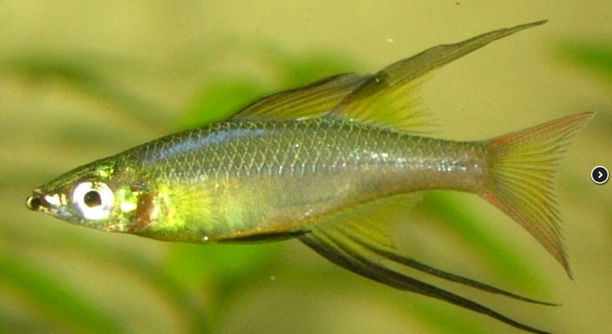
Do your Threadfin Rainbowfish often hover under the filter, appearing restless or hesitant to explore the tank? Many aquarists notice this behavior and wonder if it signals stress, environmental issues, or simply natural tendencies in these fish.
Threadfin Rainbowfish commonly hover under the filter due to water flow preferences, oxygen concentration, and a sense of security. The area near the filter provides stable current, higher oxygen levels, and a sheltered environment that aligns with their natural behavior.
Observing this behavior can reveal important insights about your aquarium setup and fish health. Understanding these factors helps maintain a balanced, comfortable habitat for your Rainbowfish.
Water Flow Preferences
Threadfin Rainbowfish are sensitive to water currents and often seek areas where the flow matches their comfort level. The region under the filter provides a moderate current, which allows them to swim without expending too much energy. Too strong a current can stress them, causing erratic movements or hiding. Placing decorations or plants near the filter can create a more gradual flow, giving the fish areas to rest while still benefiting from water circulation. Observing where your Rainbowfish hover can help determine if adjustments are needed. Proper flow not only supports their physical activity but also promotes oxygen exchange. Over time, fish may develop patterns, often returning to preferred spots that balance activity and security. Maintaining this balance ensures they remain healthy and active, reducing the likelihood of stress-related illnesses. Understanding how your tank’s water movement affects behavior is crucial for providing an environment where Rainbowfish can thrive naturally.
Adjusting the flow carefully can improve fish comfort and tank stability. Small tweaks often yield significant behavioral changes.
Ensuring appropriate water flow also impacts feeding and interaction. Rainbowfish tend to gather in calmer areas during mealtime, avoiding strong currents. Properly placed filters and strategically positioned ornaments allow them to explore while feeling secure. Continuous observation helps identify areas of discomfort, letting you rearrange the environment as needed. Over time, this approach minimizes stress, supports natural swimming patterns, and encourages consistent feeding habits. By monitoring and adjusting flow, you create a more balanced habitat that matches their behavioral tendencies, fostering a healthier and more active aquarium ecosystem for Threadfin Rainbowfish.
Oxygen Levels
Higher oxygen levels near the filter attract Threadfin Rainbowfish, supporting their active metabolism.
Oxygen concentration in water is crucial for these fish, especially in warmer tanks or densely populated aquariums. Filters increase water agitation, improving gas exchange and raising dissolved oxygen. Threadfin Rainbowfish instinctively seek these areas to maintain energy and reduce fatigue. Inadequate oxygen can lead to lethargy, decreased appetite, and susceptibility to disease. Observing where they hover indicates whether oxygen levels meet their needs.
Providing supplemental aeration, adjusting filter output, or adding plants that release oxygen can improve water quality. Maintaining consistent oxygen levels supports their natural behavior and overall health. Temperature fluctuations also affect oxygen solubility; warmer water holds less oxygen, so monitoring both factors is essential. By understanding these dynamics, aquarists can create an environment where Threadfin Rainbowfish remain active, healthy, and less prone to stress. Regular observation and maintenance ensure the tank sustains proper oxygenation, allowing the fish to exhibit natural swimming patterns and thrive comfortably near the filter or other well-oxygenated areas.
Sense of Security
Threadfin Rainbowfish often hover under the filter because it feels safe. The moving water and slight current provide a sense of shelter, helping them stay alert while avoiding open, exposed areas of the tank.
Feeling secure near the filter reduces stress for Rainbowfish. In aquariums, open spaces can feel threatening, especially when other active fish are present. The area under the filter offers a semi-sheltered zone where they can observe their surroundings without being fully exposed. Plants, rocks, or filter housings enhance this effect, giving them additional hiding spots. Over time, the fish associate this area with safety, often returning even when other regions of the tank are comfortable.
Providing these secure areas encourages natural behaviors such as schooling, foraging, and resting. The combination of gentle water flow, protection, and higher oxygen creates an optimal environment. Adjusting decorations and filter positioning helps maintain their comfort while ensuring tank circulation remains effective. Observing their patterns lets you understand preferences and create a balanced, healthy habitat that meets both safety and activity needs.
Feeding and Social Behavior
Threadfin Rainbowfish sometimes hover near the filter during feeding because food particles accumulate in the current, making them easier to catch.
Food availability affects their position in the tank. Rainbowfish instinctively track drifting particles, often gathering where the water movement concentrates flakes or small pellets. This behavior allows them to conserve energy while ensuring adequate nutrition. In groups, their social hierarchy also plays a role; more dominant individuals may occupy prime positions near the filter, while others remain nearby. Adjusting feeding practices, such as dispersing food evenly, can reduce competition and stress.
Social interactions influence tank dynamics around the filter. Rainbowfish are schooling fish, and hovering together reinforces bonds and reduces anxiety. The combination of safe water flow, oxygen concentration, and feeding opportunities creates a favored spot. Observing their interactions helps manage group size, feeding distribution, and territory. By understanding these behavioral patterns, you can maintain harmony, encourage natural schooling, and ensure every fish has access to nourishment without excessive stress or conflict.
Temperature Preferences
Threadfin Rainbowfish often hover under the filter because water movement helps regulate temperature. Cooler, well-circulated water near the filter provides comfort in warmer tanks.
Stable temperature supports their activity and reduces stress. Areas with stagnant water can become slightly warmer, making fish seek more comfortable zones near flowing water.
Tank Maintenance and Cleanliness
Filters help keep water clean, and Rainbowfish are drawn to areas with clearer, well-oxygenated water. This supports their health and reduces exposure to debris or buildup.
Maintaining regular cleaning routines, monitoring water quality, and checking filter efficiency ensures the area remains suitable for your Rainbowfish. Clean water encourages natural swimming patterns and keeps them active, healthy, and less prone to stress or disease.
Lighting and Shadows
Moderate lighting near the filter provides shade, helping Rainbowfish feel safe while swimming.
Light intensity can affect their comfort and behavior. Slight shadows around the filter create a semi-sheltered zone where they can rest without being fully exposed, balancing activity with security.
FAQ
Why do Threadfin Rainbowfish stay under the filter most of the time?
Threadfin Rainbowfish often stay under the filter because it provides a combination of gentle water flow, higher oxygen levels, and a sense of security. This area replicates conditions they naturally seek in the wild, allowing them to swim comfortably while feeling safe from perceived threats.
Is hovering under the filter a sign of illness?
Not necessarily. While illness can change behavior, most of the time hovering under the filter is normal. Fish use this area to conserve energy, monitor surroundings, and feed. However, if accompanied by lethargy, loss of appetite, or unusual coloration, it may indicate a health issue.
How can I make my tank more comfortable for them?
Providing moderate water flow, well-oxygenated areas, and shaded spots improves comfort. Adding plants or decorations near the filter can create additional hiding places. Regular tank maintenance, including water changes and filter cleaning, ensures the area remains optimal for swimming, resting, and feeding.
Should I adjust the filter if my Rainbowfish spend too much time under it?
Minor adjustments can help balance comfort and exploration. If the current is too strong, repositioning the filter or adding decorations to reduce flow can encourage more swimming. Observing their behavior after adjustments helps determine the ideal setup.
Do they prefer certain areas over others when the filter is off?
Yes, Rainbowfish tend to seek areas that replicate similar conditions to the filtered zone, such as moderate currents, shaded spaces, and high oxygen pockets. If the filter is off, they may move to corners, near plants, or around decorations where they feel sheltered.
How does feeding behavior relate to their position near the filter?
The current from the filter can carry food particles, making it easier for Rainbowfish to catch flakes or pellets. They naturally hover in these areas during feeding times to conserve energy and ensure they get enough nutrition without competing excessively with other fish.
Can stress influence their hovering behavior?
Yes, stress from overcrowding, sudden changes, or aggressive tank mates can cause Rainbowfish to stay under the filter more frequently. Creating a stable, calm environment with adequate hiding spots and proper water conditions reduces stress and encourages normal swimming patterns.
How often should I monitor water conditions near the filter?
Regular monitoring is essential. Check oxygen levels, temperature, and cleanliness at least weekly. Ensuring the filter functions correctly and the area remains clear of debris supports the Rainbowfish’s natural behavior and overall health.
Do all Threadfin Rainbowfish exhibit this behavior?
While most display a preference for hovering under or near the filter, individual personalities can vary. Some may explore more actively, while others spend most of their time in sheltered areas. Observing patterns helps understand each fish’s comfort and needs.
Will rearranging the tank affect their behavior?
Yes, changes in decorations, plants, or filter placement can shift where Rainbowfish feel secure. They may temporarily explore other areas, but they typically return to spots that best meet their needs for flow, oxygen, and shelter. Gradual adjustments help reduce stress during rearrangement.
Are there long-term benefits to letting them hover under the filter?
Allowing Rainbowfish to utilize this area supports energy conservation, reduces stress, and promotes overall health. It provides a stable zone for resting, feeding, and observing surroundings, which aligns with their natural tendencies and encourages a balanced, healthy aquarium environment.
Can I encourage more active swimming away from the filter?
Yes, placing plants, rocks, or gentle currents in other parts of the tank can draw them into new areas. Feeding evenly distributed food and maintaining balanced lighting also encourages exploration without compromising their sense of security near the filter.
How do temperature and lighting affect their hovering behavior?
Warmer water may push them toward flowing, cooler areas near the filter. Moderate lighting with shaded spots helps them feel safe. Both factors combined with water flow and oxygen levels determine their preferred position in the tank.
Is it necessary to have multiple hiding spots in addition to the filter?
Yes, providing additional shelter reduces stress and allows all fish to feel secure. Hiding spots like plants, rocks, or ornaments supplement the filter area and support natural behaviors, including resting, schooling, and foraging, especially in larger groups of Rainbowfish.
How can I tell if their behavior is normal or problematic?
Normal behavior includes hovering under the filter while swimming, feeding, and occasionally exploring other areas. Problematic behavior shows sudden lethargy, loss of appetite, erratic swimming, or unusual coloration. Consistent observation helps distinguish between natural tendencies and health concerns.
Do environmental changes affect their position near the filter?
Yes, fluctuations in temperature, oxygen levels, or water quality can influence where Rainbowfish choose to hover. Sudden changes may increase time spent under the filter as they seek comfort. Maintaining stable tank conditions reduces this stress-driven behavior.
What role does social hierarchy play in their choice of location?
Dominant fish often occupy the prime spots near the filter during feeding or resting, while less dominant individuals hover nearby. Understanding these dynamics helps manage group size, feeding, and tank layout to reduce conflicts and ensure all fish are comfortable.
Can adding more fish change their behavior around the filter?
Increasing the number of Rainbowfish or adding tank mates can shift dynamics. More competition may lead to some fish spending extra time under the filter. Providing additional shelter, evenly distributed food, and adequate space minimizes stress and maintains natural swimming patterns.
Are there seasonal or breeding factors that affect their behavior?
Yes, during breeding, Rainbowfish may seek sheltered spots near the filter for protection or territorial reasons. Seasonal changes in water temperature or lighting can also influence where they feel most comfortable, highlighting the importance of monitoring conditions year-round.
How often should I check their behavior to ensure it’s normal?
Daily observation is ideal. Watching their swimming patterns, feeding habits, and interaction with the tank environment helps detect changes early. Consistent monitoring supports a healthy habitat and ensures any issues, such as stress or illness, are addressed promptly.
What small changes can improve their comfort near the filter?
Adjusting flow, adding plants or rocks for shelter, and ensuring even feeding distribution can enhance their comfort. Small, gradual adjustments help Rainbowfish feel secure while encouraging natural activity and reducing prolonged stress or competition near the filter.
Can poor water quality make them stay under the filter more?
Yes, inadequate oxygen, ammonia buildup, or high nitrate levels can drive Rainbowfish to seek the cleanest, most oxygenated areas, often near the filter. Regular testing, water changes, and filter maintenance prevent prolonged exposure to poor conditions and support natural behavior.
Do younger or smaller Rainbowfish behave differently around the filter?
Juveniles may spend more time under the filter due to vulnerability or lower swimming stamina. They often stay close to protective currents and shaded areas until they grow stronger and more confident, gradually exploring other parts of the tank as they mature.
How do I balance filter use and fish exploration?
Ensure the filter provides moderate flow and oxygenation without creating overly strong currents. Adding plants, ornaments, and shaded areas encourages exploration while keeping the filter as a secure, functional part of the tank environment. Observation guides further adjustments to maintain balance.
Can filter type impact their behavior?
Yes, different filters create varying flow patterns and noise levels. Sponge filters, hang-on-back filters, or canister filters each affect water movement and oxygenation differently. Choosing one that provides gentle current and adequate circulation helps Rainbowfish feel comfortable while supporting tank health.
What are signs that the filter area is ideal for my Rainbowfish?
Fish swim actively, feed efficiently, and return to the area without showing stress. They rest comfortably, maintain coloration, and interact socially. Observing these behaviors confirms the filter area meets their needs for flow, oxygen, and security, indicating a well-maintained environment.
Can behavioral observation reduce health issues?
Yes, watching where Rainbowfish spend their time, especially under the filter, can reveal stress, oxygen issues, or illness early. Adjustments based on these observations promote long-term health, natural activity, and balanced social interactions in the aquarium.
How do I combine filter placement and decorations effectively?
Positioning plants, rocks, and ornaments near the filter creates shaded, comfortable zones. This combination maintains water flow and oxygenation while giving Rainbowfish multiple areas to rest, feed, and explore safely, reducing stress and supporting natural behaviors.
Is it normal for them to return to the filter repeatedly?
Yes, repeated use of the filter area is common. Rainbowfish establish it as a reliable zone for comfort, feeding, and resting, reflecting their preference for stable conditions and predictable water movement. This behavior indicates a well-adjusted and secure fish.
Can lighting changes affect their comfort near the filter?
Yes, adjusting light intensity can make shaded areas near the filter more appealing. Moderate lighting with gentle shadows provides a secure environment, balancing activity and rest, while avoiding stress from overly bright or unevenly lit sections.
Are there other fish that prefer the filter area?
Yes, many species, especially those sensitive to current, oxygen levels, or stress, may gravitate toward the filter. Understanding each species’ needs ensures coexistence without overcompetition for the same space, supporting a balanced aquarium ecosystem.
How do I know if my tank setup supports their natural behavior?
If Rainbowfish swim actively, feed evenly, rest in sheltered areas, and exhibit minimal stress, your setup supports natural behavior. Observation, water testing, and gradual adjustments help maintain a habitat that encourages comfort, health, and normal activity patterns.
Does water temperature near the filter differ from the rest of the tank?
Yes, the moving water often stabilizes temperature, creating a slightly cooler or more consistent zone. Rainbowfish take advantage of this to regulate their metabolism and maintain comfort, especially in tanks with uneven heating or warmer areas.
What role do decorations play in their hovering behavior?
Decorations create semi-sheltered zones, reduce current strength, and provide visual barriers. This enhances the sense of security near the filter, encouraging natural behaviors such as schooling, resting, and foraging without causing prolonged stress or hiding.
Can adding plants change how often they hover under the filter?
Yes, plants offer alternative shelter, breaking up the water flow and providing shaded areas. Rainbowfish may explore these new zones while still using the filter for comfort, balancing security with activity and encouraging a healthier, more varied swimming pattern.
How do I maintain a balance between filter use and tank exploration?
Gradual adjustments in flow, adding decorations or plants, and even food distribution encourage Rainbowfish to explore while maintaining access to comfortable, oxygen-rich areas. Observing behavior and making minor changes ensures both activity and security.
What is the long-term impact of their preference for the filter area?
Consistently using the filter area supports energy conservation, stress reduction, and overall health. It provides a stable environment for feeding, resting, and social interaction, promoting long-term well-being while maintaining natural behaviors in a safe, balanced aquarium.
Are there seasonal or environmental triggers for increased filter hovering?
Temperature shifts, lighting changes, or water quality fluctuations can increase time spent under the filter. Rainbowfish respond to these conditions by seeking comfort, highlighting the importance of monitoring and stabilizing environmental factors year-round.
Can adjusting feeding patterns reduce competition near the filter?
Yes, distributing food evenly or offering multiple feeding spots decreases crowding and allows all Rainbowfish to access nutrition without relying solely on the filter area. This reduces stress and promotes natural, balanced activity throughout the tank.
Do other environmental factors besides flow and oxygen affect this behavior?
Yes, lighting, temperature, tank size, and social dynamics all play a role. Combined, these factors determine where Rainbowfish feel secure and comfortable. Understanding and adjusting these elements ensures healthy, predictable behavior near the filter and throughout the aquarium.
How often should I observe their behavior to maintain a healthy tank?
Daily observation is recommended. Noting swimming patterns, feeding habits, and interaction with tank elements allows early detection of stress, illness, or environmental issues. Consistent monitoring ensures the aquarium remains a supportive, comfortable habitat.
What is the best way to combine water flow, oxygen, and shelter for comfort?
Moderate filter flow, shaded areas, well-oxygenated water, and strategic decorations create an ideal environment. This combination supports natural swimming, feeding, and resting behaviors while reducing stress and encouraging overall health for Threadfin Rainbowfish.
How can I adjust tank conditions without stressing my fish?
Make gradual changes to water flow, decorations, and lighting. Observe their response after each adjustment. Small, incremental modifications allow Rainbowfish to adapt comfortably, preserving natural behavior while improving overall tank conditions.
Does hovering under the filter indicate they prefer calm or busy tank areas?
They prefer a balance: moderate currents, shaded spots, and social interaction. The filter area often provides this combination, offering comfort while allowing engagement with other tank elements and fish without excessive exposure or stress.
Can frequent hovering lead to dependency on that area?
It can reinforce the filter as a safe zone, but with proper tank layout, other resting and feeding spots, and balanced flow, Rainbowfish will also explore and use other areas without over-relying on one location.
Are there differences in behavior between male and female Rainbowfish near the filter?
Males may be more territorial or dominant near feeding times, while females often use the area for security and resting. Social dynamics influence how each fish interacts with the filter environment, shaping their preferred positions.
Does the filter’s noise affect their behavior?
Most Rainbowfish tolerate gentle filter noise, which can mimic natural water sounds. Excessive vibration or strong motor noise may cause stress, leading to prolonged hiding or erratic movement. Proper filter selection minimizes disturbance while maintaining optimal flow and oxygenation.
How do I ensure juvenile Rainbowfish are safe near the filter?
Provide additional plants or shaded zones to supplement the filter area. Juveniles need calmer currents and protection from dominant tank mates, ensuring energy conservation, secure resting spots, and access to food without unnecessary stress.
Are behavioral observations enough to determine tank health?
They are a strong indicator when combined with water testing, proper maintenance, and monitoring for signs of disease. Observing where Rainbowfish spend their time helps assess comfort, oxygen levels, and environmental balance, guiding necessary adjustments.
What is the most effective way to manage their hovering behavior?
Provide moderate flow, shaded and sheltered areas, well-distributed food, and stable water conditions. Regular observation allows fine-tuning of tank elements, ensuring Rainbowfish feel secure while maintaining activity and natural behavior patterns.
Can multiple filters improve comfort without over-stimulating them?
Yes, adding gentle-flow filters in different tank areas increases oxygenation and creates alternative comfortable zones. This allows Rainbowfish to explore freely while maintaining access to secure spots and preventing overcrowding near a single filter.
How do I know when the filter area is too strong or stressful?
Signs include frantic swimming, hiding in corners, or avoidance of the filter. Adjusting flow, adding obstacles, or repositioning the filter can restore comfort and encourage natural, calm behavior.
Are there behavioral cues that indicate they are happy near the filter?
Active swimming, normal feeding, resting comfortably, and social interaction indicate contentment. Balanced behavior without signs of stress or aggression shows the filter area meets their needs for flow, oxygen, and shelter.
Can temporary changes, like maintenance, disrupt their habits?
Yes, sudden disruptions may make them seek other sheltered spots temporarily. Returning the environment to stable conditions encourages them to resume normal patterns, demonstrating adaptability while maintaining comfort near the filter.
How important is tank size in relation to their filter behavior?
Larger tanks allow more exploration and reduce competition, while smaller tanks may concentrate activity near the filter. Providing ample space, decorations, and multiple resting areas ensures comfort and reduces stress for all Rainbowfish.
Does water chemistry influence their preference for the filter area?
Yes, optimal pH, hardness, and ammonia levels make filtered zones more appealing. Poor water chemistry drives fish to areas with better oxygenation and circulation, often near the filter, highlighting the importance of consistent testing and maintenance.
Are there any behavioral signs that require immediate action?
Sudden lethargy, gasping at the surface, erratic swimming, or visible injury are red flags. Immediate water testing, observation, and intervention may be necessary to prevent illness or stress-related complications.
Can seasonal changes in household temperature affect their hovering?
Yes, shifts in room temperature affect water temperature, which may lead Rainbowfish to spend more time near the filter where water is cooler or more stable. Monitoring and adjusting tank heating helps maintain comfort year-round.
Does their hovering behavior indicate dominance or submission?
Both can be indicated depending on social context. Dominant fish may occupy prime positions near the filter during feeding, while submissive individuals may hover nearby for safety. Observing group dynamics helps manage stress and territory.
Can filter placement affect breeding behavior?
Yes, sheltered zones with moderate flow and oxygenation near the filter can encourage spawning. Providing additional hiding spots nearby ensures eggs and fry are protected while adults maintain preferred swimming and resting areas.
How do I balance multiple environmental factors for optimal comfort?
Combine moderate flow, stable temperature, proper lighting, clean water, shaded spots, and social balance. Gradually adjust elements while observing behavior, ensuring Rainbowfish feel secure, maintain activity, and exhibit natural swimming and feeding patterns consistently.
Is it normal for them to return to the filter after exploring?
Yes, returning demonstrates that the filter area remains a secure, comfortable zone. Exploration does not replace their preference for safety, oxygen, and gentle currents, highlighting the filter’s role in supporting natural behavior and long-term well-being.
How long should they hover under the filter each day?
There is no fixed duration. Healthy Rainbowfish may spend varying amounts of time near the filter depending on activity, feeding, social dynamics, and environmental conditions. Observing patterns helps determine if behavior is normal or if adjustments are needed.
Can tank mates affect their filter preference?
Yes, more active or aggressive species may push Rainbowfish toward the filter for security. Providing adequate hiding spots and balanced social groups reduces stress and ensures all fish can access preferred areas comfortably.
Does hovering behavior change with age?
Juveniles tend to hover more for protection and energy conservation. Adults may explore more but still return to safe, oxygenated zones near the filter. Age and confidence influence how often and how long they stay in these areas.
Can diet affect their behavior near the filter?
Yes, feed type, distribution, and timing can influence positioning. Drifting particles in the current attract them, while uneven feeding may concentrate activity near the filter. Balanced feeding encourages exploration and reduces competition.
How do I track changes in hovering behavior over time?
Maintain a simple observation log noting swimming patterns, feeding, social interaction, and filter use. Comparing data over weeks helps identify changes in comfort, health, or environmental conditions, guiding necessary adjustments to maintain a healthy aquarium.
Is it normal for them to hover more during certain times of the day?
Yes, activity levels fluctuate with feeding schedules, light intensity, and tank interactions. Rainbowfish may use the filter area
Final Thoughts
Threadfin Rainbowfish hovering under the filter is a common and natural behavior. It reflects their instinctive preference for areas with gentle water flow, higher oxygen levels, and a sense of security. The filter area provides a stable environment where they can rest, feed, and observe their surroundings without expending too much energy. Understanding this behavior helps aquarists provide a balanced habitat that aligns with the fish’s natural tendencies. Observing where they spend their time can offer insights into tank conditions, water quality, and social dynamics, allowing adjustments to improve their overall comfort and well-being.
Maintaining proper water flow, oxygenation, and tank cleanliness is essential for Rainbowfish health. Filters not only support water circulation but also create zones of higher oxygen concentration that attract fish naturally. Providing additional decorations, plants, or shaded areas near the filter can enhance their sense of security while encouraging exploration throughout the tank. Regular monitoring of water temperature, chemical levels, and filter efficiency ensures the area remains optimal. A well-maintained tank reduces stress, prevents disease, and encourages active, natural behaviors. By observing the fish and making small, gradual adjustments, aquarists can create an environment that balances activity and comfort without causing unnecessary stress.
Social behavior, feeding patterns, and environmental factors also influence hovering near the filter. Dominant fish may occupy prime positions during feeding, while less dominant individuals stay nearby for safety. Distributing food evenly and providing multiple shelter zones reduces competition and promotes harmony. Changes in lighting, temperature, or tank layout may temporarily affect where Rainbowfish prefer to spend time. Consistent observation allows aquarists to understand these patterns and respond appropriately. In the long term, respecting their natural preferences while ensuring adequate space, clean water, and proper nutrition supports healthy growth and behavior. Providing these conditions helps Threadfin Rainbowfish thrive, making the filter area a supportive and functional part of the aquarium.

Hello,
If you enjoy the content that we create, please consider saying a "Thank You!" by leaving a tip.
Every little bit helps us continue crafting quality advice that supports the health, happiness, and well-being of pets around the world, for pets of all shapes, sizes, and species.
We really appreciate the kindness and support that you show us!