
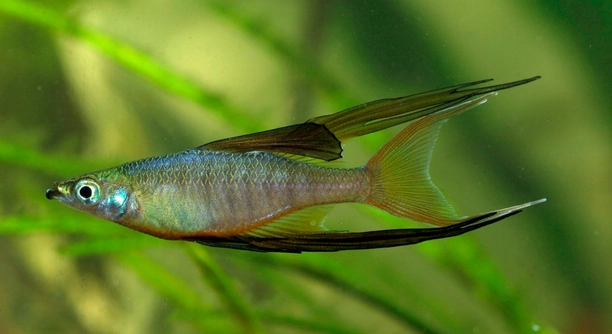
Do you ever find yourself watching your Threadfin Rainbowfish swim gracefully and wonder how much they notice around them? These small, colorful fish can be lively companions, adding energy and charm to any home aquarium. Observing their behavior is surprisingly engaging.
Threadfin Rainbowfish are capable of learning from repetition through consistent environmental cues and feeding routines. Repeated exposure allows them to recognize patterns, adapt their responses, and improve specific behaviors, demonstrating a measurable form of learning over time in controlled aquatic settings.
Learning how these fish respond to repetition can change the way you care for them. Exploring their behaviors will reveal surprising insights about their intelligence and daily habits.
How Threadfin Rainbowfish Learn
Threadfin Rainbowfish have shown that they can pick up simple patterns through repetition. In my experience, even subtle routines, like feeding at the same time every day, make a noticeable difference in their behavior. Over time, they start anticipating what will happen next. This isn’t just about food; it extends to other regular events in the tank. When I rearranged decorations slowly, the fish adjusted quickly, showing they can remember spatial patterns. Observing them, I realized learning for these fish isn’t complex, but it is consistent. Repetition helps them recognize familiar objects and react appropriately, whether it’s swimming toward a preferred hiding spot or approaching the feeding area. Their brains may be small, but these little fish can retain information and modify actions, proving that learning isn’t just for bigger animals. The key is patience and consistency.
Repetition is what allows these fish to adjust and predict changes in their environment.
Using consistent routines doesn’t only teach them patterns; it also reduces stress. Fish respond better when they understand their environment. By keeping feeding schedules, lighting changes, and tank cleaning predictable, I noticed calmer behavior and fewer signs of anxiety. They swim more confidently and interact naturally with the surroundings. This predictability seems to help them focus on learning other small tasks, like approaching a specific spot during feeding. Even small cues, like tapping gently near the tank before feeding, become recognized signals over time. It’s fascinating to see them respond reliably without prompting, showing memory and adaptation. The more consistent the repetition, the clearer their responses become. Over weeks, I could see that the fish remembered where food appeared and how the tank layout was organized. In short, repetition builds both knowledge and comfort, making the tank a better place for them to thrive and learn naturally.
Tips for Encouraging Learning
Providing structured routines encourages the fish to notice patterns and adapt. Small signals and repeated actions reinforce their learning.
Introducing learning opportunities in the tank can be simple and enjoyable. Start by feeding at the same time daily and using subtle cues, like a hand movement or a tapping sound, to signal feeding. Rearrange decorations slowly to let them memorize spaces and pathways. You can also offer objects for them to explore, helping them recognize shapes and hiding spots. Observing their responses to these small changes lets you gauge how well they retain information. Patience is key, as learning in Threadfin Rainbowfish is gradual and consistent exposure works best. Over time, they may start anticipating feeding, exploring new areas confidently, and responding to signals without hesitation. This approach also strengthens their comfort with the tank, reducing stress. By keeping routines consistent and offering opportunities for recognition, these fish can display surprising intelligence in subtle ways, making their behavior easier to understand and predict.
Observing Behavioral Changes
Noticing changes in their behavior is easier when routines are consistent. Threadfin Rainbowfish gradually respond to repeated cues, showing anticipation and increased confidence in familiar situations. These adjustments are subtle but meaningful.
Tracking their reactions over time reveals clear patterns. When I maintained the same feeding schedule, the fish began swimming toward the feeding area before food was offered. Changes in tank layout were met with caution at first, but repeated exposure helped them navigate confidently. They learned to recognize safe spots, preferred swimming paths, and signals associated with feeding or interaction. Over weeks, these small patterns became predictable, and the fish demonstrated clear memory and adaptability. Observing them daily allowed me to see the learning process in real time, making care routines smoother and more enjoyable.
Consistency also affects social behaviors. Threadfin Rainbowfish respond to other fish more calmly when they understand their environment. Repetition helps reduce stress, improve interactions, and establish a sense of stability within the tank community.
Encouraging Positive Responses
Positive reinforcement strengthens learned behaviors and recognition of cues. Small, consistent actions create predictable outcomes that the fish respond to readily.
Offering repeated, gentle cues, like tapping before feeding, encourages them to associate actions with outcomes. I noticed that rewarding their approach to a specific spot with food reinforced recognition and memory. Over time, the fish began anticipating feeding signals and adjusting swimming patterns accordingly. Even simple environmental changes, like introducing a new decoration gradually, allowed them to explore and learn without stress. Predictability supports confidence, helping them respond positively to new experiences. Regular observation and repetition make learning visible, as they begin to perform tasks or respond to cues reliably, showing how structured care influences behavior, memory, and adaptation in a small aquarium setting.
Recognizing Patterns
Threadfin Rainbowfish begin to notice repeated actions in their environment. Over time, they associate certain signals with feeding, movement, or changes in the tank. This recognition helps them respond more quickly and confidently to familiar situations.
Observing these patterns can make daily care easier. They start predicting routines and adjusting swimming paths or hiding spots.
The Role of Environment
A consistent environment supports learning. Keeping decorations, hiding spots, and feeding areas stable allows the fish to form mental maps. Gradual changes help them adapt without stress. Over time, they learn where food appears, safe zones, and areas to explore confidently, showing memory and spatial awareness.
Subtle Signs of Learning
Small behaviors, like approaching a spot at feeding time or investigating new objects, show the fish are learning. These cues indicate memory and adaptation developing through repetition.
FAQ
Can Threadfin Rainbowfish really remember feeding routines?
Yes, they can. From my experience, keeping a consistent feeding schedule allows them to anticipate food. They start swimming toward the feeding area before food is offered, showing that they associate the time and cues with mealtime. Even small gestures, like tapping the tank lightly before feeding, become recognized signals over time.
How long does it take for them to learn a new pattern?
Learning isn’t instant. Typically, it takes a few days to a couple of weeks for Threadfin Rainbowfish to notice and respond reliably to repeated cues. Gradual exposure helps them adjust without stress. I noticed that consistency matters more than speed. Frequent but gentle repetition makes the process smoother and more reliable.
Do they respond to environmental changes?
Yes, they do. Introducing a new decoration or rearranging hiding spots initially makes them cautious. However, repeated exposure lets them explore confidently. I found that keeping changes small and gradual reduces stress while helping them learn spatial patterns effectively.
Can they recognize specific objects or areas in the tank?
Absolutely. Over time, Threadfin Rainbowfish learn where hiding spots, preferred swimming paths, and feeding zones are located. They start to approach familiar objects and avoid unfamiliar or unsafe areas. In my tank, I observed that repeated interaction with the same objects reinforced recognition and memory.
Is repetition necessary for learning?
Repetition is essential. Consistent routines, cues, and feeding schedules reinforce memory and behavior. Without repeated exposure, they may not recognize signals or patterns as reliably. I’ve seen that even minor variations in timing or placement can slow down learning, while steady repetition strengthens responses.
Do they show signs of stress when routines change?
Yes, sudden changes can stress them. Threadfin Rainbowfish thrive on predictability. When routines shift abruptly, they may swim erratically or hide more often. Gradual adjustments, repeated consistently, allow them to adapt without anxiety. Observing these behaviors is important to understand how sensitive they are to change.
Can learning affect their social interactions?
Definitely. Fish that understand their environment and routines interact more calmly with tank mates. Repetition helps reduce territorial disputes and promotes smoother group behavior. I noticed that once they learned feeding cues and safe zones, their social interactions became more predictable and peaceful.
Are some fish better at learning than others?
Individual differences exist. Some Threadfin Rainbowfish adapt quickly, while others take longer to respond to cues. Patience is key. In my experience, observing each fish’s behavior and adjusting repetition to their pace helps all of them learn effectively without causing stress.
Can learning improve their health?
Indirectly, yes. Fish that are familiar with routines eat more consistently and show less stress, which supports overall health. A predictable environment and reinforced behavior reduce anxiety, making it easier to monitor their well-being and notice any potential issues early.
What’s the best way to encourage learning?
Consistency is the most effective tool. Feed at regular times, use subtle cues, and make gradual environmental changes. Repeating these patterns daily helps the fish form memory and adapt. From my experience, patience and careful observation are essential to fostering learning naturally in Threadfin Rainbowfish.
How do I know if they are learning?
Signs include approaching the feeding area at the right time, exploring new objects confidently, or following familiar cues. Repetition strengthens these behaviors. I’ve found that documenting their responses over days helps track progress and confirm that learning is taking place.
Can they unlearn bad habits?
Yes, but it requires repetition and patience. If a fish develops an undesired behavior, consistent routines and positive reinforcement can guide them toward better habits. I’ve observed that gradual correction, rather than abrupt change, works best for ensuring lasting adjustment in behavior.
Are there limits to what they can learn?
Threadfin Rainbowfish can learn basic patterns, environmental cues, and simple associations. However, their cognitive abilities are limited compared to larger or more complex species. Understanding these limits is important to set realistic expectations and provide appropriate learning opportunities.
Does tank size affect learning?
A properly sized tank improves learning opportunities. Adequate space allows exploration, safe zones, and clear signals. I’ve noticed that in cramped conditions, fish may struggle to form patterns or recognize cues effectively. Space supports memory, reduces stress, and encourages natural behavior, making learning easier and more consistent.
How important is observation for learning?
Observation is key. Watching how they respond to cues, changes, and routines helps refine strategies. In my experience, daily attention to their behavior ensures that repetition is effective, environmental adjustments are appropriate, and learning is progressing naturally.
Can multiple fish learn together?
Yes, they can. Group dynamics influence learning. Fish often observe others and adapt accordingly. I noticed that when one fish learned a feeding cue, others gradually followed, demonstrating that social interaction supports memory and behavioral adaptation.
Are there risks to overtraining?
Overtraining can cause stress or fatigue. Short, consistent cues are better than excessive repetition. In my tank, I kept sessions brief and predictable, allowing the fish to respond naturally without causing frustration or anxiety, which preserves both learning and well-being.
Does age affect learning ability?
Younger fish tend to learn more quickly, while older fish may need longer repetition. I observed that patience is crucial, as even mature Threadfin Rainbowfish can adapt with consistent exposure, though the process may take more time.
Can learning be enhanced with food rewards?
Yes, associating cues with food reinforces behavior effectively. I used small portions to encourage responses without overfeeding. Positive reinforcement strengthens memory and pattern recognition, making learning more reliable and enjoyable for both the fish and the caregiver.
How do I track progress effectively?
Noting responses daily, including approach times, interactions, and reactions to new objects, helps track learning. I kept a simple log of behaviors, which made it clear when fish remembered cues or adapted to environmental changes. This approach ensures repetition is purposeful and observable.
Is patience really necessary?
Absolutely. Learning in Threadfin Rainbowfish is gradual. Consistency, gentle repetition, and observation are essential. From my experience, rushing the process or expecting instant results leads to stress and reduces the effectiveness of learning opportunities. Patience makes the process successful and rewarding for both fish and caretaker.
Can learning influence long-term behavior?
Yes, repeated patterns and consistent routines help shape long-term responses. Fish that learn gradually become more confident, predictable, and less stressed. In my tank, behaviors like approaching feeding areas or exploring new objects became consistent over time, showing lasting effects of repetition and structured care.
Final Thoughts
Threadfin Rainbowfish are small but surprisingly perceptive fish. Observing them over time, I noticed how repetition and consistent routines influence their behavior. Even minor patterns, like feeding at the same time each day or gently tapping the tank before offering food, can help them recognize what is happening. This recognition shows that they are capable of learning in small ways. Learning for these fish isn’t about complex tricks; it’s about noticing patterns, remembering them, and responding appropriately. I found it fascinating to see them swim toward the feeding area before food was placed, demonstrating memory and anticipation. Their ability to adapt makes them more interactive and enjoyable to care for, and it also helps reduce stress. When they understand what to expect, they seem more confident and comfortable in their environment. Consistency and patience are essential, as sudden changes or unpredictable routines can confuse or stress them.
Another important aspect of learning in Threadfin Rainbowfish is their interaction with the environment. Gradual changes in the tank, such as adding new decorations or moving hiding spots, give them opportunities to explore and adjust. At first, they may be cautious, hiding or swimming slowly as they figure out the new layout. However, repeated exposure allows them to navigate confidently and recognize safe areas. Over time, these fish form mental maps of their surroundings, showing spatial awareness and memory. I noticed that providing small, repeated opportunities for exploration helps them learn without causing anxiety. Even small environmental cues, like consistent lighting or feeding locations, contribute to their understanding of the tank. Observing their responses carefully allows you to see clear signs of learning, such as approaching known spots, investigating new objects, or following familiar cues. These behaviors highlight that learning is gradual but tangible in everyday care.
Caring for Threadfin Rainbowfish with learning in mind can make their environment more supportive and enjoyable. By establishing consistent routines and gentle repetition, you can help them form reliable behaviors, which reduces stress and promotes confidence. Over time, they begin to anticipate feeding, explore the tank calmly, and interact with their surroundings in predictable ways. This not only makes care easier but also deepens the connection you have with them as a caretaker. It’s important to remember that each fish is unique, and some may learn faster than others. Patience and observation are key. By respecting their natural pace and providing structured opportunities for recognition and adaptation, these small fish can display surprising intelligence and memory. Consistent, thoughtful care allows them to thrive while making it easier to understand their habits and preferences. Learning in Threadfin Rainbowfish may be subtle, but it is consistent, measurable, and meaningful, enriching both their lives and your experience as their caretaker.

Hello,
If you enjoy the content that we create, please consider saying a "Thank You!" by leaving a tip.
Every little bit helps us continue crafting quality advice that supports the health, happiness, and well-being of pets around the world, for pets of all shapes, sizes, and species.
We really appreciate the kindness and support that you show us!