
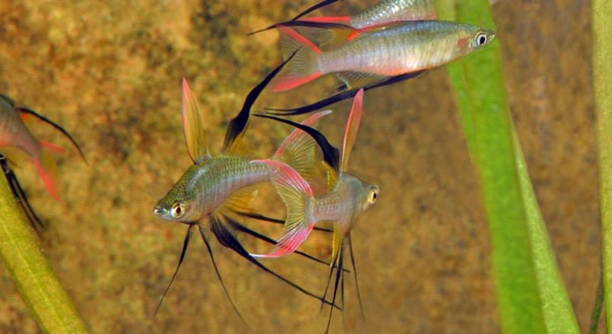
Many aquarium enthusiasts enjoy keeping threadfins, but their delicate nature can make caring for them a challenge. Understanding the best times to adjust lighting can improve their overall health and help maintain a peaceful tank environment.
Threadfins are highly sensitive to light cycles, and turning off the lights during specific periods reduces stress, supports natural feeding rhythms, and encourages proper growth and behavior. Controlled darkness is essential for their biological well-being and overall vitality.
Knowing when to switch off the lights will help maintain a calm environment, optimize feeding habits, and promote the long-term health of your threadfins.
Early Morning Adjustments
Threadfins are most active during the early morning hours. Gradually dimming or turning off the lights before dawn mimics natural conditions, allowing their internal clocks to adjust. This practice reduces stress and helps regulate their feeding cycles. Observing their behavior during these early hours can indicate if the light schedule is appropriate, as threadfins will often swim calmly and avoid frantic movements when the environment feels natural. Sudden bright lighting in the morning can startle them, causing unnecessary stress. By maintaining a gentle transition, you encourage healthier activity patterns and reduce the risk of injury from frantic swimming. It is helpful to pair light adjustments with other environmental cues, such as gentle water movement, to signal the start of the day. This subtle approach ensures threadfins feel secure and remain more responsive to their surroundings. Over time, you may notice increased feeding consistency and overall vitality as they adapt to this gentle routine.
Turning off the lights gradually in the morning helps threadfins adjust safely without stress. Their feeding and activity improve noticeably.
A smooth morning light transition sets a positive tone for the day. Threadfins respond better to consistent routines, and gradual dimming ensures they are less startled. It also reduces erratic swimming and improves their ability to navigate the tank safely. A calm start to the day encourages normal feeding behavior and supports natural rhythms.
Midday Rest Periods
Midday is an important time to give threadfins a break from strong lighting. Turning off lights briefly during this period reduces stress and simulates shaded areas they would naturally seek.
Limiting intense light at midday prevents overstimulation, helping threadfins remain calm and focused on feeding. Regular breaks can enhance their growth and overall health.
Providing a shaded or darkened environment during the middle of the day allows threadfins to rest and recover energy. Continuous bright lighting can cause fatigue and disrupt feeding patterns. By turning off the lights for short periods, you create a more balanced environment. This practice mimics natural conditions where sunlight may be blocked by plants or other structures. Threadfins thrive when their environment alternates between light and darkness, as it supports healthy activity levels and reduces stress. Maintaining a consistent midday rest period also encourages predictable behavior, which helps you manage feeding schedules and monitor their health more effectively. Over time, you may notice calmer interactions with tank mates and a stronger overall immune response, highlighting the importance of simple light management.
Evening Wind-Down
Turning off the lights in the evening signals threadfins that the day is ending. This helps them settle, reduces stress, and encourages natural resting behavior. Consistency in this routine keeps their internal clock steady and improves overall well-being.
Gradually dimming or switching off lights during the evening mimics the natural sunset threadfins would experience in the wild. A sudden blackout can startle them, causing erratic movements or hiding. Consistent evening dimming allows their bodies to release melatonin, supporting sleep-like rest and proper metabolic function. It also improves feeding habits, as they become calmer and more focused during daylight hours. Pairing this with gentle water movement ensures the tank environment feels safe and natural, allowing threadfins to wind down smoothly without panic or stress. Over time, this practice reduces behavioral issues and promotes a healthier daily rhythm.
Evening light management not only encourages rest but also reduces aggressive interactions with other fish. Threadfins show calmer behavior and more predictable activity patterns. Maintaining this routine fosters healthier tank dynamics and long-term vitality, making the environment safer for all tank inhabitants.
Nighttime Darkness
Complete darkness at night is essential for threadfins to rest fully. Lights left on disrupt natural cycles and may cause stress or irregular behavior.
Nighttime darkness supports the natural circadian rhythm of threadfins, allowing them to recover energy and regulate hormonal balance. Bright or fluctuating lights during the night can interfere with their sleep-like states, reducing immunity and causing fatigue. Threadfins use these dark periods to explore the tank minimally, rest their senses, and maintain consistent feeding patterns during the day. This quiet period also minimizes territorial disputes and supports overall health. Observing a clear night cycle ensures they remain active and responsive during daylight hours, which is crucial for feeding and growth. Consistent nighttime darkness also reduces long-term stress, contributing to stronger immune systems and more stable behavior.
Maintaining true darkness overnight improves threadfin health by reinforcing natural rhythms. Reduced light exposure at night supports metabolic balance and calmer interactions, ensuring they remain alert and active during the day while resting properly.
Feeding Time Adjustment
Turning off lights briefly during feeding can reduce competition and stress among threadfins. A calmer environment helps them focus on eating and prevents aggressive behavior.
Low lighting during meals encourages threadfins to feed more evenly. Bright lights can startle them, causing uneven distribution of food and possible injuries.
Cloudy or Stormy Conditions
Threadfins respond to sudden dimming that mimics natural overcast or stormy days. Turning off lights during these periods reduces stress and prevents erratic swimming.
Tank Maintenance
Lights should be off during cleaning or water changes. This keeps threadfins calm and reduces the risk of panic.
FAQ
How long should the lights stay off for threadfins?
Threadfins benefit from roughly 10 to 12 hours of darkness each day, depending on their natural environment and tank conditions. Consistency is key, so it’s best to maintain a regular schedule rather than changing times frequently. Too much light can stress them, while too little can disrupt feeding and activity patterns. Observing their behavior helps determine if adjustments are needed. Calm swimming, proper feeding, and resting at night indicate that the current light cycle works well.
Can threadfins get used to artificial lighting?
Yes, threadfins can adapt to artificial light if it mimics natural cycles. Gradual dimming in the morning and evening helps them adjust, and turning lights off completely at night supports their circadian rhythm. Sudden bright lights or frequent changes can cause stress and erratic behavior. Pairing lighting schedules with consistent feeding times helps them form predictable routines. Over time, they learn to anticipate feeding and resting periods, which makes them calmer and easier to care for.
Is it harmful to leave lights on overnight?
Leaving lights on overnight can negatively affect threadfins. Continuous exposure prevents proper rest, disrupts circadian rhythms, and increases stress. Long-term, this can affect growth, immunity, and overall health. Even short periods of bright light at night can interfere with sleep-like behavior, causing them to become restless or hide excessively. Complete darkness is important to simulate natural conditions and support proper biological functions.
Should I dim lights during feeding?
Dimming lights slightly during feeding reduces competition and stress among threadfins. Bright lights can startle them, making some fish dominate food while others miss out. Lower lighting encourages calmer, more balanced feeding behavior. Observing their interactions during meals can indicate if the light adjustment is helping. Consistent dimming at feeding times over several days usually results in calmer, more predictable behavior and ensures all fish get enough food.
Do threadfins prefer natural sunlight or artificial light?
Threadfins thrive under artificial light that mimics natural sunlight cycles. Direct sunlight can overheat the tank or encourage algae growth. Using timers to replicate dawn, daytime, and dusk ensures consistent lighting. Proper artificial lighting supports natural activity, feeding, and rest patterns without the risks that come with direct sunlight exposure.
What happens if I change the light schedule frequently?
Frequent changes in lighting can confuse threadfins, disrupt feeding patterns, and increase stress. They rely on predictable light and dark periods to regulate activity, metabolism, and rest. Sudden changes can lead to erratic swimming, hiding, or reduced appetite. Maintaining a steady schedule allows threadfins to develop healthy routines and improves overall tank harmony.
Are there signs my threadfins are stressed from lighting?
Yes. Common signs include frantic swimming, hiding more than usual, irregular feeding, or clamped fins. They may also show paler colors or lethargy. Monitoring these behaviors helps determine if the lighting schedule needs adjustment. Stress from lighting is often subtle at first, so careful observation is essential to keep threadfins healthy.
Can light affect breeding or growth?
Proper lighting is important for growth and reproductive behavior. Threadfins need consistent cycles to stimulate natural feeding and resting rhythms, which support healthy development. Disrupted light patterns can delay growth and reduce breeding activity. Maintaining a balanced schedule promotes overall vitality and long-term well-being.
Is it okay to use a night light for visibility?
A very dim night light can be used, but it should not be too bright. The goal is to allow complete darkness while occasionally providing minimal visibility if needed. Avoid bright or flashing lights at night, as they interfere with rest and natural rhythms.
How do I know my lighting schedule is effective?
Effective lighting shows in the threadfins’ calm behavior, steady feeding, and predictable activity. They should rest at night, swim actively during the day, and respond to gradual dimming or brightening without stress. If these behaviors are consistent, the schedule is working well. Adjustments should only be minor and gradual to maintain their health.
This FAQ provides guidance on managing lighting for threadfins, helping ensure they remain healthy, calm, and active in a controlled tank environment. Proper light management directly affects their behavior, feeding, and long-term vitality.
Final Thoughts
Managing the lighting in a threadfin tank is more important than many people realize. These fish are sensitive to their environment, and light plays a major role in how they behave, feed, and rest. Turning the lights off at the right times helps threadfins follow a natural rhythm, reducing stress and supporting their overall health. It is not just about giving them darkness, but about creating a predictable schedule that mimics what they would experience in nature. Consistency in lighting makes a noticeable difference in their calmness, feeding behavior, and energy levels. Over time, a well-regulated light cycle contributes to healthier growth and reduces problems caused by stress, such as hiding, aggression, or erratic swimming. Even small adjustments, like gradually dimming lights in the morning or evening, can have positive effects on their daily routine and overall well-being.
Observing your threadfins regularly can help you understand how they respond to lighting changes. They will show signs if something in the schedule is off. Calm, even swimming, proper feeding, and normal interaction with other tank mates are all indicators that the light cycle is working. Conversely, erratic movements, hiding, or reduced appetite may suggest that adjustments are needed. Each tank is different, so it is important to pay attention to how your fish react to light and darkness. Over time, you will become familiar with their patterns and can make small tweaks to improve their environment. This careful observation is key to maintaining a healthy and thriving tank. The process does not have to be complicated, but it requires attention and consistency. Simple routines, like turning off lights at the same time every day and keeping a dark period at night, make a big difference.
Light management is just one part of taking care of threadfins, but it is a crucial part. Along with proper feeding, water quality, and tank setup, a controlled lighting schedule helps create a balanced environment where threadfins can thrive. It allows them to rest properly, reduces stress, and supports natural behavior. Following a clear and consistent schedule benefits not only the fish but also the tank as a whole, helping maintain calm water conditions and healthy interactions among all inhabitants. A steady routine makes it easier to notice any changes in behavior or health early, so problems can be addressed quickly. In the end, paying attention to lighting is a simple yet effective way to ensure your threadfins remain active, healthy, and comfortable in their home. Consistency, observation, and small adjustments are enough to make a noticeable improvement in their daily life. A well-managed light schedule is one of the easiest ways to create a safe and supportive environment for these delicate fish, promoting long-term well-being.

Hello,
If you enjoy the content that we create, please consider saying a "Thank You!" by leaving a tip.
Every little bit helps us continue crafting quality advice that supports the health, happiness, and well-being of pets around the world, for pets of all shapes, sizes, and species.
We really appreciate the kindness and support that you show us!