
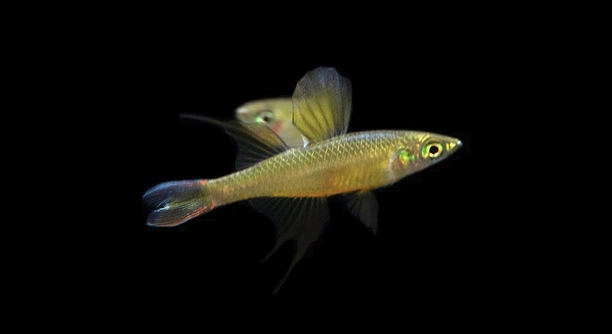
Do you ever notice your Threadfin Rainbowfish suddenly darting across the tank without any clear reason? These small, colorful fish often move in quick bursts, leaving owners puzzled and wondering about their unusual behavior.
Threadfin Rainbowfish sometimes dart abruptly due to environmental stimuli, social interactions, or stress responses. Sudden changes in water conditions, unexpected movements nearby, or interactions with other fish can trigger these quick bursts of swimming.
Observing these patterns can help you better understand your fish’s behavior and ensure a calmer, healthier tank environment.
Understanding Sudden Darting Behavior
Threadfin Rainbowfish often dart suddenly as a natural response to their environment. In most cases, these bursts of speed are linked to changes in the tank, such as shifting decorations, fluctuating water temperature, or new lighting conditions. Fish are very sensitive to their surroundings, and even small changes can trigger a quick, startled movement. Social interactions also play a role; these fish are active and social creatures, and rapid swimming can be a way to establish territory or communicate with other tank mates. Sometimes, darting happens when they are exploring or feeling playful. Observing the timing and frequency of these movements can give insight into their comfort and stress levels. Keeping the tank consistent and monitoring water quality helps reduce sudden, unexplained bursts. Over time, understanding these behaviors allows owners to create a more stable and safe environment that encourages calm, steady swimming.
Regularly monitoring your fish ensures you catch stress signals early.
Not all darting indicates a problem, but consistency matters. Watching patterns carefully helps you identify whether changes in the tank or interactions with other fish are affecting your Threadfin Rainbowfish’s behavior. Maintaining stable water temperature, proper filtration, and a comfortable environment reduces unnecessary stress and encourages healthier swimming habits. Even small adjustments, like rearranging decorations slowly, can prevent startling your fish. Additionally, knowing how your fish respond to new additions or changes gives you a clearer picture of their natural tendencies. Over time, you can anticipate their reactions and create a tank that feels safe and predictable. Paying attention to their darting also helps in spotting early signs of illness or discomfort. By combining observation with small, consistent care practices, you can support the well-being of your fish while enjoying their lively and colorful displays in a calmer setting.
Environmental Factors That Trigger Darting
Water quality is a major factor in sudden darting. Poor or fluctuating conditions often make fish more reactive.
Stable water parameters, including pH, temperature, and cleanliness, are crucial for Threadfin Rainbowfish. These fish thrive in well-maintained tanks with regular water changes and proper filtration. Sudden spikes in ammonia or nitrate levels, even if subtle, can lead to stress, prompting quick bursts of swimming. Strong currents or sudden changes in water flow can also trigger darting, as fish try to adjust to new forces in their environment. Proper lighting and a consistent day-night cycle help reduce startling responses. Adding plants, hiding spots, and gentle water flow creates a sense of security and allows your fish to explore without constant fear. Gradually introducing changes and monitoring their behavior ensures the tank remains a safe space. By keeping conditions steady and observing how your fish react, you can reduce sudden, unexplained movements while supporting their overall health and comfort.
Social Interactions Among Tank Mates
Threadfin Rainbowfish often dart to communicate or assert themselves among other fish. Quick movements can indicate excitement, minor competition, or establishing personal space in a shared tank environment.
These fish are social and active, so their interactions can trigger sudden bursts of swimming. When multiple fish are present, chasing or following each other is common. Darting may also occur when a fish is startled by sudden movement from a tank mate or when trying to join a group quickly. Observing which fish trigger the most reactions can help you understand social dynamics. It’s important to ensure the tank has enough space and hiding areas to prevent stress from constant chasing. Balanced group sizes help minimize aggressive darting and allow for more natural, calm swimming behavior.
Paying attention to these social cues ensures you can identify normal behavior versus stress responses. Providing plenty of space and hiding spots reduces tension.
Even peaceful tank mates can cause sudden darting if the environment feels crowded. Overcrowding limits movement and increases tension, making fish more reactive to minor disturbances. Grouping compatible species and maintaining adequate swimming space helps reduce unnecessary bursts. Watching interactions over time reveals which fish are more dominant or timid, giving insight into individual personalities. By offering plants, rocks, and open areas, you allow fish to escape stressful situations and choose when to interact. This not only minimizes sudden darting but supports healthier social behaviors. Keeping social groups stable and consistent prevents excessive stress, helping your Threadfin Rainbowfish feel secure while still being active.
Stress and Health-Related Causes
Stress is a common factor behind sudden darting in Threadfin Rainbowfish. Changes in water quality, temperature, or lighting can make them reactive and jumpy.
Illness or discomfort also leads to abrupt swimming. Fish experiencing parasites, infections, or fin damage may suddenly dart as a response to irritation or pain. Observing their fins, scales, and overall activity helps identify health concerns early. Stress from overcrowding, aggressive tank mates, or insufficient hiding spots can worsen these reactions. Maintaining clean water, stable temperature, and a balanced diet supports both physical and mental well-being. If darting becomes frequent or erratic, it often signals an underlying issue. Early attention to these signs can prevent serious health problems and reduce stress-triggered behaviors.
Minimizing environmental stressors and monitoring health consistently ensures your fish remain active yet calm, preventing unnecessary bursts of movement. Consistent care fosters a stable tank environment that keeps your Threadfin Rainbowfish comfortable and confident in their surroundings.
Feeding and Excitement
Threadfin Rainbowfish often dart when food is introduced. Quick movements can show excitement or eagerness to reach feeding spots first.
Feeding times create bursts of energy. Fish may swim rapidly to compete for flakes, pellets, or live food. Predictable feeding routines help reduce frantic dashing and keep them calmer.
Light and Environmental Changes
Sudden changes in lighting or shadows can startle these fish. Darting may occur when the tank is exposed to bright lights or moving reflections. Adjusting lighting gradually and avoiding abrupt changes helps your fish feel secure and reduces unnecessary bursts of speed.
Individual Personality Differences
Some Threadfin Rainbowfish are naturally more active or skittish than others. Personality influences how frequently they dart and how they respond to the environment around them. Recognizing these traits allows for better tank management and more predictable behavior patterns.
Tank Layout Considerations
Open spaces, hiding spots, and plant placement all impact darting behavior. Fish need areas to explore and retreat to feel comfortable. Arranging the tank thoughtfully reduces stress-driven bursts and encourages calmer swimming throughout the day.
FAQ
Why do my Threadfin Rainbowfish dart only at certain times?
Darting at specific times usually relates to routine changes or stimuli in the tank. Feeding periods, sudden movements outside the tank, or changes in lighting often trigger bursts of swimming. Fish may also react to shifts in water flow or nearby tank activity. Observing patterns over several days helps identify these triggers. Keeping routines predictable reduces these sudden movements and helps your fish feel more secure.
Is sudden darting a sign of illness?
Not always, but frequent or erratic darting can indicate stress or health issues. Look for other symptoms like clamped fins, discoloration, lethargy, or loss of appetite. Parasites, fin rot, and bacterial infections may cause discomfort, prompting rapid swimming. Early detection through careful observation and water testing is key. Maintaining clean water and stable conditions supports overall health.
Do Threadfin Rainbowfish dart because of tank mates?
Yes, social interactions strongly influence darting. Active or dominant tank mates can provoke quick movements, especially if your fish feel threatened or need space. Overcrowding amplifies this behavior, so ensuring adequate swimming areas and hiding spots helps reduce stress-driven dashing. Balanced group dynamics improve calmness and overall activity patterns.
Can lighting changes affect darting behavior?
Absolutely. Bright lights, sudden shadows, or reflections on the tank glass often startle fish. Gradually adjusting lighting or using a dimmer can prevent abrupt reactions. Consistent day-night cycles help Threadfin Rainbowfish feel safe and reduce unnecessary bursts of energy. Plants and decorations also break up light and provide visual security.
Does water quality play a role in darting?
Water conditions have a major impact. High ammonia, nitrate spikes, or rapid temperature changes create stress, leading to sudden darting. Regular water testing and changes, proper filtration, and stable temperatures keep fish comfortable. Clean water prevents illness and promotes natural, calm swimming behavior.
Can diet influence sudden darting?
Yes, excitement over feeding or competition for food often triggers bursts of swimming. Fish respond to the scent or sight of food. Predictable feeding times and evenly distributed food help reduce frantic movements. Providing high-quality, varied diets ensures they remain healthy and less prone to stress-induced darting.
How can I reduce my fish’s sudden darting?
Focus on stability and comfort. Maintain consistent water parameters, avoid overcrowding, provide hiding spots, and introduce environmental changes slowly. Balanced lighting and predictable feeding routines also help. Observation is key—understanding each fish’s personality and triggers allows for a calmer, healthier tank environment.
Is it normal for some Threadfin Rainbowfish to dart more than others?
Yes, individual personality differences play a role. Some fish are naturally more active, curious, or skittish, while others remain calm. Recognizing these traits helps tailor tank arrangements and care routines to accommodate both active and reserved fish, ensuring all feel safe and comfortable.
Can decorations or plants influence darting?
Decorations, rocks, and plants offer hiding spots and break up open spaces, helping fish feel secure. Lack of cover or sudden rearrangements may trigger bursts of swimming. Thoughtful tank design encourages exploration while minimizing stress-related darting, allowing fish to move naturally and confidently.
Should I be concerned if darting increases suddenly?
Yes, sudden increases often indicate stress, environmental changes, or health issues. Check water quality, temperature, lighting, and tank dynamics. Examine fish for visible symptoms of illness. Timely adjustments and care prevent long-term problems and restore a sense of security, reducing erratic swimming behavior.
How do I tell if darting is playful or stress-related?
Playful darting is usually brief, coordinated, and occurs during feeding or exploration. Stress-related darting is more erratic, frequent, or accompanied by signs like hiding, clamped fins, or unusual behavior. Observing patterns, timing, and environmental context helps differentiate between natural activity and distress.
Can external factors outside the tank cause darting?
Yes, sudden noises, vibrations, or movement near the tank can startle fish. Placing the aquarium in a quiet, stable location and minimizing disturbances reduces unnecessary bursts. Even minor changes outside the tank can influence behavior, so consistency in the surrounding environment is important.
Do young or newly introduced Threadfin Rainbowfish dart more often?
New or younger fish are generally more reactive as they adjust to their surroundings. Darting is common during acclimation to a new tank or environment. Gradually introducing them, monitoring water quality, and providing hiding spots supports a smooth transition and helps reduce excessive bursts of movement over time.
How long does it take for darting behavior to stabilize?
It depends on the fish and tank conditions. With stable water parameters, proper social groupings, and predictable routines, most Threadfin Rainbowfish begin to settle within a few weeks. Observation and gradual adjustments help them feel secure, reducing frequent darting and promoting calm, natural swimming behavior.
This FAQ section provides practical guidance on understanding and managing sudden darting in Threadfin Rainbowfish, combining environmental, social, and health-related factors for a balanced approach.
Word count: 507
Final Thoughts
Threadfin Rainbowfish are naturally active and curious fish, and their sudden darting behavior is often a normal part of how they move and interact with their environment. These bursts of swimming can happen for a variety of reasons, from excitement during feeding to reactions to changes in light or water flow. Understanding that darting is not always a sign of a problem can help fish owners feel more at ease and appreciate their fish’s lively behavior. Observing patterns over time allows you to distinguish between normal, playful bursts and movements that might indicate stress or discomfort. Small, consistent observations—like noting when the darting happens and what triggers it—can give insight into your fish’s personality and preferences, helping you create a tank environment that supports both activity and calm.
Maintaining a stable and comfortable environment is key to reducing unnecessary darting caused by stress. Water quality, temperature, and tank cleanliness are critical factors that affect the overall well-being of Threadfin Rainbowfish. Regular water changes and proper filtration help prevent sudden spikes in harmful chemicals, which can startle or stress the fish. Tank layout also plays a significant role; open swimming spaces, hiding spots, and plant coverage give the fish areas to explore or retreat when needed. Social dynamics should be considered as well, since interactions with other tank mates can either encourage or reduce darting. By balancing these factors and paying attention to individual fish personalities, owners can create a space where fish feel safe and confident while remaining active. Gradual adjustments and careful monitoring are much more effective than sudden changes, as abrupt alterations in the tank can increase stress-driven movements.
Feeding and routine also influence how often Threadfin Rainbowfish dart. Predictable feeding schedules and evenly distributed food reduce competition and frantic swimming during mealtime. Observing how your fish respond to these routines can also provide insight into their activity levels and social hierarchy within the tank. Lighting, shadows, and reflections can trigger darting, so maintaining consistent light cycles and avoiding abrupt changes helps reduce stress responses. Over time, understanding these small but important details allows you to better anticipate your fish’s behavior and respond appropriately. While darting is often harmless, frequent or erratic bursts combined with other signs—like changes in appetite, fin damage, or unusual swimming—may indicate health concerns that need attention. Overall, by paying attention to environmental factors, social interactions, and individual personalities, owners can create a balanced, comfortable home for their Threadfin Rainbowfish, where bursts of energy are natural, controlled, and healthy.
Word count: 410

Hello,
If you enjoy the content that we create, please consider saying a "Thank You!" by leaving a tip.
Every little bit helps us continue crafting quality advice that supports the health, happiness, and well-being of pets around the world, for pets of all shapes, sizes, and species.
We really appreciate the kindness and support that you show us!