
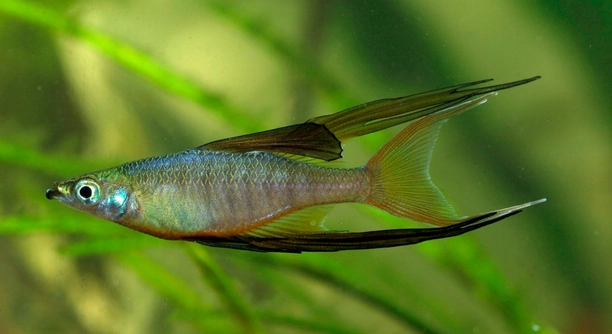
Do you enjoy keeping threadfin rainbowfish but find it challenging to keep a peaceful group thriving in your aquarium? Observing their behavior can reveal patterns that help maintain harmony and contentment among these colorful fish.
A content threadfin rainbowfish group exhibits consistent social interactions, regular feeding habits, and stable swimming patterns. Proper tank conditions, balanced diet, and minimal stress are key factors supporting their well-being and cohesive group behavior in captivity.
Maintaining these habits ensures a lively and healthy community, allowing each fish to flourish. Observing their routines closely will reveal the subtle dynamics of their group life.
Consistent Swimming Patterns
Threadfin rainbowfish move in coordinated groups, rarely isolating themselves from the main school. Observing their swimming patterns helps identify stress or illness early. A healthy group glides smoothly across the tank, changing directions together without panic. Sudden darting or hiding often signals environmental issues or discomfort. Providing sufficient space and gentle water flow encourages natural movement. Decorations should be arranged to allow free swimming while offering shelter when needed. Regularly monitoring the school’s behavior ensures they remain active and engaged. Overcrowding disrupts these patterns, leading to tension or aggression. The fish are visually sensitive, and bright lighting or sudden shadows can trigger stress responses. Gradual introduction of new tankmates is crucial to maintain cohesion. Adjusting feeding schedules to avoid competition helps each fish maintain steady movement. Observing daily will reveal subtle differences between individuals, supporting a balanced group dynamic.
Healthy swimming ensures stress-free interactions and overall well-being, keeping the group active and vibrant throughout the day.
Consistent patterns are a sign that tank conditions, including temperature, filtration, and pH levels, are appropriate. Stability in these environmental factors encourages the fish to explore more of the aquarium and interact naturally with one another. If deviations occur, prompt adjustments prevent health decline or behavioral issues. Proper diet and routine care reinforce these patterns, promoting longevity.
Balanced Feeding Habits
A regular feeding schedule helps maintain harmony within the group and reduces competition.
Feeding small portions multiple times daily prevents overeating and ensures all fish receive proper nutrition. High-quality flake or pellet foods supplemented with occasional live or frozen foods meet their dietary needs. Uneaten food should be removed promptly to avoid water quality issues. Consistent feeding times help the fish anticipate meals and reduce stress, promoting smoother social interactions. Observing their eating behavior can indicate health status; active feeding generally signals contentment. Sudden refusal of food may reflect illness or poor water conditions, requiring immediate attention. A varied diet supports coloration, growth, and reproductive health. Avoid introducing foods that sink too quickly, as slower or weaker swimmers might miss out. Ensuring the group feeds evenly prevents dominant fish from monopolizing resources. Proper feeding also minimizes algae overgrowth, maintaining a clean and balanced aquarium environment. Over time, these habits strengthen the group’s cohesion and overall stability.
Stable Tank Environment
Maintaining stable water parameters is essential for a healthy rainbowfish group. Sudden changes in temperature, pH, or hardness can stress the fish, affecting behavior and appetite. Regular testing and gradual adjustments support their overall well-being and comfort.
Stable water conditions encourage consistent behavior and reduce aggression. Threadfin rainbowfish thrive in temperatures between 24–28°C with a slightly alkaline pH around 7.0–8.0. Regular partial water changes remove toxins while keeping essential minerals intact. Filtration must provide gentle flow to avoid disrupting swimming patterns. Overcrowding can amplify stress, so maintaining appropriate stocking levels is critical. Observing the fish daily allows early detection of subtle changes in coloration or activity. Equipment failures or sudden environmental shifts should be corrected promptly to prevent health declines.
A stable environment also supports breeding behaviors. Males display brighter colors and more active schooling when stress levels are low. Consistent lighting, hiding spots, and clean substrate help establish comfort zones. Proper filtration and aeration ensure oxygen levels remain sufficient. Over time, these practices strengthen immunity, reduce disease risks, and maintain a cohesive, vibrant group.
Social Interaction
Threadfin rainbowfish communicate through subtle body movements and color displays. Social bonds are strengthened by predictable group behaviors and shared swimming patterns.
Active social interaction encourages schooling behavior, which reduces stress and improves overall health. The fish rely on visual cues to synchronize movement and establish hierarchy. Dominant individuals may lead while others follow, yet aggression is minimal when the group is content. Providing sufficient space and hiding spots allows weaker fish to retreat safely without disrupting cohesion. Observing interactions helps detect signs of illness or tension early. Group activities like foraging or exploring stimulate natural instincts and maintain mental engagement. Coloration intensifies when the group feels secure, reflecting a healthy environment.
Balanced social interaction also affects reproductive success. Males perform display behaviors to attract females, and well-established social hierarchies reduce conflicts during spawning. A harmonious group encourages natural schooling patterns, minimizing stress-induced injuries. Consistent observation of their interactions allows timely adjustments in tank setup or population management. Over time, these practices promote a stable, thriving aquarium where each fish contributes to a cohesive, healthy group dynamic.
Regular Water Changes
Frequent water changes are vital to maintain clarity and reduce toxins in the tank. Removing debris and excess nutrients helps prevent algae growth and keeps the rainbowfish healthy and stress-free.
Consistent partial water changes support stable chemical parameters. This prevents sudden shifts that could disturb swimming patterns or feeding behavior.
Hiding Spots and Decorations
Providing plants, rocks, and caves creates safe spaces for shy or weaker fish. Hiding spots reduce stress, allowing the group to establish natural social hierarchies and swim confidently without fear.
Observing Health Indicators
Monitoring coloration, appetite, and activity levels reveals potential health issues early. Sudden changes often indicate illness or poor water conditions, requiring prompt attention to maintain a content group.
Gentle Tankmates
Selecting calm, non-aggressive tankmates prevents conflict. Compatible species encourage peaceful cohabitation and allow threadfin rainbowfish to display natural schooling behaviors without interference or stress.
FAQ
How many threadfin rainbowfish should be kept together?
A small school of at least six to eight individuals is ideal. Fewer fish can lead to stress and aggression, while larger groups may require a significantly bigger tank to maintain stable water conditions. Keeping an appropriate number ensures natural schooling behavior and reduces tension among the group.
What tank size is best for a content group?
A minimum of 55 gallons is recommended for a small school. Larger tanks allow more swimming space, reduce competition, and make it easier to maintain water quality. Ample space helps maintain cohesion and encourages natural movement patterns, which directly supports their health and comfort.
What water temperature should I maintain?
Threadfin rainbowfish thrive in water temperatures between 24–28°C. Sudden fluctuations can stress the fish, affecting appetite and behavior. Using a reliable heater and thermometer ensures a consistent environment that supports their natural activity and schooling patterns.
How often should I feed them?
Feeding small amounts two to three times daily is ideal. A varied diet of high-quality flakes, pellets, and occasional live or frozen foods provides balanced nutrition. Removing uneaten food promptly prevents water quality issues and ensures all fish receive adequate nourishment.
Do they need special lighting?
Moderate lighting that mimics natural daylight supports coloration and normal behavior. Excessively bright or dim light can stress the group, causing hiding or lethargy. Providing a consistent day-night cycle encourages natural swimming patterns and social interactions.
Are plants necessary in the aquarium?
Live or artificial plants offer hiding spaces and break up open areas, reducing stress and supporting natural behavior. Plants also help maintain water quality by absorbing nitrates, making the environment healthier for the rainbowfish.
What are signs of a stressed group?
Erratic swimming, hiding, loss of appetite, or faded coloration are common indicators. Stress often results from poor water quality, overcrowding, aggressive tankmates, or sudden environmental changes. Observing these signs early allows corrective measures before serious health issues develop.
Can they be kept with other fish?
Yes, but only with calm, non-aggressive species that occupy similar water conditions. Aggressive or overly territorial fish can disrupt the schooling dynamic, leading to injuries or chronic stress in the rainbowfish.
How often should water changes be performed?
Weekly partial water changes of 20–30% are recommended. This maintains stable chemical levels, removes waste, and supports overall health. Consistent water changes prevent sudden fluctuations that could disturb swimming behavior or social interactions.
Do they breed easily in captivity?
They can breed if tank conditions are stable and stress is minimized. Males display brighter colors during courtship. Providing plants or spawning mops gives eggs a safe place, and removing adults afterward helps prevent predation. Monitoring breeding behavior is essential for success.
How can I tell if they are healthy?
Active swimming, bright coloration, regular feeding, and smooth social interactions are signs of a healthy group. Any sudden change in these behaviors can indicate illness, water quality issues, or stress that requires attention.
What is the best diet for vibrant colors?
A varied diet with high-quality flakes, pellets, and occasional live foods like brine shrimp or daphnia supports coloration and growth. Regularly offering nutrient-rich foods helps maintain the group’s vibrancy and overall health.
How do I introduce new fish safely?
Quarantine new additions for at least two weeks to prevent disease spread. Introduce them gradually while observing group dynamics to avoid aggression or stress. Using floating nets or dividers initially allows the group to acclimate safely.
How important is water filtration?
Efficient filtration is crucial for maintaining water clarity and removing toxins. Gentle flow prevents disruption of swimming patterns while keeping the environment clean, supporting the health and stability of the group.
What are common illnesses to watch for?
Ich, fin rot, and bacterial infections are most common. Early detection through observation of swimming behavior, appetite, and coloration allows prompt treatment. Maintaining stable water conditions and proper diet helps prevent these issues.
Can they adapt to different water hardness?
Threadfin rainbowfish prefer slightly soft to moderately hard water. Gradual adjustments are essential if changes are needed. Abrupt shifts in hardness can stress the fish, leading to behavioral changes or susceptibility to disease.
How do I maintain social harmony?
Provide enough space, hiding spots, and a balanced diet. Monitor interactions, especially when adding new individuals, to prevent aggression. Stable environmental conditions and consistent routines foster a peaceful, cohesive group that thrives together.
What is the ideal pH range?
A slightly alkaline pH between 7.0–8.0 is preferred. Consistent pH levels support natural behavior, feeding, and coloration. Sudden deviations can lead to stress or health problems, so regular monitoring is important.
How can I enhance their natural behavior?
Structured feeding routines, varied tank décor, and compatible tankmates encourage active swimming, schooling, and foraging. Observing and adjusting the environment to meet their needs helps maintain a lively, content group.
Are they sensitive to noise or vibrations?
Yes, loud noises or constant vibrations can stress the group, causing erratic swimming or hiding. Placing the tank in a calm area reduces disturbance and promotes a stable, comfortable environment for the fish.
Final Thoughts
Maintaining a content group of threadfin rainbowfish requires attention to their natural behaviors and environmental needs. Observing their swimming patterns, feeding habits, and social interactions provides essential insight into their overall well-being. These fish are sensitive to sudden changes in water conditions, overcrowding, or aggressive tankmates, which can disrupt harmony and cause stress. Providing a stable environment with consistent water parameters, moderate lighting, and appropriate hiding spots supports their comfort. Gradual adjustments in temperature, pH, or hardness help them adapt without experiencing undue stress. Daily observation is key, as subtle changes in coloration, activity, or appetite can signal early health concerns that need prompt attention. Over time, these careful practices contribute to a cohesive, active group that displays natural schooling behavior.
A balanced diet plays a crucial role in keeping threadfin rainbowfish healthy and vibrant. Feeding small portions multiple times daily ensures that all fish receive adequate nutrition without overloading the tank with uneaten food, which can compromise water quality. A combination of high-quality flakes or pellets supplemented with live or frozen foods provides the necessary nutrients for growth, coloration, and reproductive health. Removing leftover food promptly and maintaining a clean tank environment helps prevent disease and reduces stress. Consistency in feeding times also supports predictable behavior, allowing fish to anticipate meals and maintain natural routines. Observing how each fish interacts during feeding offers insight into group dynamics and health. Providing the right nutrition alongside a stable habitat allows threadfin rainbowfish to thrive as a harmonious school, displaying their full colors and natural behaviors.
Social cohesion and peaceful interactions are at the heart of a content rainbowfish group. These fish rely on visual cues, subtle movements, and synchronized swimming to communicate and maintain order within the school. Proper tank size, gentle filtration, and sufficient space to swim freely reduce the risk of conflict while allowing weaker individuals to retreat safely. Introducing new fish gradually and selecting calm, compatible tankmates helps preserve harmony and prevents disruption. Hiding spots, plants, and decorations provide security, encouraging confident movement and exploration. By carefully monitoring health indicators, maintaining stable water conditions, and supporting natural social interactions, aquarists can create an environment where threadfin rainbowfish flourish. A well-maintained, peaceful school is rewarding to observe and ensures the long-term well-being of each fish in the group, reflecting the importance of consistent care and attentive observation.

Hello,
If you enjoy the content that we create, please consider saying a "Thank You!" by leaving a tip.
Every little bit helps us continue crafting quality advice that supports the health, happiness, and well-being of pets around the world, for pets of all shapes, sizes, and species.
We really appreciate the kindness and support that you show us!