
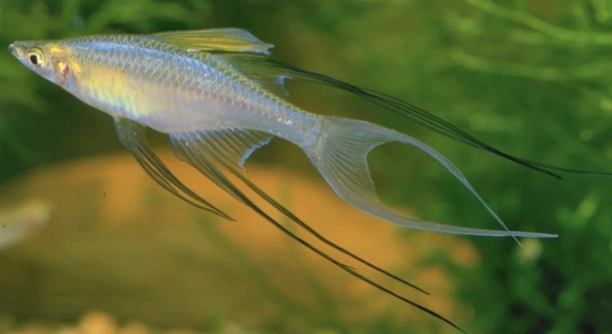
Are your Threadfin Rainbowfish about to experience a move to a new tank or home? Moving day can be a stressful time for these delicate, shimmering fish, especially if their environment changes too quickly or unexpectedly.
Threadfin Rainbowfish typically react to relocation with heightened stress, reduced activity, and possible color dulling. Ensuring gradual acclimation, stable water parameters, and minimal handling are critical to supporting their adaptation and maintaining overall health during the transition.
Preparing your tank and understanding their behavior can make the process smoother, ensuring your Rainbowfish adjusts safely and comfortably to its new environment.
Preparing the Tank for Moving Day
Before moving your Threadfin Rainbowfish, ensure their new tank is fully set up. The water temperature, pH level, and hardness should match their current environment as closely as possible. Introduce hiding spots, plants, and decorations gradually to reduce stress. Sudden changes can lead to shock or illness, so small adjustments over time are better than abrupt differences. Checking the filter and aeration system is also important, as a stable and clean filtration process helps maintain water quality. Make sure the tank is cycled properly before introducing the fish.
Keep the lighting moderate during the transition to prevent additional stress. Avoid sudden bright lights or loud noises around the tank.
A proper tank setup reduces the risk of stress-related illness and helps the fish adjust comfortably. Maintaining consistent conditions and providing familiar surroundings ensures they feel secure, encourages normal swimming patterns, and supports overall health in their new environment.
Transporting Your Threadfin Rainbowfish
Use a sturdy, clean container with enough water for your fish.
Transport slowly, avoiding sudden movements or temperature swings. Ensure the container is covered to prevent jumping, and keep it in a stable, shaded location during travel. Monitor water temperature and aeration if the move is long.
When moving your Threadfin Rainbowfish, timing and care are essential. Gradually acclimate the fish by floating the transport container in the new tank, allowing temperatures to equalize. Adding small amounts of the tank water to the container over 15–30 minutes helps them adjust chemically. Avoid feeding right before the move to reduce waste buildup, which can affect water quality during transport. Once introduced, monitor behavior closely. Look for signs of stress such as rapid gill movement, hiding, or color fading. Keep lights dim and limit disturbances for the first few hours. Ensuring a calm, controlled environment during this stage increases the likelihood that your Rainbowfish will adapt quickly and remain healthy in their new home.
Acclimating After the Move
Keep your Threadfin Rainbowfish in a quiet area of the room for the first few hours. Avoid sudden movements around the tank, and dim the lights to help them relax.
Gradually introduce them to their new environment by monitoring behavior closely. They may hide or swim slowly at first, which is normal. Watch for signs of stress such as clamped fins, rapid gill movement, or loss of color. Avoid feeding immediately; waiting a few hours can help reduce water contamination. Regularly check water parameters to ensure they remain stable. Small adjustments in temperature or pH should be made carefully to prevent additional stress. Providing hiding places or floating plants helps the fish feel secure while they acclimate.
Consistency is key during this period. Maintaining stable water conditions and minimizing disturbances will help your Rainbowfish regain normal activity. Observing them daily allows you to notice changes in behavior, appetite, or coloration, and respond quickly if any health issues arise.
Feeding and Observation Post-Move
Offer small, frequent meals once the fish shows interest in food. Avoid overfeeding, as uneaten food can degrade water quality quickly.
Continue monitoring water quality, temperature, and pH levels. Stress can suppress appetite temporarily, so patience is essential. Introduce high-quality, varied food to support recovery and boost immunity. Watch how your fish interact with their surroundings and other tank mates. Avoid adding new fish or making major changes for a few days, giving them time to adapt fully. Keeping a consistent schedule and maintaining calm conditions helps reinforce a sense of stability, reducing long-term stress.
During the first week after moving, closely observe for any illness or abnormal behavior. Minor stress signs are common, but prolonged hiding, discoloration, or lethargy may indicate underlying issues. Keeping detailed notes on feeding habits, swimming patterns, and interactions with tank mates helps identify problems early. Use water tests to monitor ammonia, nitrite, and nitrate levels, as fluctuations can stress your fish further. Providing floating plants, gentle filtration, and stable lighting supports recovery. Patience, careful observation, and consistent care during this critical period ensure your Threadfin Rainbowfish adjusts smoothly and stays healthy.
Minimizing Stress During Adjustment
Limit sudden changes around the tank for the first few days. Keep the lighting soft and avoid loud noises that could startle your Threadfin Rainbowfish.
Introduce gradual movement near the tank. Small, predictable activities help the fish feel secure without overwhelming them.
Monitoring Behavior Closely
Observe your Rainbowfish for changes in swimming, coloration, or appetite. Normal adjustment includes brief hiding, slower swimming, or slight color dulling. Persistent lethargy or clamped fins may indicate stress or water quality issues. Regularly check temperature, pH, and filtration to ensure stability. Intervene promptly if abnormal behavior continues, and maintain a calm environment.
Maintaining Water Quality
Frequent testing of ammonia, nitrite, and nitrate levels is crucial. Keeping water clean reduces stress and prevents illness.
FAQ
How long does it take for a Threadfin Rainbowfish to adjust after moving?
Adjustment times vary depending on the individual fish and the stability of the new environment. Most Rainbowfish show initial hiding or slower swimming for the first few hours, while full adaptation can take several days. Maintaining stable water parameters and minimal disturbances speeds up the process.
What signs indicate my Rainbowfish is stressed from the move?
Common signs include clamped fins, faded or dull coloration, rapid gill movement, and hiding for extended periods. Loss of appetite or erratic swimming can also signal stress. Observing these behaviors allows for timely adjustments to water quality, lighting, and tank activity.
Should I feed my fish immediately after moving?
It’s best to wait a few hours before feeding. Fish under stress may not eat right away, and uneaten food can reduce water quality. Offer small, frequent meals once they show interest to encourage appetite and recovery.
How do I acclimate my fish to the new tank?
Float the transport container in the new tank for 15–30 minutes to equalize temperature. Gradually mix small amounts of tank water into the container to balance pH and chemical composition. Minimize handling and allow them to swim freely when introduced.
Can I move my fish with tank decorations already in place?
It’s better to move fish separately and set up decorations in advance. Familiar hiding spots help reduce stress, but sudden introduction of unfamiliar items can overwhelm your fish. Gradually adding plants or décor after settling in is safer.
What water parameters are critical during moving day?
Temperature, pH, hardness, and ammonia levels must remain stable. Sudden fluctuations can shock your Rainbowfish. Test water regularly and match the new tank’s conditions to their previous environment as closely as possible.
Is it okay to move multiple fish at once?
Moving multiple fish together is possible if the container is large enough and aeration is sufficient. Overcrowding increases stress and oxygen depletion. Monitor behavior closely, and avoid overhandling during transport.
How do I reduce long-term stress after the move?
Keep lighting soft, maintain consistent water quality, and provide hiding spaces. Limit disturbances, avoid sudden tank changes, and establish a calm routine. Observing behavior daily allows early detection of stress or illness, supporting long-term health.
When should I seek help from a vet or aquatics specialist?
If stress signs persist beyond a few days, such as continuous hiding, loss of color, or refusal to eat, consult an expert. Early intervention can prevent illness and ensure your Threadfin Rainbowfish remains healthy.
Can adding new fish immediately affect adjustment?
Introducing new fish too soon can increase stress and aggression. Wait until the relocated fish shows normal behavior, coloration, and appetite. Gradual introductions are safer for maintaining a calm, balanced tank environment.
How often should I monitor my Rainbowfish after moving?
Daily observation is ideal for the first week. Watch swimming patterns, feeding response, and coloration. Checking water parameters every day helps ensure stability and reduces risks of stress-related health issues.
What’s the best approach if my fish refuses food?
Try offering small portions of high-quality flake or frozen food. If appetite doesn’t return within a day or two, check water parameters and reduce disturbances. Patience is essential, as stress can temporarily suppress feeding.
How can I help my Rainbowfish regain its colors quickly?
Consistent water quality, proper nutrition, and minimal stress encourage color recovery. Providing plants or décor for hiding can help the fish feel secure, which also supports natural coloration. Avoid sudden lighting changes or aggressive tank mates during this period.
Can moving cause illness in Threadfin Rainbowfish?
Stress from moving weakens the immune system, making fish more susceptible to infections. Maintaining stable water conditions, minimal handling, and proper feeding reduces the risk of illness. Observing behavior and acting quickly at early signs can prevent serious health problems.
How long should the tank lights be on after moving?
Keep lights on a normal day-night schedule. Initially, consider slightly dimmer lighting to reduce stress. Gradually return to standard brightness once your Rainbowfish shows normal activity and feeding behavior.
What if my fish jumps during transport?
Always cover the container to prevent escapes. Sudden movements can startle fish, so keep transport stable and minimize vibrations. Adequate water depth and secure lid reduce risk of injury during relocation.
Are there specific foods that help after moving?
High-quality flake, pellet, or frozen foods rich in protein support recovery. Avoid overfeeding and provide small amounts multiple times a day to encourage appetite and maintain water quality.
How do I maintain calm behavior when other people are around?
Keep activity near the tank minimal. Avoid tapping on the glass or loud noises. Consistent, calm presence helps Rainbowfish feel secure and reduces prolonged hiding or stress responses.
Can temperature fluctuations during transport be dangerous?
Yes, even small changes can stress or shock Rainbowfish. Use insulated containers, maintain ambient temperature, and avoid direct sunlight or air conditioning drafts to keep conditions stable during transport.
How do I know when my Rainbowfish is fully settled?
They swim actively, show normal feeding behavior, regain full coloration, and interact naturally with tank mates or surroundings. Once these behaviors are consistent for several days, adjustment is complete.
This FAQ covers essential guidance for safely moving Threadfin Rainbowfish, minimizing stress, and ensuring they remain healthy and comfortable in their new environment. Proper observation, water management, and patience are key to a smooth transition.
Final Thoughts
Moving a Threadfin Rainbowfish requires careful preparation and patience. These fish are sensitive to changes in their environment, and sudden disruptions can cause stress or illness. Ensuring that the new tank is fully prepared before the move is essential. This includes matching water parameters such as temperature, pH, and hardness to their previous environment. Setting up hiding spots, plants, and decorations ahead of time helps the fish feel secure. A stable filtration system and proper aeration also play a crucial role in maintaining water quality during and after the move. Preparing the tank properly reduces the risk of shock and helps the Rainbowfish settle more comfortably into their new home. By paying attention to these details, you provide a safe and supportive environment that allows the fish to adjust naturally and maintain their health.
Acclimating the fish to their new environment is equally important. Gradual introduction through floating the transport container in the tank helps equalize temperature and reduce stress. Slowly adding small amounts of the new tank water into the container balances chemical composition, making the transition smoother. Monitoring behavior during this period is essential. Temporary hiding, slower swimming, or slight color fading is normal, but persistent signs of stress require attention. Offering small, frequent meals once the fish shows interest encourages feeding and helps restore energy. Minimizing disturbances, keeping lighting moderate, and avoiding sudden changes in the tank create a calm atmosphere that supports adaptation. Consistent observation and careful care during these early days can prevent many common problems and ensure the fish remains healthy.
Long-term care after a move focuses on stability and routine. Maintaining clean water, monitoring temperature and pH levels, and providing a consistent feeding schedule are vital. Introducing new fish or major changes too soon can increase stress, so it’s best to allow your Rainbowfish time to fully settle before making additional adjustments. Observing swimming patterns, appetite, and coloration daily helps identify potential issues early. Providing hiding spaces, gentle filtration, and a calm environment supports ongoing health and encourages natural behaviors. By prioritizing stability, patience, and careful observation, you ensure your Threadfin Rainbowfish remains comfortable and thriving in their new home, allowing them to display their natural beauty and activity without unnecessary stress.

Hello,
If you enjoy the content that we create, please consider saying a "Thank You!" by leaving a tip.
Every little bit helps us continue crafting quality advice that supports the health, happiness, and well-being of pets around the world, for pets of all shapes, sizes, and species.
We really appreciate the kindness and support that you show us!