
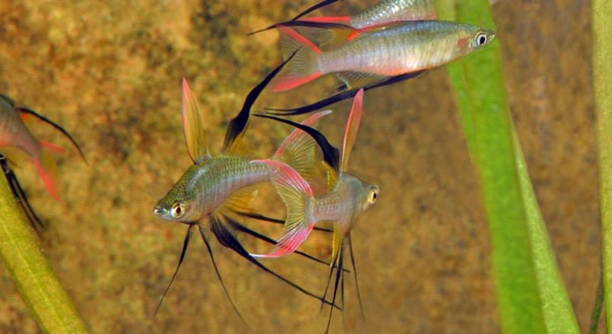
Are your Threadfin Rainbowfish struggling to eat hard or dry foods? Many aquarists face this challenge when trying to provide a balanced diet suitable for their delicate mouths and sensitive digestive systems.
Soft foods are ideal for Threadfin Rainbowfish because they are easy to consume, digestible, and nutritionally beneficial. Foods such as finely crushed flakes, daphnia, brine shrimp, and soft pellets help maintain their health and support optimal growth.
Providing the right texture can make feeding time smoother and ensure your fish thrive in a healthy aquarium environment.
Finely Crushed Flakes
Threadfin Rainbowfish can easily consume finely crushed flakes, making it an excellent staple food. Flakes are convenient, widely available, and rich in essential nutrients, including proteins and vitamins. Crushing them ensures the particles are small enough for young or small fish, preventing choking or waste. These tiny particles float gently in the water, allowing the fish to feed comfortably at any level of the tank. Regular feeding with crushed flakes promotes healthy growth and vibrant coloration. Over time, your Rainbowfish will recognize the flakes as a reliable food source. It is best to crush the flakes immediately before feeding to maintain freshness. Avoid leaving them in the water too long, as they can disintegrate and affect water quality. Alternating crushed flakes with live or frozen soft foods can provide variety. This balance helps maintain strong immune systems and prevents boredom with repetitive diets. Crushed flakes also encourage natural foraging behavior, contributing to overall wellbeing in the aquarium.
Finely crushed flakes are easy to digest and ideal for daily feeding of all sizes of Threadfin Rainbowfish.
Including crushed flakes regularly ensures your fish get essential nutrients while maintaining healthy feeding habits and a clean tank environment.
Live Daphnia
Live daphnia are small aquatic crustaceans that Threadfin Rainbowfish readily accept. They are highly nutritious, offering proteins, fats, and essential minerals that support energy and growth. The movement of live daphnia stimulates the fish’s natural hunting instincts, keeping them active and engaged. Feeding daphnia several times per week strengthens fish immunity and encourages vibrant coloration.
Providing live daphnia helps simulate a natural diet and keeps feeding time interesting for your fish.
Incorporating live daphnia into your feeding routine enhances the overall health of Threadfin Rainbowfish. These tiny creatures are rich in omega-3 fatty acids, which contribute to heart and brain function. Daphnia also contain carotenoids that enhance the fish’s natural colors, making them more vivid over time. They are easy to introduce into most aquariums, and their size is suitable for both juvenile and adult Rainbowfish. Regularly rotating live daphnia with other soft foods prevents nutrient gaps while maintaining variety in the diet. It is important to source daphnia from reputable suppliers to avoid introducing harmful bacteria or parasites. Live daphnia can be fed in small portions multiple times a day, allowing fish to feed naturally without overloading the tank. Observing the fish during feeding helps monitor health and appetite, ensuring they receive adequate nutrition.
Frozen Brine Shrimp
Frozen brine shrimp are convenient and highly nutritious for Threadfin Rainbowfish. They provide essential proteins and fatty acids, supporting growth and vibrant coloration. Thawing before feeding ensures easy consumption and prevents water contamination.
Brine shrimp are rich in amino acids and naturally enhance the fish’s immune system. Freezing preserves their nutritional value while making them accessible year-round. Thawed shrimp maintain a soft texture, allowing Rainbowfish of all ages to eat comfortably without struggling. Using small portions prevents overfeeding and maintains tank cleanliness. Alternating frozen brine shrimp with other soft foods helps provide dietary variety, which is crucial for preventing nutrient deficiencies and keeping the fish active. Brine shrimp also stimulate natural hunting behaviors, contributing to overall mental and physical health. Incorporating this food regularly supports healthy growth rates, making the Rainbowfish more resilient to stress or minor illnesses.
Regular feeding of frozen brine shrimp keeps your fish energetic and enhances coloration while supporting their digestive health effectively.
Soft Pellets
Soft pellets are an excellent source of balanced nutrition for Rainbowfish, combining proteins, vitamins, and minerals in a digestible form. They are easy for fish to consume and reduce feeding waste. Their texture encourages natural feeding habits while supporting overall health.
Using soft pellets consistently can prevent dietary gaps while promoting steady growth. These pellets are designed to sink slowly, allowing fish to feed at different tank levels. They are especially helpful for older or weaker fish that may struggle with harder foods. The controlled nutrient content ensures that Rainbowfish receive proper nourishment without overloading their digestive systems. Rotating pellets with live or frozen foods maintains variety and prevents monotony in the diet. Observing how fish interact with pellets can indicate appetite and health, making it easier to adjust feeding schedules or portion sizes. Soft pellets also help maintain tank cleanliness, as they break down slowly without clouding the water. Overall, including soft pellets in a feeding plan supports strong immune function, proper growth, and a vibrant appearance for Threadfin Rainbowfish.
Frozen Bloodworms
Frozen bloodworms are a highly appealing soft food for Threadfin Rainbowfish. They provide essential protein and fats that support growth and energy. Thawing them before feeding ensures easy consumption and prevents water contamination.
Bloodworms stimulate natural hunting behaviors and encourage active feeding. Their soft texture makes them suitable for fish of all sizes.
Baby Brine Shrimp
Baby brine shrimp are tiny, nutrient-rich food perfect for juvenile and adult Threadfin Rainbowfish. They offer proteins, essential fatty acids, and vitamins that enhance development and coloration. Feeding them multiple times a week supports strong immune systems and encourages healthy growth. Their small size and soft texture make them ideal for easy consumption, preventing stress during feeding. Introducing baby brine shrimp alongside other soft foods maintains dietary variety, ensuring balanced nutrition. Observing how the fish respond can help adjust portion sizes to avoid overfeeding while keeping the aquarium clean. Regular inclusion promotes natural hunting behaviors and overall vitality.
Gel Food
Gel food provides a balanced diet in a soft, easy-to-eat form for Threadfin Rainbowfish. It contains proteins, vitamins, and minerals, supporting health and growth.
FAQ
What soft foods are safest for Threadfin Rainbowfish?
The safest soft foods include finely crushed flakes, soft pellets, frozen or live brine shrimp, daphnia, frozen bloodworms, baby brine shrimp, and gel foods. These options are gentle on their mouths and easy to digest while providing essential nutrients for growth and vibrant coloration.
How often should I feed soft foods to my Rainbowfish?
Soft foods can be fed once or twice daily, depending on the size and age of the fish. Juveniles may need more frequent meals, while adults can thrive on smaller, controlled portions to prevent overfeeding and maintain water quality.
Can I feed only soft foods, or should I mix with other types?
While soft foods are highly beneficial, rotating them with occasional flakes or other balanced foods helps ensure nutritional variety. This prevents dietary deficiencies and encourages natural foraging behavior, which keeps the fish active and healthy.
Do frozen foods need special preparation?
Yes, frozen foods like brine shrimp or bloodworms should be thawed before feeding. This prevents digestive stress and reduces the risk of lowering water quality due to leftover ice or partially frozen food disintegrating in the tank.
Are live foods necessary for Threadfin Rainbowfish?
Live foods are not strictly necessary but can significantly improve health and coloration. They stimulate natural hunting instincts and provide essential nutrients that may not be fully replicated in prepared soft foods. A mix of live and frozen or gel foods works best.
How can I prevent overfeeding with soft foods?
Feed small portions that the fish can consume within a few minutes. Remove any leftover food promptly to avoid water contamination. Observing the fish during feeding helps determine the right portion size for their appetite and tank population.
Is gel food as nutritious as live or frozen foods?
Gel food is highly nutritious when properly prepared, offering balanced proteins, vitamins, and minerals. It is especially useful for maintaining consistent feeding routines, and its soft texture ensures easy consumption for both young and adult Rainbowfish.
Can soft foods affect water quality?
Yes, leftover soft foods can quickly decompose, leading to poor water quality. Feeding in small amounts, removing uneaten portions, and maintaining a regular cleaning schedule helps prevent water issues and keeps the fish healthy.
Are there any soft foods to avoid?
Avoid overly processed or hard pellets marketed as “general tropical fish food” that may not break down easily. Foods with excessive fillers, dyes, or preservatives can be harmful to delicate Rainbowfish, causing digestive or health issues.
How do I know if my Rainbowfish is thriving on soft foods?
Healthy Rainbowfish will actively eat, display vibrant colors, and remain energetic. Their growth should be steady, and they should show interest in food without signs of bloating, lethargy, or stress. Adjust feeding habits if any negative signs appear.
Can I make homemade soft foods for my Rainbowfish?
Yes, homemade gel or finely blended foods using shrimp, fish, or vegetables are possible. Ensure proper balance of protein, vitamins, and minerals. Homemade options can supplement commercial foods but should be carefully prepared to avoid contamination or nutrient imbalance.
How do I store frozen soft foods properly?
Keep frozen foods in airtight containers in a freezer. Avoid repeated thawing and refreezing, as this reduces nutritional value and increases risk of spoilage. Use only the portion needed for each feeding.
Do Rainbowfish prefer one type of soft food over another?
Individual fish may develop preferences, often favoring live or moving foods like daphnia or brine shrimp. Offering a mix ensures they receive full nutrition while keeping them engaged and active during feeding sessions.
What is the best way to introduce a new soft food?
Introduce new foods gradually by mixing small amounts with familiar foods. Observe how the fish respond and adjust portions. Gradual introduction reduces stress and helps them adapt to different textures and flavors while maintaining balanced nutrition.
How can I monitor their digestion with soft foods?
Watch for consistent, firm waste and active swimming behavior. Loose or stringy feces, bloating, or unusual lethargy may indicate digestive issues. Adjust portion size or switch food type if any problems arise to ensure digestive health.
Are there age-specific considerations for soft foods?
Juvenile Rainbowfish benefit from very small, easily digestible foods like baby brine shrimp or finely crushed flakes. Adults can handle slightly larger soft pellets or frozen foods but still require soft textures for easy consumption and balanced nutrition.
Can soft foods replace live feeding entirely?
In many cases, soft foods can replace live feeding if they provide balanced nutrition. However, including occasional live foods enhances natural behaviors, supports optimal coloration, and keeps feeding routines stimulating for the fish.
How do I maintain variety without stressing the fish?
Rotate foods gradually, offering a mix of flakes, pellets, frozen, and live options over the week. Avoid sudden changes and observe reactions to ensure the fish accept each new food while continuing to thrive in the tank environment.
What is the ideal portion size for each feeding?
Feed amounts that the Rainbowfish can finish within two to three minutes. This prevents overfeeding, minimizes water contamination, and maintains consistent nutrient intake. Adjust portions based on tank population and fish size.
Can soft foods enhance coloration naturally?
Yes, foods like brine shrimp, bloodworms, and gel foods with carotenoids help enhance natural coloration. Regular feeding with these options contributes to brighter, more vivid scales and healthier overall appearance.
How do I prevent picky eating habits?
Offer a variety of soft foods consistently. Avoid feeding only one type for long periods. Rotating textures and flavors encourages balanced nutrition and prevents Rainbowfish from developing selective eating habits.
Are there any long-term risks with feeding only soft foods?
Feeding exclusively soft foods without variety may result in minor nutrient gaps. Rotating with other high-quality prepared or live foods prevents deficiencies, supports growth, and ensures overall long-term health and vitality for Threadfin Rainbowfish.
How important is feeding frequency with soft foods?
Feeding frequency affects digestion, growth, and activity levels. Multiple small feedings each day support juveniles, while adults thrive on controlled, consistent portions, maintaining energy and reducing stress in the aquarium environment.
Can I feed soft foods to other fish in a community tank?
Yes, many community fish can enjoy soft foods, but monitor interactions to ensure Rainbowfish get enough. Some aggressive feeders may consume the majority, so distributing food evenly across the tank is important.
Do soft foods require supplementation?
If feeding a balanced mix of commercial soft foods and occasional live or frozen items, supplementation is usually unnecessary. In cases of homemade diets, adding vitamins or minerals can help maintain complete nutrition for Rainbowfish.
How do I balance nutrition and texture in soft foods?
Choose foods that are soft but nutrient-dense. Alternate textures like flakes, pellets, and live options to encourage natural feeding behaviors while ensuring all dietary needs—proteins, fats, vitamins, and minerals—are consistently met.
What signs indicate my Rainbowfish is not getting enough soft food?
Signs include reduced activity, faded colors, refusal to eat, or slowed growth. Observing feeding behavior and adjusting portions or food types promptly ensures they receive adequate nutrition.
Are there seasonal considerations for soft feeding?
Seasonal changes in water temperature can affect metabolism. In warmer months, fish may consume more; in cooler months, slightly smaller portions may suffice. Adjust feeding frequency and quantity accordingly while maintaining nutrient-rich soft foods.
How do I prevent contamination when using soft foods?
Handle foods with clean tools, thaw frozen items properly, and remove leftovers promptly. Storing in airtight containers and following proper hygiene practices ensures the tank remains healthy and free from harmful bacteria.
What is the best feeding schedule for optimal health?
Feed two small portions per day for adults, and three to four smaller meals for juveniles. Ensure consistent timing to maintain energy, digestion, and overall well-being. Adjust based on appetite and tank population.
Can soft foods help with breeding?
Yes, nutrient-rich soft foods like brine shrimp and gel diets can improve condition, stimulate spawning, and support the development of healthy fry by providing proteins and essential nutrients required for reproduction.
How do I gradually switch Rainbowfish to new soft foods?
Mix small amounts of the new food with familiar foods over several days. Gradually increase the proportion of the new food while monitoring acceptance and appetite to ensure a smooth transition without stress.
Are there any soft foods that enhance immune function?
Foods rich in protein, fatty acids, and vitamins, such as live daphnia, brine shrimp, and gel diets, support immune health. Regular inclusion in the diet reduces susceptibility to common infections and promotes overall vitality.
How important is texture for feeding behavior?
Texture affects both consumption and interest. Soft, small, or slow-sinking foods are ideal for Threadfin Rainbowfish, encouraging natural feeding while preventing stress or difficulty in swallowing.
Can I combine multiple soft foods in a single feeding?
Yes, combining small amounts of different soft foods ensures variety, balanced nutrition, and keeps feeding engaging. Monitor quantities to avoid overfeeding and maintain water quality in the tank.
What adjustments are needed for large versus small tanks?
In larger tanks, distribute soft foods evenly to ensure all Rainbowfish have access. In smaller tanks, portion carefully to prevent overcrowding during feeding and reduce leftover food that can affect water quality.
Do soft foods influence growth rate?
Properly balanced soft foods support steady, healthy growth. High-protein options like brine shrimp, bloodworms, and pellets encourage muscle development and overall size, while variety prevents nutrient deficiencies that could slow growth.
How do I maintain freshness of soft foods?
Store flakes, pellets, and gel foods in airtight containers away from heat and moisture. Freeze or refrigerate per instructions for frozen items. Use thawed portions promptly to avoid spoilage and preserve nutritional value.
Can soft foods prevent common health issues?
Yes, providing easily digestible, nutrient-rich foods reduces digestive stress, supports immune function, and helps prevent nutritional deficiencies, keeping Threadfin Rainbowfish active, colorful, and healthy in the long term.
How do I know if a soft food is high quality?
High-quality soft foods contain visible proteins, minimal fillers, no artificial dyes, and proper vitamins. Reading labels and sourcing from reputable suppliers ensures the fish receive reliable, safe nutrition for optimal health.
What are the signs of overfeeding with soft foods?
Cloudy water, leftover food, bloated fish, and sluggish behavior indicate overfeeding. Adjust portion size and frequency to maintain a healthy tank environment while supporting proper growth and digestion.
How long can soft foods be left in the tank?
Soft foods should not remain in the water for more than a few minutes. Remove uneaten portions promptly to prevent water quality issues, bacterial growth, and potential stress or illness in the fish.
Can soft foods be part of a long-term diet?
Yes, a carefully managed mix of soft foods, frozen items, and occasional live foods can serve as a balanced long-term diet. Monitoring portions, variety, and acceptance ensures sustained health and vitality for Threadfin Rainbowfish.
Do Rainbowfish need any special vitamins with soft foods?
If feeding a balanced combination of commercial soft foods and live/frozen options, additional vitamins are usually unnecessary. Supplementation may be considered for homemade diets to maintain complete nutrition and prevent deficiencies.
Are there differences in feeding needs between male and female Rainbowfish?
Females may require slightly higher protein intake during egg development. Ensuring a variety of soft foods rich in nutrients supports reproductive health and maintains vitality in both sexes.
How can I tell if my fish are bored with soft foods?
Signs of boredom include slow feeding, ignoring certain foods, or searching for alternatives. Rotating textures and types keeps feeding engaging and encourages natural behaviors.
Can soft foods help during recovery from illness?
Yes, easily digestible, nutrient-rich soft foods provide energy and support immune recovery. Small, frequent feedings reduce stress and promote faster healing during illness or after treatment.
What is the role of fiber in soft foods?
Fiber aids digestion and prevents constipation. Some soft foods like gel diets and flakes contain fiber that promotes healthy gastrointestinal function and supports regular waste elimination in Rainbowfish.
Are there soft foods suitable for all life stages?
Yes, options like crushed flakes, soft pellets, brine shrimp, and gel foods can be adjusted in size and portion to suit both juvenile and adult Rainbowfish, ensuring consistent nutrition throughout growth.
How do I balance cost and nutrition with soft foods?
Using a mix of affordable staples like crushed flakes and occasional frozen or live treats balances cost while providing high-quality nutrition. Planning weekly portions prevents waste and maintains health efficiently.
Can soft foods affect behavior in a community tank?
Yes, highly appealing soft foods may trigger competition. Distribute portions evenly and feed in multiple locations to ensure all Rainbowfish and tank mates receive adequate nutrition without stress or aggression.
How do I safely transition between brands of soft foods?
Mix the new brand gradually with the old over several days. Observe feeding behavior and appetite to ensure acceptance, preventing digestive issues or refusal of the new food.
Are there risks with homemade gel foods?
Improperly prepared gel foods can spoil quickly or lack balanced nutrients. Ensure proper ingredient ratios, refrigeration, and hygiene to provide a safe, nutritious option for Rainbowfish.
Do Threadfin Rainbowfish need soft foods if they eat live foods daily?
Soft foods provide consistent nutrition, vitamins, and minerals that may not be fully present in live foods alone. Combining both ensures dietary balance, supports health, and prevents selective feeding habits.
How often should I rotate soft food types?
Rotate foods every few days to a week. This variety maintains interest, ensures complete nutrition, and encourages natural foraging behavior, contributing to overall vitality and activity levels.
Can soft foods replace fasting days?
Soft foods should be fed in controlled portions, but occasional fasting is still beneficial to prevent digestive issues. A balanced schedule supports metabolism and long-term health.
What monitoring practices help maintain optimal feeding?
Observe appetite, activity levels, and waste quality daily. Adjust portion size, food type, or frequency as needed to maintain health, prevent overfeeding, and ensure water quality in the tank.
Are there signs of nutrient deficiency despite feeding soft foods?
Faded coloration, slowed growth, lethargy, or weakened immunity may indicate deficiencies. Rotating foods, including live or frozen options, helps provide complete nutrition and supports overall Rainbowfish health.
Can soft foods be used in breeding programs?
Yes, protein-rich soft foods enhance condition and stimulate spawning. Including a variety of nutrient-dense options supports egg development, fry growth, and overall reproductive success.
How do I maintain consistency in feeding routines?
Feed at the same times daily, using measured portions. Maintain variety and observe fish behavior to ensure all Rainbowfish receive adequate nutrition while minimizing stress or competition.
What equipment can help with soft food feeding?
Tweezers, feeding rings, or small cups allow precise portioning. Using these tools helps prevent overfeeding, distributes food evenly, and maintains tank cleanliness while supporting healthy feeding habits.
Can soft foods reduce aggressive behavior?
Providing sufficient, evenly distributed soft foods minimizes competition, reducing aggression. Balanced nutrition keeps Rainbowfish satisfied and less likely to display territorial disputes or stress-related behavior.
How do I adjust feeding for water temperature changes?
Warmer water increases metabolism, requiring slightly larger portions or more frequent feedings. Cooler water slows metabolism, so reduce portion size while maintaining nutrient-rich soft foods to prevent overfeeding.
Are there long-term benefits to feeding soft foods consistently?
Yes, consistent soft feeding supports growth, immune function, coloration, and energy levels. It also encourages natural feeding behavior, reduces stress, and helps maintain a healthy, thriving aquarium environment.
Can soft foods help reduce mortality in young Rainbowfish?
Yes, easily digestible, nutrient-dense soft foods improve survival rates in juveniles by supporting proper growth, immune development, and feeding efficiency, ensuring healthier fish in the long term.
How do I troubleshoot refusal of soft foods?
Try varying texture, size, or temperature. Mixing with familiar foods and introducing small portions gradually can encourage acceptance. Observation ensures the fish continue to receive adequate nutrition.
What is the best way to combine soft foods with live feeding?
Feed live foods first to stimulate hunting behavior, then provide soft foods. This combination ensures energy, nutrients, and texture variety while maintaining appetite and interest in feeding sessions.
Can soft foods improve social behavior in the tank?
Yes, well-distributed, easily accessible soft foods reduce competition and stress, promoting calmer interactions and allowing Rainbowfish to focus on natural schooling and social behaviors.
Are there risks of feeding only one type of soft food?
Yes, monotony can lead to nutrient gaps, selective eating, or disinterest. Rotating multiple soft foods ensures balanced nutrition and keeps feeding engaging for Rainbowfish.
How do I know when to increase portion size?
Indicators include consistent consumption of current portions within minutes, active swimming, and visible growth. Increase gradually while monitoring water quality and behavior to avoid overfeeding.
Can soft foods enhance fry survival?
Yes, small, soft, nutrient-rich foods like baby brine shrimp or gel diets provide the proper nutrition needed for fry growth and development, improving survival rates and long-term health.
Do Threadfin Rainbowfish require different soft foods than other rainbowfish species?
They share many dietary needs with similar species, but their delicate mouths make soft, finely sized foods especially important. Adjust portion and texture accordingly for optimal feeding.
Can soft foods help manage stress in the tank?
Yes, nutrient-rich, easily consumed soft foods reduce feeding stress and competition, helping maintain calm, active fish with steady growth and strong immune function.
How do I track nutritional balance over time?
Maintain a rotation schedule and observe health, coloration, growth, and behavior. Supplement gaps with live or frozen foods if necessary, ensuring complete nutrition and consistent vitality for all Rainbowfish.
Are there storage tips for homemade soft foods?
Refrigerate or freeze in airtight containers, label with dates, and use small portions at a time. Proper storage prevents spoilage and maintains nutritional value for safe feeding.
Can soft foods help prevent fin nipping or aggression?
Yes, sufficient, appealing soft foods reduce competition and aggression, keeping Rainbowfish engaged in feeding rather than territorial or harmful behaviors.
How do I maintain feeding hygiene?
Wash hands, use clean tools, and remove uneaten food promptly. Proper handling prevents bacterial contamination and ensures a healthy, safe environment for Threadfin Rainbowfish.
Are soft foods effective for aging Rainbowfish?
Yes, older Rainbowfish may struggle with harder foods. Soft, nutrient-rich options ensure continued growth, digestion, and vitality while accommodating decreased jaw strength.
How can I combine frozen, live, and gel foods efficiently?
Rotate based on nutritional needs and fish preference. Feed small amounts of each type at different times to maintain variety, support health, and prevent overfeeding or water issues.
**Do soft foods help maintain
Threadfin Rainbowfish thrive when provided with a diet that is both nutritious and easy to consume. Soft foods are particularly suitable because they match the delicate structure of the fish’s mouth and digestive system. Options like finely crushed flakes, soft pellets, frozen or live brine shrimp, daphnia, and gel foods provide essential proteins, vitamins, and minerals needed for growth and overall health. These foods are generally easier to digest than hard or dry alternatives, which helps prevent digestive problems and supports steady development. Maintaining a consistent feeding routine with soft foods allows the Rainbowfish to adapt comfortably, encouraging healthy eating habits and minimizing stress during meal times.
Incorporating a variety of soft foods also benefits the fish’s immune system and coloration. Foods rich in proteins and fatty acids, such as bloodworms and brine shrimp, support strong energy levels and promote vibrant scales. Rotating different types of soft foods prevents nutrient deficiencies while keeping the fish engaged during feeding. This variety is especially important for juvenile Rainbowfish, which require high-energy meals for proper growth, as well as for adults, which benefit from a balance of nutrients that maintain vitality and natural coloration. Even gel foods, which can be made or purchased, provide a reliable source of vitamins and minerals in a digestible form. Paying attention to portion size and frequency ensures that the fish receive adequate nutrition without overfeeding, which helps maintain water quality and reduces the risk of disease or stress.
Proper handling and preparation of soft foods is also essential for long-term success. Frozen foods should be thawed before feeding, and uneaten portions should be removed promptly to prevent water contamination. Homemade gel foods need careful preparation to maintain a proper balance of nutrients while avoiding spoilage. Observing the fish during feeding sessions allows aquarists to notice changes in appetite, behavior, or health, enabling timely adjustments to the diet. By combining a well-planned selection of soft foods with attentive feeding practices, aquarists can ensure their Threadfin Rainbowfish remain healthy, active, and visually vibrant. Soft foods not only provide the necessary nutrients but also encourage natural feeding behaviors, contributing to a balanced and thriving aquarium environment. Consistent care and attention to diet help these fish live longer, healthier lives while maintaining their distinctive beauty.

Hello,
If you enjoy the content that we create, please consider saying a "Thank You!" by leaving a tip.
Every little bit helps us continue crafting quality advice that supports the health, happiness, and well-being of pets around the world, for pets of all shapes, sizes, and species.
We really appreciate the kindness and support that you show us!