
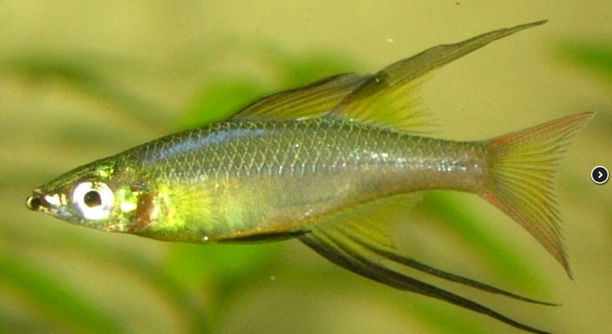
Do you ever find yourself needing a temporary solution for your threadfins while preparing their main habitat? Handling these fish carefully is important, as their delicate nature requires attention to water quality and space limitations.
Threadfins can be temporarily housed in small containers, but only under strict conditions. Water quality must be closely monitored, oxygen levels maintained, and stress minimized to prevent health complications and ensure their short-term survival.
Managing temporary housing correctly helps protect your threadfins’ wellbeing and sets the stage for a smooth transition to their permanent environment.
Preparing Small Containers for Threadfins
When using small containers for temporary housing, the first priority is water quality. Clean, dechlorinated water must be used, and temperature should match their original environment to reduce stress. Oxygenation is crucial; even short-term stays can lead to oxygen depletion. A gentle aerator or sponge filter works well, but avoid strong currents that can tire them. Position the container in a quiet area, away from direct sunlight or vibrations, which may frighten the fish. Monitoring is essential; check for any signs of distress like rapid gill movement or erratic swimming. Keep feeding minimal during this period to prevent water contamination. Additionally, cover the container loosely to prevent jumping while allowing proper air exchange. Although small containers are not ideal for long-term housing, proper preparation can reduce risks. Maintaining cleanliness and careful observation ensures threadfins remain healthy until they can return to a larger, more suitable habitat.
Even temporary housing requires constant attention to water quality and oxygen levels to keep threadfins safe.
Preparing containers with care makes the process smoother, helping your threadfins stay calm and reducing potential stress-related health issues.
Monitoring Threadfins in Temporary Containers
Observation is key during temporary housing to detect stress or illness early.
Check water parameters daily, including temperature, pH, and ammonia levels. Stress can weaken immunity, making even brief periods in small containers risky. Remove uneaten food promptly to prevent water fouling. Watch for changes in swimming patterns, gill movement, or skin color. Maintaining stable conditions reduces the likelihood of shock or disease. Avoid sudden movements around the container and limit exposure to noise, which can disturb them. Temporary containers are not meant for social interaction, so avoid overcrowding or adding other species. Even minimal handling should be done carefully with soft nets to prevent injury. By remaining attentive and proactive, you can ensure your threadfins remain healthy and ready for transfer back to their proper environment. Consistency in monitoring and gentle care are vital to protecting these delicate fish.
Feeding Threadfins in Small Containers
Feed sparingly to avoid fouling the water. Small amounts of high-quality food are sufficient for short-term housing.
Overfeeding in small containers can quickly pollute the water, causing ammonia spikes that harm threadfins. Stick to easily digestible foods and remove any leftovers promptly. Adjust feeding frequency based on activity levels, offering smaller portions multiple times if necessary. Avoid live foods that may introduce pathogens or require more space than the container allows. Maintaining minimal waste ensures the temporary environment stays stable, keeping your fish healthy. Observing their feeding response also helps detect stress or illness early, allowing timely adjustments to care.
Even brief periods in small containers require consistent attention to feeding and water cleanliness. Small changes can make a significant difference in your threadfins’ comfort and safety.
Transitioning Threadfins Back to Larger Tanks
Plan the transfer carefully to minimize stress. Gradual acclimation is crucial when moving threadfins from a small container to a larger tank.
Start by matching the water temperature and chemistry between the temporary container and the main tank. Slowly introduce small amounts of water from the larger tank into the temporary container over a period of 15–30 minutes. This helps threadfins adjust to different conditions without shock. Use a soft net or gentle siphoning to move them, avoiding sudden movements. Ensure the main tank is fully prepared, with stable water parameters, proper aeration, and minimal disturbances. Proper preparation reduces the risk of stress-related illness and helps your fish adapt quickly.
After transfer, monitor swimming behavior, appetite, and interaction with the tank environment. Early detection of any signs of stress allows for quick corrective actions. Keeping the transition smooth sets the stage for healthy long-term living in their permanent habitat.
Maintaining Water Quality
Regular water checks are essential in small containers. Monitor temperature, pH, and ammonia levels closely.
Perform partial water changes daily if possible. Even small imbalances can quickly stress threadfins, so maintaining stable conditions is key for their temporary wellbeing.
Avoiding Overcrowding
Overcrowding increases stress and reduces oxygen availability. Keep the number of threadfins in the container minimal to allow adequate space for movement.
Too many fish in a confined space can lead to aggression, rapid oxygen depletion, and increased waste buildup. Even short-term housing requires careful attention to density to prevent health problems. Ensuring enough space allows each fish to swim freely, reducing stress and maintaining overall activity. Observing behavior helps identify overcrowding issues early, allowing corrective action before problems escalate.
Using Gentle Aeration
Use a soft sponge filter or gentle air stone. Strong currents can tire threadfins quickly, so keep water movement minimal.
FAQ
Can threadfins survive in a small container overnight?
Threadfins can tolerate small containers for very short periods, such as overnight, if the water is clean and well-oxygenated. It is important to keep them in a quiet area and avoid feeding heavily, as excess food can quickly pollute the water and harm them.
How often should water be changed in a temporary setup?
For temporary housing, partial water changes should be done daily. Removing a portion of the water and replacing it with clean, dechlorinated water helps maintain stable conditions. Small containers are prone to rapid changes in ammonia and pH, so consistent monitoring is essential.
Is aeration necessary in a small container?
Yes, gentle aeration is highly recommended. A sponge filter or soft air stone provides sufficient oxygen without creating strong currents that could exhaust or stress the threadfins. Maintaining oxygen levels is critical for their short-term health.
Can I keep multiple threadfins together in a small container?
Only if the container is large enough for them to move freely without overcrowding. Overcrowding can lead to stress, aggression, and rapid oxygen depletion. Even short-term housing requires careful attention to the number of fish.
Should I feed threadfins in temporary housing?
Feeding should be minimal. Offer small, easily digestible portions, removing any uneaten food promptly. Overfeeding can quickly foul the water, causing ammonia spikes and stress. Observing their response to food helps gauge stress and overall health.
How long can threadfins stay in small containers safely?
They should remain in small containers only for very brief periods, ideally under 24 hours. Prolonged confinement increases stress, reduces water quality, and raises the risk of illness or injury. Temporary housing is meant for emergencies or brief transitions.
How do I acclimate threadfins back to a larger tank?
Gradually mix water from the larger tank into the small container over 15–30 minutes. This helps them adjust to temperature and water chemistry differences. Use gentle nets or siphons for transfer to avoid sudden shocks, and monitor behavior carefully after placement.
What signs indicate threadfins are stressed in a small container?
Look for rapid gill movement, erratic swimming, or changes in coloration. Stress can also manifest as loss of appetite. Early detection allows for prompt action, such as water changes, oxygen adjustment, or reducing handling.
Can temperature fluctuations affect threadfins in small containers?
Yes, small containers are highly susceptible to temperature swings. Even minor fluctuations can stress the fish. Keep the container in a stable, shaded area and use a thermometer to monitor changes. Maintaining stable temperatures is essential for their short-term survival.
Are live foods safe in small containers?
Live foods may be risky because they can introduce pathogens or require more space than the container allows. Stick to small, prepared foods that are easy to digest and do not degrade water quality quickly.
What equipment is recommended for temporary housing?
A small container with a gentle sponge filter or soft air stone, clean water, and a cover to prevent jumping is sufficient. Avoid strong currents or overcrowding, and ensure the setup allows for easy water changes.
How can I reduce stress during temporary housing?
Minimize handling, avoid loud noises, and limit exposure to vibrations. Keep feeding light, monitor water quality closely, and ensure the container has stable temperature and oxygen levels. Observing behavior regularly helps detect stress early and allows adjustments.
Is it okay to transport threadfins in small containers?
Yes, if done carefully. Ensure water is well-oxygenated, keep the container stable, and avoid extreme temperatures. Limit travel time and reduce feeding beforehand to maintain water quality.
How do I know if the temporary setup is working?
Fish should swim normally, maintain appetite, and show no signs of stress or illness. Daily checks of water quality, temperature, and oxygen levels confirm the setup is supporting their needs adequately.
Can small container housing affect long-term health?
Extended periods in small containers can lead to stress-related health issues, weakened immunity, or injuries. Keep temporary housing brief and transition the fish back to a larger, stable tank as soon as possible.
Are decorations necessary in temporary containers?
Decorations are not essential but can provide hiding spots to reduce stress. Avoid overcrowding the container, and prioritize water flow and oxygenation over aesthetic elements.
Can I use tap water directly in the container?
No, tap water must be dechlorinated first. Chlorine and other chemicals can be harmful to threadfins. Treat water with a proper conditioner and ensure temperature matches the original habitat before introducing the fish.
How can I prevent jumping in small containers?
Cover the container loosely with a mesh or lid to prevent jumping while allowing proper air exchange. Threadfins are active swimmers, so a secure cover is important for their safety.
Should I monitor ammonia in temporary housing?
Yes, ammonia can rise quickly in small containers. Use test kits to check levels daily, and perform partial water changes as needed. Keeping ammonia low is critical for preventing stress and health issues.
Can temporary housing be used for quarantine?
Yes, small containers can serve as short-term quarantine setups, but only for brief periods. Monitor water quality closely and avoid prolonged confinement to reduce stress and ensure accurate observation of any health concerns.
What is the best way to reduce handling stress?
Limit interaction and use soft nets for necessary transfers. Gentle movements and calm handling reduce stress and help threadfins remain stable during temporary housing.
How do I balance oxygen and water movement?
Use a sponge filter or soft air stone to maintain oxygen levels without creating strong currents. Proper balance prevents fatigue while keeping water adequately oxygenated.
Can I keep threadfins with other species in temporary containers?
It is not recommended. Mixed species can increase stress and competition for space, especially in confined setups. Keep threadfins alone to maintain safety and water quality.
How often should I check on the fish?
Check multiple times a day for behavior, water quality, and signs of stress. Frequent observation allows prompt intervention if conditions deteriorate or the fish show distress.
Is lighting important in temporary housing?
Minimal lighting is sufficient. Bright or fluctuating light can stress threadfins. Provide consistent, low-level lighting to maintain their natural rhythm without overstimulation.
Can temperature drops at night affect them?
Yes, small containers lose heat quickly. Place containers in stable areas away from drafts, and monitor temperature to ensure consistency throughout the day and night.
Should I use a heater in temporary housing?
Only if necessary. Use a small, adjustable heater to maintain consistent temperature, but avoid sudden changes. Stability is more important than raising water temperature too high.
Can threadfins tolerate being crowded with substrate or decorations?
Limit decorations and substrate to provide maximum swimming space. Too much clutter restricts movement, increases stress, and reduces oxygen circulation.
How do I handle sudden water changes?
Gradual water adjustments are best. Sudden changes in water chemistry or temperature can shock threadfins. Partial water changes are safer than complete replacements.
What is the maximum safe duration in small containers?
Ideally under 24 hours. Even with careful monitoring, longer periods increase stress and risk of health problems. Temporary housing should be treated as a short-term solution only.
Can stress affect their color or appetite?
Yes, stressed threadfins may become pale or stop eating. Observing these changes early allows for interventions like water changes, oxygen adjustments, or gentle care to restore stability.
Are there alternatives to small containers for short-term housing?
If possible, use larger temporary tanks with gentle filtration. Larger volumes maintain water quality more effectively and reduce stress, making short-term housing safer for threadfins.
How do I safely clean a temporary container?
Remove fish first and rinse the container with dechlorinated water. Avoid soap or harsh chemicals, and ensure everything is fully rinsed before returning the fish to prevent contamination.
What signs indicate water quality is deteriorating?
Cloudy water, odor, or visible waste are immediate indicators. Rapid changes in behavior or gill movement also signal water problems. Prompt partial water changes and monitoring help prevent issues.
Can threadfins get sick in small containers?
Yes, poor water quality, stress, and overcrowding can lead to illness. Keeping water clean, oxygenated, and stable minimizes risks during temporary housing.
Is it necessary to remove uneaten food immediately?
Yes, leftover food decomposes quickly and pollutes the water. Remove uneaten portions promptly to maintain water quality and reduce ammonia buildup.
How can I make the transfer back less stressful?
Gradual acclimation, stable water parameters, and gentle handling reduce stress. Monitor behavior closely after transfer and ensure the main tank is fully prepared.
What is the most common mistake in temporary housing?
Neglecting water quality and overcrowding. Even short periods can harm threadfins if oxygen, temperature, and cleanliness are not carefully maintained.
Can temporary housing be used for multiple purposes?
Yes, it can serve for quarantine, transport, or short-term care, but each purpose requires attention to water quality, stress reduction, and careful observation to prevent harm.
Should I keep a record of conditions?
Yes, tracking temperature, water parameters, and feeding helps detect trends and ensures consistent care. Records support timely interventions and healthier short-term housing.
How important is container material?
Smooth, non-toxic containers are best. Avoid rough surfaces that can injure fins, and ensure the container is sturdy and easy to clean.
Can threadfins jump out of containers?
Yes, they are active swimmers. Always cover containers loosely to prevent jumping while maintaining proper air exchange.
Are small containers suitable for long-term observation?
No, they are only suitable for very brief periods. Long-term observation requires larger tanks with stable conditions to avoid stress and health issues.
How do I know if my fish are comfortable?
Normal swimming, consistent appetite, and healthy coloration indicate comfort. Any signs of stress or abnormal behavior suggest adjustments are needed.
Can I use chemical treatments in small containers?
Only if absolutely necessary and in safe, precise doses. Small volumes make overdosing easier, so extreme caution is required.
How should I handle sudden health issues in small containers?
Act quickly by checking water quality, isolating the affected fish if possible, and adjusting oxygen, temperature, or feeding. Prompt response prevents worsening conditions.
Is it okay to leave temporary housing unattended?
No, frequent monitoring is essential. Small containers are prone to rapid water quality changes and stress, so unattended setups are risky for threadfins.
Can multiple small containers be used for several threadfins?
Yes, separating fish into individual containers can reduce stress and prevent overcrowding. Ensure each container is properly prepared and monitored for water quality.
What is the key takeaway for temporary housing?
Keep water clean, oxygenated, and stable. Limit handling, avoid overcrowding, and monitor behavior closely. Short-term care requires consistent attention to prevent stress and maintain threadfin health.
Word count: 514
Threadfins are delicate fish, and providing proper care in any situation is essential for their health and wellbeing. When considering temporary housing in small containers, it is important to remember that this should only be a short-term solution. Small containers are not designed for long-term living, as they limit swimming space, reduce water stability, and increase the likelihood of stress. Even brief stays require careful preparation, including clean, dechlorinated water, gentle aeration, and monitoring of temperature and oxygen levels. Every detail matters, from the placement of the container to the feeding routine. Maintaining stable conditions helps reduce stress and keeps the fish comfortable during their temporary stay. While it might seem simple to place threadfins in a small container for a few hours, proper attention to water quality and minimal handling can make a significant difference in their health and safety.
Feeding and water management play an important role in temporary housing. Overfeeding, even slightly, can quickly degrade water quality in a small container. Uneaten food decomposes rapidly, producing ammonia that can harm threadfins. It is better to feed very small portions and remove leftovers immediately. Likewise, partial water changes are necessary to keep the environment stable, especially if the fish remain in the container for more than a few hours. Monitoring behavior is equally important. Changes in swimming patterns, coloration, or gill movement can indicate stress or early signs of illness. By observing these signs and adjusting care accordingly, it is possible to provide a safe, short-term environment for threadfins. Attention to detail during temporary housing demonstrates responsibility and ensures that the fish remain healthy until they can return to a more suitable tank.
Transitioning threadfins back to their permanent habitat requires careful handling. Acclimation is key to preventing shock when moving from a small container to a larger tank. Gradually introducing water from the main tank into the temporary container allows the fish to adjust to differences in temperature and water chemistry. Using soft nets or gentle siphons during the transfer helps avoid injuries and additional stress. After placement in the larger tank, monitoring is essential to ensure the fish adapt successfully. Stable water parameters, minimal disturbances, and a calm environment will support their recovery and long-term wellbeing. Temporary housing may seem simple, but proper care at every step—from preparation to feeding and transfer—plays a critical role in protecting threadfins. Providing consistent attention and maintaining safe conditions ensures that even short-term solutions contribute positively to the fish’s overall health.
Word count: 408

Hello,
If you enjoy the content that we create, please consider saying a "Thank You!" by leaving a tip.
Every little bit helps us continue crafting quality advice that supports the health, happiness, and well-being of pets around the world, for pets of all shapes, sizes, and species.
We really appreciate the kindness and support that you show us!