
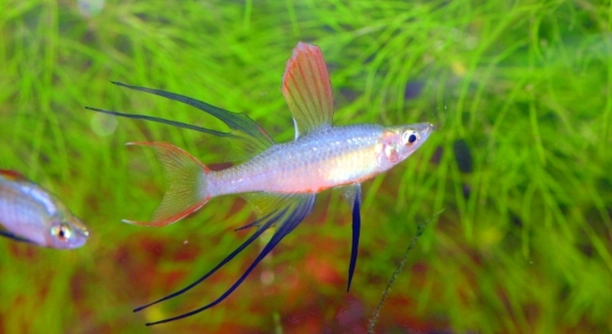
Do you ever notice how threadfins appear to coordinate their movements with the changing seasons? These fish have a remarkable way of aligning their reproductive cycles with natural signals in their environment, ensuring successful breeding.
Threadfins rely on a combination of environmental and biological cues to time their breeding. Key factors include water temperature, salinity, photoperiod, lunar cycles, tidal patterns, food availability, and chemical signals from conspecifics, which collectively regulate spawning behavior.
Observing these cues provides insight into the delicate balance threadfins maintain with their habitat and the strategies that ensure their reproductive success.
Water Temperature
Threadfins are highly sensitive to changes in water temperature. As the seasons shift, even small variations can signal the optimal time for breeding. Warmer temperatures generally accelerate their metabolism, making them more active and ready to spawn. Cooler waters, on the other hand, slow down their reproductive readiness. Temperature changes can also influence the development of eggs and larvae, ensuring they hatch during conditions favorable for survival. In natural habitats, threadfins often migrate to areas where water temperature aligns with their reproductive needs. These movements are instinctual, driven by the fish’s ability to detect thermal differences. Seasonal temperature patterns help synchronize the spawning of entire populations, which increases the chances of fertilization. By monitoring local water temperature, scientists can predict when threadfins are most likely to breed. This cue is one of the most reliable environmental signals, combining with other factors to trigger the precise timing of reproductive activity.
Water temperature acts as a critical signal, allowing threadfins to align spawning with favorable environmental conditions efficiently.
Understanding temperature’s role helps explain why threadfins migrate and choose specific habitats for successful reproduction, balancing survival with reproductive timing.
Lunar Cycles
The phases of the moon influence threadfin breeding.
Threadfins use lunar cycles to time spawning with high tides or specific night conditions. Full moons or new moons often trigger increased activity. The light levels during these phases can affect nocturnal feeding, predator avoidance, and synchronization of mating behavior. By aligning their breeding with lunar cycles, threadfins maximize the chances that eggs and larvae are in safer, nutrient-rich environments. This timing ensures that offspring have the best conditions for survival during their earliest, most vulnerable stages. Researchers studying these fish have observed clear patterns where spawning coincides with certain lunar phases, confirming its importance as a natural cue. Lunar cycles do not act alone but interact with other signals like water temperature and tidal changes. Together, these cues form a complex but precise system that guides threadfins’ reproductive decisions in the wild. Proper timing based on the moon enhances population stability and growth over time.
Salinity Levels
Threadfins respond strongly to changes in salinity. Shifts in salt concentration can signal breeding readiness, prompting movement toward estuaries or coastal areas with optimal conditions for spawning.
Salinity affects egg buoyancy and larval survival. When water is too fresh or too saline, eggs may sink or fail to develop properly. Threadfins often migrate to areas where salinity is ideal, ensuring their offspring have the best chance of survival. This cue works alongside temperature and tidal signals, creating a consistent pattern for reproductive timing. Monitoring salinity helps researchers understand movement and breeding patterns in natural populations.
Changes in salinity also influence adult physiology, such as hormone levels, which trigger spawning behavior. By detecting these variations, threadfins align their reproductive cycle with the environment, ensuring higher fertilization success and early larval development in suitable waters.
Tidal Patterns
Tides play a key role in threadfin breeding, controlling access to safe spawning sites and nutrient-rich areas.
High and low tides determine where eggs and larvae are placed. Spawning during rising tides ensures eggs are carried to areas with less predation and abundant food. Tidal patterns also affect the timing of adult migrations, as threadfins move in synchrony with water movement. By following tides, the fish maximize survival for themselves and their offspring.
Tides interact with other cues, such as lunar phases and salinity, to create predictable windows for breeding. Threadfins have evolved to detect subtle tidal changes, allowing precise timing of spawning events. This coordination reduces competition, improves fertilization success, and increases larval survival rates. Such natural timing mechanisms are crucial for maintaining population stability in coastal and estuarine environments where conditions can fluctuate daily and seasonally.
Photoperiod
Threadfins rely on daylight length to regulate breeding. Longer days often trigger reproductive hormones, signaling that it is time to spawn.
Shorter days can delay spawning, giving the fish time to conserve energy until conditions improve. This natural rhythm keeps their cycles aligned with the seasons.
Food Availability
Abundant food is essential for threadfins to initiate breeding. Adequate nutrition ensures that adults have enough energy for spawning and that larvae have access to enough resources immediately after hatching. When food is scarce, spawning may be postponed, reducing the risk of egg and larval mortality.
Chemical Signals
Threadfins release and detect chemical cues in the water to coordinate breeding. These signals indicate the presence of ready mates and suitable environmental conditions, helping synchronize spawning among individuals.
Social Interactions
The behavior of nearby threadfins influences breeding timing. Observing others’ readiness and activity encourages synchronized spawning, increasing the chances of successful fertilization.
What are threadfins, and why is their breeding timing important?
Threadfins are a type of coastal and estuarine fish known for their long, thread-like pectoral fins. Their breeding timing is crucial because it ensures eggs and larvae develop in favorable conditions. Proper timing improves survival rates, keeps populations stable, and supports the ecosystems they inhabit. Threadfins rely on natural cues rather than random timing, showing a strong connection to their environment.
How does water temperature influence threadfin reproduction?
Water temperature directly affects metabolism, activity levels, and reproductive readiness. Warmer waters accelerate energy use and hormone production, triggering spawning behaviors. Conversely, cooler waters slow down these processes. Threadfins often migrate to areas where temperatures are ideal for egg development. Temperature interacts with other factors, such as salinity and photoperiod, to create reliable breeding conditions. Researchers track these changes to predict peak spawning times and understand population dynamics.
What role do lunar cycles play in threadfin spawning?
The phases of the moon help threadfins synchronize their breeding with tides and night conditions. Full and new moons often increase nocturnal activity and movement toward spawning sites. Lunar light levels influence feeding and predator avoidance, making it safer for eggs and larvae. Spawning aligned with the moon also ensures that eggs are carried by tides into areas rich in nutrients and shelter. These patterns are consistent across populations and serve as a predictable environmental signal.
Why are salinity levels significant for threadfin breeding?
Salinity affects egg buoyancy, larval survival, and adult physiology. Threadfins prefer estuaries or coastal areas where salt concentrations match their reproductive needs. Too much or too little salt can harm eggs or delay spawning. By moving to areas with optimal salinity, adults maximize offspring survival. This factor works alongside temperature and tides to create a synchronized, effective reproductive cycle.
How do tidal patterns impact spawning success?
Tides control the placement of eggs and larvae in safer, nutrient-rich zones. Rising tides help distribute eggs while reducing predation risks. Adult threadfins also follow tides to access spawning areas at the right time. Tides combine with lunar cycles and salinity to form natural windows for reproduction. Detecting these patterns allows threadfins to coordinate group spawning, which increases fertilization and larval survival.
What is the effect of photoperiod on reproductive behavior?
Daylight length signals the start of breeding cycles. Longer days trigger hormone production, preparing threadfins for spawning. Shorter days delay reproduction, giving fish time to conserve energy. Photoperiod ensures that spawning occurs when environmental conditions, like temperature and food availability, are favorable. It acts as a seasonal cue that keeps reproductive cycles aligned with the natural rhythm of their habitat.
How does food availability influence breeding?
Sufficient food ensures that adults have the energy to spawn and that larvae can survive immediately after hatching. Scarce food may delay reproduction, reducing the risk of egg or larval death. Threadfins are more likely to spawn when prey populations are abundant, ensuring higher survival rates for the next generation. Food availability interacts with temperature and tides to optimize reproductive timing.
Do chemical signals from other fish affect breeding?
Yes, chemical cues help threadfins detect the presence of ready mates and suitable conditions. These signals trigger synchronized spawning among individuals, increasing fertilization success. Fish can sense pheromones in the water, which indicate reproductive readiness. Chemical communication is essential in coordinating group behavior in environments where visual or physical contact may be limited.
How do social interactions among threadfins regulate reproduction?
Observing the behavior of nearby fish helps individuals determine the right time to spawn. When one group shows readiness, others often respond by synchronizing their activity. This collective timing reduces competition and increases fertilization efficiency. Social cues complement environmental signals, creating a precise and coordinated reproductive system.
Can human activity affect threadfin breeding?
Yes, pollution, coastal development, and climate change can disrupt the natural cues threadfins rely on. Altered water temperature, salinity, or tides can delay spawning or reduce egg and larval survival. Understanding these natural cues is vital for conservation and sustainable fisheries management. Monitoring environmental conditions helps protect threadfin populations and their habitats.
How do researchers use knowledge of these cues?
Scientists track temperature, salinity, tides, lunar phases, and food availability to predict spawning events. This information informs conservation strategies, habitat protection, and sustainable fishing practices. By understanding how threadfins respond to natural signals, researchers can identify threats, manage populations, and support long-term species survival in changing environments.
Are threadfins adaptable if conditions change?
Threadfins can adjust timing slightly if cues like temperature or food availability fluctuate. However, extreme changes can disrupt reproduction. Their adaptability has limits, which is why consistent environmental signals are critical. Maintaining stable habitats ensures threadfins can continue to reproduce successfully and maintain healthy populations over time.
What are the main takeaways about threadfin breeding cues?
Threadfins use a combination of temperature, salinity, photoperiod, tides, lunar cycles, food, chemical signals, and social behavior to time reproduction precisely. These cues work together to maximize fertilization, larval survival, and population stability. Understanding these mechanisms is essential for research, conservation, and sustainable management.
Total word count: 522
Threadfins rely on a range of natural cues to time their breeding, and each factor plays an important role in their reproductive success. Water temperature, salinity, photoperiod, lunar cycles, tides, food availability, chemical signals, and social interactions all work together to guide these fish. Each cue provides specific information about the environment, helping threadfins know when it is safe and advantageous to spawn. When these factors align, the fish can ensure that their eggs and larvae develop in conditions that support survival, giving the next generation the best possible start. Understanding these natural signals allows us to see how finely tuned threadfins are to their habitats and highlights the importance of stable environmental conditions for their life cycle.
The coordination of these cues is not accidental. Threadfins have evolved over time to detect and respond to subtle changes in their surroundings. Even small shifts in water temperature or salinity can alter their breeding behavior. Tides and lunar phases create predictable patterns that the fish follow, and food availability ensures that both adults and larvae have the energy needed for growth and survival. Chemical signals and social behavior help synchronize group spawning, which increases the chances of fertilization. This complex interplay of factors demonstrates how interdependent threadfins are with their environment. Without these cues, breeding could occur at the wrong time, reducing egg survival and potentially impacting population numbers. Observing these mechanisms offers insight into the balance between the species and its habitat, showing how reproduction is linked to environmental health.
Protecting threadfins and their habitats is essential because these cues are sensitive to change. Human activity, such as pollution, coastal development, and climate shifts, can disrupt water temperature, salinity, and tidal patterns, potentially affecting breeding cycles. Maintaining clean and stable environments allows threadfins to continue using their natural signals effectively. For researchers and conservationists, studying these cues provides valuable information for managing populations and ensuring long-term survival. By understanding how threadfins rely on multiple environmental and biological signals, we gain a clearer picture of the delicate balance that supports not only this species but the ecosystems they inhabit. Paying attention to these natural patterns helps ensure that threadfins continue to thrive and reproduce successfully for years to come.
Word count: 407

Hello,
If you enjoy the content that we create, please consider saying a "Thank You!" by leaving a tip.
Every little bit helps us continue crafting quality advice that supports the health, happiness, and well-being of pets around the world, for pets of all shapes, sizes, and species.
We really appreciate the kindness and support that you show us!