
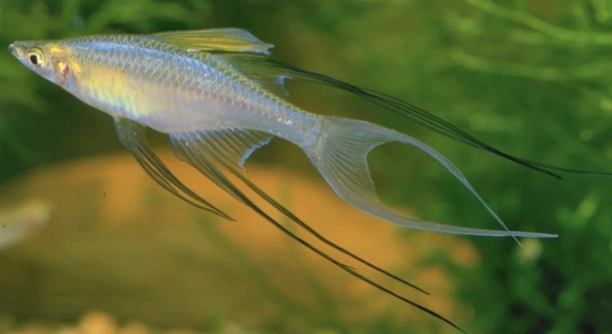
Many aquarists enjoy keeping threadfins because of their peaceful nature and unique swimming patterns. These fish often thrive in well-planned environments, making the right tank setup important for their health and comfort.
Threadfins naturally gravitate toward tanks with open swimming areas, gentle water flow, and strategically placed hiding spots. Including plants, smooth decorations, and appropriate substrate supports their schooling behavior and reduces stress, promoting healthier growth and consistent activity.
Knowing how to arrange your tank can improve your threadfins’ well-being. Small adjustments in layout and décor can make a big difference in their daily behavior.
Open Swimming Spaces
Threadfins feel most comfortable in tanks that allow them to swim freely. Large open areas give them room to move in schools without feeling cramped. Avoid overcrowding decorations or tall plants in the main swimming zone. Smooth rocks or driftwood at the edges create a natural barrier without limiting space. Proper tank size is crucial; a longer tank often works better than a tall one because it allows horizontal swimming, which matches their natural behavior. Keeping water clean and well-oxygenated ensures that their open swimming areas remain safe and inviting. Observing their movement can help determine if the layout works or if adjustments are needed.
Providing open swimming areas encourages natural schooling behavior and reduces stress, promoting healthier and more active fish.
Carefully planning these open spaces helps threadfins thrive. Each area should balance freedom and security, allowing fish to explore while feeling protected from sudden disturbances. Maintaining this balance keeps them confident and healthy.
Gentle Water Flow
Threadfins prefer moderate, gentle currents rather than strong, turbulent water. Too much flow can tire them out or cause stress. Using adjustable filters or strategically placing decorations can soften the water movement while maintaining circulation. Plants and driftwood help diffuse currents, creating calm pockets for resting or schooling together. Gentle water flow also supports oxygenation without overwhelming the fish. Monitoring behavior can indicate if the flow is too strong—if they struggle to swim consistently, adjustments are needed. Tank location and filter type impact overall water movement, so experimenting with positioning can make a noticeable difference.
Moderate water flow keeps threadfins comfortable, supporting natural behavior while ensuring clean, healthy conditions.
Balancing water movement is vital for their long-term health. Strong currents can push fish into hiding, reduce feeding activity, and increase stress hormones. Observing their swimming patterns shows if the environment is suitable. Adding plants or rocks to create sheltered areas helps them rest and reduces energy expenditure. Flow adjustments improve feeding efficiency because fish can approach food naturally without fighting strong currents. Overall, controlling the water movement ensures threadfins remain active and display normal schooling patterns, which is essential for mental and physical well-being. Even subtle changes in flow can positively impact behavior and growth, making it an important consideration in any tank setup.
Strategic Hiding Spots
Threadfins need places to retreat when they feel threatened or want to rest. Rocks, driftwood, and dense plant clusters provide natural hiding spots without making the tank feel crowded. These areas reduce stress and encourage healthy schooling behavior.
Providing multiple hiding options ensures that all fish have access to shelter. Positioning decorations at different tank levels creates variety and allows fish to choose preferred spots. Small caves or overturned pots can mimic natural crevices. Hiding spots near open swimming areas let threadfins quickly dart out and join the group, keeping social dynamics intact. Regularly observing which areas are most used can help you optimize placement. Avoid sharp or rough materials that could injure delicate fins. Ensuring easy access to shelter improves confidence, feeding behavior, and overall well-being, supporting a balanced and active tank environment.
Even minimal additions like a few small rock formations or thick plant clusters can change the tank dynamic. Threadfins feel more secure and explore more freely when hiding spots are thoughtfully placed. Adjusting these spots over time keeps the environment stimulating and safe.
Plant Placement
Live plants benefit threadfins by improving water quality and offering visual barriers. Position tall plants along the tank edges and shorter plants toward the center to maintain open swimming lanes.
Careful plant placement provides both shelter and unobstructed swimming space. Threadfins can weave through plants while maintaining group cohesion. Fast-growing species like hornwort or java fern are ideal because they tolerate gentle water currents and require minimal maintenance. Floating plants reduce light intensity and create shaded areas, which some threadfins prefer. Arranging plants in clusters rather than a uniform line keeps the environment natural and visually appealing. Combining anchored and floating species allows fish to explore different layers, encouraging vertical and horizontal movement. Monitoring plant health is important, as decaying leaves can affect water quality. Rotating plants or trimming them maintains a tidy, functional setup.
Plants can also break up sightlines, reducing aggressive displays if other species share the tank. This balance between shelter and open space helps threadfins feel secure while encouraging natural swimming patterns. Keeping plants healthy ensures consistent oxygenation, cleaner water, and a more comfortable habitat, enhancing their overall activity and growth.
Substrate Choices
Threadfins are comfortable on smooth, fine substrates like sand or small rounded gravel. Rough or sharp materials can damage their delicate fins and discourage natural foraging behavior. Choosing the right substrate supports both health and comfort.
Light-colored substrates help highlight the fish’s colors and make it easier to spot debris. A gentle slope from the back to the front of the tank encourages natural swimming and grazing patterns. Consistent cleaning prevents waste buildup without disturbing the fish.
Moderate Lighting
Avoid harsh lighting that can stress threadfins. Soft, natural-spectrum lights replicate their preferred daylight conditions and support plant growth.
Lighting should balance visibility and comfort. Adjustable timers or dimmers help simulate gradual sunrise and sunset, reducing sudden shocks to their system. Proper lighting enhances their activity levels and color display.
Minimal Decorations
Too many decorations can restrict movement. Using only essential décor like a few rocks, driftwood, or plant clusters maintains open swimming spaces.
Threadfins thrive when they have room to school freely. Overcrowding with ornaments can increase stress, reduce exploration, and limit interaction among fish. Choosing minimal decorations ensures both security and mobility.
FAQ
What is the ideal tank size for threadfins?
Threadfins are active swimmers and need plenty of space. A tank that is at least 55 gallons is recommended for small groups, with longer tanks preferred over taller ones. More space reduces stress, supports natural schooling behavior, and allows them to swim freely without bumping into decorations.
Can threadfins live with other fish?
Yes, but compatibility is important. Threadfins are peaceful, so they do best with other non-aggressive species of similar size. Avoid large, aggressive fish that may nip fins or outcompete them for food. Keeping them in groups of at least five helps them feel secure and display natural behaviors.
How should I arrange plants and decorations?
Place taller plants and driftwood along the edges, keeping open swimming lanes in the center. Use dense clusters in corners or near the back to create hiding spots. Minimal decorations prevent overcrowding while still offering security and visual interest for the fish.
What water parameters do threadfins prefer?
Threadfins thrive in slightly acidic to neutral water with a pH of 6.5 to 7.5. Temperature should be stable, ideally between 74–82°F. Gentle water flow is preferred, and consistent filtration keeps water clean. Regular testing ensures parameters remain within a safe range.
How often should I feed them?
Feed threadfins small amounts two to three times per day. They eat a mix of high-quality flake, pellets, and occasional live or frozen foods. Overfeeding can lead to water quality issues, so remove uneaten food promptly and adjust portions as needed.
Do threadfins need hiding spots?
Yes, hiding spots reduce stress and give fish a place to rest. Use smooth rocks, driftwood, or dense plant clusters. Multiple options at different tank levels let fish choose spots based on comfort and preference, encouraging natural behaviors and reducing competition.
How do I prevent stress in threadfins?
Maintain stable water conditions, avoid sudden temperature changes, and provide open swimming space along with hiding spots. Keep their environment calm and predictable, and monitor for signs of stress like clamped fins, erratic swimming, or reduced appetite.
Can I use artificial plants instead of live ones?
Yes, artificial plants can provide hiding spaces, but they don’t contribute to water quality or oxygenation. Choose smooth, flexible materials to prevent fin damage. Combining artificial plants with minimal live plants can balance aesthetics and functionality.
What kind of substrate works best?
Fine sand or small rounded gravel is ideal. Threadfins can forage safely without risk of injury. Avoid sharp or rough materials that could tear fins. Light-colored substrates also help highlight their natural coloration and make cleaning easier.
How important is tank maintenance?
Regular water changes and filter cleaning are crucial. Clean substrate, remove debris, and monitor water parameters to prevent stress or disease. A consistent maintenance routine keeps threadfins healthy and ensures they display natural schooling and feeding behaviors.
Can threadfins jump out of the tank?
They are generally calm swimmers, but sudden disturbances may cause them to jump. A secure lid or hood helps prevent accidents, keeping them safe while still allowing adequate light and ventilation.
Do threadfins require special lighting?
Soft, natural-spectrum lighting is ideal. Avoid overly bright or harsh lights, which can stress them. Adjustable timers or dimmers help simulate natural day and night cycles, enhancing their activity levels and overall comfort.
How do I know if my threadfins are healthy?
Healthy threadfins are active, swim in coordinated schools, have vibrant coloration, and show a consistent appetite. Watch for changes in behavior, fin condition, or coloration, which may indicate illness or stress. Early detection allows prompt intervention and care.
Can threadfins live long in captivity?
With proper care, threadfins can live several years in captivity. Consistent water quality, suitable tank setup, balanced diet, and minimal stress all contribute to longevity. Providing an environment that mimics their natural behavior is essential for healthy growth.
Are there any common health issues?
Threadfins are generally hardy but can be susceptible to fin rot, stress-related infections, or parasitic infestations if water quality is poor or they are overcrowded. Preventive care, clean conditions, and observation help avoid these issues and maintain a healthy tank.
What is the best way to introduce new threadfins?
Acclimate them slowly using a drip method or floating bag technique to match tank water conditions. Introduce them in groups rather than singly to reduce stress. Monitor closely during the first few days to ensure they adjust well and interact normally with other fish.
How many threadfins should be kept together?
A minimum of five individuals is recommended. Threadfins are schooling fish, and small groups provide security and promote natural behavior. Larger groups are ideal for social interaction, reducing stress and encouraging swimming coordination throughout the tank.
Can threadfins breed in home aquariums?
Breeding in captivity is uncommon and challenging. They require stable water parameters, proper nutrition, and large open spaces. Spawning behavior is rarely observed, and successful rearing of fry requires specialized knowledge and careful tank management.
Do they need supplemental oxygen?
Threadfins do well with standard filtration and gentle water movement, which typically maintains sufficient oxygen. In densely stocked tanks or during extreme heat, additional aeration may be beneficial to prevent oxygen depletion and keep fish comfortable.
How do I prevent aggression in the tank?
Keep compatible species together, avoid overcrowding, and provide plenty of hiding spots. Threadfins are peaceful, so maintaining a calm environment reduces competition and stress, promoting healthy interaction and schooling behavior throughout the group.
Final Thoughts
Threadfins are fascinating fish that bring calm and beauty to any well-planned aquarium. Their natural schooling behavior makes them enjoyable to watch, but they require thoughtful setup to thrive. Providing enough open swimming space is one of the most important considerations. A tank that is too small or overcrowded can stress them and prevent them from exhibiting natural movement patterns. Open areas combined with minimal decorations allow threadfins to swim freely while still having secure places to hide when needed. Driftwood, rocks, and clusters of plants can provide shelter, but these should be carefully arranged to avoid limiting the fish’s main swimming zones. Observing their behavior after making adjustments can help you refine the layout and ensure they feel comfortable.
Water conditions are another key factor for healthy threadfins. They prefer gentle water flow, stable temperatures, and clean, well-oxygenated water. Sudden changes in temperature or water chemistry can cause stress, so regular testing and maintenance are essential. Soft, slightly acidic to neutral water suits them best, and moderate lighting helps replicate natural conditions. Feeding should be consistent and balanced, offering high-quality flakes, pellets, and occasional live or frozen foods. Overfeeding should be avoided because leftover food can deteriorate water quality, which directly affects the fish’s health. Providing multiple hiding spots and monitoring interactions within the group reduces stress and encourages healthy schooling behavior. Paying attention to these details creates a stable environment where threadfins can feel secure and display natural behaviors.
A well-maintained tank with appropriate design, substrate, plants, and water flow ensures threadfins remain active and healthy over the long term. Light-colored, smooth substrate prevents injuries while allowing them to forage naturally. Live or safe artificial plants enhance the tank’s environment and provide shade and shelter without obstructing movement. Keeping decorations minimal but purposeful balances the need for security with the freedom to swim. Regular observation is essential, as it allows you to spot early signs of stress, illness, or behavioral changes. Threadfins thrive in environments that combine security, open space, and clean water. By taking care of these details, you can create a tank that supports their natural tendencies and enhances their overall well-being, resulting in lively, healthy, and visually appealing fish that interact naturally with each other and their surroundings.

Hello,
If you enjoy the content that we create, please consider saying a "Thank You!" by leaving a tip.
Every little bit helps us continue crafting quality advice that supports the health, happiness, and well-being of pets around the world, for pets of all shapes, sizes, and species.
We really appreciate the kindness and support that you show us!