
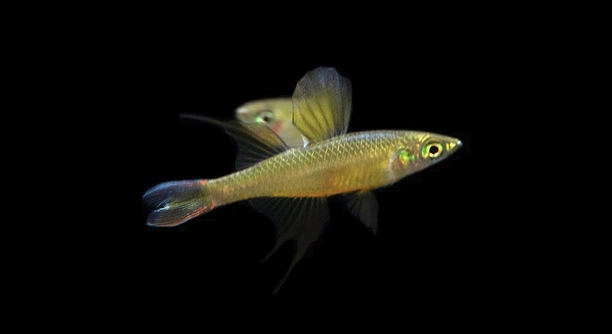
Threadfin Rainbowfish are small, vibrant freshwater fish often kept in home aquariums. Their shimmering scales catch light beautifully, creating reflections across the tank. Observing them can reveal surprising behaviors that may indicate how they respond to their environment.
Threadfin Rainbowfish can become startled by their reflections, perceiving them as other fish. This reaction is a natural response to perceived threats and territorial behavior. Sudden movements or bright reflections can trigger momentary stress or avoidance in these fish.
Recognizing these responses can help maintain a calm and balanced aquarium environment. Understanding their behavior promotes healthier, less stressful conditions for your Rainbowfish.
Understanding Reflections and Fish Behavior
Reflections in aquariums can be more noticeable than expected, especially for Threadfin Rainbowfish. Their reflective scales make light bounce across the tank, sometimes creating mirror-like effects. These reflections can confuse the fish, leading them to perceive a reflection as another fish entering their territory. When this happens, the fish may dart quickly, flare their fins, or swim frantically. Over time, repeated exposure to strong reflections can cause stress, affecting feeding and social interactions. Adjusting the lighting or using backgrounds to reduce reflective surfaces can help. Observing the fish closely during these moments allows you to identify patterns in behavior, such as times of day when reflections are strongest. Tank placement, light angles, and even the type of glass can influence how noticeable reflections are. By creating a more stable environment, the fish will exhibit calmer behavior, improving both their health and the visual enjoyment of the aquarium.
Reflections can trigger quick, startled movements that are temporary but noticeable.
Minimizing reflections involves practical steps. Use tank backgrounds, adjust lighting angles, or diffuse sunlight entering the room. Consistent, gentle lighting keeps Threadfin Rainbowfish calm. Some aquarists add plants or decorations near glass surfaces to break up reflections and provide hiding spots. Over time, the fish learn to navigate their tank with less stress, responding naturally rather than reacting to mirrored images. Observing these adjustments allows you to see which techniques reduce anxiety most effectively, creating a more serene environment for the fish while maintaining their display qualities.
Practical Steps to Reduce Stress
Providing a consistent environment is key. Threadfin Rainbowfish respond better when reflections are minimized and predictable.
To reduce stress, start by assessing where reflections are strongest in the tank. Covering one or more sides of the aquarium with opaque backgrounds can prevent sudden flashes of mirrored movement. Adjusting the light source or diffusing it with a shade or curtain reduces sharp glare that startles the fish. Adding floating or anchored plants creates visual barriers that break up reflections naturally, allowing fish to swim without seeing constant mirrored images. Even small decorations or rocks near the glass can help. Regular observation is important; note when the fish become startled and correlate it with light conditions or tank placement. Over time, you will notice calmer behavior, improved feeding habits, and a more balanced social structure among the fish. Reducing visual stressors not only benefits their mental well-being but also enhances the overall aesthetic of the aquarium.
Signs Your Threadfin Rainbowfish is Stressed
Startled movements, flared fins, and sudden swimming bursts are common signs of stress caused by reflections. Fish may hide more frequently or avoid areas of the tank where light creates strong reflections, indicating discomfort.
Observing their daily behavior is important. When reflections are present, stressed Threadfin Rainbowfish may isolate themselves or swim erratically. Feeding routines can also be affected, as stressed fish often eat less or at irregular times. Overexposure to reflections can lead to prolonged anxiety, impacting growth and immune function. Small adjustments in lighting, tank placement, or decoration placement can significantly reduce these behaviors and promote a calmer, more balanced aquarium environment.
Behavior patterns vary depending on the individual fish. Some adapt quickly, while others remain sensitive to reflections. Providing hiding spaces and visual barriers helps reduce stress and allows them to explore the tank confidently. Regular monitoring ensures their environment remains suitable.
Adjusting Tank Conditions
Control lighting carefully to reduce sharp reflections that trigger fear responses. Avoid direct sunlight and bright overhead lights near reflective surfaces.
Using diffused lighting, repositioning lamps, or installing shaded areas allows the fish to navigate the tank comfortably. Adding plants, rocks, and decorations near glass surfaces creates visual breaks, minimizing sudden mirrored images. Observing how fish respond to these changes helps determine the most effective setup. Adjusting tank conditions gradually ensures the Threadfin Rainbowfish adapt without additional stress. Consistency in lighting schedules and tank layout supports calmer behavior, reduces territorial disputes, and improves overall health. Implementing these measures allows the fish to remain active, confident, and visually striking within a safe and stable environment.
Creating Safe Hiding Spaces
Threadfin Rainbowfish feel more secure with areas to retreat when startled. Plants, rocks, or aquarium decorations provide shelter and reduce exposure to reflections.
Even simple additions like floating plants or small caves help fish stay calm. These spaces give them control over their environment and reduce stress-related behaviors.
Monitoring Reflection Hotspots
Identify where light hits the tank most intensely, creating mirrored surfaces. Observing the fish during peak reflection times helps pinpoint problem areas. Adjusting lighting angles or adding barriers in these spots reduces sudden startle responses and maintains calmer behavior throughout the day.
Using Subtle Lighting
Bright, direct lighting can worsen stress. Opt for soft or diffused light to minimize reflections and keep the fish comfortable.
FAQ
Do Threadfin Rainbowfish always get startled by reflections?
Not all Threadfin Rainbowfish react the same way. Some fish may quickly adapt to reflections, especially if they have consistent tank conditions. Others remain sensitive, reacting to sudden light changes or mirrored images. Individual temperament, previous experiences, and tank setup all influence their response. Providing visual barriers and hiding spots can reduce these reactions over time.
How can I tell if my Rainbowfish is stressed?
Signs of stress include darting movements, flared fins, hiding frequently, and irregular feeding. Fish may avoid parts of the tank where reflections are strongest. Long-term stress can affect growth and health, so it’s important to monitor behavior daily and make adjustments to lighting or tank décor when necessary.
What lighting is best for minimizing reflections?
Soft, diffused lighting works best. Avoid direct sunlight and bright overhead lights that hit glass surfaces at sharp angles. Using shaded lamps, LED lights with adjustable intensity, or diffusers can reduce glare and sudden mirrored images, creating a calmer environment for the fish.
Are tank decorations effective in reducing stress?
Yes. Plants, rocks, or aquarium ornaments break up reflections and provide hiding spaces. Even floating plants can help, giving the fish control over their surroundings. Properly placed decorations reduce territorial disputes and prevent the fish from overreacting to their mirrored images.
Can reflections affect feeding habits?
Reflections may cause temporary hesitation during feeding, as startled fish may hide or swim erratically. Consistent tank conditions, gradual lighting changes, and reduced mirrored surfaces encourage normal feeding patterns and prevent stress-related disruptions.
Do all fish in the same tank react similarly?
No. Fish personalities differ. Some may ignore reflections entirely, while others react strongly. Observing each fish individually helps identify who is stressed. Adjusting tank layout or providing additional hiding spots can accommodate different comfort levels among fish.
Is stress from reflections harmful long-term?
Prolonged stress can impact growth, immune function, and social behavior. Fish exposed to frequent startle responses may eat less, show weaker colors, or have increased susceptibility to disease. Reducing reflections and providing hiding spaces prevents chronic stress and supports overall health.
How quickly do Rainbowfish adapt to new tank conditions?
Adaptation varies. Some adjust within days, while others may take weeks. Gradual changes in lighting, decorations, and tank layout help fish feel secure and reduce the frequency of startled responses. Consistent observation ensures the environment supports their comfort and well-being.
Are mirrors recommended in a Rainbowfish tank?
Mirrors are generally not recommended, as reflections can create stress rather than enrichment. If used for short-term observation, ensure exposure is limited and monitor the fish for signs of anxiety. Most owners find natural decorations and plants more effective for mental stimulation and security.
Can changing tank location help reduce reflections?
Yes. Positioning the tank away from direct sunlight, bright windows, or reflective surfaces reduces sudden mirrored images. Minor adjustments in room lighting or tank orientation can have a significant effect on fish behavior and overall tank calmness.
What is the best way to introduce new decorations?
Introduce decorations gradually to avoid startling the fish. Add plants or rocks one at a time and observe how the fish respond. This allows you to determine which items reduce stress most effectively and ensures the environment remains stable while accommodating their needs.
How often should I observe my fish for stress signs?
Daily observation is ideal. Noticing changes in swimming patterns, fin display, or feeding habits early allows for prompt adjustments. Keeping a log of behavior under different lighting and tank conditions can help identify triggers and optimize the aquarium setup.
Can other fish species influence Rainbowfish reactions to reflections?
Yes. Tankmates may react differently to reflections, which can influence Rainbowfish behavior. Aggressive or territorial species can increase startle responses. Maintaining a compatible community with calm fish reduces overall stress and creates a more harmonious tank environment.
Do reflections ever benefit Threadfin Rainbowfish?
Occasional exposure may stimulate curiosity or minor activity, but prolonged or intense reflections usually increase stress. Focus on consistent lighting, visual barriers, and secure hiding spaces for long-term comfort and health.
Are there signs that my tank setup is helping?
Calmer swimming, regular feeding, vibrant colors, and less hiding indicate a positive environment. When reflections are minimized and fish feel secure, they display natural behavior and interact confidently with tankmates, signaling that adjustments are effective.
How do I balance lighting for visibility and stress reduction?
Use soft lighting to showcase the fish while avoiding glare. Diffusers, shaded lamps, or low-intensity LEDs provide visibility without creating harsh reflections. Regular observation ensures that lighting promotes both aesthetic appeal and the well-being of the fish.
Can stress from reflections be completely eliminated?
It may not be fully eliminated, but it can be significantly reduced. Consistent lighting, thoughtful tank layout, hiding spots, and visual barriers minimize startle responses. Monitoring behavior and making gradual adjustments helps maintain a calm and healthy environment.
How long does it take to see improvements?
Improvements can be seen within days to weeks depending on the fish and the changes made. Gradual implementation of stress-reducing measures and careful observation ensures sustainable results. Calmer behavior, improved feeding, and natural swimming patterns indicate successful adjustments.
Are there any tools to monitor stress in aquariums?
Observation is the most reliable tool. Video recording or keeping a behavioral log helps track responses to reflections, lighting changes, and tank layout. These records guide adjustments and provide insight into which strategies reduce stress most effectively.
Can reflection stress affect breeding?
Yes. Stress can interfere with spawning behavior and reduce reproductive success. Maintaining calm conditions, reducing reflections, and providing hiding spots create a secure environment conducive to breeding and overall health.
How important is tank maintenance in reducing stress?
Clean water and regular maintenance complement other stress-reducing measures. Poor water quality can amplify stress responses, making fish more reactive to reflections. Consistent care ensures fish remain healthy and resilient to environmental triggers.
What should I do if stress persists despite adjustments?
Consulting experienced aquarists or veterinarians can help identify overlooked factors. Persistent stress may indicate underlying issues, such as water quality, tankmates, or health problems. Addressing these ensures the Threadfin Rainbowfish thrive in a secure and comfortable environment.
This FAQ provides guidance on recognizing, preventing, and minimizing stress from reflections, helping Threadfin Rainbowfish maintain healthy behavior and well-being.
Word count: 508
Final Thoughts
Threadfin Rainbowfish are lively, colorful fish that can brighten any aquarium. Their shimmering scales and energetic movements make them enjoyable to watch, but their behavior can be easily influenced by their surroundings. Reflections in the tank, caused by glass, lighting, or nearby surfaces, can startle these fish. When a Rainbowfish sees its own reflection, it may mistake it for another fish entering its territory. This natural instinct can trigger sudden swimming bursts, flared fins, and attempts to chase away the perceived intruder. Over time, frequent exposure to reflections may lead to stress, affecting feeding habits, growth, and overall health. Being aware of how reflections impact behavior allows aquarists to create a more stable and comfortable environment. Small adjustments in lighting, tank placement, and décor can have a significant effect on reducing stress, ensuring that the Rainbowfish remain active and healthy. Observing their behavior consistently helps identify which areas or conditions cause discomfort, making it easier to address potential problems before they escalate.
Providing visual barriers and hiding spots is an effective way to reduce stress caused by reflections. Plants, rocks, and decorative items create safe areas for fish to retreat when startled. Even simple additions, such as floating plants or small caves, can make a noticeable difference. These elements not only break up reflections but also provide the fish with a sense of control over their environment. A tank designed with careful consideration for hiding spaces and visual barriers encourages natural, relaxed behavior. Fish that feel secure are more likely to swim confidently, interact with tankmates appropriately, and feed consistently. Adjusting lighting intensity and angle is another key factor in reducing startle responses. Soft, diffused light minimizes glare and mirror-like effects, preventing sudden moments that might frighten the fish. Over time, these measures create a calmer aquarium where the Rainbowfish can thrive, allowing both the fish and the owner to enjoy a peaceful and engaging display.
Consistency in tank conditions plays a central role in maintaining the well-being of Threadfin Rainbowfish. Gradual changes in lighting, decorations, and tank layout allow the fish to adapt without added stress. Observing their responses to these adjustments ensures that the environment supports their comfort. Fish may vary in sensitivity; some adapt quickly to new setups, while others remain cautious. Patience is important when making changes, as repeated, sudden disturbances can increase anxiety. Monitoring feeding habits, swimming patterns, and social behavior helps track whether stress levels are improving. Over time, these small efforts build a stable, comfortable habitat where the Rainbowfish can display their natural colors and behavior. By carefully considering reflections, hiding spaces, lighting, and overall tank management, aquarists can provide an environment that promotes healthy, confident, and stress-free fish. Thoughtful care and observation make a meaningful difference in the long-term health and happiness of Threadfin Rainbowfish in any home aquarium.
Word count: 411

Hello,
If you enjoy the content that we create, please consider saying a "Thank You!" by leaving a tip.
Every little bit helps us continue crafting quality advice that supports the health, happiness, and well-being of pets around the world, for pets of all shapes, sizes, and species.
We really appreciate the kindness and support that you show us!