
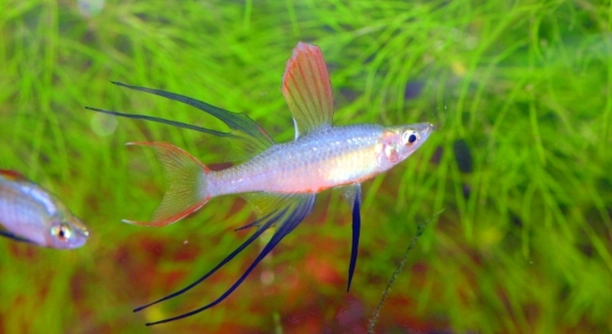
Threadfin Rainbowfish are small, colorful freshwater fish that many aquarists enjoy keeping. Relocating them to a new tank can be stressful, so it is important to handle the process carefully and with patience to ensure their well-being.
Threadfin Rainbowfish handle tank relocation best when moved gradually, maintaining stable water conditions. Proper acclimation, gentle transport, and minimizing sudden environmental changes reduce stress and help preserve health, behavior, and overall adaptation to their new aquatic habitat.
Proper planning and careful steps during relocation can make a significant difference in the fish’s adjustment and long-term health in a new tank.
Preparing Your Tank for Relocation
Before moving your Threadfin Rainbowfish, it’s essential to make sure the new tank is fully ready. Check that the water temperature, pH, and hardness match their current environment. Clean the tank thoroughly, including decorations and substrate, to prevent introducing harmful bacteria. Make sure the filter is properly installed and functioning, and allow it to run for several hours before adding the fish. Adding plants or hiding spots helps the fish feel secure and reduces stress. Lighting should be similar to their previous tank to avoid sudden shock. Organize everything so that the tank is fully operational before the transfer. Having a stable, familiar environment ready is key to keeping your fish calm and healthy during the move. Preparing in advance ensures that the transition is smooth and reduces the risk of illness or erratic behavior caused by environmental changes.
A tank that is carefully prepared supports faster acclimation and lowers stress for the Threadfin Rainbowfish during relocation.
Monitoring water quality closely after relocation is important. Check parameters such as ammonia, nitrite, and nitrate daily for the first week. Introduce the fish gradually, allowing them to explore their new environment without sudden disturbances. Avoid overfeeding, as stress can reduce their appetite. Providing stable conditions encourages natural behavior and helps the fish regain confidence in their surroundings. Consistency in water quality, temperature, and lighting helps prevent stress-related issues, making the relocation process much smoother. Observing their activity, color, and interaction with other tank mates gives insight into how well they are adjusting. Small adjustments, like adding additional plants or hiding places, can make them feel more secure. Paying attention to these details during the initial days ensures a healthier transition and supports the long-term well-being of the Threadfin Rainbowfish in their new home.
Transporting Threadfin Rainbowfish
Use a sturdy, clean container with enough water from the original tank to transport your fish safely. Limit movement to prevent injury.
When moving the fish, keep the water temperature stable to reduce stress. Gradually acclimate the fish to the new tank by floating the transport container in the tank for 15–30 minutes. Slowly add small amounts of tank water to the container every few minutes. This allows the fish to adjust to any minor differences in water chemistry. Avoid sudden exposure to new lighting or strong currents, as this can shock the fish. Gentle handling and minimizing time outside the water are important. Once introduced, allow the fish to settle without disturbance. Observing their behavior over the next few hours ensures they are adjusting properly. This careful process reduces stress, maintains health, and helps your Threadfin Rainbowfish feel comfortable in their new tank environment.
Acclimating After Relocation
Acclimation is key for Threadfin Rainbowfish. Keep the lights dim and avoid sudden movements around the tank. Monitor their behavior closely and maintain stable water parameters to help them adjust calmly and safely.
Gradual acclimation helps reduce stress and prevent illness. Start by keeping the water temperature, pH, and hardness consistent with their previous tank. Introduce small portions of food at first, observing appetite and activity. Avoid overcrowding or adding new fish immediately, as this can overwhelm them. Providing plenty of hiding spots with plants or decorations allows the fish to feel secure while exploring the new environment. Keep interactions minimal to let them settle naturally. Maintaining a calm, stable environment promotes better health and faster adaptation to the new tank.
Observe coloration and swimming patterns daily. Any sudden changes may indicate stress or water quality issues. Adjusting lighting gradually and maintaining consistent feeding routines helps the fish regain confidence. Be patient, as full acclimation can take several days to weeks. Regularly check water parameters to prevent ammonia or nitrite spikes. Offering enrichment, such as gentle water flow and plant coverage, encourages natural behavior. Consistent observation allows timely intervention if issues arise. By staying attentive and patient, you support your Threadfin Rainbowfish in establishing comfort and stability in their new surroundings.
Minimizing Stress During Relocation
Stress can weaken immune systems and cause illness in Threadfin Rainbowfish. Avoid sudden movements, loud noises, or rapid water changes during the relocation process.
Using slow, deliberate handling techniques is critical. During transport, keep fish in a well-aerated container and avoid overcrowding. Float the container in the new tank before release to equalize temperature. Reduce light intensity temporarily to prevent shock, and maintain gentle water flow to mimic familiar currents. Monitor behavior closely; hiding, erratic swimming, or rapid gill movement are signs of stress. Small, consistent feedings help maintain energy and reduce vulnerability. Providing familiar decor, plants, and secure spaces can ease the transition. Following these steps lowers stress, promotes health, and ensures Threadfin Rainbowfish adjust successfully to their new environment.
Water Quality Checks
Regular water checks are essential after relocating Threadfin Rainbowfish. Monitor temperature, pH, ammonia, nitrite, and nitrate levels daily to ensure a stable environment. Sudden changes can cause stress or illness, so keeping conditions consistent is critical for their health.
Frequent partial water changes help maintain water quality. Remove 10–20% of the water every few days during the first week. Use dechlorinated water at the same temperature to prevent shock. Clean filters and substrate gently without disrupting beneficial bacteria. Observing water clarity and odor can provide quick insight into tank conditions. Maintaining clean, stable water supports healthy fish behavior, reduces stress, and prevents diseases commonly triggered by relocation.
Feeding Adjustments
Reduce feeding slightly for the first few days. Offer small, frequent portions to prevent overfeeding while fish acclimate.
Monitoring Behavior
Watch swimming patterns and interactions closely. Changes in activity, appetite, or color may indicate stress or health issues, allowing timely adjustments.
FAQ
How long should Threadfin Rainbowfish take to acclimate after relocation?
Acclimation varies, but generally, it takes about a week for most fish to adjust. Some may show signs of stress for a few days, while others adapt more quickly. Keeping water parameters stable, minimizing disturbances, and providing hiding spots can shorten this adjustment period. Monitor feeding, activity, and coloration closely to assess progress.
Can I move multiple fish at once?
Yes, but avoid overcrowding the transport container. Crowding increases stress and can lead to injury or water quality issues. Use separate containers for larger groups or ensure adequate oxygenation and water volume. Introduce the fish gradually into the new tank to reduce sudden environmental shock.
Should I turn off the filter during relocation?
Filters should be off only during water transfer if necessary, but avoid leaving them off for long periods. A running filter helps maintain water quality and supports beneficial bacteria. After moving the fish, restart filtration immediately and ensure proper flow.
How much water should I transport with the fish?
Transporting fish with 50–70% of the tank water helps maintain familiar chemistry. Use a clean, sturdy container and avoid spilling. This water helps reduce stress by keeping temperature, pH, and hardness close to their original environment.
Is it necessary to dim the lights during acclimation?
Yes, dimming lights reduces stress. Bright lighting can shock fish in a new environment. Gradually increase light intensity over several days to allow the fish to adjust without causing erratic swimming or hiding behavior.
What signs indicate stress in Threadfin Rainbowfish?
Common stress signs include rapid gill movement, hiding, clamped fins, pale coloration, or erratic swimming. Loss of appetite or aggression toward tank mates can also occur. Observing these behaviors early allows timely intervention and prevents health problems.
Should I feed my fish during transport?
Avoid feeding during short transports. Food can decompose quickly in small containers, reducing oxygen and water quality. Resume feeding once the fish are settled in the new tank. Offer small portions initially to prevent overfeeding and digestive stress.
Can relocation cause disease?
Relocation itself does not cause disease, but stress weakens immunity and makes fish more susceptible. Maintaining clean water, stable conditions, and careful handling reduces the risk of infection. Quarantining new fish or introducing additional tankmates slowly further protects their health.
How often should I check water quality after relocation?
Daily checks for temperature, pH, ammonia, nitrite, and nitrate are recommended for the first week. Partial water changes help maintain stability, and monitoring fish behavior gives additional insight into water conditions. Once the fish are settled, testing can return to a normal weekly schedule.
Is it necessary to rearrange the tank decorations?
Avoid major rearrangements during acclimation. Sudden changes can stress fish. Gradual adjustments can be made later once they are comfortable. Providing familiar hiding spots and plant coverage supports natural behavior and encourages exploration without unnecessary anxiety.
How do I prevent aggression after relocation?
Introduce the fish gradually and provide plenty of space. Hiding spots reduce conflicts, and avoiding overcrowding helps maintain peaceful interactions. Monitor behavior closely, and separate any aggressive individuals if needed to protect their health and reduce stress.
Can Threadfin Rainbowfish adjust to a new diet after relocation?
Yes, but do so gradually. Sudden diet changes can upset their digestive system. Offer familiar foods first, then slowly introduce new options over several days. Monitoring appetite ensures proper nutrition and reduces stress during the transition.
How long should I observe the fish closely after relocation?
Closely monitoring for at least one to two weeks is advisable. This period allows you to detect stress, illness, or behavioral issues early. Adjust water parameters, feeding routines, or tank setup as needed to support a smooth adaptation.
Is quarantining necessary before relocating?
Quarantining is recommended for new fish or if there are signs of illness. It prevents transferring disease to the main tank. Maintain stable water conditions during quarantine and observe for stress or health issues before moving fish to their permanent home.
What is the best way to introduce new tankmates after relocation?
Introduce new fish gradually and at similar sizes. Maintain stable water conditions and provide hiding places. Avoid sudden introduction immediately after relocation, as stressed fish are more vulnerable to aggression or disease. Gradual acclimation helps all fish adjust safely.
This FAQ addresses common concerns during relocation and provides practical guidance for maintaining Threadfin Rainbowfish health and well-being. Proper acclimation, careful monitoring, and consistent care ensure they adjust smoothly to their new environment without unnecessary stress or risk.
Final Thoughts
Relocating Threadfin Rainbowfish requires careful planning and patience. Ensuring that both the transport process and the new tank environment are stable can make a significant difference in how well the fish adjust. Sudden changes in temperature, water chemistry, or lighting can stress the fish, leading to behavioral issues or health problems. By taking the time to prepare the new tank in advance, you give the fish a familiar and safe environment to settle into. This includes checking the water temperature, pH, hardness, and making sure the filter and aeration systems are working properly. Adding plants, hiding spots, and gentle lighting helps create a sense of security, which is essential during this transition period.
Acclimation is a gradual process, and observing the fish closely during the first few days is critical. Paying attention to swimming patterns, appetite, and coloration can indicate how well they are adapting. Stress often shows through unusual behavior such as hiding, clamped fins, or erratic swimming. Offering small, frequent feedings and avoiding sudden disturbances can help them regain confidence. It is also important to maintain consistent water quality, performing partial water changes if necessary while avoiding drastic shifts in parameters. Patience is key, as the fish may take a week or more to fully adjust to their new surroundings. Consistent monitoring during this time ensures that any issues are addressed quickly, reducing the risk of long-term problems.
Finally, minimizing stress and providing a stable environment during and after relocation sets the foundation for the long-term health of your Threadfin Rainbowfish. Gradual introductions, careful handling, and maintaining familiar conditions help reduce anxiety and prevent disease. Over time, the fish will establish routines and regain their normal behavior, exploring the tank, interacting with tankmates, and feeding regularly. Paying attention to these details not only helps the fish adjust but also allows you to enjoy a thriving and visually vibrant aquarium. A thoughtful and careful approach ensures the well-being of the fish and promotes a healthy, balanced aquatic environment where they can continue to flourish.

Hello,
If you enjoy the content that we create, please consider saying a "Thank You!" by leaving a tip.
Every little bit helps us continue crafting quality advice that supports the health, happiness, and well-being of pets around the world, for pets of all shapes, sizes, and species.
We really appreciate the kindness and support that you show us!