
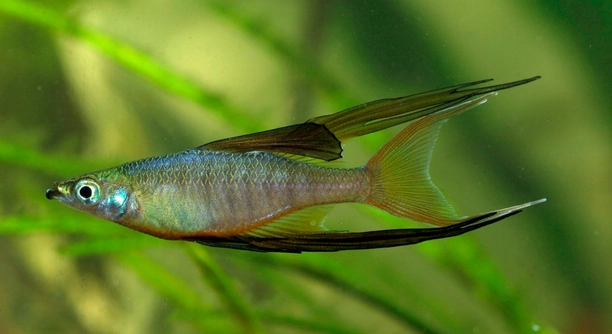
Threadfin Rainbowfish are lively little fish that bring color and motion to any freshwater tank. Watching them glide through the water can be calming, and their behavior around bubbles and air stones is often quite engaging.
Threadfin Rainbowfish interact with air stones by swimming near or through the rising bubbles. This behavior provides gentle stimulation and exercise, encourages natural swimming patterns, and helps maintain healthy oxygen levels in the aquarium, supporting overall fish well-being.
Observing their playful encounters with air stones offers insight into their natural instincts and adds a lively element to the aquarium environment.
Understanding Air Stone Effects on Threadfin Rainbowfish
Threadfin Rainbowfish often gather around air stones, not just for oxygen but for interaction. The rising bubbles create currents that the fish naturally enjoy, allowing them to swim in varied patterns and maintain agility. I’ve noticed that when I first added a small air stone to my tank, the fish became noticeably more active. They dart around, sometimes jumping through the streams of bubbles, which seems to give them gentle exercise. These interactions also reduce stress, as the fish have areas to explore and respond to changing water currents. Maintaining a properly positioned air stone ensures that all fish can benefit, regardless of size or temperament. Over time, watching their movement helps you understand individual personalities. Some prefer staying near the bubbles, while others explore around them. Observing these differences allows for better tank management and ensures that every fish remains healthy and engaged in a stimulating environment.
Air stones increase oxygen circulation, which keeps Threadfin Rainbowfish healthier and more energetic, supporting their daily activity and natural behavior patterns.
When you introduce an air stone, placement matters. It should be in a location that does not disturb plants or decorations but still reaches most areas of the tank. Proper positioning ensures bubbles disperse evenly, giving the fish multiple spots to interact with. Over time, I adjusted mine to create gentle currents rather than a strong, constant flow, which seemed to encourage more playful swimming without causing stress. Watching their reaction helps in fine-tuning the setup, ensuring the tank remains balanced, both for oxygen distribution and fish comfort.
Bubble Patterns and Fish Behavior
Threadfin Rainbowfish respond differently to varying bubble patterns from air stones.
Smaller, gentle bubbles tend to attract more fish, while stronger streams create temporary barriers. In my experience, the fish often chase slower bubbles, swimming through them repeatedly, which promotes movement and reduces boredom. Rapid streams can stress some fish, causing them to avoid the area entirely. Adjusting the air stone output allows for natural, observable behavior, creating a dynamic environment. Watching these reactions provides insight into their preferences and energy levels.
Observing bubble patterns can also reveal individual tendencies. Some fish are more curious, often investigating new currents, while others stick to calmer zones, preferring minimal disturbance. Using multiple air stones with varied outputs creates diverse swimming areas, which reduces competition and aggression. It also encourages exploration, helping shy fish become more active. Monitoring these behaviors allows for better tank adjustments, ensuring every fish receives stimulation without stress. Over time, you can even predict which areas your fish will favor, letting you manage feeding, decorations, and tank maintenance more effectively. Adjustments in bubble intensity and placement can make a noticeable difference in fish interaction and overall tank harmony.
Placement Tips for Air Stones
Placing an air stone near the center of the tank lets bubbles reach more fish. Avoid corners where debris collects, as it can block airflow. Experimenting with height and orientation helps find the most effective spot for consistent oxygen circulation.
Positioning air stones properly ensures Threadfin Rainbowfish can swim through bubbles comfortably. In my tank, moving one slightly off-center created gentle currents that encouraged fish to explore new areas. Some fish preferred staying near the bubbles, while others used them as a play area. Observing their response helped me adjust the flow, preventing overly strong currents that stressed the more timid fish. Proper placement also prevents bubbles from disturbing floating plants or decorations, keeping the aquarium balanced. It’s a small adjustment, but it impacts fish behavior and overall tank health significantly.
Height and orientation of air stones affect current patterns. I noticed that angling one stone slightly upward created a wider bubble column, giving fish more space to interact. Alternating stone sizes and placement can provide variety in the tank, ensuring that both shy and active fish have zones they enjoy. I sometimes swap positions between tanks to see how fish adapt, which also keeps them engaged. Correct placement also reduces stagnant areas, improving oxygen distribution. These simple adjustments make a noticeable difference in fish activity and energy, creating a healthier environment without complicated equipment or changes.
Monitoring Fish Interaction
Watching how Threadfin Rainbowfish engage with bubbles helps track their well-being. Active swimming and playful darting indicate healthy oxygen levels and minimal stress.
I often spend time observing the subtle differences between fish. Some chase the bubbles vigorously, while others hover nearby, using the currents for gentle exercise. This behavior shows individual preferences and comfort levels. Adjusting air stone output based on these observations prevents stress and ensures that all fish benefit from stimulation. Over time, I can see which areas of the tank are most frequented and make small changes to maintain balance. Tracking interactions also helps detect early signs of fatigue or illness.
Monitoring interaction patterns informs maintenance decisions. If fish avoid a bubble stream, I adjust flow or placement. Multiple stones with varied outputs create zones for different activity levels. Shy fish gain confidence near gentle bubbles, while more active fish enjoy faster currents. Observing their daily routines shows how they use oxygen-rich areas, which can guide feeding times and tank cleaning. I record changes in activity after adding plants or decorations to ensure the environment stays engaging. Consistent monitoring helps maintain healthy behavior and prevents overcrowding around air stones, creating a calmer, more balanced tank ecosystem.
Adjusting Bubble Strength
Gentle bubbles are usually best for Threadfin Rainbowfish, encouraging playful swimming without causing stress. Strong currents can make timid fish avoid the area or become overly fatigued, so it’s important to find a balance that keeps all fish comfortable.
I noticed that slowly increasing airflow over several days allowed my fish to adjust naturally. Rapid bursts often startled them, causing erratic swimming. A steady, moderate bubble output creates a consistent environment that the fish seem to enjoy. Observing their reactions daily helps me fine-tune the strength, ensuring energetic fish can play while shy fish remain calm and safe.
Seasonal Changes and Air Stone Use
Seasonal temperature and water changes can impact how Threadfin Rainbowfish interact with air stones. Warmer water holds less oxygen, so slightly stronger airflow may be needed.
Choosing the Right Air Stone
Smaller stones create delicate bubble streams, while larger stones produce wider currents. Selecting the right size depends on tank layout, fish activity, and the type of plants present.
FAQ
How often should I check my air stone?
I check mine weekly to ensure it isn’t clogged with debris or algae. A clean air stone provides consistent bubbles and proper oxygen flow. If airflow slows, it may need soaking or replacement, depending on its material.
Can Threadfin Rainbowfish get stressed by bubbles?
Yes, strong or constant currents can stress them, especially timid individuals. I noticed that reducing airflow slightly allowed shy fish to explore without fear, while more active fish still enjoyed swimming through the bubbles. Gentle, steady bubbles are usually best.
Do I need more than one air stone for a medium tank?
It depends on tank size and fish activity. In my 20-gallon tank, two small air stones created enough gentle currents to cover all corners. Using multiple stones also prevents overcrowding and gives shy fish safe zones.
Will air stones disturb plants or decorations?
Placement matters. Strong currents can uproot plants or shift lightweight decorations. I angle stones to create bubbles near open swimming areas rather than directly under plants. This keeps plants stable and provides natural interaction for the fish.
How do I clean an air stone without damaging it?
Soaking it in warm water with a bit of vinegar usually works. Avoid harsh scrubbing, which can damage the pores. I rinse mine thoroughly afterward and let it air dry before reconnecting to the pump.
Can air stones improve fish health?
Yes, oxygen circulation supports metabolism, growth, and overall well-being. I’ve noticed my fish are more active and vibrant when bubbles reach all areas of the tank consistently. Healthy oxygen levels reduce stress and help prevent disease.
Do all Threadfin Rainbowfish interact with air stones the same way?
Not at all. Some love chasing bubbles, while others hover nearby for gentle stimulation. I watch daily to understand each fish’s behavior, adjusting bubble strength or stone placement accordingly to suit their individual preferences.
Is it okay to leave the air stone on overnight?
Yes, as long as the fish aren’t stressed by constant bubbles. I usually keep mine running 24/7 because it maintains oxygen levels, especially during warmer nights when water holds less oxygen.
Should I change air stones regularly?
Over time, stones can clog or wear down. I replace mine every six months to ensure consistent bubble quality. Regular monitoring helps me know when a stone needs replacing before it affects water flow or oxygen levels.
Can air stones prevent tank stagnation?
Absolutely. Gentle bubbles improve water circulation, preventing debris from settling in corners. I’ve found that adding air stones reduces dead zones and helps maintain a balanced, healthy tank environment.
Will air stones make my fish more active?
Yes, the currents encourage swimming and exploration. My fish often dart through bubbles repeatedly, which seems to provide natural exercise and reduces boredom. Observing them helps me adjust placement to encourage balanced activity throughout the tank.
How do I know if the bubble strength is right?
Watch the fish’s reaction. If they seem stressed, avoid the bubbles, or swim erratically, the flow is too strong. Gentle streams that fish approach willingly usually indicate the right strength. I adjust slowly and monitor behavior daily.
Can air stones be used in planted tanks?
Yes, but placement is important. I position stones where bubbles won’t uproot plants or disturb delicate leaves. Proper airflow can even help nutrients circulate in the substrate without harming the plants.
Are there different types of air stones?
Yes. Ceramic stones produce fine bubbles, while plastic or resin types can generate larger streams. I choose based on tank size, fish activity, and the desired current pattern, sometimes using a combination for variety.
Do air stones affect water temperature?
Not significantly. I haven’t noticed any temperature changes from running stones, but the slight movement they create can prevent small pockets of stagnant water, promoting even temperature distribution.
Can air stones help shy fish become more confident?
Yes, gentle bubbles provide exploration areas without competition from aggressive fish. I’ve seen timid fish gradually swim through low-strength currents, gaining confidence and increasing activity over time.
Is maintenance difficult for multiple air stones?
It requires a bit more attention. I keep a schedule to check each stone for clogs or wear, adjusting airflow as needed. Proper placement and regular cleaning make multiple stones manageable while benefiting all fish.
Will air stones make my fish jump more?
Occasionally, yes. I’ve seen them leap through bubbles, especially younger, active fish. Keeping a secure lid prevents accidents while letting them enjoy this playful behavior safely.
How do I choose the right size for my tank?
Consider tank volume, fish activity, and placement. In my experience, smaller tanks do well with one or two small stones, while larger tanks benefit from multiple stones for even oxygen distribution. Observing fish behavior helps fine-tune size choice.
Do air stones impact feeding behavior?
They can. Some fish swim around bubbles while eating, which may slow feeding initially. I sometimes feed near calmer areas to ensure all fish get enough food while still enjoying bubble interaction.
Can I use air stones with a filter?
Yes, combining them improves circulation. I place the air stone on the opposite side of the filter to create balanced currents, ensuring oxygen reaches all areas without disturbing the fish.
Are there risks to using air stones?
Only if bubbles are too strong or stones are dirty. Monitoring output and cleaning regularly prevents stress or poor water quality. I always check behavior after adjusting airflow to avoid any negative impact.
Do air stones help with aquarium cleaning?
Indirectly, yes. Better circulation prevents debris buildup in corners, making routine cleaning easier. I’ve noticed less stagnant material near decorations and substrate since adding a well-placed stone.
Will different bubble patterns affect fish differently?
Yes. Gentle, consistent streams attract more fish, while fast, turbulent bubbles may discourage timid individuals. I alternate stone types and outputs to create areas for both active and shy fish to interact safely.
Can air stones reduce algae growth?
Not directly, but improved circulation prevents stagnant water pockets where algae thrive. I still clean decorations regularly, but proper airflow helps maintain a balanced environment and reduces excessive algae hotspots.
Do I need a pump for every air stone?
Yes, each stone requires a pump or split tubing. I use one pump with a splitter for multiple stones, adjusting valves to control flow to each, ensuring balanced bubbles throughout the tank.
How do I introduce an air stone to a new tank?
I start with gentle airflow and gradually increase it over a few days. This lets fish acclimate to bubbles and currents without causing stress, making them more comfortable in their new environment.
Can air stones improve water clarity?
Indirectly, yes. The gentle circulation helps particles stay suspended for the filter to remove, reducing cloudiness. I’ve seen clearer water after adjusting stone placement for optimal flow.
Are there signs my air stone isn’t working?
Slower bubbles, uneven airflow, or fish avoiding certain areas indicate issues. I inspect stones regularly and replace or clean them as needed to maintain consistent interaction and oxygenation.
Do all fish benefit equally from air stones?
No. Some, like Threadfin Rainbowfish, actively use them, while others may prefer calm areas. I observe each species’ behavior to ensure everyone benefits without stress.
Can air stones help reduce aggressive behavior?
Yes, by creating multiple zones and dispersing activity, they prevent crowding. I’ve noticed less chasing and territorial disputes when bubbles provide alternative swimming areas.
How often should I replace tubing or connectors?
Every six months to a year, depending on wear. I check for cracks or leaks, replacing as needed to maintain consistent bubble output and prevent sudden failures.
Are air stones noisy?
Some produce slight bubbling sounds, but it’s usually minimal. I find the gentle sound relaxing and not disruptive, and it doesn’t seem to bother the fish.
Do air stones affect pH levels?
Not directly. They improve oxygen levels, which can influence water chemistry slightly, but I haven’t noticed significant pH changes solely from using stones. Monitoring water parameters ensures stability.
Can air stones prevent fish from staying at the surface?
Yes, better circulation encourages swimming throughout the tank rather than lingering near the surface for oxygen. I observed more balanced activity after installing properly positioned stones.
Will air stones make fish eat more?
Not necessarily, but increased activity can stimulate metabolism, leading to slightly higher food intake. I adjust feeding amounts to match their energy levels without overfeeding.
Can I use decorative stones with air stones?
Yes, as long as they don’t block airflow. I sometimes cover air stones with porous rocks for aesthetic purposes, ensuring bubbles still rise freely for fish interaction.
Do air stones affect water flow near filters?
Yes, they can complement or slightly alter filter currents. I position them to avoid strong conflicts, creating a balanced environment with even oxygen distribution.
Are there alternatives to air stones?
Air pumps with diffusers or sponge filters provide similar benefits. I use a combination sometimes to create varied currents while keeping oxygen levels consistent.
Can air stones help detect fish health issues?
Yes, unusual avoidance of bubbles or lethargy may indicate stress or illness. Observing interaction patterns gives early insight into fish well-being, allowing timely intervention.
Do air stones work in saltwater tanks?
They do, but materials must be corrosion-resistant. I’ve used ceramic stones successfully in brackish setups, monitoring for wear and adjusting placement to suit saltwater conditions.
Can air stones cause temperature fluctuations?
Minimal impact. Any movement helps equalize temperature slightly, preventing small stagnant pockets but not significantly changing overall water temperature.
Will all my fish use an air stone?
Not always. Some fish avoid bubbles, while others engage constantly. I create multiple zones to accommodate different comfort levels and activity preferences.
Are there long-term benefits to using air stones?
Yes, better oxygenation, stimulation, and circulation promote healthier, more active fish. Over time, I’ve seen improved coloration, energy, and reduced stress in my Threadfin Rainbowfish.
How do I know if the air stone is positioned correctly?
Observe fish behavior and water flow. If fish interact naturally and bubbles reach most tank areas, the placement is effective. Adjusting slightly can optimize results for all inhabitants.
Can air stones help reduce odor in tanks?
Indirectly, by improving circulation and preventing stagnant areas, they reduce decaying debris accumulation, which helps control odor. Regular cleaning complements this effect.
Do I need to adjust air stones seasonally?
Slight adjustments may help. Warmer months can require stronger airflow for oxygen, while cooler months need less. I monitor fish activity and water quality to determine the right settings.
Can air stones help during water changes?
Yes, they maintain oxygen levels during transitions, reducing stress. I keep stones running during partial changes to ensure fish remain comfortable.
Is there a best position for multiple air stones?
Distributing them across the tank creates balanced currents. I place stones in opposite corners or along the sides to prevent overcrowding and ensure even interaction.
Do air stones influence fish coloration?
Indirectly. Healthier, less stressed fish often show brighter colors. My Threadfin Rainbowfish seem more vibrant when bubbles provide regular exercise and oxygen-rich water.
Are there risks with too many air stones?
Overcrowding bubbles can create excessive currents, stressing timid fish. I balance quantity and placement, monitoring reactions to maintain comfort for all tank inhabitants.
Can air stones prevent fish from hiding?
Partially. Gentle currents encourage movement, but hiding behavior may persist for shy individuals. I respect these tendencies while offering alternative swimming zones near bubbles.
Do air stones affect filter efficiency?
Yes, circulation helps particles reach the filter more effectively. I notice clearer water and less debris buildup when stones complement filtration.
Will air stones help with breeding Threadfin Rainbowfish?
They may encourage natural swimming patterns, which supports spawning behavior. I position stones to provide gentle currents without disturbing breeding areas.
Are there signs of overuse?
Fish avoiding bubbles, constant hiding, or frantic swimming can indicate too strong or too many air stones. Adjusting flow usually resolves these issues.
Can air stones reduce disease risk?
Indirectly. Improved circulation and oxygenation support immune function and reduce stagnant areas where harmful bacteria could accumulate.
Do air stones work differently in planted vs. bare tanks?
Yes, plants can slow currents, creating variable flow. I adjust stone placement to ensure bubbles reach fish without uprooting vegetation.
How long do air stones typically last?
Ceramic types last 6–12 months, while resin or plastic stones can last longer with proper care. I monitor performance rather than relying solely on age.
Can I use air stones for other fish species with Threadfin Rainbowfish?
Yes, but watch compatibility. Timid species may avoid strong currents, while active species enjoy bubbles. I balance placement to suit all tankmates.
Do air stones help reduce tank noise from filters?
Not directly, but gentle bubbles can mask mechanical sounds, making ambient noise less noticeable without disturbing the fish.
How do I test if my air stone is efficient?
Observe bubble output and fish interaction. Consistent, steady bubbles with active fish engagement indicate efficiency. Slow or uneven output signals cleaning or replacement is needed.
Can air stones affect fish sleep?
Minimal effect. Fish often adjust their swimming zones at night, and gentle bubbles do not usually disturb resting areas.
Are there health benefits specific to Threadfin Rainbowfish?
Yes, increased oxygen and exercise from bubble interaction promote metabolism, coloration, and natural behavior. I’ve seen healthier, more vibrant fish after adding well-placed stones.
Do I need to monitor air stones during vacations?
Yes, even short absences. Pumps can fail or stones clog. I use timers and check remotely if possible to maintain continuous oxygenation and safety.
Can air stones reduce nitrate levels?
Indirectly, by improving circulation and supporting filter efficiency. Bubbles help particles reach filtration, contributing to overall water quality.
How do I prevent algae growth on air stones?
Regular cleaning, proper placement away from direct light, and balanced nutrients help. I also rotate stones occasionally to minimize buildup.
Will air stones affect fish temperament?
Yes, proper bubbles reduce stress and aggression, promoting calmer interaction. Strong currents, however, can trigger defensive behavior. I adjust accordingly.
Are there alternatives for visually stimulating fish besides air stones?
Water currents from filters or gentle wavemakers can also engage fish. I use air stones because they provide oxygen benefits alongside interaction opportunities.
Can air stones improve overall tank stability?
Yes, they enhance oxygen distribution, reduce stagnant areas, and promote balanced fish behavior, contributing to a healthier, more stable aquarium ecosystem.
Do air stones require special pumps?
Not necessarily. Standard aquarium pumps suffice, though adjusting flow via valves or splitters ensures proper bubble output for multiple stones.
Are there any safety concerns with electricity?
Always ensure pumps are properly grounded and kept dry. I use drip loops and check connections to prevent hazards while running air stones safely.
Can air stones help acclimate new fish?
Yes, gentle currents can provide a familiar environment while fish adjust. I start with low airflow and gradually increase to encourage exploration.
Do air stones impact water hardness?
No direct effect. They improve oxygenation and circulation but do not alter mineral content or hardness. Monitoring water chemistry remains important.
Can air stones reduce surface film buildup?
Yes, bubbles disturb the surface slightly, preventing debris from accumulating and improving gas exchange. I’ve noticed cleaner surfaces after adding stones.
Will air stones make fish more curious?
Often, yes. Threadfin Rainbowfish are naturally inquisitive, and bubbles encourage interaction, exploration, and playful behavior in their tank environment.
Do air stones require special maintenance in planted tanks?
Mostly similar to bare tanks, but I ensure stones don’t uproot plants or disturb roots. Gentle placement keeps both fish and plants thriving.
Are there signs my fish prefer stronger bubbles?
Fish repeatedly swim through currents or hover near faster streams. I observe carefully and adjust airflow to match activity without causing stress.
Can air stones help during partial water changes?
Yes, they maintain oxygen levels while new water mixes, reducing stress and supporting normal behavior during transitions.
Do air stones affect fish coloration over time?
Indirectly, yes. Healthier, less stressed fish often display brighter, more vivid colors after consistent oxygenation and exercise from bubble interaction.
Are there visual cues for optimal placement?
Watch swimming patterns and preferred zones. Areas frequently visited indicate effective positioning, while avoided regions may need adjustment for balanced interaction.
Can air stones be combined with CO2 systems in planted tanks?
Yes, but placement is key. I position stones to avoid interfering with CO2 distribution while maintaining gentle currents for fish interaction.
Do air stones affect feeding schedules?
Not directly, but they can influence fish movement. I feed in calmer areas to ensure shy fish eat without disruption from bubbles.
Are there any seasonal adjustments needed for air stones?
Slight airflow changes may be needed for temperature-related oxygen variations. I monitor fish behavior and tank conditions to make small adjustments.
Can air stones improve overall tank aesthetics?
Yes, gentle bubbles create a dynamic, lively effect, enhancing visual appeal while benefiting fish and circulation simultaneously.
Do air stones require specific placement for young fish?
Yes, gentle streams prevent stress or injury. I position stones to allow fry to explore safely without strong currents overwhelming them.
Can air stones help reduce aggression in multi-species tanks?
Yes, by creating multiple activity zones and dispersing movement, they reduce crowding and competition. Proper positioning helps maintain harmony among fish.
Are air stones suitable for long-term use?
Yes, with regular cleaning, monitoring, and occasional replacement, they provide continuous benefits in oxygenation, circulation, and fish stimulation over time.
Do air stones need backup in case of power failure?
Optional but recommended for large or heavily stocked tanks. I’ve added battery-powered pumps for emergencies to maintain oxygen levels temporarily.
Can air stones be used in tanks with delicate fish?
Yes, with gentle airflow and careful placement. I ensure currents are mild to avoid stressing delicate species while still providing stimulation.
How do I know when to replace an old air stone?
Slow or uneven bubbles, visible wear, or clogged pores signal replacement. Regular observation keeps interaction and oxygenation consistent.
Will air stones affect fish sleeping patterns?
Minimal impact if gentle. I’ve noticed that fish adjust swimming zones at night, resting near calmer areas even with stones running.
Are there maintenance shortcuts for multiple stones?
Using splitters with adjustable valves helps control flow from one pump. Cleaning stones in batches also saves time while ensuring proper function.
Can air stones reduce the need for manual water movement?
Partially, yes. They improve circulation and prevent stagnant areas, complementing filters and reducing the frequency of
Final Thoughts
Air stones are more than just decorative additions to an aquarium. For Threadfin Rainbowfish, they provide gentle currents that encourage natural swimming and playful movement. In my experience, the fish often gather near bubbles, using the currents for exercise and interaction. This simple piece of equipment helps maintain oxygen levels throughout the tank, ensuring a healthier environment for all inhabitants. Observing how individual fish respond to bubbles can reveal their personalities, energy levels, and comfort zones. Some may swim directly through streams of bubbles repeatedly, while others prefer hovering nearby, enjoying the stimulation without venturing too far. This variation is normal and shows the importance of placing stones where all fish can benefit.
Proper placement and airflow adjustment are key to making the most of air stones. I have noticed that positioning them in open areas prevents debris buildup and ensures that bubbles reach most corners of the tank. Angling the stone slightly or using multiple stones with varied outputs creates zones for different activity levels. Shy fish can explore gentler currents, while more active individuals can swim through stronger streams. Regular observation is essential because fish behavior can change with water conditions, tank layout, and even seasonal variations. Adjusting bubble strength gradually allows fish to acclimate without stress. Cleaning and occasional replacement of air stones ensure consistent performance, which directly impacts fish activity and overall health.
Beyond physical health, air stones contribute to a more engaging aquarium environment. The gentle movement of water and rising bubbles can reduce stress and encourage exploration, keeping fish active throughout the day. In my tank, I have seen improved coloration and energy levels over time, likely linked to the stimulation and oxygenation provided by the stones. While not every fish interacts with bubbles in the same way, creating a variety of zones ensures that all inhabitants benefit. Whether used in planted tanks or simple setups, air stones are a practical, low-maintenance way to enhance both fish well-being and the overall dynamics of an aquarium. Their contribution is subtle but significant, creating a balanced environment where Threadfin Rainbowfish can thrive and display natural behaviors consistently.

Hello,
If you enjoy the content that we create, please consider saying a "Thank You!" by leaving a tip.
Every little bit helps us continue crafting quality advice that supports the health, happiness, and well-being of pets around the world, for pets of all shapes, sizes, and species.
We really appreciate the kindness and support that you show us!