
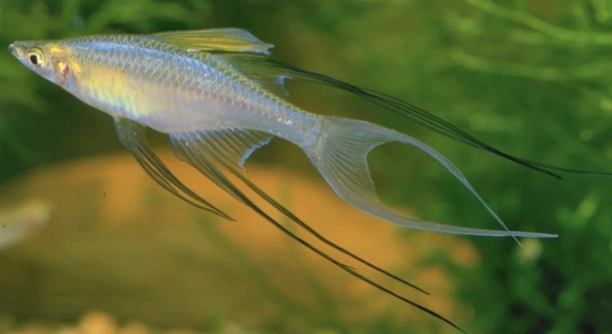
Have you ever noticed how Threadfin Rainbowfish swim gracefully near the water’s surface, seeming to follow tiny floating specks? Watching them can be calming, and it often makes you think about what types of food they truly prefer.
Threadfin Rainbowfish generally show a stronger preference for floating foods over sinking varieties. Floating food allows them to feed in their natural swimming zone, supporting healthier behavior patterns and reducing stress commonly observed with less accessible food types.
Understanding their feeding habits can improve their care and help maintain a lively, healthy aquarium environment for these colorful fish.
Why Floating Food Appeals to Threadfin Rainbowfish
I’ve noticed that when I sprinkle floating flakes into my aquarium, the Threadfin Rainbowfish immediately swim to the top. They seem more energetic and curious, darting quickly to catch the food. Sinking pellets, on the other hand, often go ignored or are slowly picked up by other fish before the rainbowfish get a chance. Floating food stays in their natural swimming layer, making feeding less stressful and more enjoyable for them. Over time, I’ve also seen that consistent floating food encourages better social interaction. They swim together, moving in small groups as they feed, which looks lively and keeps them active. Floating foods also reduce waste at the bottom of the tank, keeping the water cleaner and healthier. Observing these subtle behaviors shows me that feeding is not just about nutrition; it’s about supporting their natural instincts and well-being in the tank.
Floating food fits their natural habits and keeps the aquarium cleaner, while sinking food often leads to leftovers.
Feeding Threadfin Rainbowfish floating flakes also helps maintain their bright colors. Their activity level increases, and they seem less stressed. I’ve learned that alternating between high-quality flakes and occasional frozen or live food creates a balanced diet. Floating food prevents competition with bottom-dwelling species, ensuring that rainbowfish get their share. Over time, I’ve noticed stronger swimming patterns and less aggression. Proper feeding routines enhance overall health and growth rates.
Types of Floating Food Suitable for Them
Flakes, micro-pellets, and freeze-dried options work well for Threadfin Rainbowfish.
Flakes are light and easy for them to grab. Micro-pellets slowly float, giving fish time to nibble without choking or struggling. Freeze-dried options like brine shrimp or daphnia add variety and protein. Rotating these foods prevents boredom and ensures balanced nutrition. Regular observation helps determine which types your fish favor most, and adjusting portions avoids overfeeding. Over time, I’ve found that combining these foods keeps the fish active and healthy. Proper storage of flakes and pellets preserves nutrients and prevents contamination. Feeding several small portions throughout the day mimics natural conditions and encourages natural swimming behavior. By paying attention to their reactions, it’s easier to maintain a lively and stress-free tank environment. Overall, using suitable floating foods promotes strong growth, vibrant colors, and happier, more engaged Threadfin Rainbowfish.
Feeding Frequency for Threadfin Rainbowfish
Most of my rainbowfish do well with two to three small feedings daily. Overfeeding can cause water issues, while underfeeding leaves them less active. I stick to consistent portions to keep them healthy and their behavior predictable.
Spacing feedings throughout the day keeps their metabolism steady and reduces stress. I’ve seen that when they get small amounts several times a day, they remain active, swim in groups, and display their full colors. Skipping meals or giving large portions at once can lead to overeating, leftover food, and cloudy water, which stresses the fish. Regular observation ensures I adjust portions as they grow.
I rotate the types of floating food during each feeding to provide a balance of nutrients. Flakes in the morning, micro-pellets midday, and freeze-dried brine shrimp in the evening keeps them engaged. I’ve noticed that variation also prevents picky eating habits. Feeding consistently encourages predictable patterns, making maintenance easier and allowing me to watch their health closely. It’s reassuring to see them eagerly approach the surface, signaling that their diet supports both energy and overall well-being.
Monitoring Health Through Feeding
Healthy fish have bright colors and active swimming patterns, which I track daily.
Watching feeding behavior gives insight into their well-being. If a fish ignores floating food or struggles to eat, it can indicate stress, illness, or water quality issues. I make quick adjustments by testing water parameters and checking for signs of disease. Feeding patterns often reveal subtle changes before visible symptoms appear, helping me act early. Proper portions and variety also prevent nutritional deficiencies. Observing their energy levels and interactions shows whether they are thriving. Feeding is more than nutrition—it’s a way to notice changes in behavior that could affect long-term health.
Adjusting feeding habits according to tank conditions helps maintain both health and water quality. I track how quickly the fish consume floating food and remove any leftovers to prevent decay. I’ve found that keeping a consistent routine, combined with variety, promotes strong immune systems and reduces aggression. Small, frequent feedings encourage natural movement and improve social dynamics. Paying attention to the subtle signs, like hesitation or slow swimming, allows me to intervene before minor issues become serious. Using feeding as a monitoring tool gives reassurance that the fish are not just fed but genuinely thriving.
Adjusting Portions for Growth
I increase portions slightly as my Threadfin Rainbowfish grow. Younger fish need smaller, frequent feedings, while adults handle larger amounts. Monitoring how quickly they eat helps me avoid overfeeding.
I separate the daily food into multiple servings. This keeps the fish active and reduces leftover waste. Adjusting portions gradually ensures they remain healthy without straining the tank environment.
Avoiding Overfeeding
Overfeeding can cloud water and stress the fish. I carefully measure floating flakes and observe consumption. Feeding too much at once often leads to uneaten food sinking, which can harm water quality. By limiting portions and spacing feedings, I maintain a cleaner tank and healthier fish.
Observing Behavior During Feeding
I watch my rainbowfish closely when they eat. Changes in speed, appetite, or schooling patterns can indicate issues. Observing their reactions helps me adjust food type, portion, and frequency to match their needs, keeping the tank balanced and the fish active.
Cleaning Up Leftovers
Removing uneaten food promptly prevents water contamination. I skim the surface or siphon leftover flakes after feedings. This simple step keeps the tank clear, reduces stress on the fish, and supports overall health in a controlled environment.
FAQ
Do Threadfin Rainbowfish eat only floating food?
No, they do not eat only floating food, but floating options are their preferred choice. They will nibble on sinking pellets or small live foods, though they often ignore these if floating food is available. I’ve noticed that providing both ensures they get a balanced diet without forcing them into stressful positions near the tank bottom. Floating food aligns with their natural swimming patterns, making it easier for them to access nutrition while remaining active.
How often should I feed floating food to my rainbowfish?
I feed my Threadfin Rainbowfish two to three small portions each day. Splitting meals keeps them active and prevents overeating, which can pollute the tank. Feeding small amounts multiple times also mirrors their natural feeding habits in the wild. I usually observe how fast they consume the food, adjusting portions as necessary. Overfeeding in a single session often results in leftover flakes sinking and decaying, harming water quality.
Can floating food improve their color and health?
Yes, floating food contributes to brighter coloration and overall well-being. High-quality flakes often contain vitamins, carotenoids, and proteins that promote vibrant scales. When I feed a mix of floating flakes, micro-pellets, and freeze-dried foods, the fish remain energetic and healthy. They swim more actively, maintain stronger social behaviors, and show reduced stress compared to tanks where food sinks and remains largely uneaten.
Are live or frozen foods necessary alongside floating flakes?
I occasionally supplement with live or frozen foods such as brine shrimp or daphnia. While floating flakes meet basic nutritional needs, live or frozen foods provide extra protein and variety. I’ve noticed that when I rotate these foods, the fish stay more engaged and maintain higher activity levels. Including live or frozen options also prevents picky eating and supports stronger growth, without replacing their staple floating diet.
What are the signs of overfeeding?
Uneaten food sinking to the bottom, cloudy water, and lethargic swimming are common signs of overfeeding. I pay close attention to how quickly the flakes disappear. If leftovers remain after a few minutes, I reduce future portions. Overfeeding can also lead to bloated fish, which is why careful monitoring and portion control are essential for both health and tank cleanliness.
Is it necessary to remove leftover floating food?
Yes, removing uneaten flakes is important. Leftover food decomposes quickly and can raise ammonia levels, stressing the fish. I skim the surface after each feeding or use a small siphon to remove any sinking particles. This helps maintain clear water and a healthier environment, reducing the risk of disease and keeping the rainbowfish active and comfortable.
How do I know which floating food they prefer?
Observing their reactions during feeding is the easiest way. I’ve found that some fish eagerly chase flakes, while others prefer micro-pellets or freeze-dried brine shrimp. Offering small portions of each type lets me determine their preferences without overfeeding. Rotating foods ensures they receive balanced nutrition while keeping mealtime interesting and stimulating for them.
Can floating food help reduce aggression in a community tank?
Yes, feeding at the surface can reduce competition with bottom-dwelling species. When the rainbowfish have easy access to floating flakes, they spend less time chasing other fish or fighting over food. I’ve noticed that a clear division of feeding zones leads to calmer interactions and more predictable swimming patterns, keeping the tank environment peaceful and healthier for all species.
How should I store floating food?
I store flakes and micro-pellets in a cool, dry place, tightly sealed to prevent moisture and loss of nutrients. Improper storage can make the food soggy or stale, reducing its appeal and nutritional value. Fresh food encourages the fish to eat promptly, maintains color, and supports strong immune systems. Regularly checking expiration dates ensures my rainbowfish get the best possible diet.
Can feeding floating food affect breeding behavior?
Yes, consistent and high-quality floating food can improve reproductive health. Healthy, well-nourished rainbowfish are more likely to display mating behaviors. I’ve observed that providing protein-rich flakes and occasional live food encourages energy and vitality, which supports spawning. Ensuring proper nutrition through floating food is a simple way to maintain their health while encouraging natural breeding activity in the tank.
Is portion size different for juveniles compared to adults?
Yes, juveniles require smaller, more frequent feedings than adults. I carefully measure tiny portions several times a day to avoid overfeeding and to support healthy growth. Adults handle larger amounts but still benefit from multiple small servings throughout the day. Adjusting portions gradually helps maintain energy, reduces leftover waste, and keeps water quality stable.
Do all brands of floating food work the same?
No, quality varies between brands. I’ve tried several, and some cause leftovers due to poor floatation or taste. Choosing a reputable brand with balanced nutrients ensures the rainbowfish eat consistently, remain healthy, and show vibrant colors. Testing small amounts from different brands helps determine which they respond to best.
Can floating food replace live food entirely?
Floating food can meet basic nutritional needs but does not fully replace live options. I supplement occasionally with frozen or live foods for extra protein and stimulation. Relying solely on flakes might limit variety, but combining them with occasional live or frozen food keeps the fish active, strong, and healthy.
How quickly should floating food be eaten?
Ideally, all food should be consumed within a few minutes. I watch my rainbowfish closely to ensure nothing is left floating too long. Uneaten food can sink, decay, and affect water quality. Quick consumption also indicates that portions are appropriate and that the fish are engaged and healthy during feeding sessions.
Can floating food help reduce stress in new fish?
Yes, providing floating food in the top layer allows new arrivals to eat comfortably without competing with established bottom-dwellers. I’ve introduced new rainbowfish with small floating portions, which helps them acclimate while maintaining natural swimming patterns. This reduces stress, encourages proper feeding, and improves adjustment to the tank environment.
What is the best time of day to feed floating food?
I feed twice daily, once in the morning and once in the evening. Splitting feedings fits their natural activity cycle. Providing small amounts at consistent times ensures predictable behavior and reduces anxiety, as they know when and where food will appear. Regular timing supports energy levels and maintains vibrant coloration.
Does floating food support long-term health?
Yes, a balanced floating diet with occasional supplements promotes growth, immunity, and activity. I’ve noticed stronger scales, brighter colors, and better social behaviors when sticking to a consistent routine. Monitoring intake, varying food types, and avoiding overfeeding are key for sustaining their health and vitality over time.
Can I mix different types of floating food in one feeding?
Yes, mixing flakes, micro-pellets, and freeze-dried foods works well. I use this approach to ensure nutrition variety and prevent picky eating. Offering small portions of each type encourages exploration, keeps them engaged, and supports growth without overwhelming the fish. Observing how they respond helps adjust future meals.
How do I know if floating food is fresh?
Fresh floating food floats properly, smells neutral, and has vibrant color. I check for clumping, unusual odor, or discoloration before feeding. Using fresh food encourages consumption, ensures proper nutrition, and prevents leftover waste. Proper storage in a cool, dry place extends freshness and maximizes health benefits.
What are the signs that a fish prefers one type of floating food over another?
If they swim eagerly toward a specific flake or pellet type and finish it quickly, that’s a clear preference. I’ve noticed some rainbowfish ignore certain brands or shapes, indicating taste or texture differences. Observing which foods disappear fastest helps determine favorites while keeping diet balanced.
How long can I leave floating food in the tank?
I usually remove uneaten food after 3–5 minutes. Leaving it longer can lead to decay, water contamination, and stress. Quick removal ensures a clean tank, supports water quality, and prevents negative effects on fish health. It also helps maintain active and predictable feeding behavior.
Can floating food encourage natural feeding behavior?
Yes, watching my rainbowfish chase and nibble floating flakes replicates hunting and surface feeding instincts. They swim actively, coordinate with tank mates, and maintain alertness. This natural interaction keeps them healthy, stimulated, and reduces the likelihood of stress-related behaviors.
Do floating foods work for all rainbowfish species?
While most species enjoy floating food, preferences vary. Threadfin Rainbowfish particularly favor it, but observation is key with other species. I monitor reactions and adjust feeding style to match swimming habits, appetite, and social behavior to ensure all fish receive proper nutrition without competition or stress.
Is it necessary to change floating food brands over time?
I rotate brands occasionally to prevent boredom and nutritional gaps. Different formulas provide varying vitamins and proteins, which keeps the fish active and healthy. Changing brands also allows me to observe which foods they prefer and maintain a balanced diet without relying on a single source.
How do I transition fish to floating food if they eat sinking pellets?
I start by sprinkling flakes near the surface while offering pellets below. Gradually, the fish begin to target floating food more often. Patience and consistent observation help them adapt without stress. Over time, they develop a clear preference for floating food while still accepting occasional bottom-feeding options.
Can floating food affect tank water clarity?
Yes, if portions are too large or uneaten flakes remain, water clarity decreases. I remove leftovers promptly and feed small, measured amounts. Consistent feeding practices maintain clean water, reduce algae growth, and ensure a healthy environment for the fish while supporting natural feeding behavior.
Do floating foods contain all necessary nutrients?
High-quality floating flakes and micro-pellets generally provide protein, vitamins, and minerals. I supplement occasionally with live or frozen foods for extra variety and enhanced nutrition. Combining different types ensures complete diets, supports growth, and keeps the fish active, colorful, and healthy over the long term.
Can floating food be used during quarantine periods?
Yes, floating food is ideal for quarantine tanks. It is easy to manage, reduces waste, and allows careful monitoring of appetite and health. I provide small amounts several times a day and observe closely for any illness or unusual behavior, which helps maintain recovery and overall condition.
Is it normal for fish to compete for floating food?
Mild competition is normal, but excessive fighting indicates portions may be too small or too few. I adjust feeding quantity and spread food across the surface to reduce stress. Observing interactions ensures each fish gets adequate nutrition while maintaining a calm, balanced environment.
Can floating food prevent malnutrition?
Yes, when properly measured and varied, floating food meets essential nutritional needs. I combine flakes, micro-pellets, and occasional protein supplements to prevent deficiencies. Regular observation, portion control, and variety ensure the rainbowfish remain strong, healthy, and vibrant throughout their life.
How do temperature and water conditions affect feeding floating food?
Fish are more active in stable, appropriate water temperatures. I’ve found that floating food is eaten more eagerly when water parameters are within ideal ranges. Stress from poor water quality reduces appetite, while consistent, clean conditions encourage proper consumption and overall health.
What is the best method for feeding multiple fish at once?
I sprinkle food evenly across the surface in several small areas. This prevents dominant fish from taking all the food and ensures weaker or smaller individuals also eat. Observing group behavior helps adjust distribution patterns and maintains a peaceful, well-fed tank.
Does the size of floating flakes matter?
Yes, smaller flakes are easier for juveniles or smaller fish, while larger adults can handle bigger pieces. I match flake size to fish size to reduce choking risk, ensure proper nutrition, and encourage natural feeding behavior. Observation helps me fine-tune portion size for each group.
Can over-reliance on floating food cause behavioral changes?
Not if balanced with variety. I’ve noticed that fish receiving only one type of food may become picky or less active. Combining flakes with occasional live or frozen options encourages engagement, natural movement, and stable social interactions while preventing boredom or nutritional gaps.
How do I prevent floating food from dissolving too quickly?
I choose high-quality flakes and micro-pellets designed to float. Avoiding prolonged exposure to water before feeding also helps. I sprinkle small amounts at a time, ensuring the fish can consume them before they break apart, reducing waste and maintaining water quality.
Can floating food be used for breeding pairs?
Yes, consistent feeding with high-protein floating flakes supports energy and reproductive readiness. I’ve seen breeding pairs respond well to small, frequent portions combined with occasional live or frozen supplements, which improves spawning behavior and overall vitality.
Is it okay to feed floating food to other species in a community tank?
Yes, but observe carefully. Surface-feeding fish will consume it first, while bottom-dwellers may miss out. I distribute small portions across the tank and sometimes supplement with sinking foods to ensure all species are fed without stress or competition.
Do floating foods need to be moistened before feeding?
No, they are designed to float immediately. I sprinkle flakes or pellets directly onto the water surface. Pre-soaking is unnecessary and can cause clumping or sinking, which reduces the appeal and accessibility for the fish.
How do I handle leftover floating food at the end of the day?
I remove any remnants using a small net or siphon. This keeps the tank clean, prevents water contamination, and reduces stress. Consistent cleanup maintains optimal water quality and supports healthy feeding patterns for all rainbowfish.
Are freeze-dried options better than flakes?
Not necessarily; both have benefits. Freeze-dried foods provide protein and variety, while flakes are nutritionally balanced and convenient. I rotate between the two, offering flakes for daily feeding and freeze-dried foods occasionally to supplement protein and maintain interest.
Can floating food prevent aggression during feeding times?
Yes, spreading food across the surface reduces competition. I’ve seen calmer interactions when food is abundant and evenly distributed. Each fish can feed comfortably, reducing chasing or bullying, and supporting a peaceful tank environment while ensuring adequate nutrition for all.
Is there a risk of mold or spoilage with floating food?
Yes, if exposed to moisture or stored improperly. I keep flakes and pellets sealed, dry, and in a cool location. Checking for unusual odor, discoloration, or clumping before feeding prevents spoilage and ensures the fish receive safe, nutritious food.
Do all Threadfin Rainbowfish react the same way to floating food?
Individual preferences vary. Some are more eager, others slower to feed. I observe behavior to adjust portion size, feeding frequency, and food type. Recognizing individual differences ensures all fish receive proper nutrition and remain healthy without stress or conflict.
Can floating food improve long-term tank health?
Yes, when properly portioned and monitored, it reduces waste, maintains clear water, and supports active fish. I combine consistent feeding practices with regular cleaning, which promotes both fish health and a stable, thriving tank environment over time.
Is it okay to change feeding routines abruptly?
Sudden changes can stress fish. I transition gradually, adjusting portion size, frequency, or food type slowly. I’ve noticed smoother adaptation and continued appetite when modifications are introduced over several days rather than all at once.
How do I tell if floating food is too large for small fish?
If juveniles struggle to nibble or spit out flakes, the pieces are too big. I switch to smaller flakes or micro-pellets, which they can consume easily. Observing feeding ensures all fish get adequate nutrition without frustration or waste.
Are floating foods cost-effective compared to other types?
Yes, because less waste occurs when portions are monitored. I’ve found that investing in high-quality flakes and micro-pellets reduces leftovers, maintains health, and avoids water contamination, making floating food an efficient choice over time.
Does water flow affect floating food consumption?
Yes, strong currents can push flakes around, making feeding difficult. I often feed in calm areas or reduce flow temporarily. Ensuring flakes remain accessible prevents waste, supports natural feeding behavior, and keeps fish active during meals.
Can I use floating food for fish with dietary restrictions?
Some specialized flakes cater to certain needs. I select high-quality options with appropriate nutrients if dietary adjustments are required. Observing reactions ensures the fish thrive without compromising health, while still benefiting from the convenience and accessibility of floating food.
Do floating foods help reduce stress in crowded tanks?
Yes, surface feeding allows quicker access for multiple fish, reducing chasing and competition. I’ve seen calmer behavior in tanks with proper portioning and evenly distributed floating food. This promotes natural swimming, minimizes conflict, and supports overall tank harmony.
Is it normal for fish to ignore floating food sometimes?
Yes, occasional disinterest can occur due to water parameters, illness, or time of day. I monitor for persistent refusal or changes in activity, which may indicate health or environmental issues needing attention. Temporary skips are generally not a concern.
How do I combine floating food with supplements like vitamins?
I sprinkle vitamin-enriched flakes or lightly dust micro-pellets before feeding. This ensures nutritional supplements are consumed without altering behavior or appetite. Regular monitoring ensures each fish benefits while maintaining a balanced diet.
Can I freeze floating food for long-term storage?
Freezing is not recommended for most flakes, as it can damage texture and nutrients. I store in a cool, dry place and buy smaller amounts more frequently to maintain freshness and nutritional value for optimal fish health.
Does floating food affect social hierarchy in the tank?
Yes, distributing food evenly prevents dominant fish from monopolizing meals. I feed multiple small areas and observe behavior, which encourages fair access, reduces stress, and supports a stable social environment while maintaining proper nutrition for all individuals.
Is floating food suitable for pregnant or egg-carrying females?
Yes, it’s convenient and accessible. I provide high-quality, protein-rich flakes in small portions throughout the day. This ensures they receive consistent nutrition, which supports energy, development, and health during gestation without forcing them to compete at the bottom of the tank.
How long does it take for fish to adapt to floating food?
Most adapt within a few days, though some may take longer. I introduce small amounts gradually, observing their reactions. Consistency and patience help them accept floating food while maintaining proper feeding behavior and minimizing stress.
Can floating food be used in outdoor ponds?
Yes, but water conditions like temperature and debris affect consumption. I feed early in the day to prevent washing away or decay. Floating food provides easy access, encourages activity, and helps maintain nutrition even in larger, outdoor settings.
Do older fish have different preferences for floating food?
Sometimes. I’ve noticed older fish may prefer softer flakes or micro-pellets. Observing feeding behavior and adjusting texture or size ensures older fish remain active, eat comfortably, and maintain proper nutrition without frustration.
Is it okay to feed only one brand of floating food long-term?
It can work if the food is nutritionally complete. I prefer occasional rotation to prevent monotony and provide a variety of nutrients. Combining consistent, high-quality flakes with occasional supplements supports long
Final Thoughts
Feeding Threadfin Rainbowfish floating food is a practical and effective way to meet their nutritional needs while supporting their natural behavior. In my experience, they are drawn to the surface and seem more active when flakes, micro-pellets, or freeze-dried foods are offered. Floating food allows them to eat comfortably without struggling for meals at the bottom, which can reduce stress and competition in the tank. I have found that consistency in feeding times and portion sizes is crucial. When they know when and where food will appear, they swim more confidently, maintain social cohesion, and display brighter colors. Observing their reactions to floating food helps determine preferences and ensures each fish receives adequate nutrition. Over time, this approach has made maintaining a lively and healthy aquarium easier.
Portion control and feeding frequency play important roles in keeping the fish healthy. Smaller, more frequent feedings prevent overeating, reduce leftover food, and keep water quality high. I usually divide the daily ration into two or three feedings, watching closely to make sure nothing goes uneaten for long periods. Leftover food can sink, decompose, and affect water chemistry, which may stress the fish or cause minor health issues. I also rotate food types, offering a combination of flakes, micro-pellets, and occasional live or freeze-dried supplements. This variety helps maintain balanced nutrition, prevents boredom, and encourages natural feeding behavior. Over time, I’ve noticed stronger immune responses, improved coloration, and more active swimming patterns. Feeding floating food thoughtfully is not just about providing calories; it’s about supporting overall well-being and promoting natural habits that keep the fish happy and healthy.
Monitoring fish behavior during feedings is another key factor to ensure optimal care. Changes in appetite, swimming patterns, or interactions with other fish often provide early signals about health or environmental issues. I pay attention to how quickly each fish eats, whether some are left out, or if any show hesitation. Adjusting portions, food type, or feeding location based on these observations helps maintain a balanced environment. Cleaning up uneaten food and observing water conditions after each feeding also contribute to tank health. By focusing on consistency, variety, and careful observation, it is possible to provide Threadfin Rainbowfish with a diet that encourages growth, vibrant colors, and natural behavior. Overall, floating food has proven to be an accessible, effective, and low-stress method for keeping these fish healthy and active in a home aquarium.

Hello,
If you enjoy the content that we create, please consider saying a "Thank You!" by leaving a tip.
Every little bit helps us continue crafting quality advice that supports the health, happiness, and well-being of pets around the world, for pets of all shapes, sizes, and species.
We really appreciate the kindness and support that you show us!