
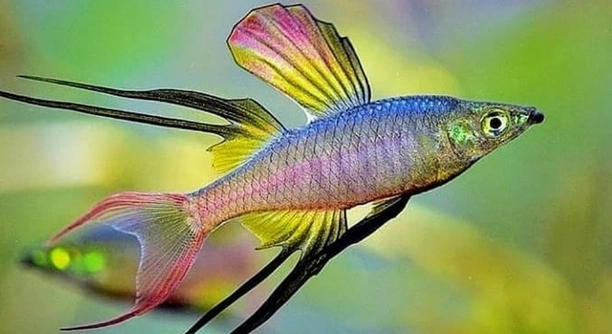
Have you ever noticed your Threadfin Rainbowfish acting differently, swimming less energetically, or hiding more often than usual? These small changes may indicate that your fish is experiencing stress in its environment or routine.
Threadfin Rainbowfish exhibit stress through changes in coloration, erratic swimming patterns, loss of appetite, increased hiding behavior, rapid gill movement, clamped fins, and frequent jumping. Recognizing these signs early is crucial to maintaining their health and preventing long-term damage.
Monitoring your fish closely allows you to respond promptly, ensuring they remain healthy, active, and comfortable in their aquatic environment.
Changes in Coloration
Threadfin Rainbowfish often show stress through subtle or noticeable changes in their color. Their normally vibrant scales may appear dull, faded, or blotchy when they are uncomfortable. This can happen gradually or suddenly depending on the stressor. Factors like water quality, temperature fluctuations, or sudden changes in lighting can trigger these shifts. Even minor changes in the tank, such as rearranging decorations or adding new fish, can cause them to lose their bright hues. Some fish may darken when stressed, while others develop pale patches. Observing your fish daily helps you notice these changes early, which can prevent more serious health issues. Addressing the environment, maintaining proper feeding schedules, and ensuring clean water can restore their normal coloration. Paying attention to their color not only reflects their current well-being but also signals when adjustments are necessary.
Color changes are often the first sign of stress in Threadfin Rainbowfish and should be monitored carefully for early intervention.
Noticing shifts in color can help you act before the stress worsens.
Erratic Swimming Patterns
Erratic swimming is another key sign of stress in Threadfin Rainbowfish. Fish may dart around the tank, swim in circles, or bump into surfaces more than usual. This behavior is often caused by discomfort in their environment or fear of predators. Sudden movements in the room or frequent tank disturbances can also trigger this reaction. Some fish may stay near the surface, while others cling to corners or decorations. Observing these movements can reveal underlying issues like poor water conditions or insufficient space. Overcrowding and aggressive tank mates can further contribute to these behaviors. Ensuring a calm, stable environment with proper tank size and clean water reduces erratic swimming. Regular monitoring and gradual acclimation to changes help your fish feel secure. Providing hiding spots and consistent lighting routines can also calm their behavior. Understanding these patterns allows for early intervention, keeping your fish healthier and more comfortable over time.
Erratic swimming often signals stress, which requires prompt adjustments to their environment to prevent long-term harm.
Loss of Appetite
Loss of appetite is a clear sign that Threadfin Rainbowfish may be stressed. Fish that normally eat eagerly might start ignoring food or only nibble occasionally. This change can affect their overall health and energy levels if not addressed quickly.
Stress, poor water quality, sudden temperature changes, or illness can cause a fish to stop eating. When appetite decreases, their immune system weakens, making them more susceptible to disease. Observing their feeding habits closely helps detect stress early. Offering a variety of foods in small amounts and maintaining clean, stable tank conditions can encourage them to eat again. Gradual acclimation to environmental changes also helps restore normal feeding behavior and overall well-being.
Consistent monitoring of feeding routines and portion sizes ensures your fish receive adequate nutrition despite periods of stress. Adjusting the tank environment can help them regain their appetite and maintain energy levels.
Hiding Behavior
Threadfin Rainbowfish often hide more when stressed. They may stay behind decorations, under plants, or near tank corners, avoiding open swimming areas and interaction.
Increased hiding can result from sudden changes in their surroundings, aggressive tank mates, or poor water conditions. When a fish feels unsafe, it retreats to secluded areas to protect itself. Over time, persistent hiding may lead to weight loss and weakened health if not addressed. Providing a calm environment with ample hiding spots helps reduce anxiety. Maintaining consistent lighting, water temperature, and minimal disturbances encourages them to explore again. Observing hiding patterns can indicate when environmental adjustments are necessary to improve their comfort.
Properly addressing hiding behavior includes ensuring balanced social dynamics in the tank and regular water maintenance. These actions create a safer, less stressful environment for your fish.
Rapid Gill Movement
Rapid gill movement is a common indicator of stress in Threadfin Rainbowfish. Fish may breathe faster than usual, even when water appears well-oxygenated. This can signal poor water quality, temperature fluctuations, or an underlying health issue.
Watching your fish closely helps detect this early. Adjusting aeration, water temperature, and cleanliness often restores normal gill activity.
Clamped Fins
Clamped fins occur when a fish holds its fins close to its body instead of spreading them naturally. This behavior indicates discomfort, stress, or illness. Observing fin position daily can reveal subtle changes before more severe symptoms appear. Proper tank maintenance and a calm environment usually resolve this issue.
Frequent Jumping
Threadfin Rainbowfish may jump repeatedly when stressed. This behavior often occurs due to sudden disturbances, poor water conditions, or overcrowding. Jumping can lead to injury or escaping the tank if left unchecked. Providing a secure lid and reducing environmental stressors minimizes this risky behavior.
FAQ
What causes stress in Threadfin Rainbowfish?
Stress in Threadfin Rainbowfish is usually caused by changes in their environment or routine. Common triggers include poor water quality, sudden temperature fluctuations, overcrowding, aggressive tank mates, and frequent disturbances. Even minor changes, like rearranging decorations or introducing new fish, can make them uneasy. Maintaining a stable, clean, and appropriately sized tank helps prevent stress.
How can I tell if my fish is stressed?
Signs of stress include changes in coloration, erratic swimming, loss of appetite, frequent hiding, rapid gill movement, clamped fins, and jumping. Observing your fish daily allows you to catch these behaviors early. Noticing even subtle differences can make a big difference in preventing serious health problems.
Why is water quality important for their health?
Threadfin Rainbowfish are sensitive to water conditions. High levels of ammonia, nitrites, or nitrates can weaken their immune system and increase stress. Regular water testing, proper filtration, and consistent water changes ensure they live in a healthy, stable environment. Temperature consistency is also crucial to minimize stress.
How do tank mates affect stress levels?
Aggressive or overly active tank mates can intimidate Threadfin Rainbowfish, causing hiding or erratic swimming. Overcrowding increases competition for food and space, which adds pressure. Choosing peaceful companions and providing enough room and hiding spaces reduces conflict and helps your fish remain calm.
What role does diet play in reducing stress?
A balanced diet supports overall health and reduces vulnerability to stress. Feeding a variety of high-quality flakes, pellets, and occasional live or frozen foods ensures your fish get proper nutrition. Small, frequent feedings are better than large amounts at once, preventing uneaten food from polluting the tank.
Can lighting affect stress in fish?
Yes, sudden changes in lighting or excessive brightness can make Threadfin Rainbowfish anxious. Providing a regular day-night cycle with gentle transitions between light and dark helps them feel secure. Dim lighting or shaded areas allow shy fish to hide comfortably without being constantly exposed.
How do I manage stress when introducing new fish?
Acclimation is essential. Gradually introduce new fish to the tank by floating them in a bag or using a drip acclimation system for a few hours. Avoid sudden additions, as this can shock your existing fish and trigger stress responses. Monitor interactions carefully during the first few days.
When should I consult a veterinarian?
If signs of stress persist despite improving tank conditions, water quality, and diet, consulting an aquatic veterinarian is recommended. Persistent loss of appetite, severe color changes, or unusual behavior may indicate illness. Early intervention can prevent more serious health problems and improve recovery chances.
What are some preventive measures for stress?
Regular water testing, stable temperature, proper tank size, peaceful tank mates, consistent feeding, and hiding spaces all help reduce stress. Observing your fish daily and acting quickly when you notice behavior changes ensures they remain healthy and active. Prevention is always more effective than treatment.
How quickly can fish recover from stress?
Recovery time depends on the cause and severity. Minor stress may resolve within a few days after environmental adjustments, while prolonged stress or illness may take weeks. Maintaining optimal conditions and minimizing disturbances supports faster recovery and long-term well-being.
Can stress affect breeding?
Yes, stressed Threadfin Rainbowfish are less likely to breed. Stress reduces energy and interest in mating behaviors. Creating a calm, stable environment with proper nutrition and hiding spaces encourages natural breeding behaviors over time.
Are there signs that indicate permanent damage?
Severe, prolonged stress can cause permanent color loss, weakened immune systems, or stunted growth. Early detection of stress signs and timely intervention significantly reduce the risk of long-term damage. Consistent care helps maintain vitality and overall health.
How often should I check my fish for stress signs?
Daily observation is recommended. Even brief, regular checks allow you to notice changes in swimming patterns, color, or behavior. Prompt adjustments in care can prevent minor stress from developing into serious health issues, keeping your fish happy and active.
Can stress lead to disease?
Yes, prolonged stress weakens the immune system, making Threadfin Rainbowfish more susceptible to infections, parasites, and fungal growth. Maintaining clean water, a balanced diet, and a calm environment is essential to prevent stress-related illnesses and ensure long-term health.
What small changes can make a big difference?
Providing hiding spots, maintaining stable water temperature, reducing sudden noises or movements near the tank, and feeding consistent portions are simple yet effective ways to reduce stress. Small, consistent actions create a safe, comfortable environment for your fish.
How do I balance a lively tank without causing stress?
Space, tank size, and compatible species are key. Avoid overcrowding and pair Threadfin Rainbowfish with calm, non-aggressive species. Strategic placement of decorations and plants provides safe zones, allowing fish to interact while feeling secure. A well-planned tank supports both activity and comfort.
Can temperature swings be harmful?
Even small fluctuations can stress Threadfin Rainbowfish. Sudden changes affect metabolism, immune function, and behavior. Using a reliable heater, monitoring daily, and avoiding rapid water additions maintain a stable environment, minimizing stress risks.
Is observation enough to manage stress effectively?
Observation is critical but should be combined with proper tank maintenance, water testing, and attention to diet. Noticing changes is the first step, while acting on them ensures your fish remain healthy and stress-free.
Are all Threadfin Rainbowfish equally sensitive to stress?
Individual fish vary in temperament and resilience. Some may tolerate minor disturbances, while others react strongly. Understanding each fish’s behavior allows you to tailor care practices, providing a safer, more comfortable environment for all tank inhabitants.
How can I create a low-stress environment long-term?
Maintain consistent water quality, provide hiding spaces, feed a balanced diet, monitor tank mates, and avoid frequent disturbances. Observing behaviors and adjusting care as needed ensures Threadfin Rainbowfish remain calm, healthy, and vibrant over time.
This FAQ covers the most important aspects of recognizing, preventing, and addressing stress in Threadfin Rainbowfish. Careful observation, consistent tank management, and timely action keep your fish thriving in a safe, comfortable environment.
Final Thoughts
Caring for Threadfin Rainbowfish requires attention to their behavior and environment. These fish are sensitive to changes, and even small disruptions can cause stress. Observing your fish daily allows you to notice subtle signs, such as changes in coloration, unusual swimming patterns, or hiding more than usual. Stress can impact their health quickly, so catching problems early is essential. Maintaining a clean, stable tank with proper water temperature, gentle lighting, and regular feeding routines creates a comfortable environment. Paying attention to their needs consistently will help your fish stay healthy and active. Even minor adjustments, like rearranging plants gradually or spacing out tank mates, can reduce stress significantly.
Understanding the common signs of stress, including rapid gill movement, clamped fins, loss of appetite, and frequent jumping, is important for timely intervention. Each fish may react differently, so it is helpful to learn their normal behavior and routines. Providing hiding spaces and reducing disturbances in the tank helps them feel secure. If stress continues despite these efforts, it may indicate a deeper issue, such as poor water quality or illness. In such cases, testing water parameters, reviewing tank setup, and consulting a veterinarian are necessary steps. A proactive approach ensures that minor stress does not develop into serious health problems, allowing your Threadfin Rainbowfish to thrive.
Long-term care for Threadfin Rainbowfish involves maintaining a balance between environmental stability and healthy stimulation. Consistent monitoring, proper nutrition, and a suitable tank size prevent stress from accumulating. Interactions with other tank mates should be peaceful, and overcrowding must be avoided to minimize competition and anxiety. By observing their behavior and responding quickly to stress indicators, you support their physical and mental well-being. Small, consistent efforts in tank maintenance, feeding, and environmental adjustments lead to healthier, more vibrant fish. Providing a calm and secure habitat helps them exhibit natural behaviors, improves coloration, and ensures overall longevity. Threadfin Rainbowfish are rewarding to keep when their environment meets their needs, and careful attention can prevent most stress-related problems, allowing you to enjoy watching them flourish.

Hello,
If you enjoy the content that we create, please consider saying a "Thank You!" by leaving a tip.
Every little bit helps us continue crafting quality advice that supports the health, happiness, and well-being of pets around the world, for pets of all shapes, sizes, and species.
We really appreciate the kindness and support that you show us!