
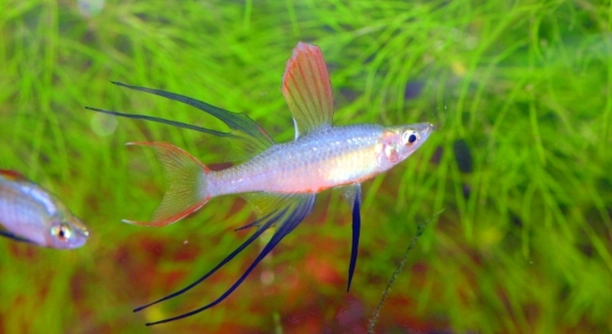
Do you ever notice your Threadfin Rainbowfish resting at the water’s surface more than usual? Observing these vibrant fish float can be concerning for many aquarists. Understanding the reasons behind this behavior helps ensure their proper care and wellbeing.
Threadfin Rainbowfish may float at the surface due to issues such as swim bladder dysfunction, poor water quality, or insufficient oxygen levels. Each factor affects buoyancy, causing the fish to struggle to maintain its normal swimming depth.
Knowing the causes behind this floating behavior can help you take the right steps for your fish’s health and stability in their tank environment.
Common Causes of Floating Behavior
Floating at the surface often points to underlying health or environmental concerns in Threadfin Rainbowfish. One major factor is swim bladder dysfunction, which directly affects buoyancy and stability. Poor diet, overfeeding, or sudden changes in feeding patterns can contribute to this condition. Water quality is another critical aspect. Elevated ammonia, nitrite, or nitrate levels, along with inconsistent pH or temperature, can stress fish and disrupt normal swimming. Low oxygen levels in the tank force fish to seek the surface where oxygen is higher. Additionally, sudden temperature fluctuations can shock the fish, making them float more frequently. Understanding these factors allows you to monitor your aquarium more closely. Observing your fish’s behavior alongside regular water testing helps prevent prolonged surface-floating. Correcting these issues early supports overall health, reduces stress, and maintains natural activity patterns. Preventative measures, such as balanced feeding and routine maintenance, play a vital role in keeping Threadfin Rainbowfish stable and active.
Swim bladder issues often appear gradually, making early detection essential. Regular observation helps spot these signs before severe problems develop.
Addressing floating behavior requires careful attention to diet, water conditions, and tank environment. Providing a well-balanced diet with high-quality food helps maintain digestive health and prevents constipation, a common factor in swim bladder dysfunction. Ensuring water is properly filtered and regularly tested maintains ideal oxygen levels and reduces stress. Gradual temperature changes prevent sudden shocks that might affect buoyancy. Maintaining proper tank size and avoiding overcrowding gives fish enough space to swim naturally. Observing behavior daily allows for early intervention, improving recovery chances. Minor adjustments, like increasing aeration or changing water more frequently, often reduce surface-floating. In some cases, isolated treatment or temporary fasting may be necessary. Consistency and care in maintaining a stable, clean environment are crucial. Over time, these practices help Threadfin Rainbowfish regain normal swimming patterns and reduce frequent surface-floating incidents.
Feeding Practices and Their Impact
Overfeeding can directly contribute to floating issues in Threadfin Rainbowfish. Feeding small, consistent portions prevents digestive stress and supports normal swim bladder function.
Proper feeding is key to preventing buoyancy problems. Excess food can ferment in the digestive tract, causing bloating that affects the swim bladder. Providing high-quality flakes, pellets, or occasional live foods ensures adequate nutrition without overloading the fish’s system. A scheduled feeding routine maintains digestive health and prevents sudden spikes in activity at the surface. Observing how quickly fish consume food helps adjust portion sizes appropriately. Pausing feeding occasionally can aid in digestion, reducing the likelihood of surface-floating. Additionally, feeding at the same time each day helps regulate metabolism. Combining proper diet with routine tank maintenance enhances overall well-being. By paying attention to these feeding habits, aquarists can minimize floating behavior and support healthy growth. Consistent care and monitoring allow Threadfin Rainbowfish to thrive, swim freely, and display natural vibrant colors, reflecting both their health and a well-maintained environment.
Water Quality and Oxygen Levels
Poor water quality is a major reason Threadfin Rainbowfish float at the surface. Low oxygen levels or high toxins stress the fish and make them seek areas with better conditions.
Maintaining clean water is essential for buoyancy and overall health. Regular testing of ammonia, nitrite, nitrate, and pH ensures the tank stays within safe limits. Excess organic waste from uneaten food or decaying plants can reduce oxygen, forcing fish to the surface. Proper filtration, routine water changes, and aeration help maintain oxygen levels and prevent stress. Sudden shifts in temperature or water chemistry can worsen floating behavior. Observing fish daily allows for early detection of water-related problems. Adjusting filtration or adding an air stone can make a significant difference.
Oxygen levels can fluctuate with temperature, stocking density, and plant activity. Warmer water holds less oxygen, so heated tanks require careful monitoring. Overcrowding increases competition for oxygen, while decaying plants or poor aeration reduce available oxygen. Ensuring proper water movement, using air pumps, and avoiding excessive feeding all help maintain stability. Even minor improvements in water quality can restore natural swimming behavior. Keeping the tank clean and balanced prevents recurring floating incidents, supporting both health and activity in Threadfin Rainbowfish.
Stress and Environmental Factors
Stress from environmental changes can cause Threadfin Rainbowfish to float at the surface. Frequent disturbances or sudden shifts in lighting and tank arrangement affect their behavior.
Environmental stability plays a crucial role in buoyancy and swimming patterns. Sudden temperature changes, new decorations, or aggressive tank mates can trigger stress responses, making fish float more often. Noise, vibrations, and handling can also contribute to discomfort. Stress reduces the immune system, making fish more susceptible to swim bladder issues. Maintaining a calm, stable environment with consistent lighting, gentle water flow, and compatible tank mates reduces floating behavior. Providing hiding spots and avoiding unnecessary disruptions improves comfort and encourages normal swimming. Consistent care helps fish adapt and reduces surface-floating.
Monitoring behavior and tank conditions helps identify stress triggers early. Observing interactions with other fish and noting reactions to changes allows aquarists to adjust the environment accordingly. Introducing new tank elements gradually prevents sudden disruptions. Ensuring quiet surroundings and minimizing handling reduces stress-induced floating. Proper lighting schedules, balanced temperatures, and stable water parameters also support mental and physical health. Over time, these practices improve swim bladder function, normalize activity, and enhance overall vitality in Threadfin Rainbowfish. Regular observation and small adjustments create a calm, safe habitat that discourages frequent surface-floating.
Swim Bladder Disorders
Swim bladder disorders are a common reason Threadfin Rainbowfish float at the surface. Issues can be caused by infections, constipation, or physical deformities affecting buoyancy.
Treatment involves addressing the underlying cause. Adjusting diet, isolating affected fish, and maintaining optimal water conditions can improve swim bladder function and restore normal swimming.
Overfeeding and Digestive Issues
Overfeeding often leads to digestive problems, which can affect buoyancy. Excess food can cause bloating, putting pressure on the swim bladder. Fish may float or struggle to swim properly until digestion improves.
Providing smaller, controlled portions and a balanced diet prevents recurring problems. Occasional fasting or feeding easily digestible food helps regulate digestion and supports swim bladder health.
Tank Maintenance Tips
Regular tank maintenance prevents floating behavior. Cleaning filters, removing uneaten food, and monitoring water parameters keeps the environment stable and healthy for Threadfin Rainbowfish.
Proper maintenance reduces stress and ensures oxygen levels are adequate. Maintaining a clean, stable tank helps fish swim naturally and decreases the likelihood of surface-floating.
FAQ
Why is my Threadfin Rainbowfish floating at the surface even though the water looks fine?
Floating at the surface is often a sign of stress or buoyancy issues rather than visible water problems. Even if water appears clear, factors like low oxygen, pH fluctuations, or hidden toxins can cause fish to seek the surface. Regular testing of ammonia, nitrite, nitrate, and oxygen levels is essential. Adjusting aeration and performing partial water changes can help restore stability.
Can overfeeding cause my Rainbowfish to float?
Yes. Overfeeding can lead to bloating or constipation, putting pressure on the swim bladder. Fish may struggle to maintain normal swimming positions. Feeding smaller portions, high-quality food, and occasionally fasting for a day can help digestion and reduce surface-floating incidents.
How does swim bladder disorder affect my fish?
Swim bladder disorders directly impact buoyancy. Causes include infections, physical deformities, or digestive issues. Affected fish may float, tilt, or sink unexpectedly. Isolating the fish, providing easily digestible food, and ensuring clean water conditions support recovery. Early intervention increases the chances of returning to normal swimming.
Could water temperature cause floating behavior?
Yes. Sudden changes in water temperature can stress Threadfin Rainbowfish, affecting metabolism and swim bladder function. Warm water holds less oxygen, which may lead fish to float at the surface. Maintaining a consistent, moderate temperature appropriate for the species prevents unnecessary stress.
Do tank decorations or overcrowding affect floating?
Overcrowding increases competition for oxygen and space, which can force fish to float near the surface. Aggressive or incompatible tank mates can also stress them. Ensuring enough space, hiding spots, and compatible companions reduces stress and supports natural swimming behavior.
Is low oxygen a common reason for surface-floating?
Low oxygen is one of the most common reasons for fish to float at the surface. Warmer water, excess waste, and poor filtration reduce available oxygen. Using air stones, proper filtration, and regular water changes maintains oxygen levels and encourages normal swimming.
How can I tell if floating is due to illness or environment?
Observing behavior over time helps distinguish causes. Illness often comes with other signs like loss of appetite, lethargy, or abnormal swimming. Environmental issues usually affect multiple fish and are associated with water quality, temperature, or oxygen levels. Testing water and monitoring health is critical.
Can dietary changes prevent floating behavior?
Yes. A balanced diet of high-quality flakes, pellets, and occasional live foods supports digestion and swim bladder health. Avoiding overfeeding, providing fiber-rich foods, and occasional fasting can prevent digestive issues that cause buoyancy problems.
Should I isolate a floating fish?
Isolation can be helpful if swim bladder disorder or illness is suspected. A separate tank allows controlled feeding, monitoring, and treatment without stress from other fish. Ensure water quality in the quarantine tank matches the main tank closely.
How long does it take for a fish to recover from floating issues?
Recovery depends on the cause. Minor digestive issues may resolve in a few days, while swim bladder disorders or stress-related cases may take weeks. Consistent care, clean water, and proper feeding improve recovery chances. Early attention prevents long-term complications.
Are there preventive measures I can take?
Maintaining stable water conditions, proper feeding, adequate tank space, and minimal stress are key preventive measures. Regular testing, cleaning, and observation ensure fish remain healthy. A balanced environment reduces the risk of floating behavior and supports overall wellbeing.
Can sudden changes in lighting affect my Rainbowfish?
Yes. Sudden shifts in lighting can stress fish, triggering floating or erratic swimming. Gradual adjustments in lighting and consistent day-night cycles help Threadfin Rainbowfish feel secure and maintain normal activity patterns.
What role does tank size play in floating behavior?
A tank that is too small can limit swimming space and reduce oxygen circulation. Adequate tank size ensures proper movement, lowers stress, and decreases surface-floating. Overcrowded tanks require careful management to maintain health and prevent buoyancy problems.
How do I know if floating is permanent or temporary?
Temporary floating often improves after dietary adjustments, water changes, or minor stress reduction. Persistent floating despite these measures may indicate a chronic swim bladder disorder or long-term environmental stress. Monitoring behavior and adjusting care is crucial for assessment.
Can adding live plants help reduce floating?
Yes. Live plants increase oxygen levels during the day, provide hiding spots, and improve water quality. Healthy plants contribute to a stable environment, reducing stress and encouraging natural swimming behavior, which can minimize surface-floating.
Is fasting safe for correcting buoyancy issues?
Short-term fasting, usually 24 hours, can relieve digestive pressure on the swim bladder. It should be combined with water quality maintenance and proper diet afterward. Fasting helps the fish digest food fully and restore normal buoyancy without long-term harm.
Can temperature and oxygen issues occur together?
Absolutely. Warmer water reduces oxygen availability, making fish float at the surface. Combining temperature control with aeration, filtration, and monitoring prevents oxygen-related stress and promotes stable swimming behavior.
How often should I check water parameters to prevent floating?
Frequent testing, at least once a week, helps catch potential problems before fish are affected. Parameters like ammonia, nitrite, nitrate, pH, and temperature should be monitored consistently. Early adjustments prevent stress-induced surface-floating and support overall health.
Are there signs that indicate severe swim bladder problems?
Severe cases may show fish consistently floating sideways, upside down, or unable to swim to the bottom. Loss of appetite, rapid gill movement, or lethargy indicate urgent attention is needed. Prompt care improves the likelihood of recovery.
Can supplements or special foods help buoyancy?
High-fiber or easily digestible foods can help regulate digestion and reduce swim bladder pressure. Occasionally, commercial supplements designed for digestive health may be used. Consistency in diet and monitoring results ensures safe and effective improvement in buoyancy.
Is frequent surface-floating always serious?
Not always. Occasional floating can occur naturally, but repeated or prolonged episodes signal a problem. Identifying whether the cause is environmental, dietary, or medical is key to preventing long-term effects and maintaining healthy behavior.
What is the best long-term approach to prevent floating?
Consistency in water quality, feeding routines, tank maintenance, and stress reduction ensures long-term prevention. Monitoring fish behavior and responding promptly to changes supports health, natural swimming patterns, and reduces the likelihood of recurring floating incidents.
Final Thoughts
Observing your Threadfin Rainbowfish floating at the surface can be concerning, but it is often a signal that something in the environment or care routine needs attention. Many factors can influence buoyancy, including water quality, diet, temperature, oxygen levels, and stress. Each of these elements plays a role in the overall health and comfort of your fish. Paying close attention to their behavior helps identify issues early, allowing you to correct them before they become serious. Small changes, such as adjusting feeding habits, improving aeration, or monitoring water parameters more closely, often lead to noticeable improvements in swimming patterns. Being proactive in your care routine ensures that your fish maintain normal activity and stay healthy in their habitat.
Maintaining stable water conditions is critical for preventing floating behavior. Regular testing of pH, ammonia, nitrite, and nitrate levels, along with partial water changes, helps keep the tank environment safe. Adequate oxygenation and filtration also support natural buoyancy. Overfeeding or sudden changes in diet can put pressure on the swim bladder, while low oxygen or water quality issues can cause stress that forces fish to the surface. Even minor fluctuations in temperature or changes in tank layout may affect swimming behavior. By keeping a consistent routine and carefully observing the fish, you reduce the likelihood of repeated floating incidents. Preventive care is often more effective than corrective measures, so maintaining balance in the aquarium is essential for long-term health.
Stress management is equally important. Threadfin Rainbowfish are sensitive to sudden changes, overcrowding, aggressive tank mates, or excessive handling. Providing a calm and stable environment, consistent lighting, and hiding spots helps reduce anxiety and supports normal activity. Attention to feeding schedules and appropriate portion sizes can prevent digestive issues that impact buoyancy. If swim bladder problems or illness occur, isolation and treatment in a controlled environment can aid recovery. Over time, combining careful observation, proper diet, regular maintenance, and a stable environment creates optimal conditions for healthy swimming. Ensuring that each aspect of care is addressed helps prevent surface-floating, supports vitality, and allows your Threadfin Rainbowfish to thrive naturally in their aquarium habitat.

Hello,
If you enjoy the content that we create, please consider saying a "Thank You!" by leaving a tip.
Every little bit helps us continue crafting quality advice that supports the health, happiness, and well-being of pets around the world, for pets of all shapes, sizes, and species.
We really appreciate the kindness and support that you show us!