
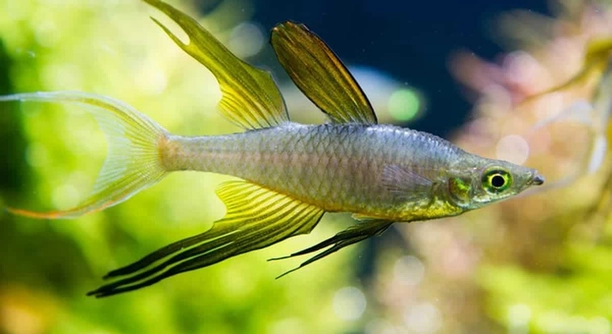
Do you enjoy keeping threadfins but worry about choosing the right tankmates for a peaceful aquarium? Finding compatible companions can be tricky, as these fish are active swimmers and may show aggression toward unsuitable species.
Threadfins are generally compatible with calm, non-aggressive species that occupy different levels of the tank. Suitable quiet tankmates include small tetras, peaceful barbs, rasboras, Corydoras catfish, gouramis, loaches, and some livebearers. These species minimize conflict and stress in shared habitats.
Choosing the right companions ensures harmony and balance, making your aquarium a calmer and more visually appealing environment for all its inhabitants.
Small Tetras
Small tetras make excellent tankmates for threadfins because they are peaceful and occupy different areas of the tank. Their schooling behavior keeps them moving together, which provides visual activity without causing aggression. Tetras are also hardy fish, which makes caring for them alongside threadfins easier. Popular options include neon tetras, ember tetras, and cardinal tetras. They tend to stay in the mid to upper levels of the tank, leaving the lower regions mostly for bottom dwellers. Their calm temperament and small size prevent them from challenging the threadfins for space or food. Threadfins generally tolerate their presence well, especially when the tank is spacious enough. Providing plenty of plants and hiding spots reduces stress and ensures the tetras feel secure. The combination of tetras and threadfins creates a balanced visual display, as their contrasting colors and movement patterns complement each other. With proper feeding and tank maintenance, these species coexist peacefully without disrupting the overall harmony of the aquarium environment.
Small tetras are reliable companions because they are non-aggressive and easy to maintain in a shared tank environment.
When keeping tetras with threadfins, it is important to monitor feeding carefully. Tetras prefer small flakes or micro-pellets that threadfins may not immediately compete for. Additionally, maintaining stable water conditions helps prevent stress-related aggression. Regular observation ensures both species remain healthy and active.
Corydoras Catfish
Corydoras catfish are excellent bottom dwellers that rarely disturb threadfins.
Corydoras are peaceful, social fish that prefer to live in groups of at least three. They constantly scavenge the tank floor for leftover food, preventing waste accumulation and keeping the environment clean. Their gentle nature ensures they do not compete with threadfins for territory or swimming space. These catfish are hardy and adaptable, tolerating a range of water parameters as long as the tank is well-maintained. Their armored bodies protect them from minor accidents, while their small size reduces the chance of conflict. Corydoras also enjoy shaded areas and plants, adding depth and interest to the tank setup. Their presence encourages a more natural ecosystem by interacting with the substrate. Regular feeding with sinking pellets or wafers ensures they remain healthy without disturbing midwater species. By pairing Corydoras with threadfins, aquarists can achieve a peaceful balance between upper, mid, and lower levels of the tank, creating a more complete and visually satisfying aquarium.
Peaceful Barbs
Peaceful barbs are ideal companions because they are active but non-aggressive. They swim in groups and occupy mid-levels, leaving space for threadfins to move freely. Their social nature prevents stress and encourages a balanced tank environment.
Barbs such as cherry barbs or gold barbs integrate smoothly with threadfins. Their schooling behavior reduces territorial disputes, as they focus on swimming together rather than challenging other species. Barbs adapt well to a variety of water conditions, which makes tank maintenance easier. They are also visually appealing, adding color and movement without disrupting the calm temperament of threadfins. Proper feeding ensures all species receive adequate nutrition, as barbs primarily consume flakes, small pellets, or occasional live food. Spacing and plants help maintain clear swimming areas for both barbs and threadfins, promoting harmony.
Keeping barbs with threadfins also helps manage activity levels. Barbs tend to occupy middle regions of the tank while threadfins explore upper areas. This separation minimizes interaction that could lead to chasing or stress. Including hiding spots for barbs and threadfins ensures safety during feeding or rest periods. Their combined presence enhances the tank’s dynamics without introducing aggression.
Gouramis
Gouramis are gentle and calm, making them a natural choice alongside threadfins. Their peaceful temperament allows them to coexist without territorial disputes or stress.
Dwarf gouramis, pearl gouramis, or honey gouramis are well-suited for community tanks with threadfins. They occupy mid to upper water levels, which complements the swimming patterns of threadfins. Gouramis are slow-moving and non-aggressive, reducing the chance of competition over space or food. They thrive in tanks with plants, as these provide resting and hiding areas. Regular feeding with flakes or small pellets ensures they remain healthy and do not outcompete other fish. Combining gouramis and threadfins creates a visually appealing balance, as the fish occupy different tank zones and show contrasting colors and behaviors. Their calm presence contributes to a stress-free environment, supporting the overall well-being of all tank inhabitants.
Loaches
Loaches are peaceful bottom dwellers that rarely interfere with threadfins. They are active at the substrate level, helping clean leftover food and maintaining a tidy tank environment.
Clown loaches or kuhli loaches are ideal choices. They prefer hiding spots and shaded areas, making them unobtrusive companions.
Rasboras
Harlequin rasboras and other small rasboras integrate well with threadfins due to their calm temperament. They swim in schools, keeping the tank lively without provoking aggression. Their mid-level swimming patterns complement threadfins, while their small size prevents territorial conflicts. Regular feeding with flakes or micro-pellets keeps them healthy, and planted areas give them security. Rasboras are hardy, adapt to stable water conditions, and coexist peacefully, ensuring a harmonious community. Their vibrant colors add visual appeal without disrupting the balance, making them reliable and attractive tankmates for threadfins.
Livebearers
Mollies and platies are calm, non-aggressive fish that coexist smoothly with threadfins, occupying mid-levels without causing stress or disputes.
FAQ
What makes a good tankmate for threadfins?
A good tankmate for threadfins is peaceful, non-aggressive, and occupies a different swimming zone than the threadfins. Fish that are active but do not challenge the threadfins for territory or food create a calm and balanced tank environment. Bottom dwellers, small schooling fish, and mid-level swimmers are usually safe options. Providing plants, hiding spots, and open swimming space ensures all species can coexist without stress. Hardiness and adaptability to stable water conditions are also important for maintaining a healthy community.
Can threadfins live with aggressive fish?
Threadfins do not pair well with aggressive or territorial species. Aggressive fish can chase or nip at threadfins, causing stress, injury, or even death. Avoid cichlids, large barbs, or other dominant tankmates. Instead, choose calm, small, and peaceful fish that complement the threadfins’ active swimming patterns. Monitoring behavior after introducing new fish is essential. Stress signs include hiding, loss of appetite, or erratic swimming. A peaceful combination prevents competition over food and space, helping maintain long-term harmony in the tank.
How many tankmates should I keep with threadfins?
The number of tankmates depends on the tank size and the species’ swimming needs. Threadfins are active swimmers, so a larger tank allows more companions. Schooling fish, like tetras or rasboras, should be kept in groups of at least three to five to prevent stress and maintain natural behavior. Bottom dwellers, such as Corydoras or loaches, can be kept in small groups. Avoid overcrowding, as it increases aggression, competition, and poor water quality. Calculating space per fish helps maintain health and reduces stress for all inhabitants.
Do threadfins require special feeding when housed with tankmates?
Threadfins are generally mid-water feeders, so providing a mix of flakes, pellets, and occasional live food ensures they get enough nutrition. Tankmates that occupy different levels, such as bottom dwellers, should receive sinking pellets or wafers separately. Feeding at multiple locations prevents competition and ensures all species eat adequately. Observing mealtime helps identify any fish that may be outcompeted or stressed. Regularly varying food types also supports balanced nutrition and reduces aggression related to food scarcity.
How can I prevent conflicts between threadfins and tankmates?
Providing enough swimming space, hiding spots, and plants reduces territorial disputes. Pairing calm species with different swimming levels minimizes interactions that could trigger aggression. Avoid sudden changes in the tank, such as rearranging decor or adding too many new fish at once. Regular monitoring of behavior is crucial to spot early signs of stress or conflict. Maintaining stable water parameters, including temperature, pH, and filtration, ensures a healthy environment. Keeping the tank well-fed and spacious allows threadfins and their companions to coexist peacefully.
Are there signs my threadfins are stressed by their tankmates?
Signs of stress include hiding, erratic swimming, loss of appetite, or faded colors. Frequent chasing, nipping, or fin damage indicates that a tankmate may be incompatible. Stressed threadfins may also become less active or avoid certain areas of the tank. Immediate observation of tank conditions, behavior, and water parameters helps identify the cause. Adjusting tankmates, feeding routines, or environmental enrichment can alleviate stress. Recognizing these signs early ensures threadfins remain healthy and reduces the risk of long-term problems in a community aquarium.
Can adult threadfins live with juvenile fish?
Adult threadfins generally tolerate small, non-aggressive juvenile fish that occupy different swimming levels. However, very small juveniles may be at risk if the adult fish mistake them for food. Choosing juvenile species that are active, schooling, and occupy mid to upper levels reduces the chance of predation. Feeding routines and hiding spots further protect juveniles. Regular observation is essential to ensure both adults and juveniles coexist safely. Proper pairing ensures a balanced and peaceful tank where all fish can thrive.
How often should I monitor a mixed tank with threadfins?
Daily observation is recommended for monitoring behavior, feeding, and general health. Weekly water testing ensures parameters like ammonia, nitrite, nitrate, and pH remain stable. Changes in activity, appetite, or appearance can signal stress or disease. Prompt action, such as separating aggressive fish or adjusting feeding, prevents long-term problems. Regular maintenance, including partial water changes and filter cleaning, supports a stable environment. Consistent monitoring keeps threadfins and their tankmates healthy and minimizes conflict in a community aquarium.
This FAQ covers the key considerations for keeping threadfins with compatible tankmates, ensuring harmony, health, and longevity in your aquarium.
Final Thoughts
Keeping threadfins in a community tank can be a rewarding experience when the right tankmates are chosen. Threadfins are active swimmers that need plenty of space, so selecting peaceful, non-aggressive fish is essential. Choosing species that occupy different areas of the tank helps reduce stress and minimizes conflicts. Schooling fish such as tetras or rasboras stay in mid to upper levels, while bottom dwellers like Corydoras or loaches remain out of the threadfins’ way. Gouramis and livebearers can also share the tank without issues because they are calm and slow-moving. Creating a well-planned environment with open swimming spaces, plants, and hiding spots allows all fish to coexist comfortably. Paying attention to the behavior of your threadfins and tankmates ensures that stress is minimized and that each species can thrive in the shared environment.
Feeding routines also play an important role in maintaining peace in the aquarium. Threadfins primarily feed in mid-water, so providing flakes, pellets, or live food that suit their needs is necessary. Bottom-dwelling fish require sinking pellets or wafers to ensure they get enough nutrition without competing with threadfins. Observing feeding times can help you identify if any species is being outcompeted or stressed. It is also helpful to provide food at multiple locations in the tank. This prevents crowding and ensures all species have access to what they need. Maintaining a consistent schedule for feeding, combined with careful attention to water conditions and tank size, supports the health and balance of the aquarium.
Overall, harmony in a threadfin community tank depends on careful planning and observation. Selecting compatible species, providing adequate space, and monitoring behavior are all key factors. Threadfins and their quiet tankmates can coexist peacefully if stress, competition, and aggression are minimized. A stable environment with proper feeding, hiding spots, and plants encourages natural behavior and reduces tension among the fish. By investing time in tank design, maintenance, and monitoring, you create a balanced and visually appealing aquarium. A calm and healthy tank benefits both the threadfins and their companions, making the experience of keeping them more enjoyable and sustainable for the long term.

Hello,
If you enjoy the content that we create, please consider saying a "Thank You!" by leaving a tip.
Every little bit helps us continue crafting quality advice that supports the health, happiness, and well-being of pets around the world, for pets of all shapes, sizes, and species.
We really appreciate the kindness and support that you show us!