
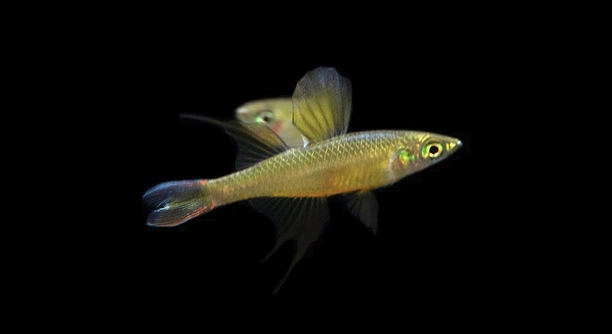
Have you ever noticed threadfins lingering near the edges of rivers or estuaries instead of moving into open water? These slender fish often stay close to familiar environments, seeming cautious and deliberate in their movements.
Threadfins might refuse to swim in open water due to predation risk, unfamiliar currents, and limited food availability. Environmental factors such as water clarity, temperature, and shelter influence their behavior, causing them to favor protected or shallow areas for survival.
Observing these patterns can reveal much about threadfins’ instincts and preferences, helping us better understand their habits and environmental needs.
Predation and Safety Concerns
Threadfins are naturally cautious fish, and one of the main reasons they avoid open water is the constant threat of predators. Large fish, birds, and even humans create an environment where venturing too far from cover can be risky. Staying near structures, vegetation, or shallower water gives them a chance to hide quickly if danger appears. Their schooling behavior also helps; when grouped together, threadfins can detect movements and changes more easily, increasing their chances of survival. In open water, this advantage diminishes, leaving them vulnerable. Safety is a higher priority than exploration or feeding in these situations.
Predators make open water a less favorable option for threadfins, limiting their movements to safer areas where threats are minimal.
Understanding the natural instincts of threadfins can explain why they prefer sheltered areas. They balance feeding needs with safety, often moving in short bursts when hunting or avoiding danger. Environmental changes, like stronger currents or sudden drops in temperature, may increase their caution. By staying close to protection, they ensure they can react quickly, preserving energy and avoiding unnecessary risks. This behavior highlights the importance of habitat structure and the subtle ways fish assess their surroundings.
Environmental Factors and Water Conditions
Temperature, salinity, and clarity affect threadfins’ willingness to enter open water. Small changes can impact their comfort and activity levels.
Threadfins are sensitive to environmental conditions. High currents, low oxygen levels, and murky waters make them reluctant to leave familiar habitats. They prefer areas where the water is stable, clear, and within an optimal temperature range. Open water often lacks these ideal conditions, reducing their activity and feeding efficiency. In estuaries or protected regions, they can regulate their movements more effectively, avoiding stress. Human activity, like boating or fishing, can also influence their behavior.
These fish are adapted to specific habitats, and sudden exposure to open water can disrupt their routines. Currents may demand more energy than they can safely expend, increasing fatigue and vulnerability. Changes in salinity or water clarity can interfere with their ability to find food or navigate efficiently. Threadfins rely on visual cues and sensory input to detect predators and prey, so less predictable environments can limit exploration. By understanding these factors, observers and conservationists can create conditions that support their natural behavior and reduce stress, ensuring that these fish remain healthy and active while minimizing unnecessary exposure to risk.
Feeding Habits and Food Availability
Threadfins often stay near the shore because their preferred food sources are more abundant in shallow, sheltered areas. Small crustaceans, insects, and plankton are easier to find where currents are slower and vegetation provides a natural feeding ground.
Open water presents challenges for feeding. Food tends to be more dispersed, requiring greater effort to locate and capture. Threadfins rely on predictable prey patterns, and the uncertainty of open water can make foraging inefficient. In shallow regions, they can conserve energy while accessing plentiful resources, which supports growth and overall health. The energy saved by staying near feeding grounds allows them to respond quickly to predators and adapt to changing conditions.
Their feeding habits are closely linked to their environment. Threadfins often move in small groups to exploit abundant food while reducing exposure to threats. These patterns are influenced by the type of prey available, water depth, and current strength. When food is scarce in open water, threadfins avoid unnecessary risk, preferring areas where feeding is reliable. This behavior also affects their migration patterns and seasonal movements, showing that their feeding strategy is a critical factor in habitat selection.
Social Behavior and Group Dynamics
Threadfins often travel in schools, which helps them feel safer and more coordinated in familiar areas. Staying close to others reduces stress and improves survival chances.
Schooling behavior impacts how threadfins interact with their environment. In open water, cohesion can be harder to maintain because there are fewer reference points, and currents can separate individuals. Groups rely on visual and sensory cues to stay together, and these cues are more reliable near structures or shallow zones. Social bonds influence movement patterns, feeding efficiency, and predator avoidance. Staying together allows threadfins to share information about threats and resources.
Group dynamics are crucial for threadfins’ overall wellbeing. A strong school structure helps individuals detect predators faster and enhances cooperative feeding. In open water, weaker cohesion can lead to stress and increased vulnerability, making the fish more cautious. Social interactions also guide reproductive behavior, territory establishment, and migration timing. Threadfins rely on their group for navigation and safety, preferring environments that allow them to maintain these connections. By sticking to predictable areas, they ensure that social bonds remain intact and daily activities can continue with minimal risk.
Water Currents and Movement
Strong currents in open water can be exhausting for threadfins, making them avoid these areas. They prefer calmer waters where swimming requires less energy and allows better control over movement.
Shallow or sheltered areas reduce the effort needed to navigate. Threadfins can conserve energy while maintaining stability, avoiding unnecessary fatigue that could increase vulnerability to predators.
Habitat Familiarity
Threadfins are comfortable in environments they know well. Familiar surroundings help them locate food, hide from predators, and navigate efficiently.
Seasonal Changes
Changes in temperature, rainfall, and water levels affect threadfins’ behavior. They adjust movements and feeding patterns according to these variations.
Human Activity
Boating, fishing, and pollution can disrupt threadfins’ preferred habitats. Fish often stay away from areas with frequent disturbances.
FAQ
Why do threadfins avoid open water even when it seems safe?
Threadfins are naturally cautious fish. Even when water appears safe, factors like predator presence, strong currents, and unfamiliar territory make them hesitant. They prefer areas where they can quickly find shelter and reliable food. Staying near structures or shallow zones gives them a sense of security and energy efficiency.
Do threadfins ever explore open water?
Yes, but usually in small, controlled bursts. They often test new areas gradually, moving a short distance while remaining close to safety. Exploration tends to occur when food scarcity or environmental changes force them to expand their range. Even then, they return to familiar areas once the immediate need is met.
How do predators influence threadfins’ behavior?
Predators strongly shape where threadfins swim. Birds, larger fish, and even human activity create threats that threadfins are highly aware of. Staying in shallow or sheltered areas reduces their risk of being caught. Schooling also improves detection of predators, allowing individuals to react quickly and survive.
Does water clarity affect their willingness to move?
Yes, threadfins rely on visual cues to find food and spot threats. Murky or turbid water makes them uneasy, as it reduces visibility and increases risk. Clear, calm waters allow them to feed efficiently and maintain safety, which explains why they often avoid open water with poor clarity.
Are threadfins affected by water temperature and currents?
Absolutely. Threadfins prefer stable temperatures and gentle currents. Open water with strong currents demands more energy, which increases fatigue and stress. Temperature fluctuations can also affect metabolism and feeding patterns. Staying in familiar, moderate conditions allows them to conserve energy while thriving.
How does social behavior influence their habitat choices?
Threadfins often swim in schools, which helps them detect predators and coordinate feeding. Open water can disrupt these groups, making individuals feel exposed and stressed. Staying near familiar areas allows the school to remain cohesive, ensuring protection, efficient foraging, and overall wellbeing.
Do human activities impact their movement?
Yes, human presence such as boating, fishing, and pollution can make threadfins avoid certain areas. Disturbances in open water increase stress and reduce the fish’s willingness to leave sheltered habitats. Protecting their environment helps maintain natural behavior and reduces unnecessary risk.
Can food availability drive threadfins into open water?
Sometimes, when food in sheltered areas becomes scarce, threadfins may venture into open water. However, they do so cautiously and usually in small groups. They weigh energy expenditure against potential reward, often returning to safer zones once they have enough resources.
Do threadfins change behavior seasonally?
Seasonal changes like rainfall, temperature shifts, and water level fluctuations influence threadfins’ movements. They may adjust feeding and migration patterns to adapt to new conditions, but they still prefer familiar, protected habitats whenever possible to ensure safety and conserve energy.
What can be done to encourage threadfins in open water?
Maintaining calm water, stable temperatures, and plentiful food can encourage exploration. Minimizing disturbances and providing structures or safe zones in open areas can help them feel secure. Gradual changes allow threadfins to adapt without unnecessary stress, balancing safety and opportunity.
Are all threadfins equally cautious?
No, individual behavior varies. Some are bolder or more exploratory, especially younger or hungrier fish. However, overall, threadfins favor safety, and most avoid open water unless conditions strongly favor it. Social dynamics and environmental factors heavily influence individual tendencies.
How do threadfins detect threats in open water?
Threadfins use vision, lateral line sensing, and schooling cues to detect threats. Open water can limit these cues due to lack of structures and visibility, making detection harder. This risk encourages them to remain in familiar, structured areas where threats are easier to notice and respond to.
Can they adapt to open water over time?
Gradually, threadfins can adapt if conditions are safe, food is available, and social groups remain intact. Adaptation requires repeated exposure in controlled, low-risk environments. However, instinctive caution often limits full adaptation, keeping most threadfins in safer zones for the majority of their lives.
Do environmental changes force them into open water?
Significant changes like flooding, habitat loss, or prey scarcity can push threadfins into open water. Even then, movement is cautious and temporary. They actively seek the nearest shelter while minimizing energy use and risk, highlighting how survival instincts guide behavior under stress.
Is schooling more important than food when choosing where to swim?
Both factors matter, but safety within a school often takes priority. Threadfins are more likely to forgo feeding opportunities in open water if schooling cohesion is disrupted. Protection from predators and coordination within the group guide habitat choice more than immediate access to food.
Do younger threadfins behave differently than adults?
Younger threadfins are often more cautious due to inexperience and higher vulnerability. Adults may explore slightly more, especially if food is scarce, but instinctual caution keeps all age groups near protective environments. Learning and social interaction influence how each fish responds to new conditions.
How important is vegetation for their comfort?
Vegetation provides shelter, food, and navigational cues. Threadfins rely on plants and structures to feel secure. Open water without cover removes these advantages, making them hesitant to venture far. The presence of vegetation directly correlates with their willingness to explore and feed efficiently.
Are threadfins sensitive to noise and vibrations?
Yes, they are highly sensitive to disturbances. Sudden noise, vibrations from boats, or industrial activity can startle them, increasing stress and reducing their likelihood of entering open water. Calm, predictable environments are key to maintaining natural movement patterns.
Can threadfins learn to overcome their fear of open water?
With repeated exposure and safe conditions, threadfins can gradually become more comfortable. However, instinctual caution remains strong. Progress is slow and depends on food availability, environmental stability, and social reinforcement from their school. Patience and controlled conditions are essential for adaptation.
Does water depth influence their decisions?
Yes, deeper water often feels risky. Threadfins prefer shallow regions where they can quickly detect predators and access food. Open water with sudden depth changes increases vulnerability and energy expenditure, making them less likely to venture far from familiar habitats.
How do seasonal prey changes affect them?
Seasonal variations in prey availability can temporarily push threadfins to explore new areas, including open water. They often do so cautiously, moving in small groups while constantly monitoring for threats. Once prey is found or conditions change, they return to familiar, safer zones.
Are there long-term consequences if threadfins avoid open water entirely?
Avoiding open water generally supports survival and energy conservation. However, it can limit access to certain food sources or breeding areas. In stable habitats, the benefits outweigh the risks, reinforcing cautious behavior across generations.
Do threadfins communicate stress within the school?
Yes, behavioral cues such as sudden directional changes or increased speed signal danger. These cues help the group respond collectively, reducing the need for individual exploration of risky open water and enhancing survival across the school.
What is the most critical factor keeping threadfins from open water?
Predation risk remains the most influential factor. Combined with currents, environmental unfamiliarity, and social cohesion, threadfins consistently favor safe, familiar areas over the unpredictability of open water. This instinct ensures survival, efficient feeding, and overall wellbeing.
How can we observe their natural behavior safely?
Observing from a distance using clear water zones or protective viewing areas minimizes disturbance. Providing structured habitats for research allows natural patterns to emerge, revealing preferences for shallow, sheltered zones without forcing risk-taking.
Are threadfins’ choices mostly instinct or experience?
Both play roles. Instinct drives initial caution, while experience teaches safe areas and feeding efficiency. Fish learn over time which zones are reliable, but instinct ensures survival, keeping them cautious in open, unfamiliar waters.
Does population density affect movement?
High density can increase competition for food, sometimes encouraging small explorations into open water. However, strong schooling behavior and risk avoidance usually dominate, keeping most individuals in familiar, protective habitats to balance safety with resource access.
Are threadfins more active at certain times of day?
Yes, activity often peaks during low-light periods like early morning or late afternoon. These times reduce visibility to predators, allowing safer feeding and limited exploration while maintaining proximity to shelter.
Do threadfins ever abandon familiar habitats permanently?
Permanent abandonment is rare. Only significant environmental shifts, habitat loss, or prolonged food scarcity drive them to relocate fully. Even then, movements are cautious and temporary when possible, emphasizing the importance of familiar, protective environments.
Can artificial shelters influence their behavior?
Yes, structures like submerged vegetation, rocks, or artificial reefs can encourage threadfins to explore slightly further while maintaining safety. They feel more confident when additional cover is available, reducing stress and energy expenditure during movement.
How does water quality influence their movements?
Poor water quality—pollution, low oxygen, or extreme temperatures—discourages open water exploration. Threadfins are sensitive and will remain in safer, cleaner zones to avoid stress and maintain health, showing strong habitat selectivity.
Do threadfins respond differently in estuaries versus rivers?
Yes, estuaries often provide abundant food, moderate currents, and shelter, encouraging slightly more exploration. Rivers may have stronger currents and fewer protective structures, limiting movement. Habitat type directly shapes behavior, with sheltered areas preferred across both environments.
Can predators indirectly affect threadfins’ feeding patterns?
Definitely. The presence of predators can make threadfins skip feeding in open water, forcing them to rely on safer zones. Risk management often outweighs immediate nutritional needs, showing how survival instincts dominate daily behavior.
Are there differences between male and female threadfins in movement?
Subtle differences exist. Females may prioritize shelter when carrying eggs, while males may explore slightly for territory or mating opportunities. Overall, caution remains high for both sexes, but reproductive roles can influence short-term movement patterns.
Do threadfins recognize human presence?
Yes, they can detect humans and boats, often increasing wariness. Sudden disturbances cause stress, prompting retreat to sheltered areas. Minimizing interference helps preserve natural behaviors and reduces unnecessary energy expenditure.
How important is sensory input for decision-making?
Highly important. Lateral line sensing, vision, and schooling cues allow threadfins to detect predators and prey. Open water limits reliable sensory input, reinforcing their preference for familiar, structured habitats where information is easier to process.
Can stress from open water exposure affect reproduction?
Yes, prolonged stress can reduce breeding success. Threadfins prioritize safe, low-stress areas for spawning to maximize survival of both adults and offspring, highlighting the connection between habitat choice and reproductive health.
What are signs that a threadfin is stressed in open water?
Rapid darting, erratic swimming, tight schooling, and hiding are common signs. Stress reduces feeding efficiency and increases energy use, emphasizing why threadfins avoid open, unpredictable areas whenever possible.
Do seasonal migrations change their relationship with open water?
Only slightly. Some seasonal movements force limited exposure, but the fish remain cautious, sticking to edges, sheltered zones, or areas with cover. Instinct and risk assessment continue to guide behavior throughout migration.
Is energy conservation a key reason for avoiding open water?
Yes, swimming in open water requires more energy due to currents and lack of cover. Staying in familiar, calm areas allows threadfins to conserve energy for feeding, predator avoidance, and reproduction, making cautious behavior adaptive and efficient.
Do threadfins ever compete for open water space?
Competition is minimal since most avoid open water. When food scarcity or environmental shifts force exploration, small groups may temporarily compete, but schooling behavior and risk aversion usually dominate, keeping conflicts low and reinforcing cautious movement patterns.
Can predators teach threadfins to avoid certain areas?
Indirectly, yes. Observing attacks or disturbances trains individuals to avoid risky zones. Schools can transmit this learning, reinforcing preference for safe, familiar habitats over dangerous open water.
How do seasonal water level changes influence behavior?
Rising or falling water levels can expand or reduce available sheltered zones. Threadfins adapt by shifting within these areas rather than venturing fully into open water, balancing safety with access to resources.
Do threadfins exhibit curiosity despite caution?
Yes, cautious exploration occurs when food or habitat changes demand it. Curiosity is measured, often involving small movements while staying close to shelter, ensuring survival is not compromised.
Are there differences between freshwater and brackish threadfins?
Behavior is similar, with both preferring structured, protective areas. Differences arise from local currents, prey availability, and predator types, but avoidance of open water remains consistent across environments.
Can threadfins recover from open water stress?
Yes, returning to familiar areas and stable conditions allows them to calm, feed, and resume normal activity. Recovery is quicker in groups where social cohesion supports security and reduces ongoing stress.
Does schooling reduce the need to explore open water?
Yes, schools provide shared information on food, threats, and safe movement. With reliable cues from companions, individual fish can avoid unnecessary exploration, relying on the group to maintain efficiency and safety.
Are there signs of adaptation to open water over generations?
Minor adaptations can occur if conditions remain safe over time. Fish may gradually extend foraging range, but instinctual caution persists. Evolutionary change is slow, and preference for protective habitats dominates daily behavior.
Do threadfins show risk assessment skills?
Absolutely. They constantly evaluate predator presence, energy costs, and environmental cues. Open water is often deemed too risky, demonstrating a balance between survival instincts and feeding needs.
How do currents and tides interact with schooling behavior?
Strong currents can separate schools and increase energy use. Threadfins prefer zones where currents are manageable, maintaining cohesion and reducing stress. This interplay explains why open water is less frequently used.
Can artificial feeding sites change behavior?
Yes, predictable food can encourage cautious exploration, but fish still rely on shelter and schooling cues. Safe zones near feeding sites allow gradual adaptation without compromising survival.
Do threadfins learn from other species?
Occasionally, they observe predator patterns or prey behavior, but most risk assessment is species-specific. Learning from others can influence minor movement choices but does not override instinctual caution.
Are juvenile threadfins more adaptable than adults?
Juveniles may explore slightly more to find food, but vulnerability keeps their movements restricted. Adults show more measured responses, balancing experience with safety. Overall, both age groups avoid open water unless strongly incentivized.
How does water pollution affect open water behavior?
Pollution increases stress, reduces visibility, and lowers oxygen levels. Threadfins respond by remaining in cleaner, sheltered areas. Poor conditions in open water reinforce avoidance, showing sensitivity to environmental quality.
Can repeated safe exposure build confidence?
Yes, gradual exposure in calm, predictable conditions allows threadfins to extend their range slightly. Confidence grows when food, shelter, and social cues remain reliable, but instinctive caution still limits full open water exploration.
Are there seasonal peaks in open water activity?
Minor peaks may occur when food or breeding needs arise, but most activity remains near protective areas. Seasonal shifts influence movement, but risk assessment continues to dominate behavior.
Does predator density influence group size in open water?
High predator density encourages larger schools in safer zones, reducing the need to explore open water. Threadfins balance group cohesion with energy efficiency, preferring structured areas for both feeding and protection.
How do threadfins sense chemical cues in water?
Chemical signals alert them to predators, prey, or environmental changes. Open water disperses these cues, making detection harder and increasing perceived risk. Staying in familiar areas ensures reliable sensory input and safer behavior.
Do human interventions like artificial reefs help them explore?
Yes, structures reduce perceived risk, allowing cautious exploration. Threadfins are more likely to investigate areas with cover while maintaining safety and energy efficiency.
How important is long-term memory for habitat selection?
Very important. Threadfins remember safe zones, predator encounters, and food-rich areas. This memory reduces unnecessary risk and guides daily decisions about venturing into less familiar waters.
Can open water exploration impact growth?
Occasional exploration may provide new food sources, but excessive exposure increases energy use and stress, potentially limiting growth. Most threadfins balance opportunity with safety to maintain health.
Do social hierarchies influence movement?
Yes, dominant individuals may lead cautious exploration, while subordinates follow. Social structure maintains school cohesion and reduces individual risk in open water.
Are threadfins affected by seasonal storms?
Storms create strong currents and turbulence, making open water highly risky. Threadfins retreat to sheltered areas, emphasizing the importance of environmental stability for safe activity.
Do threadfins communicate about safe zones?
Indirectly, through schooling behavior, position, and movement. Individuals respond to companions’ cues, reducing the need for risky exploration and reinforcing preference for familiar, protective habitats.
Can observation affect their natural behavior?
Yes, intrusive observation can increase stress, prompting retreat. Maintaining distance and using clear water zones allows accurate study without disturbing natural movement patterns.
Are threadfins’ instincts stronger than learned behavior?
Yes, instinct drives initial caution and risk assessment, while learned experience fine-tunes habitat choices. Together, they ensure survival while limiting unnecessary exposure to open water.
Do threadfins prefer shallow waters for spawning?
Yes, shallow zones provide cover, stable conditions, and easier predator detection. Open water is generally avoided during reproduction to maximize survival of both adults and offspring.
How long can threadfins tolerate open water exposure?
Short periods are manageable if conditions are safe, but prolonged exposure increases stress, energy use, and vulnerability. They usually return to familiar habitats as soon as possible.
Are there seasonal variations in predator pressure?
Yes, predator presence may increase during certain seasons, influencing movement. Threadfins adapt by staying closer to cover, minimizing risky open water activity, and maintaining group cohesion.
Do threadfins have a preferred distance from shore?
Generally, they stay close enough to quickly access shelter or shallow areas. Distance depends on currents, predator presence, and food availability, but open water is rarely favored.
Can open water exploration improve survival skills?
Limited exploration can teach risk assessment and foraging strategies, but excessive exposure increases vulnerability. Threadfins balance learning opportunities with instinctual caution to maintain safety.
Do environmental disruptions like damming affect behavior?
Yes, changes in water flow, depth, and habitat structure can push threadfins into new areas. They adapt cautiously, prioritizing familiar zones for feeding and protection whenever possible.
Are threadfins more likely to explore at night?
Some activity occurs under low light to reduce predator visibility, but schooling, currents, and food availability still dictate movement. Risk remains a key factor limiting full open water exploration
Threadfins are cautious fish that prioritize safety over exploration. Their behavior is shaped by a combination of instincts, environmental conditions, and social dynamics. Open water presents challenges that many threadfins are not willing to take lightly. Strong currents, lack of cover, and unpredictable food availability make open areas risky for them. Staying close to familiar habitats allows threadfins to monitor for predators, find food efficiently, and conserve energy. This cautious approach is not a sign of weakness, but a strategy that has helped the species survive over generations. Observing threadfins in shallow or protected waters provides a clear picture of how instinct and environment guide their daily movements.
Social behavior plays an important role in how threadfins interact with their surroundings. Most threadfins travel in schools, and this grouping gives them protection and guidance. Being part of a school allows individual fish to respond quickly to threats and to locate food more easily. In open water, schooling can be harder to maintain, which increases stress and reduces confidence. Threadfins rely on both visual cues and sensory input from their companions to navigate safely. This explains why many threadfins avoid open areas even when food or resources might be present there. The school provides a sense of structure and security, making familiar habitats more appealing than unknown territory.
Environmental factors, such as temperature, water clarity, and seasonal changes, also influence their choices. Threadfins are more likely to remain in areas with stable conditions where they can predict currents, find food, and avoid predators. Sudden changes, such as pollution, storms, or fluctuations in water levels, can temporarily alter behavior, but these fish generally return to safer, known areas once conditions normalize. Their instincts, combined with learned experience, guide them toward habitats that balance safety with feeding efficiency. Overall, threadfins’ avoidance of open water is a reflection of careful survival strategies. By understanding their habits and preferences, we can appreciate the ways these fish interact with their environment and the factors that shape their behavior.

Hello,
If you enjoy the content that we create, please consider saying a "Thank You!" by leaving a tip.
Every little bit helps us continue crafting quality advice that supports the health, happiness, and well-being of pets around the world, for pets of all shapes, sizes, and species.
We really appreciate the kindness and support that you show us!