
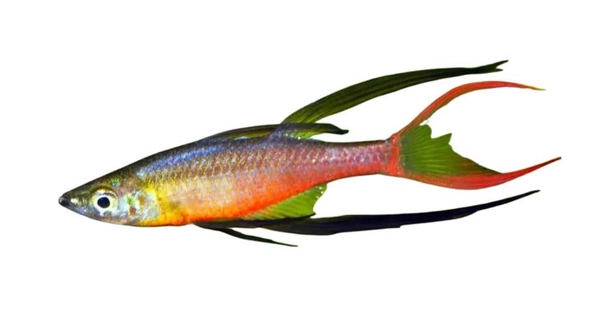
Do your Threadfin Rainbowfish suddenly dart around the tank, leaving you wondering what could be causing their unexpected behavior? Sudden movements can often be alarming, especially when your usually calm fish begin acting strangely.
The main causes of sudden darting in Threadfin Rainbowfish are stress, poor water conditions, sudden light changes, temperature fluctuations, aggressive tank mates, parasites, and improper acclimation. Each of these factors can trigger erratic swimming or panic responses.
Understanding these causes will help you create a calmer and safer environment, allowing your Threadfin Rainbowfish to thrive peacefully in their aquarium home.
Stress and Environmental Changes
Threadfin Rainbowfish are delicate creatures that can easily become stressed by sudden changes in their environment. Loud noises, frequent tank maintenance, or rearranging decorations can cause them to dart around suddenly. Even slight vibrations or movements near the tank can trigger this reaction. Stress weakens their immune system and affects their overall behavior, leading to constant darting, hiding, or loss of appetite. Maintaining a calm and predictable setting helps them feel secure. Avoid tapping on the glass or making quick movements around their tank, as it can startle them. A quiet, steady atmosphere ensures their comfort and stability.
When your fish show signs of stress, it’s important to act quickly. Check for sudden changes in water temperature, lighting, or tank activity. Gradually adjust conditions instead of making abrupt modifications to give them time to adapt comfortably. Stability plays a major role in keeping Threadfin Rainbowfish relaxed.
Creating a peaceful environment doesn’t just calm their behavior—it also promotes better color, feeding habits, and social interactions. Introducing floating plants can soften light exposure and give them a sense of safety. Consistent care routines and avoiding frequent changes help them stay confident and active without sudden darting episodes. With patience and balance, you’ll notice them swimming gracefully again.
Poor Water Quality
Poor water quality is one of the most common causes of sudden darting in Threadfin Rainbowfish. When toxins such as ammonia or nitrite levels rise, it can irritate their gills and skin, making them swim erratically or gasp for air.
Monitoring your aquarium’s water parameters is essential to their health. Test the water regularly using a reliable kit and aim for stable conditions—ammonia and nitrite should always read zero, and nitrates should remain low. Perform partial water changes weekly, ideally around twenty to thirty percent, to maintain balance. Cleaning filters and removing uneaten food or waste helps prevent harmful buildup. Avoid overfeeding, as decaying leftovers quickly affect the water’s quality. Threadfin Rainbowfish are sensitive to even minor imbalances, so consistency is key. Good filtration and proper aeration also ensure enough oxygen circulation, reducing stress-related darting. Keeping their habitat clean not only prevents illness but also encourages calm, graceful swimming and a healthy, thriving tank environment.
Sudden Light Changes
Sudden light changes can easily startle Threadfin Rainbowfish, causing them to dart across the tank in panic. Turning lights on or off too quickly disrupts their sense of security and can make them feel exposed or threatened in their environment.
To reduce stress, it’s best to maintain a consistent lighting schedule. Use a timer or gradually dim the lights before turning them off completely. This helps your fish adjust naturally, much like how daylight fades in nature. Avoid placing the tank in areas with frequent flashes of light, such as near windows or televisions. Threadfin Rainbowfish thrive in soft, steady lighting that mimics their natural surroundings. Sudden brightness can shock them, while overly dark settings may increase anxiety. A gentle lighting transition keeps them calm and prevents sudden darting or hiding behaviors.
Over time, consistent lighting routines create a predictable rhythm that helps them feel secure. Their movements become smoother, and their colors often appear more vivid. You’ll notice a more relaxed, confident behavior once they recognize that light changes occur slowly and safely each day. This simple adjustment not only prevents darting but also supports their overall well-being and comfort within the aquarium.
Temperature Fluctuations
Temperature fluctuations are another common reason Threadfin Rainbowfish may dart suddenly. Even small changes can disturb their balance, making them feel uncomfortable or unsafe. Rapid shifts often happen during water changes or when heaters malfunction, creating instability in the tank’s environment.
Keeping the water temperature steady between 75°F and 82°F helps prevent stress. Always check the new water’s temperature before adding it to the tank. Using a reliable heater and thermometer ensures consistent warmth throughout the day and night. Avoid placing the aquarium near windows or vents where drafts or sunlight can cause quick temperature changes. Threadfin Rainbowfish are tropical fish, and stability is essential for their health. Fluctuations can affect their metabolism and immune system, leading to erratic behavior and illness. By maintaining even temperatures, you create a calm, safe space where they can swim freely without panic or discomfort.
Aggressive Tank Mates
Aggressive tank mates can frighten Threadfin Rainbowfish, causing them to dart around in panic. Larger or territorial fish may chase or nip at them, making it difficult for them to relax and swim normally in their environment.
Separating aggressive species or providing hiding spaces can reduce stress. Adding plants or decorations helps create safe zones where they can retreat when threatened. Choosing peaceful tank mates ensures a more stable and comfortable environment, allowing your Threadfin Rainbowfish to move calmly without fear or sudden darting.
Parasites and Illness
Parasites and internal infections can irritate your fish, leading to darting, rubbing against surfaces, or erratic swimming. Common issues include ich, gill flukes, or skin parasites. Checking for white spots, redness, or labored breathing can help identify problems early before they worsen. Treating infections promptly with the correct medication and maintaining clean water prevents recurring issues. Quarantining new fish before introducing them into the main tank also reduces the risk of spreading parasites. Healthy, stress-free fish are less likely to dart or show distress-related behaviors.
Improper Acclimation
Improper acclimation after purchase or relocation can cause sudden darting. Introducing Threadfin Rainbowfish too quickly into a new tank shocks their system. Gradual temperature and water adjustment allow them to adapt safely, preventing stress and erratic swimming. Proper acclimation ensures a smooth transition and stable behavior afterward.
What causes Threadfin Rainbowfish to dart suddenly?
Sudden darting in Threadfin Rainbowfish is usually caused by stress, poor water quality, sudden light or temperature changes, aggressive tank mates, parasites, or improper acclimation. Each of these factors can trigger a flight response, making the fish swim quickly or erratically. Observing their environment closely can help identify the cause.
How can I tell if stress is affecting my fish?
Stress in Threadfin Rainbowfish shows as frantic swimming, hiding, loss of appetite, or color fading. They may also cling to corners or decorations for safety. Long-term stress can weaken their immune system, making them prone to illness. Maintaining calm surroundings and minimizing disturbances reduces these behaviors effectively.
Why is water quality so important?
Poor water quality directly impacts fish health. High ammonia or nitrite levels irritate gills and skin, while elevated nitrates weaken the immune system. Regular testing, partial water changes, and proper filtration keep the water stable. Clean water prevents sudden darting caused by discomfort or irritation.
How do light changes affect Threadfin Rainbowfish?
Threadfin Rainbowfish are sensitive to sudden lighting shifts. Flicking the lights on or off can startle them, causing rapid movements. Using a consistent lighting schedule or gradually dimming lights prevents panic. Floating plants or decorations can soften light intensity, helping the fish feel secure and confident.
Can temperature changes make them dart?
Yes, even small temperature fluctuations disturb their balance. Rapid changes often occur during water changes or heater malfunctions. Keeping water between 75°F and 82°F and using a thermometer ensures stability. Gradual adjustment during maintenance prevents stress-related darting.
Do tank mates influence their behavior?
Aggressive or territorial tank mates can frighten Threadfin Rainbowfish, prompting sudden darting. Providing hiding spots, adding plants, or separating aggressive species reduces stress. Choosing peaceful tank mates creates a calmer environment, allowing the fish to swim normally without fear.
What role do parasites or illnesses play?
Parasites such as ich or gill flukes cause irritation and erratic movements. Symptoms include white spots, redness, or labored breathing. Prompt treatment and quarantine of new fish prevent spread. Healthy, clean tanks reduce the risk of infection and associated darting behaviors.
How important is acclimation for new fish?
Improper acclimation shocks fish, causing panic and erratic swimming. Gradually adjusting temperature and water conditions when introducing Threadfin Rainbowfish ensures they adapt safely. This step is crucial for preventing stress-related darting and helping the fish settle into their new tank comfortably.
What are effective ways to reduce darting?
Maintaining stable water parameters, consistent lighting, calm surroundings, proper acclimation, and peaceful tank mates are key. Providing hiding spots, keeping up with regular tank maintenance, and monitoring for parasites all help your fish feel secure and reduce sudden, erratic movements.
How can I monitor my fish for ongoing issues?
Observe their swimming patterns, appetite, and coloration daily. Keep records of water tests and note any changes in behavior. Early detection of stress, illness, or environmental changes allows for quick action, preventing prolonged darting and promoting long-term health.
Can small adjustments make a big difference?
Yes, minor changes such as adding floating plants, softening light, or introducing gradual temperature shifts can calm your fish significantly. Threadfin Rainbowfish respond well to consistent care and a predictable environment, reducing erratic behavior and encouraging relaxed, natural swimming.
Is it necessary to separate new fish immediately?
Quarantining new fish before introducing them prevents parasite and disease transmission. A two-week quarantine period is standard. This step helps existing Threadfin Rainbowfish avoid stress or sudden darting caused by unfamiliar or ill tank mates.
How often should I check the tank?
Daily observation is ideal, alongside weekly water tests. Monitoring temperature, pH, ammonia, nitrite, and nitrate levels ensures stable conditions. Frequent checks allow early intervention when issues arise, keeping your fish healthy and minimizing sudden darting.
Can diet influence their behavior?
A balanced diet supports overall health and reduces stress. Malnourished or overfed fish may act erratically. Providing high-quality, appropriate food in measured portions helps maintain energy levels, immune health, and calm swimming patterns.
What long-term strategies prevent sudden darting?
Consistency is key: stable water, gradual environmental changes, peaceful tank mates, and proper care routines reduce stress. Regular maintenance, proper acclimation, and observation ensure Threadfin Rainbowfish remain healthy, comfortable, and less likely to exhibit sudden darting behaviors.
How do hiding spots help?
Hiding spots reduce anxiety by offering safe retreats. Plants, rocks, and decorations allow fish to feel secure. When Threadfin Rainbowfish have places to hide, they are less likely to dart across the tank in response to minor disturbances, creating a calmer, balanced aquarium environment.
Can stress be completely eliminated?
While complete elimination is impossible, careful management greatly reduces stress. Consistent routines, peaceful tank mates, proper acclimation, and clean water create a stable environment. Minimizing stress improves health, reduces erratic swimming, and ensures a more natural, relaxed behavior in Threadfin Rainbowfish.
What is the single most effective approach?
A combination of stable water conditions, consistent lighting, proper acclimation, and careful monitoring works best. Addressing each factor prevents stress, illness, and erratic behavior, allowing Threadfin Rainbowfish to thrive without sudden darting, supporting their long-term health and comfort.
Are there signs that require immediate attention?
Yes, persistent darting, rapid breathing, white spots, redness, or unusual hiding indicate serious issues. Immediate water testing, quarantine, or treatment may be needed to prevent worsening health problems and reduce stress-induced behavior. Quick action helps restore normal swimming patterns efficiently.
How can I create a comfortable tank overall?
Combine clean, stable water, gradual environmental changes, peaceful companions, and hiding spots. Maintain a regular feeding schedule and observe your fish daily. Consistent care creates a secure, low-stress environment, reducing sudden darting and promoting healthy, calm behavior.
What habits should I adopt as a caretaker?
Monitor water quality, feed appropriately, acclimate new fish slowly, and provide hiding spots. Avoid sudden movements around the tank and maintain steady lighting. These habits keep Threadfin Rainbowfish healthy, reduce stress, and prevent erratic swimming behaviors over time.
Can behavioral patterns indicate improvements?
Yes, calmer swimming, bright colors, consistent appetite, and social interactions indicate reduced stress. Observing these signs helps confirm that adjustments to environment, water quality, and care routines are effective in minimizing sudden darting and promoting overall well-being.
How important is patience in managing darting behavior?
Patience is crucial. Changes in behavior may take days or weeks to stabilize. Gradual adjustments, consistent monitoring, and steady routines ensure Threadfin Rainbowfish adapt comfortably, helping them feel secure and reducing erratic swimming over time.
Does the size of the tank matter?
Yes, overcrowded tanks increase stress and darting. Providing ample space allows Threadfin Rainbowfish to swim freely, establish territories, and avoid aggressive interactions. A well-sized tank with hiding spots and proper filtration ensures a calm environment for natural, smooth swimming behavior.
What final steps ensure long-term stability?
Maintain clean water, consistent lighting, stable temperature, proper tank mates, and regular observation. Gradual acclimation, hiding spaces, and balanced diet support their health. Following these practices reduces sudden darting and helps Threadfin Rainbowfish thrive in a stress-free, stable aquarium environment.
Word count: 513
Threadfin Rainbowfish are beautiful, active fish that bring life and color to any aquarium. Their sudden darting can be alarming, but it is often a signal that something in their environment needs attention. Understanding the main causes of darting—such as stress, poor water quality, sudden light or temperature changes, aggressive tank mates, parasites, and improper acclimation—helps caretakers address issues effectively. By observing their behavior carefully, you can notice patterns and identify what might be causing discomfort or anxiety. It is important to remember that sudden movements are a natural response to stress or threats, and they are not a sign of permanent problems if addressed properly. The goal is to create an environment where your fish feel safe, comfortable, and free to swim naturally.
Maintaining stable water conditions is one of the most important ways to prevent sudden darting. Regular testing and partial water changes keep ammonia, nitrite, and nitrate levels in safe ranges, ensuring the fish remain healthy. Temperature should be monitored consistently, and sudden shifts should be avoided, especially during water changes or heater adjustments. Lighting should also be consistent, with gradual transitions if adjustments are needed. Hiding spots and decorations can provide safe spaces, allowing Threadfin Rainbowfish to retreat when they feel threatened or stressed. Choosing peaceful tank mates reduces competition and fear, further lowering the chance of sudden darting. Routine observation and attention to small details in the tank environment make a significant difference, helping fish settle and thrive without unnecessary stress.
Acclimation and proper care routines are equally important for long-term stability. When introducing new fish, gradual adjustment to the tank’s temperature and water conditions allows them to adapt safely without panic. Feeding a balanced diet and avoiding overfeeding contributes to their overall health, energy levels, and behavior. Paying attention to signs of parasites or illness and taking prompt action can prevent erratic swimming caused by discomfort or irritation. Patience is key when managing darting behaviors; changes in behavior may take time as fish adapt to improvements in their environment. With consistent care, observation, and attention to their needs, Threadfin Rainbowfish can enjoy a calm, secure home. Following these practices not only minimizes sudden darting but also supports their long-term health, color, and activity, allowing them to flourish as lively, graceful residents of your aquarium.
Word count: 412

Hello,
If you enjoy the content that we create, please consider saying a "Thank You!" by leaving a tip.
Every little bit helps us continue crafting quality advice that supports the health, happiness, and well-being of pets around the world, for pets of all shapes, sizes, and species.
We really appreciate the kindness and support that you show us!