
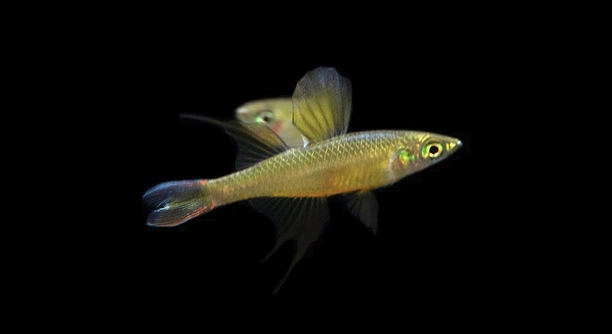
Have you ever noticed your threadfins acting differently after you’ve changed the setup of their aquarium? Rearranging their tank can sometimes lead to surprising reactions that reflect their sensitivity to environmental changes and comfort levels.
When the tank is rearranged, threadfins often display signs of stress, such as darting movements, hiding, or reduced activity. These behaviors stem from their territorial nature and the disruption of familiar surroundings, which momentarily alters their sense of safety and social order.
Learning how these graceful fish respond to environmental adjustments can help maintain their comfort and stability in the tank.
Understanding Threadfins’ Sensitivity to Change
Threadfins are delicate fish that thrive in stable and predictable environments. When their tank is rearranged, they can become uneasy as the familiar structures they rely on for comfort and safety are suddenly altered. These fish are highly aware of spatial arrangements, using plants, rocks, and decorations to define territories or find shelter. A sudden shift in these elements disrupts their sense of security, often leading to noticeable behavioral changes. You may observe them hiding more frequently, swimming erratically, or avoiding specific areas. This reaction is temporary but important to recognize, as it indicates their natural instinct to adapt and reestablish boundaries in a changed setting.
After a few days, threadfins generally begin to explore again. They slowly regain their confidence once they familiarize themselves with the new setup and confirm that no threats exist in their revised habitat.
Observing their gradual adjustment is fascinating. It reveals how sensitive these fish are to environmental cues and how much they rely on consistency. Their behavior serves as a reminder of the importance of stable surroundings, especially when maintaining community tanks where balance and familiarity play a vital role in harmony and health.
Helping Threadfins Adjust Smoothly
When rearranging your tank, small steps make a big difference. Threadfins respond better when changes are introduced gradually rather than all at once.
To help them adjust smoothly, keep a few things in mind. Maintain the same water parameters before and after rearranging. Avoid adding new decorations or removing too many at once, as this can amplify their stress. Try to preserve familiar hiding spots and use gentle lighting during and after the process. Feeding them lightly afterward can also offer reassurance and bring back normal routines. It’s best to observe their movements closely for a few days to ensure they are returning to their regular behavior.
If they continue to hide or show stress-related signs like clamped fins or rapid gill movement, give them time. Avoid further disruptions, and allow their confidence to rebuild naturally. Once they feel safe again, you’ll see their bright colors return, their activity levels rise, and their graceful swimming patterns reappear, signaling that your threadfins have settled back into their refreshed home.
Recognizing Behavioral Changes
After rearranging the tank, threadfins may act differently for a short period. You might notice them staying near the bottom, swimming quickly between objects, or avoiding open areas they once explored freely. These behaviors show they are adapting to the altered environment.
Some threadfins may also reduce their feeding activity or become more territorial. It’s a natural reaction to the unfamiliar layout that temporarily changes how they interact with one another. Providing consistent feeding times and avoiding sudden noises or movements near the tank can help restore their calm. Within a few days, they begin to recognize their surroundings again and return to normal routines. Patience is key, as each fish adjusts at its own pace.
Observing their patterns during this period can give insight into their comfort levels. When they start swimming gracefully again and interacting with others, it’s a sign their stress is easing and stability is returning.
Maintaining Stability After Rearranging
Keeping conditions consistent after rearranging helps threadfins regain trust in their space. Avoid adjusting water temperature, filtration, or lighting immediately afterward, as too many changes at once can overwhelm them and prolong stress responses.
Adding floating plants or shaded areas can make them feel more secure while they reacclimate. These additions provide shelter and reduce light exposure, which helps them relax. Continue routine maintenance and avoid unnecessary disturbances, such as moving decorations or introducing new tankmates. Monitor water quality closely during this time to ensure it remains stable. Threadfins thrive when their environment feels predictable and balanced, so maintaining a calm, familiar atmosphere supports their recovery and confidence in the newly arranged setup.
Common Signs of Stress
When stressed, threadfins may display clamped fins, pale coloring, or erratic swimming. These signs usually appear within hours after rearranging the tank and indicate that they’re trying to adjust to the unfamiliar layout and new visual boundaries in their habitat.
Another visible change can be decreased appetite or increased hiding. Some threadfins may even isolate themselves from the group for a while. These behaviors are temporary but worth monitoring closely to ensure the stress doesn’t lead to weakened immunity or long-term behavioral issues.
Creating a Calming Environment
A calm environment helps threadfins recover faster from tank changes. Keeping noise levels low, maintaining dim lighting, and avoiding sudden hand movements near the aquarium can make them feel more secure. Consistency in feeding times and gentle filtration also support a sense of stability. Threadfins respond well to peaceful surroundings, and these efforts encourage them to regain confidence in their space. Over time, their bright coloration and smooth swimming will return, signaling they have fully adapted to the updated environment.
Monitoring Progress
Watch their swimming patterns and feeding habits closely over the following days. Gradual improvement, like increased movement and interaction, means they’re settling in well and feel comfortable again in the rearranged tank.
FAQ
Why do threadfins react so strongly when the tank is rearranged?
Threadfins are sensitive fish that rely on familiar surroundings to feel safe. When their tank is rearranged, it disrupts their established territories and landmarks. This sudden change can make them anxious, as they depend heavily on visual cues to navigate and identify safe areas. The new layout forces them to reassess their space, which temporarily increases stress levels. Over time, as they grow accustomed to the rearranged setup, their comfort returns and their natural behaviors, such as active swimming and feeding, resume normally.
How long does it take for threadfins to adjust after rearranging the tank?
Adjustment time varies depending on the individual fish and the extent of the rearrangement. Most threadfins start showing improvement within two to five days once they realize the new setup is safe. During this period, it’s important to keep water conditions stable and avoid further changes. If the tank was significantly altered, some may take up to a week to fully relax. Maintaining a calm environment and consistent lighting schedule can shorten this adjustment phase. Observing their activity levels is the best way to gauge their comfort.
Can rearranging the tank harm threadfins?
Rearranging doesn’t physically harm them, but it can cause temporary stress. Stress weakens their immune system, making them slightly more prone to illness if conditions aren’t ideal. To minimize this, plan the rearrangement carefully. Try to keep some familiar decorations or plants in their original places to provide recognizable reference points. Avoid moving them during cleaning or introducing new tankmates right afterward. As long as water quality remains stable, threadfins adapt safely and regain confidence once they reestablish their sense of territory.
Should I rearrange the tank often?
Frequent rearranging is not recommended. Threadfins prefer consistency and feel more secure in stable surroundings. While occasional rearrangement can refresh the tank’s appearance or improve water flow, doing it too often disrupts their comfort. If adjustments are necessary, make small changes gradually rather than large overhauls. Keeping their main hiding spots and open swimming spaces consistent will help reduce stress. In general, rearranging every few months or only when needed is ideal for their well-being.
What should I do if my threadfins stop eating after rearranging?
Loss of appetite is common right after a tank rearrangement. The stress of change can make threadfins less interested in food. Offer them their favorite foods, such as live or frozen brine shrimp, to encourage feeding. Keep feeding portions small and remove uneaten food to maintain water quality. Within a few days, as they become more familiar with the new setup, their appetite should return. If the behavior continues beyond a week, check water parameters and ensure there are no hidden stressors, such as strong currents or tankmates causing tension.
Can lighting affect how threadfins respond to tank changes?
Yes, lighting plays a major role in their behavior. Bright lighting can increase stress levels, especially when the environment is newly rearranged. Using softer, dimmer lighting helps threadfins feel less exposed and more at ease. Floating plants or adjustable LED lights can help create a comfortable ambiance that mimics natural shading. Gradually increasing light intensity over a few days helps them adjust more smoothly. Balanced lighting supports calmness and encourages normal exploration after changes.
How can I tell if my threadfins have fully adjusted?
You’ll notice visible improvements in their behavior once they’ve adjusted. Their colors will brighten, their swimming will appear fluid, and they’ll begin exploring all areas of the tank again. They may also resume normal feeding habits and interact with other fish more comfortably. Threadfins that have regained their confidence often hover calmly in open water or near their favorite decorations. These signs mean they’ve reestablished their comfort zones and feel secure in their refreshed environment.
Is it better to rearrange the tank with the fish inside or outside?
If possible, it’s safer to move threadfins to a temporary holding container while rearranging. This prevents accidental injury and reduces the immediate stress of objects moving around them. However, if the rearrangement is minor, such as shifting a few decorations or plants, they can remain inside as long as movements are gentle and controlled. Always avoid stirring debris or creating strong water currents during the process. Once the rearrangement is complete, reintroduce them carefully to minimize shock and allow them to explore the new setup calmly.
Do threadfins recognize changes differently than other fish?
Threadfins tend to be more sensitive than some other freshwater species. Their awareness of spatial layout and preference for calm environments make them more reactive to changes. While fish like tetras or barbs may adapt quickly, threadfins require more time to regain comfort. Their graceful and cautious nature means they observe before exploring, ensuring safety before returning to normal routines. Understanding this helps in managing their environment more gently, leading to a balanced and peaceful aquarium where they can thrive even after rearrangements.
Final Thoughts
Threadfins are peaceful and elegant fish that rely on balance and stability in their environment. When their tank is rearranged, it can temporarily unsettle them, causing stress and altered behavior. This reaction is completely natural for a species that thrives on routine and familiar surroundings. The shift in their habitat changes how they perceive safety, making them more cautious and less active until they adapt to the new layout. As an aquarist, observing these subtle reactions can be insightful. It helps you understand just how attuned threadfins are to their environment and how even minor changes can influence their comfort and behavior. Taking the time to create a steady, well-structured space for them ensures not only their physical health but also their overall well-being.
Maintaining stability after rearranging the tank is key to helping them adjust quickly. Consistent lighting, steady water conditions, and familiar feeding routines all play an important role in restoring their sense of security. It’s also helpful to retain a few familiar decorations or plants in their original positions, giving them visual landmarks they recognize. These small details make a big difference in easing their transition. Avoiding additional disturbances, such as introducing new fish or making further adjustments, prevents added stress during this delicate period. Threadfins will naturally begin exploring again once they feel comfortable, often starting with short movements near their usual resting spots before swimming more freely throughout the tank. Their gradual return to normal behavior is a sign that the environment once again feels safe and familiar to them.
Caring for threadfins requires patience and attentiveness, especially when their surroundings change. While rearranging can refresh the look of your aquarium and improve water circulation, it’s important to balance aesthetics with the fish’s emotional comfort. Threadfins may take longer than other species to adapt, but they reward gentle care with beautiful, graceful movements and peaceful interactions. Observing their response to change can teach valuable lessons about the importance of stability and environmental awareness in fishkeeping. Every shift in their behavior tells a story of adjustment, trust, and resilience. With time, consistency, and thoughtful handling, they return to their calm and graceful nature, thriving once again in the refreshed space that feels like home. In the end, understanding and respecting their sensitivity not only benefits them but also deepens your appreciation for the quiet balance that makes aquarium life so captivating.

Hello,
If you enjoy the content that we create, please consider saying a "Thank You!" by leaving a tip.
Every little bit helps us continue crafting quality advice that supports the health, happiness, and well-being of pets around the world, for pets of all shapes, sizes, and species.
We really appreciate the kindness and support that you show us!