
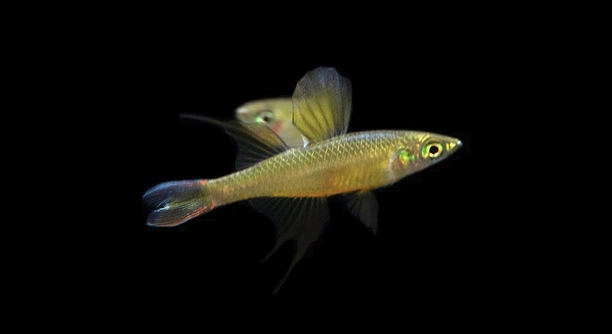
Do you ever find yourself admiring the vibrant colors of threadfin rainbowfish but struggling to breed them successfully in your aquarium? Their delicate nature and specific needs often make breeding a challenging task for enthusiasts.
Successful breeding of threadfin rainbowfish requires precise control of water quality, temperature, and lighting. Providing live foods, adequate hiding spaces, and careful selection of breeding pairs significantly increases spawning success and ensures the health of both adults and fry.
Understanding these unique requirements will help you achieve consistent results and maintain a thriving population of these beautiful fish in your home aquarium.
Preparing the Breeding Tank
Setting up the right breeding tank is essential for threadfin rainbowfish. Use a separate 20-30 gallon tank to give them space and privacy. Maintain a stable temperature between 77-82°F and slightly acidic to neutral pH. Include fine-leaved plants or spawning mops where females can deposit eggs safely. Avoid strong currents, as the fry are delicate and can be easily swept away. A gentle sponge filter ensures clean water without harming the eggs or fry. Lighting should be moderate, simulating natural day-night cycles, which helps stimulate spawning behavior. Regular water changes keep the environment healthy and reduce stress. Introducing a few breeding pairs at a time minimizes aggression and ensures more successful spawning. Observing their behavior closely allows you to separate any overly aggressive fish to prevent harm. Consistency in tank conditions is critical for repeatable breeding success.
Proper tank preparation creates the foundation for successful spawning and healthy fry development.
Even minor adjustments in water temperature or pH can significantly impact breeding success and fry survival rates.
Selecting Healthy Breeders
Choosing strong, healthy fish improves the odds of successful reproduction.
Mature, vibrant males and well-conditioned females produce higher-quality eggs. Avoid fish with visible disease, deformities, or weak coloration. Introduce potential breeding pairs gradually to prevent stress and allow them to acclimate to each other. Feeding a varied diet of live and high-quality frozen foods strengthens their health and enhances breeding readiness. Observe courtship behavior; active males displaying their colors and fins signal readiness to breed. Female readiness can be identified by slightly rounded bellies, indicating eggs are developing. Rotating pairs or keeping multiple males with one female encourages natural competition, increasing fertilization rates. Tracking the age and breeding history of each fish helps maintain genetic diversity and reduces inbreeding. Patience is important, as some pairs may take several weeks to begin spawning. Maintaining these careful practices ensures consistent, healthy offspring and a more productive breeding program.
Conditioning the Fish
Feeding high-quality live foods like brine shrimp, daphnia, and bloodworms prepares threadfin rainbowfish for breeding.
Conditioning involves providing a nutrient-rich diet over two to three weeks. This strengthens the fish, enhances coloration, and ensures the female develops healthy eggs. Males become more active, displaying brighter fins and increased courtship behavior. Maintaining consistent water parameters during this period reduces stress and prepares them for spawning. Avoid overfeeding, which can pollute the tank and harm water quality. Observing fish daily allows early detection of any illness, ensuring only the healthiest fish breed. Gradually increasing feeding frequency improves stamina without compromising tank cleanliness. Pairing fish after proper conditioning increases the likelihood of successful spawning and strong fry survival.
Proper conditioning directly affects the quality of eggs and overall breeding success, making it a crucial step before introducing fish to the breeding tank.
Healthy, well-fed fish demonstrate more natural behaviors and are less likely to experience complications during spawning or egg development.
Spawning Techniques
Providing optimal hiding spaces and plants encourages females to lay eggs safely.
Spawning can be guided by adjusting light cycles and slightly raising water temperature. Introducing the pair into a quiet, prepared tank helps reduce stress and promotes natural behavior. Fine-leaved plants or spawning mops give eggs protection from being eaten by adults. Monitoring courtship closely allows you to identify when eggs are laid so adults can be separated if needed. Gentle aeration ensures eggs receive enough oxygen without being disturbed. Spawning usually occurs in early morning hours, and consistent tank conditions encourage repeat spawning events. Removing uneaten food prevents contamination that can harm eggs and fry. Keeping accurate records of spawning dates helps track patterns for future breeding attempts.
These techniques create a controlled environment that maximizes egg survival and increases fry health, ensuring consistent results with each breeding attempt.
Egg Care
Removing adults after spawning prevents them from eating the eggs.
Maintaining clean water with gentle filtration is essential for egg survival. Regular monitoring helps ensure eggs develop properly and remain free from fungus or debris.
Fry Hatching and Early Care
Eggs typically hatch in 7 to 10 days, depending on temperature and water conditions. Once hatched, fry require infusoria or finely crushed high-quality fry food for the first few days. Gradually introducing newly hatched brine shrimp supports growth and strengthens their immune systems. Keeping water changes small and frequent helps maintain stability without stressing the fragile fry. Proper lighting encourages natural swimming behavior, while hiding spaces reduce stress and prevent overcrowding. Observing fry daily allows early intervention if any show signs of weakness or illness. Consistent care during these early days significantly increases survival rates and ensures healthy development.
Growing Juvenile Fish
Provide a varied diet including live and frozen foods to promote steady growth.
FAQ
How long does it take for threadfin rainbowfish eggs to hatch?
Threadfin rainbowfish eggs usually hatch within 7 to 10 days. Water temperature affects the timing, with warmer water speeding up development. Maintaining clean, stable conditions ensures higher hatching rates and healthier fry.
What should I feed the fry immediately after hatching?
Newly hatched fry need very small, easy-to-digest foods. Infusoria or commercially available liquid fry foods are ideal for the first few days. Afterward, you can gradually introduce freshly hatched brine shrimp and finely crushed high-quality dry foods to encourage steady growth.
How often should I perform water changes during the fry stage?
Frequent, small water changes are best. Replacing about 10-15% of the tank water daily helps maintain cleanliness without stressing the fry. Avoid large water changes, which can shock the young fish and impact their development.
Can I keep adults in the same tank with eggs and fry?
It is not recommended. Adults often eat their own eggs and may harm the fry. Separating adults after spawning ensures higher survival rates. Only reintroduce adults once the fry are large enough to swim freely and avoid predation.
How do I encourage males to display breeding colors?
Males show brighter fins and vibrant colors when well-fed and in optimal water conditions. Providing live foods, maintaining stable temperature, and reducing stress help stimulate courtship behavior and increase the likelihood of successful spawning.
What is the ideal tank size for breeding threadfin rainbowfish?
A 20-30 gallon tank is suitable for a small breeding pair. Larger tanks reduce stress, allow better water stability, and provide enough space for fry to swim freely without overcrowding. Proper plant cover and spawning mops are also important.
How can I prevent fungal growth on eggs?
Maintaining clean water and gentle filtration reduces the risk of fungus. If fungus appears, removing affected eggs promptly prevents it from spreading. Adding a small amount of antifungal treatment suitable for fish eggs can also help, but use it carefully to avoid harming fry.
When can I start feeding juvenile fish regular foods?
Once fry reach about two weeks of age and are actively swimming, you can introduce finely crushed flakes or pellets. Continue providing live foods alongside dry foods to ensure balanced nutrition and strong growth.
How many eggs does a female typically lay?
A healthy female can lay anywhere from 50 to 300 eggs per spawning event, depending on age, size, and condition. Proper conditioning and high-quality feeding increase egg quantity and quality.
What water parameters are ideal for breeding?
Maintain a temperature between 77-82°F, a pH of 6.5-7.0, and soft to moderately hard water. Stable conditions and minimal fluctuations are critical for both spawning and fry survival. Gentle filtration and regular monitoring support a healthy environment.
How long does it take for fry to reach maturity?
Threadfin rainbowfish fry typically reach sexual maturity at 6-8 months. Growth rates depend on diet, water quality, and tank conditions. Consistent feeding and clean water encourage faster, healthier development.
Is it necessary to rotate breeding pairs?
Rotating pairs can help prevent inbreeding and maintain genetic diversity. Introducing new males occasionally encourages natural competition, improving fertilization rates and producing stronger offspring.
Can I use artificial lighting to stimulate breeding?
Moderate artificial lighting that mimics natural day-night cycles can support breeding behavior. Avoid overly bright or constant lighting, as this can stress fish and reduce spawning success. Gradual light changes are preferable.
How do I know if eggs are fertile?
Fertile eggs appear clear or slightly amber, while infertile eggs may turn white and opaque. Removing infertile eggs promptly prevents fungal growth and protects healthy eggs from contamination.
What is the best way to transport fry safely?
Use small containers with clean water, maintaining the same temperature as the tank. Minimize handling and transport time. Oxygenate water if transport exceeds a few hours, and avoid sudden temperature changes to reduce stress and mortality.
Final Thoughts
Breeding threadfin rainbowfish requires attention to detail and patience, but it is highly rewarding. Providing optimal water conditions, a carefully prepared breeding tank, and healthy, well-conditioned fish are the most important factors for success. Maintaining stable temperatures and appropriate pH levels ensures that both adults and fry remain healthy throughout the breeding process. Consistent monitoring and small adjustments, rather than drastic changes, help reduce stress and support natural spawning behaviors. Every step, from tank preparation to feeding the fry, plays a crucial role in achieving successful results. Following these basic principles allows the fish to thrive in a controlled environment while producing strong, healthy offspring.
A focused approach to feeding and conditioning is critical for the development of vibrant and fertile breeders. Providing a varied diet of live foods, frozen options, and high-quality dry foods strengthens the fish and encourages natural reproductive behavior. Observing courtship patterns and separating adults after eggs are laid helps ensure a higher survival rate for the fry. Early attention to fry care, including small frequent water changes and suitable food, lays the foundation for strong growth and reduces mortality. Patience is essential, as results may not appear immediately. Repeated efforts, combined with careful observation and adjustment of conditions, gradually improve breeding outcomes and produce a steady, healthy population of threadfin rainbowfish.
Finally, understanding the unique requirements of threadfin rainbowfish ensures long-term success and a sustainable approach to breeding. Gentle filtration, hiding spaces, and moderate lighting create an environment that supports natural behavior, while careful handling minimizes stress at every stage. Tracking breeding events, egg quality, and fry development helps identify what works best and allows for improvements in future attempts. Consistency in routine, attention to water quality, and proper nutrition for both adults and juveniles are essential practices that cannot be overlooked. Following these steps provides not only successful breeding outcomes but also a stable, vibrant aquarium where threadfin rainbowfish can flourish and display their full color potential.

Hello,
If you enjoy the content that we create, please consider saying a "Thank You!" by leaving a tip.
Every little bit helps us continue crafting quality advice that supports the health, happiness, and well-being of pets around the world, for pets of all shapes, sizes, and species.
We really appreciate the kindness and support that you show us!