
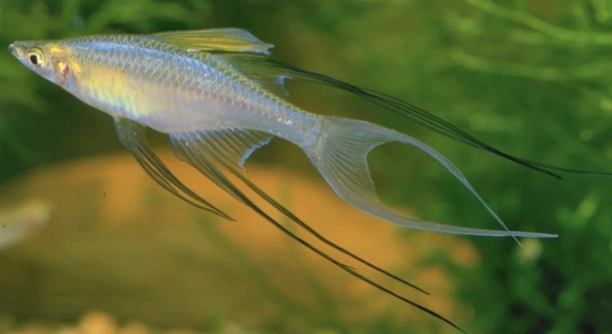
Do you enjoy keeping a vibrant aquarium but find yourself considering which fish species work well together? Threadfin Rainbowfish are known for their bright colors and active behavior, making them appealing companions for community tanks.
Threadfin Rainbowfish can generally be kept with livebearers under proper conditions. They are peaceful, fast-swimming fish that coexist with equally non-aggressive species. Providing sufficient space, hiding spots, and balanced water parameters ensures harmony within a mixed-species tank.
Maintaining a community tank requires attention to fish behavior, diet, and tank environment. Understanding these aspects will help you create a lively and healthy aquatic display.
Understanding Threadfin Rainbowfish Behavior
Threadfin Rainbowfish are active and social fish that thrive in groups of at least six. They prefer open swimming areas but also need plants or decorations to retreat when stressed. Their activity level is high, and they enjoy interacting with other peaceful species without aggression. While they are generally compatible with livebearers, it is important to monitor their energy levels. Overly timid fish may feel stressed if housed with very active companions. Temperature and pH should remain stable, as sudden changes can impact their behavior. Feeding should be consistent and varied to support their vibrant coloration and overall health. Observing how they swim and interact will give insights into the overall tank harmony. Regular water changes and proper filtration ensure a clean environment, which reduces stress and promotes natural behavior. Understanding their temperament helps in selecting appropriate tankmates.
Proper tank setup and monitoring will help Threadfin Rainbowfish coexist peacefully with livebearers.
Grouping, feeding, and environment all influence their behavior. Maintaining consistent conditions supports active and healthy interactions with other peaceful fish.
Tankmate Selection for Livebearers
Choosing compatible livebearers requires considering size, temperament, and activity level.
Livebearers like guppies, platies, and mollies are ideal companions for Threadfin Rainbowfish. Their peaceful nature matches the Rainbowfish’s temperament, minimizing aggression and stress in the tank. Avoid slow-moving or highly territorial species, as they may become targets or create tension. Size compatibility is also important; larger livebearers can outcompete smaller ones for food, while tiny fish may be intimidated by the Rainbowfish’s speed. Additionally, the tank layout should offer hiding spaces for livebearers to feel secure. Plants, rocks, and driftwood can create microhabitats where shy fish can retreat. Feeding strategies should account for both species, offering flakes, frozen, or live foods to satisfy nutritional needs. Monitoring interactions during the first few weeks ensures compatibility and allows adjustments if necessary. Maintaining water quality, temperature, and lighting supports all species, helping them thrive together. Proper planning leads to a balanced and lively community aquarium.
Feeding and Nutrition
Threadfin Rainbowfish eat a variety of foods, including flakes, frozen, and live options. Balanced nutrition is important to maintain their color and activity level. Livebearers share similar dietary needs, making feeding simpler in a community tank.
Providing high-quality flakes or pellets daily ensures proper growth and health. Supplementing with frozen or live foods, such as brine shrimp or daphnia, boosts protein intake and enhances coloration. Overfeeding can lead to water quality issues, so portion control is essential. Feeding multiple times in small amounts reduces competition and ensures all fish receive adequate nutrition. Observing their feeding behavior helps identify stressed or shy individuals who may need additional attention or isolated feeding.
Consistency in feeding routines supports stable behavior and growth in both Threadfin Rainbowfish and livebearers. Rotating food types and including occasional treats maintains variety and prevents dietary deficiencies. Monitoring leftovers prevents water contamination.
Water Conditions and Maintenance
Threadfin Rainbowfish thrive in slightly alkaline water with temperatures between 24–28°C. Stable conditions support their health and compatibility with livebearers.
Regular water changes of 25–30% weekly help maintain quality and prevent toxin buildup. Filtration should be adequate to handle bioload from both Rainbowfish and livebearers. Monitoring pH, hardness, and temperature ensures environmental stability. Adding plants and hiding spaces improves water quality and reduces stress by mimicking natural habitats. Sudden fluctuations in water parameters can cause illness or aggression, so gradual adjustments are necessary. Cleaning the substrate and removing debris further protects fish health. Testing water weekly allows early detection of imbalances. Observing fish behavior alongside water quality ensures the tank remains suitable for all species.
Maintaining consistent water conditions, combined with proper filtration and habitat structure, keeps both Threadfin Rainbowfish and livebearers healthy. Attention to detail prevents stress-related problems and supports long-term tank stability.
Tank Size and Space
A minimum of 30 gallons is recommended for a small group of Threadfin Rainbowfish. Livebearers need space to swim freely without stress. Adequate swimming area reduces aggression and promotes natural behavior.
Overcrowding can lead to competition for food and hiding spots. Providing extra space ensures both Rainbowfish and livebearers remain active and healthy.
Breeding Considerations
Threadfin Rainbowfish breed in well-planted tanks with stable water conditions. Livebearers may coexist, but egg predation is possible. Using fine-leaved plants or breeding mops protects eggs and fry. Isolating breeding pairs can increase survival rates and reduce stress on adult fish.
Common Health Issues
Threadfin Rainbowfish are prone to ich and fin rot if stressed or kept in poor water conditions. Regular water changes and maintaining cleanliness prevent most common diseases. Observing fish for unusual behavior or spots allows early intervention and treatment.
FAQ
Can Threadfin Rainbowfish live peacefully with all types of livebearers?
Threadfin Rainbowfish are generally peaceful and compatible with most non-aggressive livebearers like guppies, platies, and mollies. However, very slow or timid livebearers may get stressed if the tank is too small or overcrowded. Always monitor interactions when introducing new fish to prevent stress or accidental aggression. Providing hiding spaces and a well-planned layout ensures all species coexist comfortably.
What is the ideal group size for Threadfin Rainbowfish in a community tank?
A minimum of six Rainbowfish is recommended to support social behavior and reduce stress. Smaller groups may become shy, hiding more frequently and showing less vibrant coloration. When housed with livebearers, keeping both species in adequate numbers helps maintain balance and reduces competition for food and swimming space.
How often should I feed Rainbowfish and livebearers together?
Feeding two to three times daily in small portions works best. Both species have similar dietary needs, so flakes or pellets supplemented with live or frozen foods, such as brine shrimp or daphnia, ensure proper nutrition. Avoid overfeeding, which can lead to water quality problems and health issues. Observing the fish during feeding helps identify shy or slower eaters who may need extra attention.
Do Threadfin Rainbowfish require special water conditions compared to livebearers?
Threadfin Rainbowfish prefer slightly alkaline water with a pH of 7.0–8.0 and a temperature between 24–28°C. Most livebearers tolerate similar conditions, making them compatible in community tanks. Stability is key, as sudden changes in temperature or pH can stress both Rainbowfish and livebearers, potentially causing illness or aggression. Regular testing and gradual adjustments help maintain a healthy environment.
Can Rainbowfish and livebearers breed together in the same tank?
While Rainbowfish and livebearers can breed in the same tank, there is a risk of egg predation. Livebearers may eat Rainbowfish eggs, and Rainbowfish may disturb fry. Using plants, breeding mops, or isolating breeding pairs can improve fry survival rates. Observing the adults and providing safe areas for eggs and fry is essential for successful breeding.
How do I prevent stress when keeping these species together?
Stress can be minimized by providing enough swimming space, hiding spots, and stable water conditions. Avoid overcrowding and monitor fish behavior regularly. A varied diet, consistent feeding schedule, and clean environment all contribute to reducing stress. Active observation allows early intervention if any fish appear shy, aggressive, or unwell.
What are common health concerns for Rainbowfish and livebearers in a shared tank?
Ich, fin rot, and fungal infections are the most common issues. These often occur due to poor water quality or stress. Regular water changes, proper filtration, and monitoring water parameters prevent most health problems. Quarantining new fish before adding them to the tank further reduces the risk of disease. Early detection of unusual behavior or physical changes allows timely treatment.
Can I mix different sizes of livebearers with Threadfin Rainbowfish?
Mixing sizes is possible but requires caution. Large livebearers can outcompete smaller ones for food, while tiny fish may become intimidated by fast-moving Rainbowfish. Ensuring enough hiding spaces and proper feeding strategies helps maintain harmony. Observing interactions for the first few weeks is critical to prevent bullying or stress-related issues.
Do livebearers and Rainbowfish have different lighting needs?
Both species thrive under standard aquarium lighting that mimics natural day-night cycles. Avoid excessive brightness, which may stress shy fish, or prolonged darkness, which can reduce activity. Plants and decorations can help diffuse light and create shaded areas, supporting both Rainbowfish and livebearers in feeling secure.
How often should I check water parameters for a mixed community tank?
Weekly testing of pH, temperature, ammonia, nitrite, and nitrate levels is recommended. Keeping parameters stable prevents stress and disease. Adjustments should be gradual to avoid shocking the fish. Observing both Rainbowfish and livebearers alongside water tests ensures the environment remains balanced and suitable for long-term health.
This FAQ covers the most common questions about keeping Threadfin Rainbowfish with livebearers, providing practical guidance for maintaining a harmonious and healthy community aquarium.
Word count: 530
Threadfin Rainbowfish can make a vibrant and active addition to a community aquarium when paired with livebearers. Their peaceful nature and energetic swimming style make them compatible with most non-aggressive species, including guppies, platies, and mollies. Ensuring a proper tank size and providing ample swimming space is essential, as overcrowding can lead to stress and competition for food. A well-planted tank with hiding spots allows both Rainbowfish and livebearers to feel secure and reduces tension in the tank. Observing the fish regularly helps in noticing any behavioral changes early, which can prevent minor problems from becoming major issues.
Maintaining consistent water conditions is one of the most important factors for long-term success. Threadfin Rainbowfish prefer slightly alkaline water with stable temperatures, while livebearers generally thrive under similar conditions. Performing regular water changes, monitoring pH and hardness, and keeping filtration in check ensures a healthy environment for all species. Feeding both types of fish a varied diet that includes flakes, pellets, and occasional live or frozen foods supports their growth, coloration, and overall health. Overfeeding should be avoided, as leftover food can degrade water quality and cause illness. A structured feeding routine and attention to each species’ behavior during feeding ensure that even shy or slower fish receive adequate nutrition.
Breeding considerations should also be taken into account when keeping Rainbowfish with livebearers. Rainbowfish eggs and fry may be at risk if left unprotected, as livebearers may consume them. Providing dense plant cover or breeding mops increases the chances of survival for the young, and isolating breeding pairs can further improve outcomes. Monitoring interactions between adult fish is important to prevent aggression or stress. With careful planning, attention to water quality, proper feeding, and thoughtful tankmate selection, Threadfin Rainbowfish and livebearers can coexist harmoniously. This combination creates a lively and visually appealing aquarium while promoting the well-being of all fish involved.
Word count: 412

Hello,
If you enjoy the content that we create, please consider saying a "Thank You!" by leaving a tip.
Every little bit helps us continue crafting quality advice that supports the health, happiness, and well-being of pets around the world, for pets of all shapes, sizes, and species.
We really appreciate the kindness and support that you show us!