
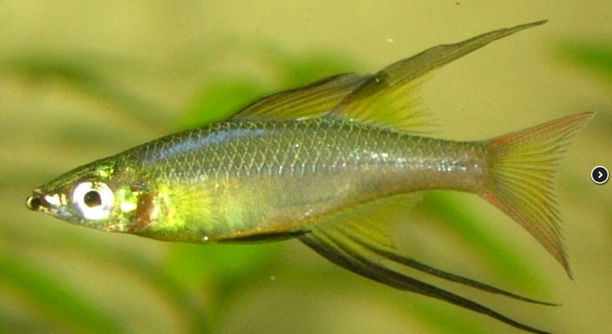
Do you ever notice your threadfins moving differently across various surfaces in their tank? Observing their behavior can reveal preferences for certain textures that make them feel secure, active, or relaxed in their environment.
Threadfins exhibit distinct substrate preferences that influence both play and rest. Soft sand, fine gravel, and smooth pebbles provide comfort and stimulation, while natural plant mats and textured surfaces promote exploration and resting behaviors necessary for their well-being.
Learning about these preferred surfaces can improve your fishkeeping setup, ensuring your threadfins thrive and remain active in a safe, engaging environment.
Soft Sand
Soft sand is one of the most comfortable substrates for threadfins. Its fine texture allows them to move smoothly without scratching their delicate fins. Threadfins often use sand for resting, burrowing slightly as they relax. They may also sift through the grains while searching for food particles, which provides both mental stimulation and natural behavior patterns. Sand is easy to clean when maintained regularly and does not trap waste as much as larger gravel pieces. Many hobbyists notice that threadfins are calmer when a sand substrate is present, spending more time exploring and less time hiding. Additionally, sand’s uniform surface prevents injuries and supports natural swimming movements, creating a safe and consistent environment. For tanks with multiple species, sand can reduce stress by minimizing sharp edges that could harm delicate fish. Choosing sand that is free of harmful chemicals or dyes ensures the substrate remains safe for long-term use and helps maintain water quality.
Soft sand supports natural behavior and comfort, keeping threadfins active and healthy.
Threadfins interacting with soft sand appear more confident and relaxed. Their playful movements and gentle burrowing demonstrate how important a fine, smooth substrate is for their daily activity and rest patterns, making sand a staple choice for many aquarists.
Fine Gravel
Fine gravel provides a slightly firmer texture that some threadfins prefer for exploration. Its small particles allow fish to navigate easily while still offering a tactile difference from sand.
The gravel encourages foraging behavior, as threadfins sift and investigate the small stones for leftover food. Fine gravel also adds visual contrast in the tank, highlighting the fish’s natural colors. Unlike larger gravel, it minimizes the risk of injuries while still giving a more structured surface for movement. Threadfins can rest on the gravel without discomfort, though they may alternate between sand and gravel if both are available. Regular maintenance is key, as fine gravel can trap food and waste, requiring careful siphoning to maintain water quality. Despite its slightly harder texture, threadfins often use fine gravel for both resting and light activity. It can also complement plants and decorative elements, providing a more natural look while still catering to the fish’s preferences. Gravel blends well with various tank setups, making it a flexible choice for aquarists wanting both functionality and aesthetics.
When set up correctly, fine gravel offers both play and rest benefits, helping threadfins remain stimulated while feeling secure in their environment.
Smooth Pebbles
Smooth pebbles create a stable surface for threadfins to rest and move around. Their rounded edges prevent injuries while offering a slightly elevated texture that many fish find interesting. Pebbles can also enhance tank aesthetics without compromising comfort.
Threadfins often explore smooth pebbles by nudging or swimming over them. The tactile feedback from the rounded stones encourages natural behaviors, including light digging and gentle probing with their fins. Smooth pebbles are easy to clean, and their weight keeps them in place, preventing sudden shifts that could startle the fish. They also help anchor plants or decorations securely, which benefits both fish and tank stability. The size of the pebbles should be carefully chosen to avoid accidental swallowing or trapping of small fish, ensuring a safe environment. Many aquarists notice that threadfins alternate between pebbles and softer substrates, showing clear preferences based on comfort and play.
In tanks with mixed substrates, smooth pebbles offer a balance between firmness and safety. Threadfins resting on pebbles appear alert yet calm, highlighting the importance of providing a varied, secure environment for both activity and rest.
Natural Plant Mats
Natural plant mats give threadfins a soft and shaded area to rest while simulating elements of their natural habitat. Mats encourage hiding, reducing stress, and supporting relaxation.
Plant mats allow threadfins to move across a soft, flexible surface while interacting with live plants. The subtle resistance of the mat can make swimming feel more engaging, promoting light exercise without overexertion. Additionally, plant mats trap detritus and provide small areas for food particles to accumulate, which threadfins often explore, mimicking foraging behaviors in the wild. The presence of plant mats can also reduce aggression in community tanks, as fish feel sheltered and less exposed. Mats should be maintained regularly to prevent decay and water quality issues.
Threadfins resting on plant mats show calm, natural behavior, often blending with the greenery. This combination of comfort and engagement makes plant mats an essential part of a well-designed tank, supporting both play and rest.
Textured Slate
Textured slate provides a firm and uneven surface that encourages threadfins to explore with their fins. The ridges and grooves offer sensory stimulation while allowing them to rest safely without sharp edges.
Threadfins often use textured slate for climbing or rubbing against. The variation in surface height adds interest and encourages natural behavior while keeping them engaged in the tank environment.
Driftwood
Driftwood offers both a resting surface and a playful area for threadfins. Its irregular shapes create hiding spots and gentle currents that enhance activity, while also providing a natural aesthetic.
Threadfins interact with driftwood by swimming around it, perching lightly on protrusions, and using shaded areas for rest. Its natural texture and structure support healthy exploration and mimic environments they would encounter in the wild, making it an enriching addition to any aquarium.
Coconut Shell Hides
Coconut shell hides give threadfins a cozy retreat. The curved interior offers shelter and a sense of security for rest.
What substrate is best for young threadfins?
Young threadfins benefit from very soft sand as it allows them to move freely without risk of injury. Fine sand reduces stress and supports natural behavior like sifting and burrowing. Small pebbles or smooth gravel can be added gradually as they grow to encourage exploration while maintaining safety.
Can threadfins use multiple substrates in one tank?
Yes, threadfins often prefer a mix of substrates. Soft sand can be combined with smooth pebbles or plant mats to provide both comfort and stimulation. Multiple substrates mimic natural environments, giving the fish areas to rest, explore, and play, which improves their overall well-being.
How often should substrates be cleaned?
Substrates should be cleaned regularly to prevent the buildup of waste and harmful bacteria. Sand may need gentle stirring weekly, while gravel and pebbles can be siphoned during water changes. Plant mats and driftwood should be rinsed and checked for decay. Consistent maintenance ensures water quality and keeps threadfins healthy.
Are decorative substrates safe for threadfins?
Decorative substrates are safe if they are free from sharp edges, toxins, or dyes. Smooth pebbles, driftwood, and coconut shells are generally safe options. Avoid materials that can leach chemicals or break apart in the water, as threadfins may interact closely with all surfaces in the tank.
Do threadfins prefer substrate with plants?
Threadfins enjoy substrates with live or artificial plants. Plant mats, rooted plants, and driftwood with moss offer hiding spots and a sense of security. Plants also provide small areas for foraging and play, which enrich the tank environment and reduce stress. Threadfins are more active when vegetation is present.
Can threadfins injure themselves on rough surfaces?
Yes, rough or sharp substrates can cause fin tears or skin abrasions. Avoid jagged rocks, coarse gravel, or poorly smoothed decorations. Using soft sand, smooth pebbles, or textured but gentle surfaces minimizes the risk of injury while still encouraging natural behaviors.
How do threadfins behave differently on soft vs. hard substrates?
On soft substrates, threadfins often burrow lightly and rest more comfortably, showing calm behavior. On harder or textured surfaces, they explore and interact more with their environment. Providing both types allows them to balance rest and activity while maintaining healthy physical and mental stimulation.
Is substrate type important for breeding threadfins?
Substrate choice can influence breeding behavior. Soft sand or smooth gravel provides a secure base for nesting or resting, while plant mats and driftwood create shelter and privacy. Proper substrate selection encourages natural behaviors and reduces stress, improving the chances of successful spawning.
Do threadfins eat substrate material?
Threadfins may accidentally ingest small particles while sifting through sand or gravel, but they generally do not consume substrate intentionally. Choosing non-toxic, rounded, and appropriately sized materials prevents digestive issues and supports safe interaction with their environment.
Can substrate affect water quality?
Yes, substrate can impact water quality. Sand and gravel trap debris differently, and decaying plant mats or driftwood can release nutrients into the water. Regular cleaning and monitoring are essential to maintain balance, prevent cloudiness, and ensure a safe habitat for threadfins.
How do I choose substrate for a community tank?
When keeping threadfins with other species, choose substrates that accommodate all fish. Soft sand and smooth pebbles are versatile, safe, and low-risk for injury. Ensure plants and hiding areas are accessible to every species, allowing natural behaviors while minimizing conflict in shared spaces.
Can threadfins adapt to new substrates?
Threadfins can adapt gradually to new substrates, but sudden changes may cause stress. Introducing new sand, gravel, or plant mats slowly while monitoring behavior helps them adjust comfortably. Combining familiar and new materials can ease the transition and maintain a balanced environment.
Do threadfins show preferences among natural vs. artificial substrates?
Many threadfins prefer natural substrates like sand, smooth stones, driftwood, and live plants due to texture, scent, and familiarity. Artificial options, such as synthetic mats or decorative pebbles, are suitable if they mimic natural surfaces and remain safe, providing similar comfort and stimulation.
How does substrate depth affect threadfins?
A sufficient substrate depth allows threadfins to exhibit natural behaviors like gentle burrowing and foraging. Shallow layers limit movement and exploration, while overly deep layers may trap debris and cause maintenance challenges. Balancing depth supports healthy activity and reduces stress.
Are there any substrates to avoid completely?
Avoid sharp, chemically treated, or brightly dyed substrates. Large gravel, jagged rocks, or fragile decorations can injure fins or skin. Threadfins thrive on soft, smooth, or textured natural surfaces, making careful selection essential for safety and long-term health.
Threadfins are active and delicate fish that respond strongly to the surfaces they interact with in their environment. Choosing the right substrate is not just a matter of aesthetics—it directly affects their comfort, safety, and behavior. Soft sand, fine gravel, and smooth pebbles all provide different textures that threadfins enjoy for resting, exploring, and play. Each substrate encourages natural behaviors, whether it is gentle burrowing in sand, light sifting in gravel, or careful probing around pebbles. Providing a variety of surfaces allows threadfins to alternate between activity and rest, keeping them engaged while supporting physical health. The tactile feedback from each substrate can influence how confident and relaxed the fish appear, which makes substrate selection a critical aspect of tank design. For threadfins, comfort is just as important as functionality.
Natural elements such as plant mats, driftwood, and coconut shell hides also play a vital role in the overall habitat. These items complement substrates by offering shaded areas, hiding spots, and surfaces for light interaction. Threadfins naturally seek out cover and places to rest, and these additions create a sense of security while allowing playful exploration. Driftwood and plant mats can be combined with soft sand or smooth pebbles to create varied environments that feel more like their natural habitats. This variety encourages healthier, more natural behaviors, from resting quietly to lightly investigating textures or foraging for trapped food particles. Regular cleaning and maintenance of substrates and natural additions are necessary to prevent waste accumulation and water quality issues, ensuring that the tank remains safe and comfortable. Well-chosen substrates and decorative elements can reduce stress and promote activity, contributing to the long-term well-being of threadfins.
The choice of substrate is an ongoing consideration rather than a one-time setup. Observing how threadfins interact with different surfaces can provide valuable insight into their preferences, allowing adjustments that improve both comfort and engagement. Over time, combining soft sand, fine gravel, smooth pebbles, and natural elements like plant mats and driftwood creates a dynamic, safe environment that caters to both rest and activity. The key is balancing textures and materials to reflect both the needs and natural instincts of the fish. By prioritizing their comfort and behavioral enrichment, the tank becomes a space where threadfins thrive, showing confident movement, calm resting periods, and playful exploration. A carefully planned substrate setup contributes significantly to their health, making it one of the most important factors in creating a well-functioning aquarium.

Hello,
If you enjoy the content that we create, please consider saying a "Thank You!" by leaving a tip.
Every little bit helps us continue crafting quality advice that supports the health, happiness, and well-being of pets around the world, for pets of all shapes, sizes, and species.
We really appreciate the kindness and support that you show us!