
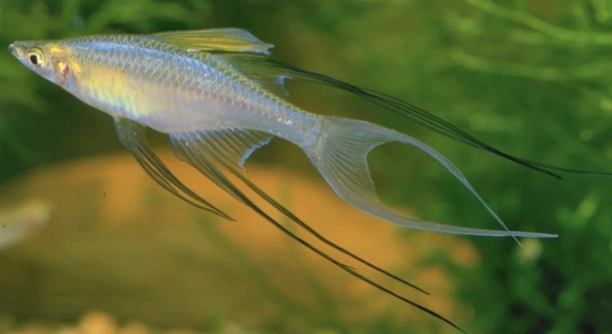
Do you ever notice your Threadfin Rainbowfish swimming differently when the tank looks freshly cleaned or when sprays are used nearby? These small, colorful fish are sensitive to changes in their environment, reacting in subtle ways.
Threadfin Rainbowfish can show mild stress responses when tank cleaners or sprays are used. Sudden chemical changes or residues in the water may cause them to hide, swim erratically, or temporarily reduce feeding behavior. Proper ventilation and careful cleaning minimize these reactions.
Knowing how these fish respond helps maintain a healthy aquarium. Observing their behavior can guide adjustments in cleaning routines and protect their wellbeing.
How Tank Cleaners Affect Threadfin Rainbowfish
When cleaning a tank, even small amounts of residue from soaps, sprays, or chemicals can irritate Threadfin Rainbowfish. These fish have delicate sensory systems and are highly responsive to changes in water quality. Using strong cleaners on decorations, gravel, or glass may leave traces that disturb their natural behavior. Many owners notice their fish darting quickly to corners or hovering near plants after cleaning sessions. Even simple things like rinsing equipment in tap water with chlorine can trigger mild stress. It’s important to use only fish-safe cleaners and to rinse items thoroughly before placing them back into the tank. Observing the fish’s behavior during and after cleaning can help you recognize early signs of stress, such as hiding, rapid gill movement, or decreased appetite. Maintaining a consistent cleaning routine while minimizing chemical exposure allows Threadfin Rainbowfish to stay healthy and comfortable in their aquarium environment.
Threadfin Rainbowfish respond better when tank cleaning is gentle and chemicals are avoided. Mild stress signs disappear once the water stabilizes.
Keeping their habitat free from chemical residues requires careful planning. Simple adjustments, like using vinegar or aquarium-specific cleaning products, make a noticeable difference in fish behavior. Maintaining stable water parameters and gradually introducing cleaned decorations helps prevent sudden stress, promoting long-term wellbeing for your rainbowfish.
Using Sprays Near the Aquarium
Sprays near the tank can affect water quality and fish behavior. Even minimal airborne particles may settle into the water and irritate sensitive fish.
Regular exposure to aerosols, perfumes, or household sprays near the tank can lead to recurring stress. The particles can alter the surface tension of the water, affect oxygen exchange, and cause the fish to become more cautious or hide frequently. Threadfin Rainbowfish may reduce activity or feeding if sprays are used consistently nearby. It’s helpful to keep spray use limited around the aquarium and ensure ventilation is sufficient to prevent accumulation. When cleaning or using sprays in the same room, doing it well away from the tank and allowing time for any residue to disperse reduces the likelihood of noticeable behavioral changes. Observing the fish after any new environmental change will let you respond quickly, keeping their habitat safe. Minimizing airborne chemical exposure is a small step with a big impact on their health and comfort.
Signs of Stress in Threadfin Rainbowfish
Threadfin Rainbowfish show stress through hiding, reduced movement, or loss of appetite. Their fins may clench, and gill movement may speed up. Noticing these changes early helps prevent long-term health problems.
Stress can also appear as erratic swimming or staying near the water surface. Some fish become withdrawn and avoid social interaction with tank mates. Changes in coloration may occur, often becoming duller or less vibrant. Recognizing these behaviors allows for timely intervention, such as checking water quality or reviewing cleaning practices. Stress is often temporary if the environment is stabilized, but repeated exposure to chemicals or sudden changes can have cumulative effects on their health and lifespan.
Providing stable water conditions, avoiding harsh chemicals, and maintaining a gentle cleaning routine helps reduce stress. Using fish-safe products, monitoring behavior, and allowing proper acclimation time after changes encourages healthy, active fish that display natural colors and normal activity. Observing them closely during and after cleaning sessions ensures any stress signals are addressed immediately.
Preventing Stress During Cleaning
Avoid using strong cleaners or sprays near the tank. Even small residues can trigger anxiety or hiding behavior.
Creating a cleaning routine that prioritizes minimal chemical exposure is key. Rinsing all equipment thoroughly, using aquarium-safe products, and performing partial water changes reduces sudden changes in water chemistry. Observing fish reactions during cleaning helps gauge stress levels. Keeping the room well-ventilated ensures that airborne particles do not settle into the water. Avoid sudden loud noises or vibrations, which can further unsettle the fish. Gradual adjustments, like cleaning one area at a time and reintroducing decorations slowly, help fish adapt without stress. Regular maintenance with these precautions maintains water quality while keeping your Threadfin Rainbowfish calm and healthy.
Water Quality and Chemical Sensitivity
Threadfin Rainbowfish are very sensitive to changes in water chemistry. Even small amounts of cleaning residue or sprays can upset the balance, leading to stress and unusual behavior.
Maintaining stable water parameters is essential. Regular testing of pH, ammonia, nitrite, and nitrate levels ensures the fish remain healthy and active.
Safe Cleaning Alternatives
Using fish-safe products like vinegar or specialized aquarium cleaners minimizes chemical exposure. Avoid bleach or household sprays near the tank to prevent irritation. Consistent gentle cleaning helps keep the environment stable and reduces stress for Threadfin Rainbowfish.
Observation and Adjustment
Careful observation of fish behavior after cleaning allows for immediate adjustments. Signs like hiding, rapid swimming, or dull coloration indicate the need for environmental changes.
FAQ
How do Threadfin Rainbowfish react immediately after tank cleaning?
Threadfin Rainbowfish often show subtle signs of stress right after tank maintenance. They may hide among plants or decorations, swim quickly in short bursts, or hover near the surface. Appetite can temporarily decrease, and fins may appear slightly clamped. These behaviors typically last a few hours, sometimes up to a day, depending on how strong the cleaning chemicals were and how sensitive the fish are. Using fish-safe cleaners and ensuring all items are rinsed thoroughly before returning them to the tank helps reduce these immediate reactions. Consistent and gentle cleaning routines allow the fish to adapt more quickly.
Can sprays in the room affect Threadfin Rainbowfish?
Yes, sprays like perfumes, cleaning products, or aerosols can affect the water if particles settle on the surface. These particles may irritate gills, slightly alter oxygen levels, and cause mild stress. Fish may respond by hiding, swimming less, or showing temporary color changes. Limiting sprays near the aquarium and improving ventilation helps prevent these effects. Even a small amount of airborne residue can create noticeable changes in sensitive fish like Threadfin Rainbowfish, so it’s best to be cautious during cleaning or when using household products nearby.
Are all Threadfin Rainbowfish equally sensitive to cleaners and sprays?
No, individual fish may react differently. Younger or newly introduced fish tend to be more sensitive, while older, well-acclimated fish may tolerate minor changes better. Stress responses vary and can include hiding, color dulling, rapid swimming, or reduced feeding. Monitoring each fish’s reaction during cleaning routines allows you to adapt your methods for the entire tank. Fish with weaker immune systems or those already stressed by water quality issues may show stronger responses, so extra care is needed for vulnerable individuals.
How long does it take for Threadfin Rainbowfish to recover after exposure to cleaning residues or sprays?
Recovery usually occurs within a few hours to a full day if exposure is minimal and water quality remains stable. Providing a calm environment, avoiding further disturbances, and performing a partial water change if necessary can accelerate recovery. Observing the fish for any lingering stress indicators ensures that they return to normal behavior safely. Consistent routines and fish-safe cleaning practices prevent prolonged stress, allowing the fish to regain normal feeding and swimming patterns more quickly.
What steps can I take to prevent stress from cleaning chemicals?
Use only aquarium-safe cleaners and rinse all equipment thoroughly. Limit household sprays near the tank and perform maintenance in a well-ventilated space. Partial water changes after cleaning can remove any minor residues. Observe fish behavior during and after cleaning sessions to adjust your routine if stress signs appear. Maintaining stable water conditions and avoiding sudden environmental changes reduces the likelihood of stress responses. Gradual adjustments and minimal chemical exposure are key to keeping Threadfin Rainbowfish healthy and active.
Can stress from cleaners or sprays have long-term effects?
Repeated or strong exposure to chemical residues can weaken the immune system, reduce appetite, and affect coloration over time. Chronic stress may make fish more susceptible to disease and reduce lifespan. Maintaining consistent, gentle cleaning practices and using fish-safe alternatives prevents these long-term issues. Observing their behavior and acting promptly when stress signs appear helps maintain overall health. Prevention is more effective than trying to reverse chronic stress, so cautious maintenance is essential for long-term fish wellbeing.
Are there safer alternatives to standard cleaning products?
Yes, simple solutions like vinegar or specialized aquarium cleaners are safe for fish and effective for removing algae, debris, or surface buildup. Avoid bleach or strong chemical sprays. Rinse decorations and equipment thoroughly and allow them to air-dry before returning them to the tank. Using natural or aquarium-specific alternatives reduces the risk of irritation and keeps water quality stable, making the environment more comfortable for Threadfin Rainbowfish. These safer options help maintain a healthy tank without causing stress or behavioral changes.
How can I tell if stress is due to cleaning or another factor?
Stress from cleaning usually appears immediately after maintenance or spray exposure. Look for sudden hiding, erratic swimming, or reduced feeding. If behavior changes persist without cleaning activity, check water quality, temperature, and social dynamics within the tank. Monitoring patterns helps identify whether the issue is related to cleaning chemicals, environmental shifts, or health concerns. By observing when and how your Threadfin Rainbowfish react, you can pinpoint the cause and take steps to restore a calm and stable environment.
What is the best routine to minimize reactions to cleaning?
Establish a gentle, consistent cleaning schedule. Use fish-safe products, rinse thoroughly, and avoid sudden changes in water temperature or chemistry. Keep sprays away from the tank and ensure proper ventilation. Observe fish behavior during maintenance to adjust techniques. Gradual, careful cleaning protects water quality and reduces stress, helping Threadfin Rainbowfish remain healthy, active, and vibrant in their aquarium environment. This approach encourages predictable routines, so fish feel secure even during maintenance activities.
Final Thoughts
Threadfin Rainbowfish are small, delicate fish that respond strongly to changes in their environment. Their sensitivity means that even minor disturbances, like cleaning the tank or using sprays nearby, can trigger stress responses. These reactions are usually subtle at first, including hiding, reduced swimming activity, or changes in feeding habits. Over time, repeated exposure to harsh chemicals or sudden environmental changes can impact their health, making careful maintenance essential. Understanding how they react allows aquarium owners to provide a more stable and comfortable habitat. Observing the fish closely during and after cleaning sessions helps identify stress early, allowing adjustments to routines before any long-term issues develop.
Maintaining water quality is the most important factor for the well-being of Threadfin Rainbowfish. Even small residues from cleaners or household sprays can alter the chemical balance of the water, causing behavioral changes or mild stress. Using fish-safe cleaning products, thoroughly rinsing decorations, and performing partial water changes are all effective ways to reduce the impact of cleaning activities. Additionally, avoiding strong scents or aerosols near the tank helps keep the environment calm. Gentle cleaning routines and consistent observation of fish behavior ensure that the rainbowfish can recover quickly if any minor stress occurs. Gradual adjustments, rather than sudden changes, are always better for maintaining stable water conditions.
Consistency and attention are key when caring for Threadfin Rainbowfish. Observing stress signals, maintaining stable water parameters, and minimizing chemical exposure all contribute to healthier, more active fish. Even simple habits, like spacing out cleaning sessions, using safer alternatives to household chemicals, and ensuring proper ventilation, can make a noticeable difference. Over time, these careful practices help prevent chronic stress, support natural coloration, and encourage normal behavior. Caring for these fish requires patience and attention, but the reward is a lively, vibrant aquarium. By prioritizing their environmental needs, you ensure that Threadfin Rainbowfish thrive, remain healthy, and display the colors and energy that make them so appealing to keep.

Hello,
If you enjoy the content that we create, please consider saying a "Thank You!" by leaving a tip.
Every little bit helps us continue crafting quality advice that supports the health, happiness, and well-being of pets around the world, for pets of all shapes, sizes, and species.
We really appreciate the kindness and support that you show us!