
Paragraph 1:
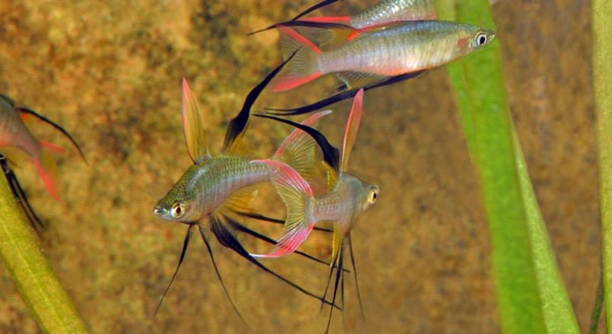
Threadfins are fascinating fish often found in both freshwater and brackish environments. When the water around them becomes too hard, their behavior changes noticeably, affecting feeding patterns, movement, and overall activity in subtle ways.
Paragraph 2 (bold):
Threadfins respond to hard water by reducing activity, seeking shaded areas, adjusting their swimming depth, and changing feeding behavior. These responses help minimize stress and maintain physiological balance when mineral concentrations rise beyond their optimal tolerance levels.
Paragraph 3:
Observing these shifts can help fishkeepers and researchers understand their needs better. Learning about these behaviors ensures threadfins remain healthy despite challenging water conditions.
Reduced Swimming Activity
Threadfins often slow down when the water becomes too hard. They may hover near the bottom or stay in one spot for extended periods. This is a natural response to prevent overexertion, as harder water can put stress on their muscles and gills. Movement requires more energy when mineral levels are high, so slowing down helps conserve strength. It is common to see them pause frequently, swim more carefully, or avoid sudden bursts of speed. Observing this behavior can help caretakers recognize that water conditions are affecting their fish. Adjustments in diet, tank maintenance, or water softening can help them regain normal activity. Maintaining stable conditions and minimizing sudden environmental changes ensures threadfins stay healthy. Over time, gradual adaptation may occur, but frequent monitoring is important to prevent prolonged stress, which can impact growth and immunity.
Reduced swimming is a direct reaction to high mineral content, conserving energy and protecting the fish’s health.
Noticing their slower pace provides insight into how threadfins cope. Monitoring their activity can help maintain long-term well-being.
Feeding Changes
Threadfins may eat less when water hardness rises. This shift is a way to manage internal stress and energy use.
High mineral content in water affects digestion and appetite. Threadfins may become selective about food, preferring softer or smaller particles that are easier to process. Over time, they may show irregular feeding times, sometimes ignoring food for several hours. Caretakers can support them by offering high-quality, easily digestible options and avoiding sudden diet changes. Hard water can also influence nutrient absorption, so supplementing with vitamins or minerals may help maintain health. Observing feeding patterns closely can indicate whether stress levels are high or if additional water adjustments are needed. Small, consistent meals often encourage eating and reduce strain on their system. By understanding these subtle behaviors, it becomes easier to maintain a stable environment that meets their nutritional and physiological needs, ensuring that threadfins remain active and grow properly.
Seeking Shaded Areas
Threadfins tend to move toward shaded or sheltered spots when water hardness increases. Staying in cooler, protected areas reduces stress and limits exposure to stronger mineral concentrations.
Shaded areas provide a safer environment for threadfins, helping them conserve energy while dealing with harder water. By avoiding bright or open spots, they reduce movement and minimize the strain on their gills. Over time, this behavior can become consistent, as fish instinctively find areas that offer comfort. Providing plants, rocks, or artificial shelters encourages this natural adjustment and supports their well-being. Observing these preferences allows caretakers to understand which areas of the tank are most suitable, ensuring a balanced environment that meets their needs.
Shelters also offer a sense of security. Threadfins in hard water spend more time hiding, conserving energy and adjusting gradually to changing conditions.
Adjusting Swimming Depth
Threadfins often change their swimming depth when the water is too hard. They may prefer lower levels, closer to the bottom, where conditions feel more stable.
Swimming depth adjustments help threadfins regulate oxygen intake and minimize the impact of high mineral content. Hard water can increase water density, making swimming slightly more taxing, especially near the surface. By staying lower, they access slightly cooler temperatures and reduce energy expenditure. This behavior also allows them to avoid areas with more direct light, which can intensify stress in harder water. Observing these depth changes provides insight into their comfort levels and overall health. Adjusting decorations or adding gradual depth variations can help them navigate the tank more easily.
Depth changes often coincide with feeding shifts, as threadfins may forage closer to the bottom. Monitoring this behavior ensures they maintain proper nutrition and avoid prolonged stress.
Increased Gill Movement
Threadfins often show faster gill movements when water hardness rises. This helps them cope with changes in oxygen levels and maintain proper respiration despite mineral fluctuations.
Rapid gill activity is a direct response to harder water. Fish work harder to extract oxygen efficiently, especially if the mineral content slightly reduces water flow or oxygen availability.
Hiding Behavior
Threadfins spend more time hiding in decorations, plants, or other tank structures. This instinctive action reduces stress, limits exposure to hard water, and creates a sense of safety.
Color Fading
Hard water can cause threadfins’ colors to appear duller. Mineral stress affects pigment expression, making vibrant patterns less visible temporarily.
FAQ
How can I tell if my threadfins are stressed by hard water?
Signs include slower swimming, hiding more often, eating less, and showing faster gill movements. Color may appear duller, and they may stick to shaded or lower areas of the tank. Observing these behaviors consistently indicates the water hardness is affecting their comfort.
What immediate steps can I take to reduce stress?
You can provide shaded areas, increase hiding spots, and avoid sudden changes in water conditions. Offering smaller, more frequent meals and ensuring oxygen levels are stable helps them cope. Gradual adjustments to water hardness using softening techniques can ease stress over time.
Should I change their diet when the water is hard?
Yes, softer, easily digestible foods are better when water hardness increases. Feeding smaller portions more frequently helps threadfins process food efficiently. Supplementing with vitamins or minerals may also support their health while their bodies adjust to the harder water.
Is it normal for threadfins to hide more often?
Yes. Hiding is a natural response to environmental stress, including hard water. They instinctively seek sheltered areas to conserve energy, avoid excessive movement, and feel safe until conditions become more stable. Providing extra plants, rocks, or tank structures supports this behavior.
Do they need special water treatment?
Depending on how hard the water is, some treatment may be necessary. Using reverse osmosis water or water softeners can gradually reduce mineral levels. Testing water regularly ensures the hardness stays within safe limits for threadfins. Sudden changes should be avoided.
Can color changes be reversed?
Yes. Color fading caused by hard water is usually temporary. Once water conditions improve and stress decreases, pigments can return to normal. Maintaining stable conditions, proper diet, and minimal disturbance helps restore their natural appearance over time.
Will hard water affect their long-term health?
Prolonged exposure to very hard water can affect gill function, digestion, and overall energy levels. Regular monitoring, proper feeding, and maintaining suitable tank conditions are essential to prevent chronic stress or slower growth.
How often should I check water hardness?
Regular testing is important. Weekly checks are recommended, especially if the water source is naturally hard. Monitoring allows for early adjustments and helps prevent stress-related behaviors. Consistency in water quality is key to keeping threadfins healthy.
Are all threadfins equally sensitive to hard water?
Sensitivity can vary by species, age, and individual health. Younger fish or those recently introduced to a tank may show stress more quickly. Observing behavior and adjusting tank conditions accordingly ensures all fish remain comfortable.
Can hard water cause disease?
Indirectly, yes. Stress from hard water weakens the immune system, making threadfins more prone to infections and parasites. Maintaining a stable environment, proper diet, and clean water reduces the risk of illness. Early detection of behavioral changes is crucial for prevention.
What is the best long-term solution for hard water?
A combination of gradual water softening, careful monitoring, and creating an enriched, shaded tank environment works best. Avoid sudden changes and provide consistent feeding and hiding spots. Over time, threadfins adapt better and maintain normal behavior despite mineral variations.
How do I encourage normal swimming and feeding?
Ensure shaded areas and hiding spots are balanced with open swimming space. Feed smaller meals at consistent times. Gradually improving water conditions while observing behavior supports normal activity levels and encourages regular feeding.
Are there signs that water is too hard even before behavior changes?
Testing the water can reveal high mineral levels before noticeable stress occurs. Measuring hardness, pH, and other parameters helps prevent problems and allows for timely intervention to maintain fish health.
How long does it take for threadfins to adjust?
Adjustment depends on the severity of hardness and individual resilience. With proper care and gradual environmental improvements, most threadfins begin showing normal behavior within days to weeks. Patience and consistent monitoring are essential.
Can multiple stress factors worsen effects of hard water?
Yes. Temperature fluctuations, overcrowding, poor diet, and low oxygen combined with hard water increase stress. Addressing all environmental factors together ensures better adaptation and overall health.
This FAQ provides practical guidance for managing threadfins in hard water, helping caretakers understand behavior, prevent stress, and maintain healthy, active fish.
Final Thoughts
Threadfins are sensitive fish, and hard water can affect them in several noticeable ways. Their behavior changes, including slower swimming, hiding more, and shifting feeding patterns. These changes are natural responses to maintain balance and reduce stress caused by higher mineral content in the water. Observing these behaviors carefully helps identify when water conditions need attention. Adjustments to their environment, such as adding shaded areas or hiding spots, can provide comfort and support normal activity. Over time, these small measures help threadfins conserve energy while adapting to harder water.
Providing proper care when water hardness rises is essential for maintaining their health. Diet plays an important role, as fish may prefer softer, more digestible foods to reduce strain on their digestive system. Feeding smaller meals more frequently can help them process nutrients efficiently. Additionally, ensuring oxygen levels remain adequate is important because hard water can slightly affect respiration, leading to faster gill movements. By paying attention to these details, caretakers can prevent prolonged stress, which may otherwise impact growth, immunity, and overall vitality. Maintaining consistent tank conditions, including temperature, pH, and hardness, creates a stable environment where threadfins can thrive despite changes in mineral concentration.
Patience and observation are key when caring for threadfins in hard water. Adjusting water gradually and providing a supportive environment allows them to regain normal behavior over time. Stress-related color changes, reduced activity, and hiding are usually temporary if the underlying water conditions are addressed. Regular testing of water hardness and other parameters ensures long-term health and helps prevent future problems. By understanding their behavioral responses, caretakers can make informed decisions about feeding, tank setup, and water management. Ultimately, supporting threadfins through periods of harder water requires attention, consistency, and a willingness to adapt their environment to meet the fish’s natural needs. This approach not only keeps the fish healthy but also creates a more balanced and comfortable habitat where they can live and grow successfully.

Hello,
If you enjoy the content that we create, please consider saying a "Thank You!" by leaving a tip.
Every little bit helps us continue crafting quality advice that supports the health, happiness, and well-being of pets around the world, for pets of all shapes, sizes, and species.
We really appreciate the kindness and support that you show us!